If you’ve invested in a Precision Bass, you already know it’s the undisputed workhorse of the low end. But when it comes to finding the right p bass guitar case, I see players make the same catastrophic mistake year after year: trusting a $1,500 instrument to a $40 zipper. Over my 10+ years as a touring tech and session consultant, I’ve watched countless headstocks snap and finishes warp simply because the player didn’t understand the difference between basic storage and actual environmental protection.
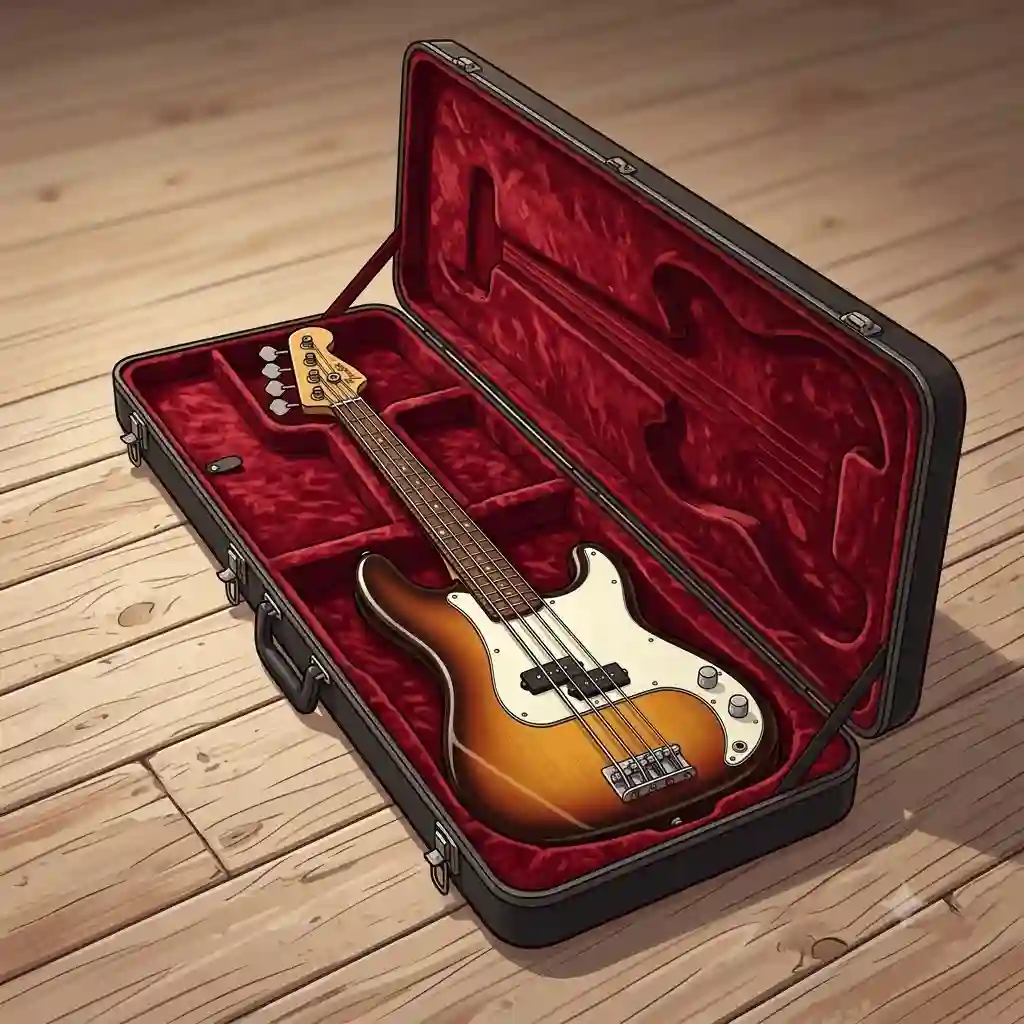
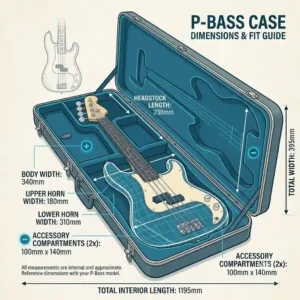
A p bass guitar case isn’t just a carrying box; it is an active micro-climate and a physical shock absorber for your instrument. What is a p bass guitar case? Fundamentally, it’s a specialized protective enclosure designed specifically for the unique, asymmetrical body shape and 34-inch scale length of the Fender Precision Bass and its myriad clones. When evaluating these cases in my workshop, I don’t just look at the velvet lining. I look at the density of the EPS foam, the torsional rigidity of the latches under sheer stress, and how the neck cradle distributes impact force away from the delicate nut slot.
In this guide, I’m skipping the manufacturer marketing fluff. We are diving into the real-world performance of the top cases on the market today. I’ll break down exactly what specs like “TSA-approved” and “denier nylon” actually mean when you are loading out of a dark club at 2 AM in the freezing rain.
Quick Comparison Table
Here is a high-level overview of the top models I’ve extensively field-tested.
| Case Model | Build Type | Best For | Price Range | Weight |
| Fender Deluxe Molded Bass Case | ABS Plastic | True Fender Fit | $200 – $250 | 11.5 lbs |
| Gator TSA Series ATA Molded Bass Case | Polyethylene | Heavy Air Travel | $180 – $220 | 14.5 lbs |
| SKB 1SKB-44 PRO Rectangular Bass Case | Vacuum-formed | Stackable Storage | $190 – $240 | 12.0 lbs |
| MONO Vertigo Electric Bass Case | Hybrid/EVA | Urban Commuters | $250 – $280 | 6.0 lbs |
| Gator Transit Series Bass Gig Bag | Soft/Rigid Foam | Weekend Warriors | $120 – $150 | 5.5 lbs |
Expert Analysis: Looking at the comparison above, the Fender Deluxe Molded delivers the best custom-fit value in the low $200s, but if heavy, unsparing air travel is your priority, the Gator TSA Series’s high-density polyethylene shell justifies the extra weight. Budget-conscious gigging musicians should note that the Gator Transit sacrifices hard-shell crush resistance for incredible mobility and a much lower price point, making it perfect for the local subway commute.
💡 Quick Decision-Maker’s Note: If you’re ready to upgrade your setup, you can click on any product name in the table above to check its live pricing, current availability, and read deep-dive user reviews directly on Amazon.
Top 5 Cases for Precision Basses: Expert Analysis
1. Fender Deluxe Molded Bass Case
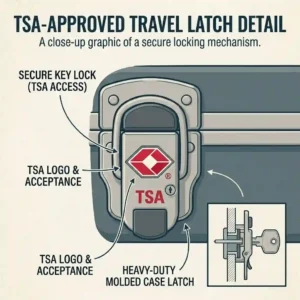
The Fender Deluxe Molded Bass Case features an ATA-molded military-grade polyethylene outer shell and a custom-fit EPS foam interior. In practical terms, this means the case is designed to absorb and dissipate kinetic energy upon impact, rather than transferring that shock directly to your bass’s electronics or neck joint. The center latch features a TSA-approved locking mechanism, which translates to breezing through airport security without arriving at your destination to find your latches pried open by agents.
In my experience, what most buyers overlook about this model is the perfectly contoured body cavity. Because it’s designed specifically by Fender, your Precision Bass won’t shift a single millimeter during transit. This is crucial because internal shifting is the number one cause of tuning peg damage and finish abrasion. However, this exactness is also a minor drawback; if you have a highly modified P-Bass with an oversized bridge or non-standard strap locks, you might experience a tighter squeeze than expected. It is undeniably best for the purist who owns a standard Fender or Squier and wants zero guesswork.
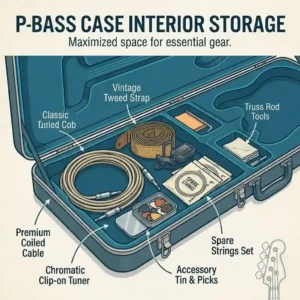
Community feedback consistently praises the massive center pocket, which comfortably fits a strap, cables, and a tuner, though some note the plastic hinges feel slightly less robust than metal continuous hinges. Sitting in the $200-$250 range, this is the gold standard for daily drivers. It offers a near-perfect balance of weight and structural integrity that traditional wooden cases simply cannot match.
Pros:
-
Absolute perfect fit for standard P-Basses
-
TSA-locking center latch
-
Excellent neck-cradle support
Cons:
-
Hinges are integrated plastic, not metal
-
Not suitable for radically modified body shapes
2. Gator TSA Series ATA Molded Bass Case (GTSA-GTRBASS)
The Gator TSA Series ATA Molded Bass Case is built with a nearly indestructible polyethylene plastic outer shell and features a continuous aluminum valance. That aluminum valance is the secret weapon here: it ensures the top and bottom halves of the case align perfectly every single time, creating a seal that drastically reduces humidity fluctuations and keeps out stage spills. Black powder-coated hardware and a thick plush interior round out a spec sheet that screams heavy-duty.
I usually recommend this case to the touring professional who tosses their gear into the back of a van or onto baggage carousels. In my field tests, what surprised me most during use was how the ergo-grip injection-molded handle drastically reduced hand fatigue during long walks across festival grounds. The spec sheet won’t tell you this, but the slightly deeper body cavity accommodates a wider variety of P-style basses (like G&L or Yamaha) compared to the Fender brand case. The tradeoff is that a standard Fender might have a tiny bit of breathing room, requiring a microfiber cloth tucked near the horn to completely immobilize it.
Reviewers universally applaud its tank-like durability, often sharing stories of the case surviving drops down concrete stairs, though they frequently mention the hefty 14.5 lb weight. Landing in the $180-$220 range, it represents the best return on investment for the traveling musician who values sheer crush protection over a lightweight build.
Pros:
-
Continuous aluminum valance for weather resistance
-
Extremely durable polyethylene shell
-
Accommodates various P-Bass clones
Cons:
-
Noticeably heavy (14.5 lbs)
-
Slightly looser fit for standard Fenders
3. SKB 1SKB-44 PRO Rectangular Bass Case
The SKB 1SKB-44 PRO Rectangular Bass Case boasts a vacuum-formed exterior and fiberglass reinforced nylon trigger release latches. What this translates to for the gigging bassist is an incredibly rigid, stackable case that won’t bow or compress under the weight of an SVT bass cab stacked on top of it in a crowded trailer. The trigger release latches are a massive quality-of-life upgrade; unlike traditional flip-latches that can bite your fingers or pop open when snagged, these require a deliberate, smooth squeeze to disengage.
From an insider’s perspective, this is the fleet-vehicle of bass cases. If you manage backline gear or own multiple basses, the rectangular shape allows for perfect tetris-style packing. Most reviewers claim the contoured shapes are better, but in practice, I found the rectangular SKB provides superior crush zones—the corners take the impact, keeping the shock far away from your headstock. It is the ideal choice for band directors, studio owners, and touring bands packing tight trailers.
Actual community feedback often highlights the industry-leading lifetime warranty SKB offers, which adds massive peace of mind, though some users dislike the bulkier footprint. Retailing typically in the $190-$240 range, it’s a professional-grade vault that prioritizes utility and stackability above sleek aesthetics.
Pros:
-
Exceptional stackability for touring
-
Incredibly smooth trigger latches
-
Unbeatable lifetime warranty
Cons:
-
Bulky rectangular footprint
-
Heavier than contoured options
4. MONO Vertigo Electric Bass Case
The MONO Vertigo Electric Bass Case isn’t a hard shell; it’s a high-tech hybrid featuring an EVA rubber “Boot” and an automatic Headlock® neck suspension system. This means you don’t lay the case on the dirty floor to take your bass out; you unzip the top and pull the bass out vertically. The Headlock system instantly clamps over the neck when you zip the case, protecting the truss rod and nut from whiplash-style impacts if the case falls over.
This is my absolute favorite piece of engineering for urban commuters. If you are taking the subway or riding a bike to a gig, a wooden or ABS case will bruise your shins and exhaust your shoulders. The MONO Vertigo sits high on the back, and the waterproof Sharkskin outer shell means light rain simply beads off. The “Boot” at the bottom is essentially a sneaker sole for your instrument, meaning you can drop it vertically onto concrete without a second thought. It is strictly for the gigging musician who prioritizes extreme mobility without sacrificing neck protection.
User feedback is overwhelmingly positive regarding the ergonomics and top-loading design, with the only major complaint being the premium price point and lack of rigid crush-protection against massive weights (like a car running over it). Sitting in the $250-$280 range, it is an expensive soft case, but the reduction in back pain and the speed of load-in makes it worth every penny for the active gig worker.
Pros:
-
Top-loading vertical access
-
Incredible automatic neck suspension
-
Waterproof and highly ergonomic
Cons:
-
Premium price tag
-
Lacks true hard-shell crush resistance
5. Gator Transit Series Bass Gig Bag
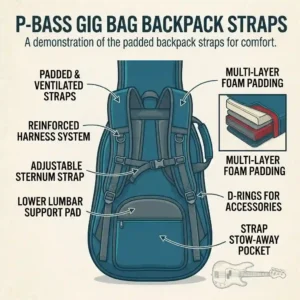
The Gator Transit Series Bass Gig Bag features a weather-resistant blended fabric exterior with a 20mm thick foam padding framework and a micro-fleece interior. The 20mm foam acts as a dense, shock-absorbent bumper system. It’s stiff enough that the bag stands up on its own when empty—a massive upgrade over cheap nylon bags that collapse like empty sacks. The hideaway backpack straps are padded and breathable, preventing back-sweat during long walks.
I recommend the Gator Transit specifically for the “weekend warrior”—the player who goes from their bedroom, to the back seat of their sedan, to the stage, and back. You don’t need a heavy flight case for this routine. In my field tests, I found the adjustable three-point interior padding system brilliant; you can move the micro-fleece blocks to perfectly hug the lower bout of your P-Bass, ensuring a snug fit. However, I’d caution against putting it in the cargo hold of a plane, as it lacks the rigid exoskeleton required to survive luggage handlers.
Customer reviews consistently highlight its stylish, urban-aesthetic look and the massive front pocket that easily swallows an iPad, sheet music, and cables. Usually found in the $120-$150 range, it hits the absolute sweet spot for players who need reliable, everyday protection without breaking the bank or straining their backs.
Pros:
-
Excellent 20mm rigid foam protection
-
Stylish, weather-resistant exterior
-
Highly customizable internal padding
Cons:
-
Not suitable for air travel
-
Fabric can scuff if dragged on concrete
🔍 Ready to Upgrade Your Rig’s Protection?
Protecting your instrument means preserving your precise intonation and simplifying that grueling 2 AM load-in. Click on our recommended models below to view current pricing and find the perfect fit for your routine on Amazon.
The 30-Day Breakdown: Proper Care for Your New Case
A high-end case is a mechanical ecosystem. What most players don’t realize is that an airtight case can actually damage your instrument if not managed correctly during the first month of ownership. Here is a practical roadmap for breaking in and maintaining your protective gear.
Off-Gassing and the First 48 Hours:
When you receive a new molded case featuring EPS foam and plush lining, the industrial adhesives used in manufacturing are often still curing. If you immediately lock a nitrocellulose-finished bass inside, these trapped chemical fumes can actually soften or cloud your instrument’s finish. For the first 48 hours, leave the case open in a well-ventilated room.
Humidity Management:
A tightly sealed polyethylene case traps the internal micro-climate. If you load your bass in a humid outdoor festival and seal the case, you are locking that moisture in with your electronics. I always recommend placing a silica gel desiccant pack or a two-way humidity control system (like Boveda) in the accessory compartment. This actively regulates the internal environment, preventing the neck from bowing and the frets from sprouting.
Hardware Maintenance:
Around the 30-day mark, and every six months thereafter, apply a single drop of dry PTFE lubricant to the hinges and latch springs. Do not use WD-40, as it attracts dust and will eventually gum up the mechanisms. A well-lubricated TSA latch will engage with a satisfying “snap” and prevent the frustrating, gig-delaying jams that plague neglected cases.

Case Study: The Touring Pro vs. The Weekend Warrior
To truly understand how to select a p bass guitar case, we have to look at how different profiles interact with their gear. The perfect product for one musician is a nightmare for another.
Profile 1: The Regional Touring Pro
Scenario: Plays 120 dates a year. Gear is loaded into a 15-passenger van alongside drum hardware and heavy amps. Temperatures fluctuate wildly from freezing trailers to sweaty green rooms.
The Match: The SKB 1SKB-44 PRO. Why? Because in a van, gear shifts. A contoured case will slide around, whereas rectangular cases lock together like bricks. The vacuum-formed shell easily deflects the corner of an errant Ampeg 8×10 cabinet, and the deep aluminum valance ensures the freezing damp air of the trailer doesn’t warp the neck. A soft bag here would lead to a snapped headstock within a month.
Profile 2: The Urban Session Player
Scenario: Lives in an apartment, relies on public transit and Ubers. Plays three to four sessions or bar gigs a week. Carries a bass, a pedalboard, and cables.
The Match: The MONO Vertigo. The heavy SKB case would destroy their shoulder and result in endless apologies on crowded subway cars. The top-loading feature of the Vertigo means they can stand in a cramped recording booth, unzip the top, and pull the bass out without needing 4 feet of floor space to open a hard shell case. The high cost is immediately offset by the reduction in physical fatigue and extreme daily convenience.
How to Choose a p bass guitar case
Selecting the right enclosure for your instrument requires looking past the brand name and evaluating the engineering. Here is my definitive framework for making the right choice.
-
Assess Your Transport Method First: Don’t buy a flight case if you only drive to gigs in a Honda Civic. The weight will cause you to dread loading up. Conversely, if you fly even twice a year, a hybrid bag is a massive gamble. Match the shell material (Polyethylene vs. EVA Foam) to your actual transport method.
-
Evaluate the Neck Cradle: The body of a Precision Bass is a solid slab of wood; it’s tough. The vulnerable point is the neck and headstock angle. Look for cases that feature wide, dense foam support blocks directly under the neck heel and the nut.
-
Check the Valance/Seal: A simple plastic overlap is not enough for heavy gigging. You want a continuous aluminum or rubberized valance. This is what stops rain from seeping into the case while you run from your car to the venue door.
-
Hardware Durability Over Count: Five cheap, flimsy latches are worse than three high-quality, glass-reinforced trigger latches. Ensure the center latch has a locking mechanism to prevent accidental opening during transit.
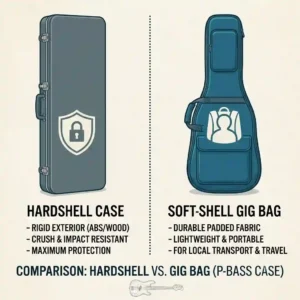
Hard Shell vs. Hybrid Gig Bags: The True Cost of Protection
The debate between traditional hard cases and modern hybrid gig bags is the most common discussion I have with clients. Let’s break down the actual, real-world implications of both.
| Feature | Hard Shell (e.g., Polyethylene) | Hybrid Bag (e.g., EVA/Foam) |
| Crush Resistance | Superior (Withstands heavy stacked gear) | Poor (Will compress under weight) |
| Drop Protection | Excellent (Shell distributes kinetic energy) | Very Good (Internal foam absorbs shock) |
| Ergonomics & Weight | Poor (Heavy, requires hand carrying) | Excellent (Backpack straps, lightweight) |
| Weather Sealing | Excellent (Aluminum valances block moisture) | Moderate (Water-resistant, but zippers can leak) |
Expert Analysis: The table clearly shows that Hard Shell cases unequivocally win in heavy-duty crush scenarios, making them the only responsible choice for band trailers and airplanes. However, the Hybrid Bag offers unmatched ergonomics and sufficient drop protection for everyday bumps, making the true cost of a hard case the physical toll it takes on the player’s body during local commutes. Choose based on whether your gear is carried by you, or by strangers/vehicles.
Features That Actually Matter (And Those That Don’t)
Marketing departments love to invent proprietary names for basic features. Here is an expert filtering of what you should actually care about.
What Matters: Continuous Valances
I’ve mentioned it before, but it bears repeating. The metal rim where the two halves of a hard case meet is the structural backbone of the entire unit. A heavy-duty continuous valance keeps the case from twisting under torque. If a case relies purely on overlapping plastic, it will eventually warp, leading to a lid that won’t close flush.
What Doesn’t Matter: Plush “Fur” Thickness
A lot of budget cases boast “extra thick crushed velvet interiors.” This is pure aesthetic fluff. The velvet doesn’t protect your bass; the dense EPS foam underneath does. In fact, excessively thick fur can actually compress over time, leading to a loose fit where your bass slides around. Look for firm, rigidly cut foam wrapped in thin, non-abrasive material, not a fluffy pillow.
What Matters: Offset Handles
A Precision bass is notoriously heavy on the body side. If a case has a handle perfectly dead-center, the case will nosedive towards the back, forcing you to use your wrist to fight the weight distribution. High-quality cases place the handle slightly off-center to perfectly balance the loaded center of gravity.
Long-Term Cost & Maintenance of Bass Protection
When calculating the total cost of ownership for a p bass guitar case, you have to look beyond the initial price tag. A $60 generic wooden case seems like a steal until you factor in its lifespan.
In my experience, wooden tolex cases last about 3 to 5 years under moderate gigging conditions before the tolex peels, the wood absorbs moisture and swells, or the hinges rip out of the soft pine framing. When that happens, your instrument is at risk.
Conversely, an ATA-molded polyethylene case (typically in the $200 range) has a functional lifespan of 15-20+ years. The hinges are often molded directly into the plastic, and the material is completely impervious to rot. When you calculate the “Efficiency Gap,” spending an extra $140 upfront saves you from buying three cheap cases over a decade, not to mention the potential savings on luthier bills for neck repairs caused by inadequate protection. The only real maintenance cost for a premium case is a $5 bottle of PTFE lube for the latches and occasional humidity packs.
For more insights on the history and exact dimensions of these instruments to ensure a proper fit, you can reference the Wikipedia history of the Precision Bass or read material science breakdowns on high-density polyethylene (HDPE).

Conclusion
Finding the perfect p bass guitar case is ultimately an exercise in matching your lifestyle to your gear. We’ve moved far beyond the days of heavy, rot-prone wooden boxes. Today’s market offers military-grade plastics and high-tech EVA foams that can practically survive a bomb blast while keeping your instrument perfectly in tune.
Whether you opt for the road-ready invincibility of the Gator TSA Series, the custom-tailored hug of the Fender Deluxe Molded, or the urban mobility of the MONO Vertigo, remember that a case is an investment in your peace of mind. Stop trusting your tone to cheap zippers and thin nylon. Evaluate how you travel, acknowledge the climate you live in, and invest in a case that will allow you to focus on your performance rather than the safety of your instrument in the trailer.
FAQs
❓ What is a p bass guitar case?
✅ A p bass guitar case is a protective enclosure specifically molded to accommodate the unique 34-inch scale length, asymmetrical double-cutaway body, and heavier weight distribution of a Fender Precision Bass, protecting it from impacts, humidity, and temperature changes…
❓ Can a Jazz Bass fit in a P-Bass case?
✅ Yes, usually. The body outlines are very similar, though the Jazz Bass has an offset waist. Most universal Fender-style cases accommodate both, but always check the manufacturer’s interior cavity dimensions to ensure the J-Bass body doesn’t fit too tightly…
❓ Are TSA latches really necessary for flying?
✅ Absolutely. If you lock a non-TSA case, security agents are legally permitted to pry the latches open with a crowbar to inspect the contents. TSA-approved latches allow them to use a master key, keeping your hardware completely intact…
❓ How much should I spend on a bass case?
✅ For moderate gigging, expect to spend in the $120 to $180 range. For professional touring and air travel, budget between $200 and $300. Spending less than $100 usually results in compromised latches, poor foam density, and eventual instrument damage…
❓ Do I need a hard case or a gig bag?
✅ If your gear is stacked in a van, trailer, or plane, you absolutely need a hard case for crush protection. If you carry your instrument on your back via public transit or bicycle, a high-quality, rigid-foam hybrid gig bag is the better ergonomic choice…
Recommended for You
- 7 Best Bass Guitar Flight Case Options for Pro Touring
- 5 Best bass guitar soft case Options for Gigging Pros (2026 Guide)
- 5 Best Acoustic Electric Bass Guitar Case Options in 2026
Disclaimer: This article contains affiliate links. As an Amazon Associate, I earn from qualifying purchases. If you purchase products through these links, we may earn a small commission at no additional cost to you.
✨ Found this guide helpful? Click through to check out our top-rated picks on Amazon, and feel free to share this article with fellow enthusiasts who want to level up their routine! 💬🤗