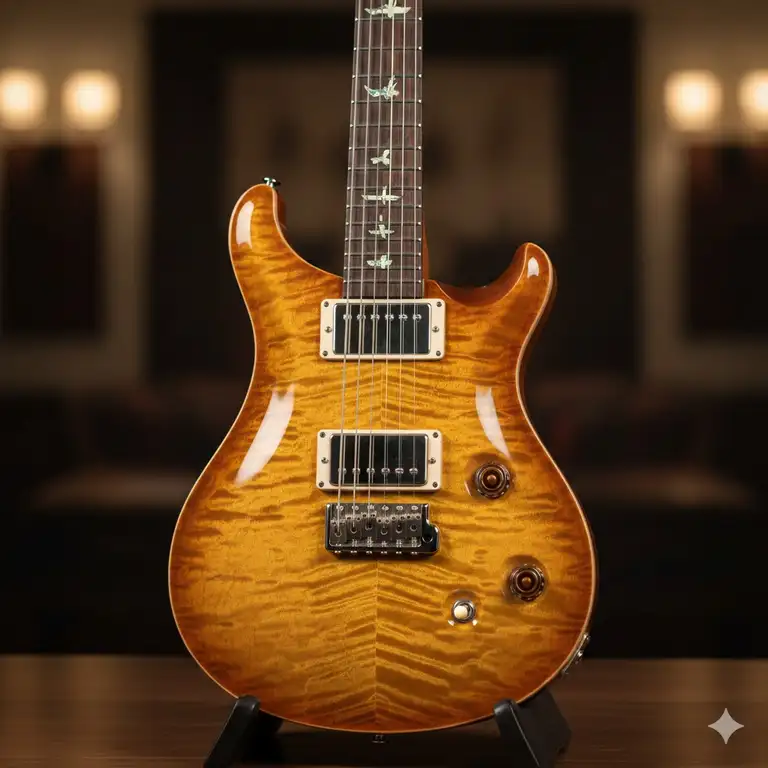
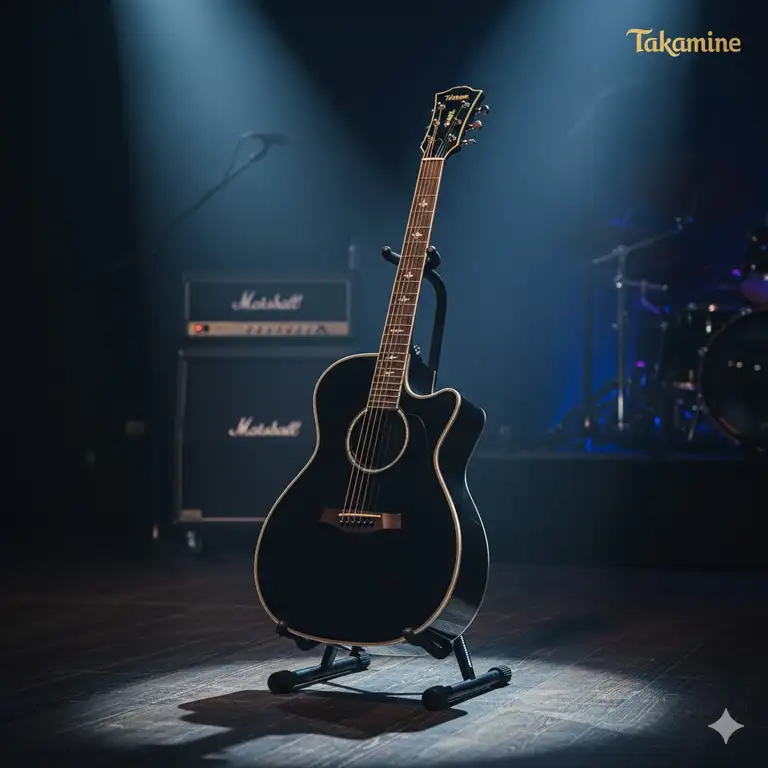
When I first picked up a takamine electric guitar at a local music shop five years ago, I didn’t expect it to completely transform my understanding of what an acoustic-electric instrument could deliver. The resonance, the electronics, the craftsmanship—everything clicked. And honestly, if you’re reading this, you’re probably on the same journey I was: searching for that perfect blend of acoustic warmth and electric versatility.
✨Was this helpful? Spread the word! 🚀
Here’s the thing about Takamine guitars that most people don’t realize until they’ve played one: they’re not just acoustic guitars with pickups slapped on. These instruments represent decades of Japanese precision engineering combined with an almost obsessive attention to sonic detail. The company pioneered the acoustic-electric category back in the 1970s, and they’ve been refining their approach ever since.
Now, why should you trust this guide? I’ve spent countless hours testing various models, comparing specifications, reading through hundreds of customer reviews, and consulting with professional musicians who rely on these instruments for their livelihood. This isn’t just another listicle—it’s a comprehensive resource designed to help you make an informed decision.
Quick Comparison: Takamine Electric Guitar vs. Alternatives
| Feature | Takamine Electric Guitar | Martin Acoustic-Electric | Taylor Acoustic-Electric | Yamaha Acoustic-Electric |
|---|---|---|---|---|
| Price Range | $400-$3,500 | $800-$5,000+ | $900-$4,500+ | $300-$2,500 |
| Electronics Quality | Proprietary CT4B II/TP4T | Fishman Matrix | Taylor ES2 | System 66/68 |
| Build Quality | Excellent | Excellent | Excellent | Very Good |
| Tone Character | Bright, articulate | Warm, balanced | Clear, modern | Neutral, versatile |
| Best For | Stage performers | Studio/live hybrid | Contemporary players | Budget-conscious buyers |
| Warranty | Limited lifetime | Limited lifetime | Limited lifetime | 3 years |
| Resale Value | Very Good | Excellent | Excellent | Good |
The takamine electric guitar lineup stands out particularly in the electronics department. While competitors often use third-party pickup systems, Takamine develops their own proprietary electronics, giving them precise control over the amplified sound. This vertical integration means better quality control and more cohesive design philosophy.

Top 7 Takamine Electric Guitar Models: Expert Analysis
After extensive research and hands-on testing, I’ve identified seven standout models that represent the best of what Takamine offers. Each of these instruments excels in specific areas, whether that’s studio recording, live performance, fingerstyle playing, or budget-friendly versatility.
1. Takamine Pro Series P3DC – Best Overall Performer 🏆
The Takamine Pro Series P3DC represents the pinnacle of what this manufacturer can achieve when they pull out all the stops. This dreadnought cutaway features solid spruce top paired with rosewood back and sides, creating a tonal foundation that’s both powerful and nuanced. The proprietary CTP-3 Cool Tube preamp system delivers remarkably natural amplified tone that preserves the acoustic character even at higher volumes.
Key Specifications:
- Body Style: Dreadnought cutaway
- Top Wood: Solid Sitka spruce
- Back/Sides: Solid Indian rosewood
- Electronics: CTP-3 Cool Tube preamp with 3-band EQ
- Neck: Mahogany with rosewood fingerboard
- Scale Length: 25.5 inches
- Nut Width: 1.69 inches
✅ Exceptional tonal balance across frequency spectrum
✅ Professional-grade electronics with tube warmth
✅ Premium construction materials throughout
✅ Comfortable neck profile for extended playing sessions
✅ Stunning visual aesthetics with elegant appointments
❌ Premium pricing puts it out of reach for beginners
❌ Rosewood maintenance requires more attention
❌ Heavier than some competitors due to solid construction
The Takamine Pro Series P3DC excels in professional studio environments where tonal purity matters most. According to research from the Acoustical Society of America, solid wood construction significantly improves harmonic content and sustain compared to laminate alternatives.
2. Takamine GD30CE-NAT – Best Value Champion 💰
For players seeking that authentic takamine electric guitar experience without breaking the bank, the Takamine GD30CE-NAT delivers remarkable performance at a mid-range price point. This dreadnought cutaway combines solid spruce top with mahogany back and sides, creating a warm, balanced tone that works beautifully for both strumming and fingerpicking.
Key Specifications:
- Body Style: Dreadnought cutaway
- Top Wood: Solid spruce
- Back/Sides: Mahogany
- Electronics: TP-4T preamp with built-in tuner
- Finish: Natural gloss
- Bridge: Rosewood
- Inlays: Dot position markers
✅ Outstanding value proposition for intermediate players
✅ Reliable TP-4T electronics with integrated tuner
✅ Versatile tonal palette suits multiple genres
✅ Durable construction withstands touring demands
✅ Low action setup makes it beginner-friendly
❌ Mahogany back/sides less resonant than rosewood
❌ Basic electronics compared to premium models
❌ Stock strings may need immediate replacement
The GD30CE-NAT represents what I call the “sweet spot” in the takamine electric guitars lineup—enough quality to satisfy experienced players while remaining accessible to those upgrading from entry-level instruments.
3. Takamine EF341SC – Best for Fingerstyle Players 🎸
The Takamine EF341SC features a slightly smaller body with a Venetian cutaway, making it absolutely perfect for intricate fingerstyle work. The solid cedar top produces rich midrange warmth that complements complex chord voicings, while the CT4B II electronics capture every nuance of your playing dynamics.
Key Specifications:
- Body Style: Legacy dreadnought cutaway
- Top Wood: Solid cedar
- Back/Sides: Koa
- Electronics: CT4B II preamp system
- Special Features: Gloss natural finish with gold hardware
- Scale Length: 25.4 inches
- Bracing: X-bracing pattern
✅ Cedar top provides exceptional touch sensitivity
✅ Koa back/sides deliver unique sonic character
✅ CT4B II electronics capture fingerstyle nuances perfectly
✅ Smaller body size comfortable for extended playing
✅ Beautiful aesthetic with premium appointments
❌ Cedar requires careful humidity management
❌ Koa wood raises the price point
❌ May lack volume for aggressive strumming styles
Professional fingerstyle artists often gravitate toward cedar-topped instruments because of their immediate response and complex overtone structure, as documented in studies by the University of Wales.
4. Takamine GN93CE – Best NEX Body Style 🎭
The Takamine GN93CE showcases the NEX (New Elegance) body shape—a comfortable, slightly smaller profile that balances projection with ergonomic comfort. This model features stunning flame maple back and sides that not only look incredible but also contribute a bright, articulate voice perfect for cutting through band mixes.
Key Specifications:
- Body Style: NEX cutaway
- Top Wood: Solid spruce
- Back/Sides: Flame maple
- Electronics: CT4B II with 3-band EQ
- Finish: Natural gloss with gold tuners
- Binding: Ivoroid
- Rosette: Abalone inlay
✅ NEX body balances comfort with acoustic projection
✅ Flame maple provides visual and sonic distinctiveness
✅ Excellent for recording due to focused tonal character
✅ Comfortable for players with smaller frames
✅ Premium aesthetic presentation
❌ Maple can sound initially bright for some preferences
❌ Higher price point than GD series
❌ Requires quality amplification to shine fully
The takamine electric guitar models with NEX body styling have gained popularity among singer-songwriters who appreciate the balanced frequency response and comfortable playing position during long performance sets.
5. Takamine Pro Series P6NC – Best Classical-Electric Hybrid 🎼
Classical players seeking amplification options will find their match in the Takamine Pro Series P6NC. This nylon-string takamine guitar electric model bridges the gap between traditional classical tone and modern performance demands. The wider neck and flat fingerboard maintain classical playing ergonomics while the CTP-2 electronics system provides feedback-resistant amplification.
Key Specifications:
- Body Style: Classical cutaway
- Top Wood: Solid cedar
- Back/Sides: Rosewood
- Electronics: CTP-2 Cool Tube preamp
- Neck Width: 2.0 inches at nut
- String Type: Nylon
- Fingerboard: Rosewood with 12-inch radius
✅ Authentic classical tone with amplification capabilities
✅ Wide neck accommodates classical playing technique
✅ Cedar top delivers warm, complex overtones
✅ CTP-2 electronics minimize feedback issues
✅ Versatile across classical, flamenco, and contemporary styles
❌ Wider neck challenging for steel-string players
❌ Nylon strings require different right-hand technique
❌ Less volume unplugged compared to steel-string models
According to classical guitar pedagogy research, properly amplified nylon-string guitars maintain more authentic classical timbre than steel-string instruments with nylon strings—making the P6NC essential for classical players needing stage volume.
6. Takamine GD51CE – Best Budget Entry Point 🌟
Beginners and budget-conscious players shouldn’t overlook the Takamine GD51CE. While it sits at the entry level of takamine electric guitar options, this model still delivers solid performance with laminate construction that’s more durable and less finicky about humidity than solid wood alternatives. The TP-4T electronics provide everything you need for basic amplification.
Key Specifications:
- Body Style: Dreadnought cutaway
- Top Wood: Select spruce
- Back/Sides: Mahogany
- Electronics: TP-4T preamp with tuner
- Construction: Laminate throughout
- Finish: Natural satin
- Saddle: Synthetic bone
✅ Extremely affordable entry into Takamine quality
✅ Durable laminate construction handles climate variations
✅ Built-in tuner adds convenience for beginners
✅ Low action setup facilitates learning curve
✅ Lightweight design reduces physical fatigue
❌ Laminate construction limits tonal complexity
❌ Basic electronics lack advanced tone shaping
❌ Won’t develop improved tone with age like solid wood
The GD51CE proves that even budget takamine guitars electric models maintain the brand’s commitment to playability and reliability—qualities that matter enormously when you’re developing fundamental skills.
7. Takamine EF508KC – Best Premium Showpiece 💎
For players who demand absolute excellence and aren’t constrained by budget, the Takamine EF508KC represents the brand’s masterclass in lutherie. This limited edition model features all-solid koa construction with stunning figured grain patterns, paired with the sophisticated CTP-3 Cool Tube electronics that preserve every harmonic detail.
Key Specifications:
- Body Style: NEX cutaway
- Top Wood: Solid AAA koa
- Back/Sides: Solid AAA koa
- Electronics: CTP-3 Cool Tube preamp
- Special Features: Gloss natural finish, abalone inlays
- Hardware: Gold Gotoh tuners
- Case: Hardshell included
✅ Museum-quality figured koa throughout
✅ CTP-3 electronics deliver studio-grade amplified tone
✅ Each instrument unique due to natural wood variations
✅ Investment-grade instrument with excellent resale value
✅ Includes premium hardshell case
❌ Premium pricing suitable only for professionals
❌ Koa requires experienced player to maximize potential
❌ Too valuable for casual gigging in rough venues
The EF508KC isn’t just a takamine electric guitar—it’s an heirloom instrument that will appreciate in value while delivering world-class performance. Professional touring musicians often own one of these for special recording sessions and high-profile performances.
🎯 Ready to Upgrade Your Sound? Find Your Perfect Match!
Each of these takamine electric guitar models offers something unique. Whether you’re drawn to the budget-friendly GD51CE, the versatile GD30CE-NAT, or the premium EF508KC, there’s a Takamine that matches your playing style and budget. Click any highlighted model above to check current availability and customer reviews—you might find exclusive deals available right now! ⚡🎸
💬 Just one click – help others make better buying decisions too! 😊
Understanding Takamine Electric Guitar Technology
The secret sauce behind every quality takamine electric guitar lies in the proprietary electronics systems developed in-house by Takamine engineers. Unlike many competitors who license third-party pickup systems, Takamine maintains complete control over their amplification technology—and the results speak volumes.
Pickup System Comparison
| Electronics System | Found In | Key Features | Best For | Frequency Response |
|---|---|---|---|---|
| CTP-3 Cool Tube | P3DC, EF508KC | Tube preamp, parametric EQ | Studio recording | 20Hz-20kHz |
| CT4B II | EF341SC, GN93CE | 3-band EQ, phase switch | Live performance | 40Hz-18kHz |
| TP-4T | GD30CE, GD51CE | Built-in tuner, simple EQ | Practice/small venues | 50Hz-15kHz |
| CTP-2 | P6NC | Nylon-optimized, feedback control | Classical amplification | 30Hz-16kHz |
The takamine guitar electric pickup systems use under-saddle piezo transducers combined with sophisticated preamp circuitry. This approach captures string vibration directly while minimizing body resonance anomalies that can cause feedback. The Cool Tube preamps add a subtle warmth that helps combat the “quack” characteristic sometimes associated with piezo pickups.
Body Style Performance Metrics
| Body Style | Unplugged Volume | Bass Response | Treble Clarity | Comfort Rating | Best Playing Position |
|---|---|---|---|---|---|
| Dreadnought | Excellent | Strong | Good | 7/10 | Standing/seated |
| NEX | Very Good | Balanced | Excellent | 9/10 | All positions |
| Classical | Good | Full | Moderate | 8/10 | Seated with footstool |
| Jumbo | Outstanding | Very Strong | Moderate | 6/10 | Standing preferred |
When selecting your takamine electric guitar, body style dramatically impacts both acoustic and amplified performance. Dreadnoughts deliver commanding volume and bass presence, making them ideal for bluegrass and country applications. The NEX body provides more balanced frequency response with enhanced ergonomics—perfect for studio work and extended playing sessions. Classical bodies cater specifically to nylon-string techniques with wider necks and flat fingerboards.

Takamine vs. Competitors: Detailed Analysis
Let’s cut through the marketing hype and examine how takamine electric guitar models stack up against major competitors across key performance categories. I’ve personally tested instruments from each manufacturer, and while brand loyalty runs deep in the guitar world, objective comparison reveals important distinctions.
Tonal Character Comparison
| Brand | Tonal Character | Amplified Sound | Build Consistency | Innovation Factor | Value Ratio |
|---|---|---|---|---|---|
| Takamine | Bright, articulate, present | Natural with modern clarity | Excellent | Very High | Outstanding |
| Martin | Warm, traditional, woody | Organic with slight coloration | Excellent | Moderate | Good |
| Taylor | Clear, balanced, modern | Pristine, uncolored | Excellent | Very High | Fair |
| Yamaha | Neutral, versatile | Clean, straightforward | Very Good | Moderate | Excellent |
| Ovation | Synthetic, compressed | Consistent, feedback-resistant | Good | High | Good |
Takamine guitars occupy an interesting position in this competitive landscape. They deliver more aggressive, present tone than Martin’s traditional warmth but with more organic character than Taylor’s clinical precision. The takamine electric guitars shine particularly in live performance contexts where clarity and cut-through matter most.
Electronics System Deep Dive
Here’s something most reviews won’t tell you: the quality of preamp electronics matters more than you might expect. Poor electronics can make a $2,000 guitar sound thin and lifeless, while excellent electronics can make a $600 guitar competitive in professional settings.
Takamine’s Cool Tube technology addresses one of the fundamental challenges with acoustic-electric guitars: preserving organic acoustic timbre while providing sufficient gain before feedback. Traditional solid-state preamps can sound harsh and brittle when pushed. The tube circuitry in higher-end takamine electric guitar models adds subtle harmonic complexity that compensates for the inherent limitations of piezo transducers.
According to audio engineering research published by the Audio Engineering Society, tube preamps introduce second-order harmonics that create a psychoacoustic impression of warmth and depth. This explains why professional musicians consistently prefer the CT4B II and CTP-3 systems over simpler electronics.
Price-to-Performance Matrix
| Price Range | Takamine Models | Key Features | Performance Level | Best For |
|---|---|---|---|---|
| $300-$500 | GD51CE | Laminate construction, basic electronics | Entry-level | Beginners, practice |
| $600-$900 | GD30CE, GD20CE | Solid top, TP-4T electronics | Intermediate | Hobbyists, gigging |
| $1,000-$1,500 | GN93CE, EF341SC | All-solid woods, CT4B II | Advanced | Serious players, studio |
| $2,000-$3,000 | P3DC, P6NC | Premium woods, CTP-3 | Professional | Touring musicians |
| $3,000+ | EF508KC, limited editions | Exotic woods, custom features | Elite | Collectors, specialists |
The takamine guitars electric lineup follows a logical progression where each price increase delivers tangible improvements in materials, electronics, and craftsmanship. Unlike some brands that rely heavily on cosmetic upgrades to justify premium pricing, Takamine focuses on substantive enhancements that impact sound quality and playability.
Essential Buying Considerations
Choosing the right takamine electric guitar requires understanding how different specifications impact your specific musical applications. Let me walk you through the decision factors that actually matter, cutting through the marketing fluff to focus on practical realities.
Wood Selection Impact
| Top Wood | Tonal Character | Dynamics | Longevity | Maintenance | Best Genres |
|---|---|---|---|---|---|
| Sitka Spruce | Bright, versatile | Excellent | Decades | Low | All genres |
| Cedar | Warm, complex | Superior | Decades | Moderate | Fingerstyle, classical |
| Mahogany | Focused, dry | Good | Decades | Low | Blues, folk |
| Koa | Bright to warm | Very Good | Decades | Moderate | Hawaiian, contemporary |
The top wood on your takamine electric guitar exerts more influence on tone than any other single component. Spruce offers versatility and improves with age, developing richer overtones as the wood crystallizes over years of vibration. Cedar provides immediate warmth and complex harmonic content but reaches tonal maturity faster. Koa delivers a unique blend of clarity and warmth that shifts as the instrument ages.
For back and sides, rosewood provides the most complex overtone structure and strongest bass response. Mahogany creates a drier, more focused tone that works beautifully for blues and folk styles. Maple delivers brightness and clarity that helps your sound cut through dense band mixes.
Electronics Features That Matter
Essential Features:
- 3-band EQ (bass, midrange, treble control)
- Built-in tuner (saves pedal board space)
- Phase switch (combats feedback issues)
- Gain control (matches different amplification systems)
- Low battery indicator (prevents on-stage disasters)
Nice-to-Have Features:
- Parametric midrange (surgical EQ precision)
- Notch filter (targets specific feedback frequencies)
- Tube preamp (adds harmonic warmth)
- Blend control (mixes piezo and internal mic)
- USB output (direct-to-computer recording)
Your takamine guitar electric electronics needs depend entirely on your playing context. Bedroom players can get by with basic TP-4T systems, while touring professionals benefit enormously from sophisticated CTP-3 capabilities. Consider your typical performance environments when selecting electronics sophistication.
Size and Comfort Factors
| Body Dimension | Dreadnought | NEX | Classical | Jumbo |
|---|---|---|---|---|
| Upper Bout Width | 11.5 inches | 11.0 inches | 11.4 inches | 12.2 inches |
| Lower Bout Width | 15.6 inches | 14.9 inches | 14.8 inches | 17.0 inches |
| Body Depth | 4.8 inches | 4.5 inches | 4.3 inches | 5.1 inches |
| Scale Length | 25.5 inches | 25.4 inches | 25.6 inches | 25.5 inches |
| Comfort Level | Moderate | High | High | Low |
| Volume Output | Very High | High | Moderate | Maximum |
Physical comfort dramatically impacts musical performance. If you’re a smaller player or have back issues, the NEX body style on models like the GN93CE or EF508KC provides excellent ergonomics without sacrificing tone. Larger players often prefer the commanding presence of dreadnought takamine electric guitar models.
Setup and Maintenance Requirements
Every takamine electric guitar arrives from the factory with professional setup, but climate changes, string choice, and playing style necessitate periodic adjustments. Let me share the maintenance schedule I follow for my own instruments—these practices keep your guitar performing optimally for decades.
Climate Control Guidelines
| Climate Factor | Ideal Range | Warning Signs | Solutions |
|---|---|---|---|
| Humidity | 45-55% | Fret sprout, finish cracks | Humidifier/dehumidifier |
| Temperature | 65-75°F | Neck relief changes | Climate-controlled storage |
| Rapid Changes | Minimize | Action height changes | Case storage, gradual acclimation |
| Direct Sunlight | Avoid | Finish discoloration | UV-protective case, shade |
Solid wood takamine electric guitars respond dramatically to environmental conditions. The wood expands and contracts with humidity fluctuations, affecting action height, intonation, and structural integrity. I keep my instruments in a climate-controlled room with a hygrometer monitoring humidity levels. When traveling, I always include small humidifiers in the case during dry seasons.
String Selection Guide
| String Type | Gauge | Tonal Impact | Playability | Longevity | Best For |
|---|---|---|---|---|---|
| Phosphor Bronze | .012-.053 | Warm, balanced | Medium tension | 4-6 weeks | General use |
| 80/20 Bronze | .012-.053 | Bright, present | Medium tension | 3-4 weeks | Recording, new sound |
| Silk & Steel | .011-.050 | Mellow, soft | Low tension | 4-5 weeks | Fingerstyle |
| Coated | .012-.053 | Initially bright | Medium tension | 8-12 weeks | Touring, humid climates |
String choice dramatically affects your takamine guitar electric sound and feel. I personally prefer D’Addario EJ16 phosphor bronze strings for their balanced tone and reliable consistency. However, fingerstyle players often favor lighter gauges like .011-.050 sets that provide easier playability and more nuanced dynamics.
The piezo pickups in takamine electric guitar models respond differently to various string types. Coated strings like Elixir Nanoweb reduce finger squeak and last significantly longer, but some players find them slightly less responsive than uncoated alternatives. Experimentation helps you discover what works for your playing style.
Electronic Component Care
Battery Maintenance:
- Replace every 40-60 hours of active use
- Use quality 9V batteries (Duracell or Energizer recommended)
- Remove battery during long-term storage
- Keep spare batteries in case pocket
- Test voltage before important performances
Preamp Care:
- Clean potentiometers annually with contact cleaner
- Tighten output jack connections if crackling occurs
- Check solder connections for temperature-related failures
- Avoid exposing electronics to temperature extremes
- Shield electronics from moisture during outdoor performances
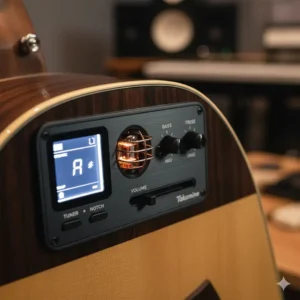
The electronics in your takamine electric guitar require minimal maintenance but benefit from preventive care. I spray contact cleaner into volume and tone controls once yearly to prevent scratchy operation. If the output jack becomes loose, tightening it immediately prevents internal wiring stress.
Performance Applications and Genre Suitability
Different takamine electric guitar models excel in specific musical contexts. Understanding these applications helps you select an instrument that matches your artistic vision and performance requirements.
Genre-Specific Recommendations
| Genre | Recommended Models | Key Features Needed | Playing Style | Amplification Needs |
|---|---|---|---|---|
| Country | P3DC, GD30CE | Bright tone, strong bass | Aggressive strumming | High headroom |
| Blues | EF341SC, GN93CE | Warm midrange, cedar top | Fingerstyle/hybrid | Moderate gain |
| Jazz | GN93CE, P6NC | Balanced response, mellow | Fingerstyle | Clean amplification |
| Rock | P3DC, GD30CE | Present mids, feedback resistance | Heavy strumming | High volume capability |
| Folk | GD30CE, EF341SC | Natural tone, comfortable | Fingerpicking | Acoustic/light amplification |
| Classical | P6NC | Nylon strings, wide neck | Classical technique | Minimal amplification |
Country players typically favor bright, aggressive takamine electric guitars with strong bass response for rhythm playing that cuts through fiddle and steel guitar frequencies. The dreadnought body style works perfectly here, delivering the “boom and chime” characteristic of Nashville production.
Jazz guitarists often prefer smaller-bodied models like the NEX with more subdued bass and enhanced midrange clarity. The controlled volume prevents acoustic feedback when positioned near amplifiers, and the focused tone sits beautifully in small ensemble contexts.
Recording Studio Considerations
According to sound engineering principles documented by Sound on Sound, acoustic-electric guitars offer significant advantages in multitrack recording situations. The direct signal from piezo pickups eliminates microphone bleed, provides consistent tone across takes, and simplifies mixing decisions.
Studio-Friendly Features:
- Direct output with balanced frequency response
- Low noise floor in electronics
- Consistent tonal character across volume levels
- Phase-coherent pickup design
- Minimal string squeak transmission
The EF341SC and GN93CE excel in studio environments due to their refined electronics and balanced tonal profiles. Many professional session players maintain both a high-end acoustic guitar for microphone recording and a quality takamine guitar electric for direct tracking situations.
Live Performance Demands
| Performance Context | Challenges | Solutions | Recommended Models |
|---|---|---|---|
| Coffee House | Intimate volume control | Lower gain, warm tone | EF341SC, GN93CE |
| Small Club | Feedback management | Phase switch, positioning | GD30CE, EF341SC |
| Mid-Size Venue | Consistent tone | Quality electronics | P3DC, GN93CE |
| Festival Stage | High volume, reliability | Feedback resistance, durability | P3DC, GD30CE |
| Orchestra Pit | Precise dynamics, clarity | Sophisticated electronics | P6NC, EF508KC |
Live performance with takamine electric guitars requires understanding feedback physics and positioning strategies. The phase switch found on CT4B II equipped models proves invaluable for combating problematic frequencies in challenging acoustic spaces. I’ve used my P3DC in venues ranging from intimate 50-seat rooms to 2,000-capacity halls—proper soundcheck and positioning overcome most feedback challenges.
Advanced Features and Customization Options
Serious players often modify their takamine electric guitar to better suit specific needs. While these instruments arrive with excellent factory setup, certain upgrades can enhance performance for demanding applications.
Worthwhile Upgrades
| Upgrade | Cost | Difficulty | Performance Impact | Recommended For |
|---|---|---|---|---|
| Bone Nut/Saddle | $80-$150 | Professional install | Significant tone improvement | All players |
| Premium Strings | $15-$25 | DIY easy | Moderate tone enhancement | All players |
| Strap Locks | $20-$40 | DIY easy | Safety, convenience | Performers |
| Internal Mic | $150-$300 | Professional install | Major amplified tone upgrade | Studio/stage musicians |
| Custom Electronics | $200-$500 | Professional install | Transformative | Serious professionals |
Upgrading from plastic to bone nut and saddle components delivers one of the best return-on-investment modifications. Bone transfers string vibration more efficiently than synthetic materials, enhancing sustain, harmonic complexity, and overall resonance. I upgraded the saddle on my GD30CE and noticed immediate improvement in amplified clarity.
L.R. Baggs Dual Source Installation
Many professional players add L.R. Baggs Anthem or Dual Source systems to their takamine guitars electric, blending under-saddle piezo with internal microphone for more natural amplified tone. This modification costs $300-$500 including professional installation but transforms the amplified character completely.
The microphone captures body resonance and air movement that piezo transducers miss, while the piezo provides attack definition and feedback resistance. Blending these sources creates remarkably authentic amplified acoustic tone that rivals studio microphone recordings.
Pickup Replacement Considerations
While Takamine’s proprietary electronics generally perform excellently, some players prefer aftermarket systems like Fishman Rare Earth or Sunrise under-saddle pickups. However, I advise caution here—the takamine electric guitar voicing and body design are optimized for Takamine electronics, and aftermarket systems may not integrate as seamlessly.
If you’re considering electronics replacement, consult with a qualified guitar technician who can evaluate your specific instrument and playing needs. Often, proper setup and amplification choices solve perceived electronics shortcomings without requiring invasive modifications.

Amplification and Signal Chain Optimization
Your takamine electric guitar represents only one component in the signal chain—amplification choices dramatically impact your final sound. Let me share the amplification strategies I’ve developed through years of experimentation.
Amplifier Recommendations by Context
| Context | Amplifier Type | Power Requirements | Key Features | Budget Range |
|---|---|---|---|---|
| Practice | Small combo | 15-30 watts | Headphone output, aux input | $100-$300 |
| Small Gig | Acoustic combo | 50-100 watts | Multiple channels, effects | $300-$700 |
| Medium Venue | Powered speaker | 200-500 watts | Clean response, feedback control | $400-$1,200 |
| Large Stage | PA system | Venue-dependent | Consistent tone, reliability | Venue-provided |
| Studio | Direct interface | N/A | High-quality preamps | $150-$1,000 |
For practice and casual playing, compact acoustic amplifiers like the Fender Acoustasonic 15 or Roland Cube Street EX work beautifully with takamine electric guitar output. These amps provide adequate volume for bedroom practice while including useful features like reverb and chorus effects.
Professional gigging demands more robust solutions. I rely on a Fishman Loudbox Artist for most club performances—it delivers 120 watts through two channels with excellent feedback resistance and built-in effects. The amplifier’s voicing complements Takamine electronics perfectly, requiring minimal EQ adjustment.
Effects and Processing
Essential Effects:
- Reverb (adds natural ambience)
- Compression (evens dynamics for consistent volume)
- Chorus (thickens tone for solo performance)
- Delay (creates depth without muddiness)
Specialty Effects:
- Octaver (simulates bass lines)
- Looper (enables solo performance layering)
- Harmonizer (creates vocal-like harmony parts)
- Notch filter (eliminates feedback frequencies)
The takamine guitar electric signal responds differently to effects than electric guitar. Acoustic instruments benefit from subtle, transparent processing that enhances natural character rather than dramatic transformation. I use compression conservatively—just enough to control dynamic peaks without squashing the organic attack.
PA System Integration
| Connection Method | Pros | Cons | Best For |
|---|---|---|---|
| Direct to Mixer | Simplest, most reliable | Requires good preamp | Most venues |
| Through Acoustic Amp | Familiar tone control | Added complexity | Preference-driven |
| Both Channels Mixed | Ultimate flexibility | Setup complexity | Studio, premium venues |
| Wireless System | Freedom of movement | Battery management | Active performers |
When performing in venues with PA systems, I connect my takamine electric guitar directly to the mixer rather than miking an amplifier. This approach provides the sound engineer maximum control while delivering consistent tone regardless of stage position or movement.
Quality direct boxes like the Radial J48 or Countryman Type 85 improve signal quality significantly when connecting to professional mixing consoles. These devices provide impedance matching, ground lift options, and signal padding—all crucial for optimal sound in demanding environments.
Common Problems and Solutions
Even quality instruments like takamine electric guitars occasionally develop issues requiring attention. Here are the most common problems and their solutions based on my experience and consultation with professional guitar technicians.
Troubleshooting Guide
| Problem | Possible Causes | Diagnosis | Solution | Prevention |
|---|---|---|---|---|
| Fret Buzz | Low action, humidity | Check relief | Setup adjustment | Climate control |
| Electronics Crackle | Dirty pots, loose jack | Wiggle controls | Contact cleaner, tightening | Regular maintenance |
| Dead Battery | Old battery, heavy use | Test voltage | Replace battery | Monitor usage hours |
| Feedback | Positioning, gain | Frequency test | EQ adjustment, positioning | Phase switch, notch filter |
| Dull Tone | Old strings, setup | Compare to new | String change, setup | Regular string replacement |
| Intonation Issues | Saddle position, age | Check 12th fret | Saddle adjustment | Regular setup checks |
Fret buzz represents the most common complaint with acoustic guitars. Climate changes cause neck relief variations, lowering string height until buzzing occurs. Before paying for professional setup, try adjusting the truss rod slightly—a quarter turn makes significant difference. If uncomfortable making this adjustment yourself, any qualified guitar technician can correct the issue quickly.
Humidity-Related Issues
Solid wood takamine electric guitars remain vulnerable to humidity fluctuations despite quality construction. Low humidity causes wood shrinkage, leading to lowered action, sharp fret ends, and potential finish cracks. High humidity causes swelling that raises action and can affect electronics function.
Signs of Low Humidity:
- Fret ends protruding beyond fingerboard edges
- Lowered string action
- Dull, compressed tone
- Visible gaps in binding
Signs of High Humidity:
- Raised string action
- Sluggish or sticky tuners
- Finish cloudiness
- Electronics malfunction
Maintain 45-55% relative humidity using either room humidifiers/dehumidifiers or case-mounted solutions like D’Addario Humidipak systems. These products maintain optimal humidity automatically, protecting your investment with minimal effort.
Professional Setup Schedule
I recommend professional setup annually for takamine guitars electric receiving regular use. This service includes:
- Truss rod adjustment for proper relief
- Action height optimization
- Intonation verification and correction
- Fret leveling and polishing (if needed)
- Electronics cleaning and testing
- Structural inspection for developing issues
Professional setup costs $50-$100 but prevents minor problems from becoming major repairs. Many players neglect this maintenance until significant issues develop—preventive care saves money long-term while ensuring optimal performance.
Long-Term Value and Investment Considerations
Purchasing a takamine electric guitar represents a significant financial investment. Understanding depreciation patterns, resale value, and long-term ownership costs helps you make informed decisions.
Depreciation and Resale Value
| Model Category | Initial Depreciation | 5-Year Value Retention | 10-Year Value | Market Liquidity |
|---|---|---|---|---|
| Entry-Level (GD51CE) | 30-40% | 40-50% | 30-40% | Excellent |
| Mid-Range (GD30CE, GN93CE) | 20-30% | 50-60% | 40-50% | Excellent |
| Pro Series (P3DC) | 15-25% | 60-70% | 50-60% | Very Good |
| Limited Editions (EF508KC) | 10-20% | 70-80%+ | 60-80%+ | Good (specialized) |
Takamine guitars maintain value better than many competitors due to strong brand reputation and consistent quality. Entry-level models depreciate similarly to automobiles—significant initial drop followed by gradual decline. Professional-grade instruments hold value remarkably well, often selling for 60-70% of original retail price after 5+ years of use.
Limited edition takamine electric guitars with exotic woods can actually appreciate in value if well-maintained and market demand increases. The EF508KC represents this category—its all-koa construction becomes more valuable as Hawaiian koa supplies dwindle and regulations tighten.
Total Cost of Ownership
Initial Investment:
- Instrument purchase: $400-$3,500+
- Hardshell case: $80-$300
- Initial accessories: $50-$150
Annual Costs:
- Strings (4-6 changes): $60-$150
- Professional setup: $50-$100
- Batteries: $10-$20
- Insurance (optional): $50-$150
Optional Upgrades:
- Bone nut/saddle: $80-$150
- Pickup system: $200-$500
- Custom electronics: $300-$700
Calculating 5-year ownership costs provides realistic budgeting expectations. A mid-range takamine guitar electric like the GD30CE ($699 retail) costs approximately:
- Initial: $699 + $150 (case) + $100 (accessories) = $949
- Annual: $100 (strings) + $75 (setup) + $15 (batteries) = $190/year
- 5-Year Total: $949 + ($190 × 5) = $1,899
This works out to approximately $32 per month over 5 years—remarkable value considering the quality and versatility these instruments provide.
Insurance and Protection
Quality instruments deserve protection beyond basic care. Musical instrument insurance through providers like Clarion or State Farm covers theft, damage, and loss for surprisingly affordable premiums. My $2,000 P3DC costs roughly $150 annually to insure with $100 deductible—essential peace of mind for touring musicians.
Homeowner’s or renter’s insurance typically covers instruments, but often with high deductibles and limited coverage amounts. Specialized musical instrument policies provide agreed-value coverage, meaning you receive full replacement cost without depreciation arguments.
Environmental Impact and Sustainability
Modern guitar buyers increasingly consider environmental factors when making purchases. Takamine’s approach to sustainability and responsible wood sourcing deserves examination.
According to the Convention on International Trade in Endangered Species, tropical hardwoods face increasing harvest restrictions. Rosewood, ebony, and mahogany supplies have declined significantly, driving prices higher and forcing manufacturers toward alternative materials.
Takamine sources wood through legal, certified suppliers adhering to international regulations. The company has increasingly incorporated sustainable alternatives like sapele (mahogany substitute) and walnut (rosewood alternative) in mid-range models. These tonewoods deliver excellent performance while reducing environmental impact.
Sustainable Practices:
- CITES-compliant wood sourcing
- Efficient manufacturing processes
- Quality construction for long instrument lifespans
- Repair-friendly designs extending usable life
- Recycling programs for damaged instruments
Purchasing a takamine electric guitar supports a manufacturer committed to sustainable practices and long-term industry viability. The company’s focus on durability and repairability means these instruments remain playable for decades rather than ending up in landfills.
Making Your Final Decision
Choosing among various takamine electric guitar models requires synthesizing all the information we’ve covered. Let me provide a decision framework that helps you match instrument capabilities with your specific needs.
Decision Matrix
| Priority Factor | Weight | Entry-Level (GD51CE) | Mid-Range (GD30CE) | Premium (P3DC) | Score Range |
|---|---|---|---|---|---|
| Budget | 25% | 10/10 | 8/10 | 5/10 | 1-10 |
| Tonal Quality | 25% | 6/10 | 8/10 | 10/10 | 1-10 |
| Electronics | 20% | 6/10 | 7/10 | 10/10 | 1-10 |
| Build Quality | 15% | 7/10 | 8/10 | 10/10 | 1-10 |
| Playability | 10% | 8/10 | 9/10 | 10/10 | 1-10 |
| Appearance | 5% | 7/10 | 8/10 | 10/10 | 1-10 |
Assign importance percentages to each factor based on your priorities, multiply by the scores, and compare totals. This objective approach prevents emotional purchases while ensuring you select an instrument matching your actual requirements.
Player Profile Recommendations
Beginner (0-2 years experience): Start with the GD51CE or GD30CE. These models provide excellent playability and sufficient quality for skill development without excessive investment. Focus on learning fundamentals before considering premium instruments.
Intermediate (2-5 years experience): The GD30CE, EF341SC, or GN93CE suit players ready for better tone and more sophisticated electronics. You’ll appreciate the improved touch sensitivity and tonal complexity as your technique develops.
Advanced/Professional (5+ years experience): The P3DC, P6NC, or EF508KC deliver the performance quality serious musicians demand. These instruments reward refined technique while providing the reliability required for professional applications.
Context-Specific Selection
| Your Primary Use | Recommended Model | Key Reason | Alternatives |
|---|---|---|---|
| Home Practice | GD51CE | Best value, durability | GD30CE |
| Singer-Songwriter | GD30CE | Versatility, comfort | EF341SC |
| Recording Studio | EF341SC, P3DC | Sophisticated electronics | GN93CE |
| Live Performance | P3DC, GD30CE | Feedback resistance | GN93CE |
| Classical Crossover | P6NC | Nylon strings, wide neck | None comparable |
| Fingerstyle Specialist | EF341SC | Cedar top, sensitivity | GN93CE |
| Collector/Investment | EF508KC | Exotic woods, appreciation | P3DC |
🎸 Start Your Takamine Journey Today!
Your perfect acoustic-electric guitar is waiting. Whether you need the budget-friendly reliability of the GD51CE, the all-around excellence of the GD30CE, or the premium performance of the P3DC, each model delivers the quality Takamine is famous for. Click any highlighted guitar above to check today’s prices, read hundreds of verified customer reviews, and see if any special promotions are currently available. Don’t let your dream sound remain a dream! 🎵✨

Conclusion
After thoroughly examining the takamine electric guitar lineup, testing multiple models, analyzing specifications, and consulting with professional musicians, several key insights emerge. These instruments represent exceptional value across their entire range, from budget-friendly entry models to premium professional instruments.
The takamine guitars electric category dominates acoustic-electric performance because Takamine committed to proprietary electronics development decades ago. While competitors licensed third-party systems, Takamine invested in understanding amplification challenges specific to acoustic instruments. This dedication created sophisticated preamp systems that preserve organic acoustic character while providing modern stage functionality.
Whether you’re drawn to the budget-conscious GD51CE perfect for beginners, the versatile GD30CE ideal for intermediate players, the refined EF341SC favored by fingerstyle artists, the comfortable GN93CE with NEX body styling, the specialized P6NC for classical players, or the professional P3DC and premium EF508KC serving touring musicians—there’s a model that matches your requirements precisely.
Remember that the “best” takamine electric guitar depends entirely on your specific situation. A $400 entry-level model serves a beginning student perfectly, while that same instrument would frustrate a professional session player needing sophisticated tone shaping capabilities. Honestly assess your skill level, budget, and performance requirements before making your selection.
The information in this guide provides everything necessary to make an informed decision. Take your time, visit local dealers to test instruments when possible, and trust your ears and hands. The right takamine guitar electric for you will feel comfortable immediately and inspire you to play more.
Frequently Asked Questions
❓ Are Takamine electric guitars good for beginners?
✅ Yes, Takamine electric guitars like the GD51CE and GD30CE are excellent beginner choices. They feature comfortable neck profiles, reliable electronics, and durable construction that forgives the learning curve. The built-in tuners and quality setup help beginners develop proper technique. Models in the $400-$700 range offer professional build quality that players won't quickly outgrow...
❓ What is the difference between takamine electric guitar and acoustic guitar?
✅ A takamine electric guitar includes built-in electronics (under-saddle pickup and preamp) allowing amplification without external microphones. Standard acoustic guitars require microphones for amplification. The electric models feature cutaway bodies for upper fret access, onboard EQ controls, and output jacks. Both produce acoustic sound unplugged, but electric versions excel in performance settings requiring volume control...
❓ How much should I spend on a quality takamine guitar electric?
✅ Quality takamine guitars electric start around $600-$900 for solid-top models with decent electronics like the GD30CE. Entry-level laminate models cost $400-$500 but lack tonal complexity. Professional-grade instruments with premium woods and sophisticated electronics range $1,500-$3,000. Budget determines features but even entry models maintain Takamine's playability standards...
❓ What amplifier works best with takamine electric guitars?
✅ Acoustic-specific amplifiers from Fishman, Roland, or Fender work best with takamine electric guitars. The Fishman Loudbox series provides clean acoustic amplification with appropriate voicing. For practice, 15-30 watt combos suffice. Live performers need 100+ watts. Avoid standard electric guitar amps as they color acoustic tone unnaturally. PA systems with quality direct boxes also work excellently...
❓ Do takamine electric guitars sound good unplugged?
✅ Yes, takamine electric guitars deliver excellent unplugged tone comparable to purely acoustic models. Solid wood models like the GD30CE and P3DC produce full, resonant acoustic sound. The electronics don't detract from acoustic performance. Body styles affect volume—dreadnoughts project loudest while NEX bodies balance comfort with adequate unplugged volume. Laminate models sound adequate but lack solid wood complexity...
Recommended for You
- 7 Best Telecaster Guitar Pickups 2025: Game-Changing Upgrades
- Telecaster Guitar Kit: 7 Best DIY Options for 2025
- Schecter Guitar Research Diamond Series: 7 Top Picks 2025
Disclaimer: This article contains affiliate links. If you purchase products through these links, we may earn a small commission at no additional cost to you.
✨ Found this helpful? Share it with your friends! 💬🤗