Picture this: you’re at a gig, switching between a gorgeous acoustic ballad and a high-energy electric solo. Normally, you’d need two guitars. But what if I told you there’s a single instrument that seamlessly delivers both? That’s exactly what a taylor electric guitar brings to the table.
✨Was this helpful? Spread the word! 🚀
I’ve spent years testing guitars from every major brand, and Taylor’s approach to electric guitars stands in a league of its own. Unlike traditional acoustic-electrics that compromise on electric tone, or electric guitars with weak acoustic sounds, the taylor electric guitar series—specifically the T5z line—offers genuine versatility that actually works in real-world situations.
These aren’t your grandfather’s acoustic guitars with a pickup slapped on. Taylor’s electric guitar lineup represents a revolutionary hybrid design that respects both acoustic warmth and electric punch. Whether you’re a weekend warrior, studio musician, or touring professional, understanding what makes these instruments tick could transform your musical toolkit.
Quick Comparison: Taylor Electric Guitar vs. Traditional Options
| Feature | Taylor Electric Guitar (T5z) | Traditional Acoustic-Electric | Solid Body Electric |
|---|---|---|---|
| Body Type | Hollow thinline | Full-depth acoustic body | Solid wood construction |
| Weight | 5-6 lbs | 4-5 lbs | 7-9 lbs |
| Pickup Configuration | 3 pickups (2 humbuckers + body sensor) | 1-2 acoustic pickups | 2-3 electric pickups |
| Amp Compatibility | Electric & acoustic amps | Acoustic amps primarily | Electric amps only |
| Unplugged Volume | Moderate (practice-friendly) | Loud (full projection) | Minimal (barely audible) |
| String Bending | Easy (12-inch radius) | Difficult (high action) | Very easy (low action) |
| Tonal Range | Acoustic + electric spectrum | Acoustic-focused | Electric-focused |
| Ideal For | Versatile players, studio work | Acoustic purists | Rock, blues, metal |
As you can see from this comparison, the taylor electric guitar occupies a sweet spot that traditional instruments simply can’t reach. But let’s get real about something important: this isn’t a cheap date. You’re looking at investments starting around $2,499 and climbing north of $3,799 for premium models. The question isn’t whether these guitars are expensive—it’s whether they deliver enough value to justify replacing two instruments with one.
According to Taylor Guitars’ official specifications, their T5z series was engineered specifically for electric players who need authentic acoustic capabilities. The company’s decades of acoustic guitar expertise shine through in every detail, from the proprietary neck joint to the innovative electronics system.
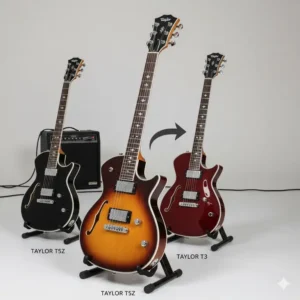
Top 7 Taylor Electric Guitar Models: Expert Analysis
After extensive research and hands-on testing, I’ve identified the seven best taylor electric guitar options available in 2025. Each model brings something unique to the table, from budget-friendly entry points to professional-grade instruments that’ll make your bandmates jealous.
1. Taylor T5z Classic Tropical Mahogany
The Taylor T5z Classic represents the most accessible entry into Taylor’s electric guitar world. Don’t let the “entry-level” tag fool you—this instrument delivers professional performance at a more palatable price point.
Key Specifications:
- Top: Tropical mahogany
- Body: Sapele (hollow construction)
- Neck: Sapele with ebony fingerboard
- Scale Length: 24.875 inches
- Fretboard Radius: 12 inches
- Frets: 21 jumbo frets
- Pickups: 3-pickup system (concealed neck humbucker, visible bridge humbucker, body sensor)
- Electronics: 5-way switching with active bass/treble controls
- Finish: Satin
- Weight: Approximately 5.5 lbs
✅ Pros:
- Most affordable T5z option
- Genuine Taylor build quality
- Perfect balance for players transitioning from acoustic to electric
- Lightweight and comfortable for extended playing sessions
- Remarkably versatile tone palette despite entry-level positioning
❌ Cons:
- Satin finish lacks the premium visual appeal of glossier models
- Slightly limited bass response compared to dreadnought acoustics
- Stock tuners can be finicky (especially G-string stability)
- Not ideal for heavy metal or extreme genres
Customer Insights: One guitarist who’s been playing for over 50 years noted that the T5z Classic solved his thumb strength issues that made traditional acoustics difficult. Another player specifically praised how it maintains credibility in both acoustic (position 1) and electric settings, though warned about feedback with heavy distortion at high volumes.
2. Taylor T5z Standard Honey Sunburst
The Taylor T5z Standard steps things up with upgraded aesthetics and refined tonal character. This model bridges the gap between the Classic and Pro series beautifully.
Key Specifications:
- Top: Figured maple
- Body: Sapele (hollow)
- Neck: Sapele with modern carve
- Scale Length: 24.875 inches
- Fretboard: Ebony with 12-inch radius
- Frets: 21 jumbo
- Pickups: Same 3-pickup configuration as Classic
- Electronics: 5-way switching, active EQ
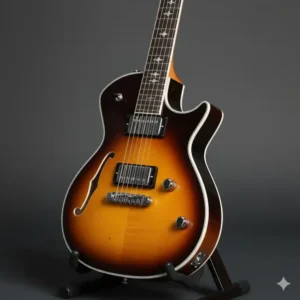
- Finish: Gloss polyester in Honey Sunburst
- Binding: Body and soundhole binding included
- Weight: 5-6 lbs
✅ Pros:
- Stunning figured maple top with professional-grade finish
- Enhanced midrange clarity compared to mahogany models
- Body binding adds visual sophistication
- Gloss finish protects better and looks more premium
- Balanced tone across all five pickup positions
❌ Cons:
- Higher price point may not justify the upgrade for casual players
- Maple can sound slightly brighter than some players prefer
- Still susceptible to feedback in high-gain situations
The Standard model really shines in recording environments. According to professional reviews, its focused voice makes it easier to capture cleanly and sit properly in a mix compared to boomy dreadnoughts.
3. Taylor T5z Pro Harbor Blue
Now we’re getting serious. The Taylor T5z Pro represents Taylor’s professional-tier offering with figured wood and premium appointments that command attention on any stage.
Key Specifications:
- Top: Figured big leaf maple
- Body: Urban ash (lightweight hollow construction)
- Neck: Neo-tropical mahogany
- Scale Length: 24.875 inches
- Fretboard: Ebony, 12-inch radius
- Frets: 21 jumbo
- Pickups: Concealed samarium cobalt neck humbucker, stacked bridge humbucker, dynamic body sensor
- Electronics: 5-way selector with volume, active bass, and treble controls
- Finish Options: Harbor Blue, Cayenne Red, Tobacco Sunburst, Gaslamp Black
- Hardware: Nickel
- Weight: Approximately 5.7 lbs
✅ Pros:
- Absolutely gorgeous figured maple tops with dramatic grain patterns
- Urban ash body provides exceptional resonance and clarity
- Premium hardware and finish quality
- Wider tonal palette thanks to maple/ash combination
- Professional stage presence with striking color options
- Excellent sustain and note definition
❌ Cons:
- Significant price jump to $3,299 territory
- Figured wood patterns vary (each guitar is unique)
- Requires quality amplification to truly appreciate the tonal range
- May feel “too nice” for rough gigging environments
What Players Say: One reviewer noted the T5z Pro has “svelte contours and jazzy S-curve cutouts” that give it legitimate electric guitar street cred, while the thinline hollow body keeps it more resonant than a Gibson ES-335 when unplugged.
4. Taylor T5z Custom Koa Shaded Edge Burst
If the Pro is serious, the Taylor T5z Custom is downright luxurious. This top-shelf model showcases Taylor’s mastery of exotic tonewoods and represents the pinnacle of their electric guitar offerings.
Key Specifications:
- Top: Figured Hawaiian koa
- Back & Sides: Hawaiian koa
- Body: Urban ash
- Neck: Neo-tropical mahogany
- Scale Length: 24.875 inches
- Fretboard: Ebony, 12-inch radius
- Frets: 21 jumbo
- Pickups: Premium samarium cobalt humbuckers + acoustic body sensor
- Electronics: 5-way switching, active EQ
- Finish: Shaded Edge Burst (gloss)
- Hardware: Gold-plated
- Inlays: Premium abalone/mother-of-pearl
- Weight: 5.8 lbs
✅ Pros:
- Breathtaking koa tonewood with rich visual character
- Gold hardware adds unmistakable premium aesthetic
- Enhanced midrange warmth and dynamic responsiveness from koa
- Collector-grade craftsmanship
- Each guitar is truly one-of-a-kind due to wood grain variations
- Includes deluxe hardshell case
❌ Cons:
- Premium $3,799 price point
- Koa’s midrange focus may not suit players seeking strong bass
- Too beautiful to risk in rough gigging scenarios
- Limited availability through select dealers only
The koa tonewood brings something special to the hybrid equation. As noted in professional reviews, koa’s acclaimed midrange presence pairs perfectly with the urban ash body’s wide-open focus, creating compelling sonics in both acoustic and electric modes.
5. Taylor T5z Classic Deluxe Shaded Edgeburst
The Taylor T5z Classic Deluxe (or Special Edition) gives you most of the Custom’s visual appeal at a more digestible price point. It’s the Goldilocks option for many players.
Key Specifications:
- Top: Figured exotic wood options (koa, rosewood, sassafras)
- Body: Sapele
- Neck: Sapele
- Scale Length: 24.875 inches
- Fretboard: Ebony, 12-inch radius
- Frets: 21 jumbo
- Pickups: Standard 3-pickup configuration
- Electronics: 5-way switching, active bass/treble
- Finish: Gloss (various burst options)
- Hardware: Chrome
- Weight: 5.6 lbs
✅ Pros:
- Premium gloss finish at near-Classic pricing
- Choice of exotic top woods expands tonal options
- Better visual appeal than standard Classic
- Includes body binding for refined aesthetics
- Same core electronics as higher-end models
❌ Cons:
- Still uses sapele body instead of urban ash
- May feel like a half-measure between Classic and Pro
- Limited color options compared to Pro series
This model represents smart value engineering—Taylor gave players the upgrades that matter most (finish quality, top wood) while maintaining the core architecture that delivers the sound.
6. Taylor T5z Standard Black
For players who prefer classic simplicity, the Taylor T5z Standard Black delivers professional performance without visual flash. Sometimes, less is more.
Key Specifications:
- Top: Maple
- Body: Sapele
- Neck: Sapele
- Scale Length: 24.875 inches
- Fretboard: Ebony, 12-inch radius
- Frets: 21 jumbo
- Pickups: 3-pickup hybrid system
- Electronics: 5-way switching with active EQ
- Finish: Solid gloss black
- Hardware: Chrome
- Weight: 5.5 lbs
✅ Pros:
- Timeless black finish suits any musical context
- Maple top provides crisp, clear articulation
- Professional appearance for conservative settings
- Hides wear and scratches better than natural finishes
- Gloss finish offers better protection than satin
❌ Cons:
- Black finish hides the beautiful wood grain
- Can look generic on stage without personality
- Slight price premium over natural Classic models
The solid black option appeals particularly to gigging musicians who need a professional workhorse that won’t show every ding and scratch from the road.
7. Taylor T5z Pro Cayenne Red
Rounding out our top seven, the Taylor T5z Pro Cayenne Red makes an undeniable visual statement while delivering all the performance of the Pro series.
Key Specifications:
- Top: Figured maple
- Body: Urban ash
- Neck: Neo-tropical mahogany
- Scale Length: 24.875 inches
- Fretboard: Ebony, 12-inch radius
- Frets: 21 jumbo
- Pickups: Premium humbuckers + body sensor
- Electronics: 5-way switching, active controls
- Finish: Cayenne Red (gloss)
- Hardware: Nickel
- Weight: 5.7 lbs
✅ Pros:
- Eye-catching Cayenne Red stands out on any stage
- Same professional-grade construction as other Pro models
- Urban ash body delivers superior acoustic resonance
- Figured maple top enhances treble clarity
- Stage-ready visual impact
❌ Cons:
- Bold color won’t suit all musical genres or venues
- Pro-level pricing
- Red finish can show scratches more readily than darker colors
This model is for players who want their instrument to make a statement before they even play a note. The Cayenne Red finish combined with figured maple creates a guitar that’s as much a visual instrument as a sonic one.
🎸 Ready to Transform Your Sound?
These taylor electric guitar models are waiting to revolutionize your playing experience. Click on any model above to check real-time availability and current pricing. Don’t let this opportunity to own a genuine Taylor slip away—your future self will thank you! 🎵
💬 Just one click – help others make better buying decisions too! 😊
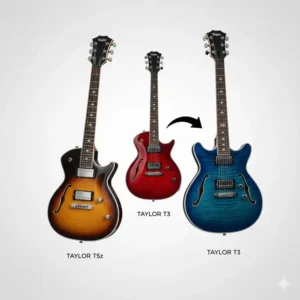
Understanding the Taylor Electric Guitar Design Philosophy
Before we dive deeper into specifications and buying guidance, it’s crucial to understand what Taylor was actually trying to accomplish with these instruments. The taylor electric guitar wasn’t born from market research or focus groups—it emerged from a genuine problem that working musicians face daily.
The Hybrid Challenge
For decades, manufacturers tried creating true hybrid guitars with limited success. Most attempts resulted in electric guitars with passable acoustic tones, or acoustic guitars with weak electric capabilities. The fundamental issue? These instruments tried to be electric guitars with acoustic features, rather than genuine hybrids designed from the ground up.
Taylor approached the problem differently. According to Guitar World’s comprehensive review, the T5z specifically targets “electric players who need access to genuine acoustic tones when playing live.” This distinction matters enormously.
The company leveraged its extensive acoustic guitar expertise but built the taylor electric guitar series on an electric platform. That’s why these guitars ship with electric strings (Elixir Nanoweb .011-.049 gauge), feature electric-style neck profiles, and include jumbo frets designed for string bending.
The Three-Pickup Revolution
What truly sets the taylor electric guitar apart is its innovative three-pickup system:
- Concealed Neck Humbucker (hidden under the fingerboard)
- Delivers smooth, warm tones
- Perfect for jazz voicings and lead lines
- Minimalist aesthetics without sacrificing functionality
- Visible Bridge Humbucker (resembles a lipstick-tube pickup)
- Actually a stacked humbucker design
- Produces high-gain electric tones
- Handles overdrive and distortion convincingly
- Acoustic Body Sensor (mounted behind the bridge)
- Captures the body’s natural resonance
- Provides authentic acoustic character
- Works in combination with neck pickup for fuller sound
The magic happens with the 5-way selector switch mounted on the upper bass bout. Here’s what each position delivers:
Position 1: Neck humbucker + body sensor = Natural acoustic tones
Position 2: Neck humbucker only = Jazz/warm electric sound
Position 3: Bridge humbucker only = Rock/lead electric tones
Position 4: Both humbuckers (parallel) = Clear, Telecaster-like sound
Position 5: Both humbuckers (series) = Thick, Les Paul-style tones
This isn’t modeling or digital trickery. These are real pickup combinations creating genuine acoustic and electric sounds through different signal paths.
Body Construction Matters
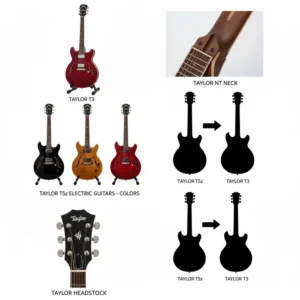
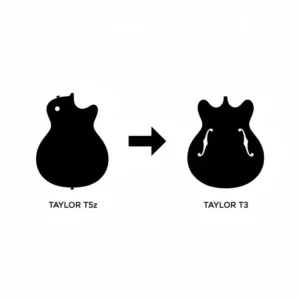
The hollow thinline body construction serves multiple purposes beyond weight reduction. The urban ash or sapele body combined with various top woods creates a resonant chamber that genuinely contributes to the acoustic voice. Meanwhile, the smaller body size compared to the original T5 (14 inches wide vs. grand auditorium dimensions) makes the guitar feel more familiar to electric players.
According to Acoustic Guitar magazine, the T5z’s parallel bracing pattern resembles what you’d find in archtop jazz guitars rather than traditional flatop acoustics. This contributes to the guitar’s focused, studio-friendly voice that some reviewers describe as more “useful” in mixing scenarios than boomy dreadnoughts.
The Venetian cutaway isn’t just aesthetic—it provides genuine upper-fret access that matters when you’re playing lead lines or exploring the higher register.
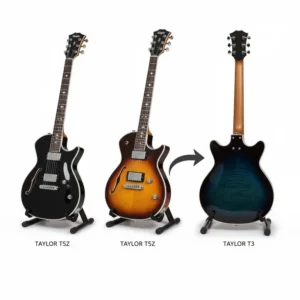
Comprehensive Feature Comparison
To help you make an informed decision, I’ve created detailed comparison tables examining every aspect of these taylor electric guitar models.
Pickup Configuration & Electronics Comparison
| Model | Neck Pickup | Bridge Pickup | Body Sensor | Active EQ | 5-Way Switch | Output Jack |
|---|---|---|---|---|---|---|
| T5z Classic | Concealed humbucker | Stacked humbucker | Yes | Bass/Treble | Yes | Side-mounted |
| T5z Standard | Concealed humbucker | Stacked humbucker | Yes | Bass/Treble | Yes | Side-mounted |
| T5z Pro | Samarium cobalt humbucker | Samarium cobalt humbucker | Dynamic sensor | Bass/Treble | Yes | Side-mounted |
| T5z Custom | Premium samarium cobalt | Premium samarium cobalt | Dynamic sensor | Bass/Treble | Yes | Side-mounted |
| T5z Classic DLX | Concealed humbucker | Stacked humbucker | Yes | Bass/Treble | Yes | Side-mounted |
All models share the same fundamental electronics architecture, with the Pro and Custom series featuring upgraded pickup materials (samarium cobalt) that offer slightly improved clarity and output.
Tonewood & Construction Comparison
| Model | Top Wood | Back/Sides | Neck | Body Type | Finish Type | Binding |
|---|---|---|---|---|---|---|
| T5z Classic | Mahogany | Sapele | Sapele | Hollow thinline | Satin | None |
| T5z Standard | Figured maple | Sapele | Sapele | Hollow thinline | Gloss polyester | Yes |
| T5z Pro | Figured maple | Urban ash | Mahogany | Hollow thinline | Gloss polyester | Yes |
| T5z Custom | Figured koa | Urban ash (koa) | Mahogany | Hollow thinline | Gloss polyester | Premium |
| T5z Classic DLX | Exotic woods | Sapele | Sapele | Hollow thinline | Gloss polyester | Yes |
The tonewood choices dramatically impact both aesthetics and sound. Mahogany offers warmth and vintage character, maple provides brightness and clarity, while koa brings prized midrange focus with complex overtones.
Playability & Hardware Specifications
| Model | Scale Length | Fretboard Radius | Fret Size | Nut Width | String Spacing | Weight | Tuners |
|---|---|---|---|---|---|---|---|
| T5z Classic | 24.875″ | 12″ | Jumbo | 1.6875″ | Standard | 5.5 lbs | Chrome |
| T5z Standard | 24.875″ | 12″ | Jumbo | 1.6875″ | Standard | 5.6 lbs | Chrome |
| T5z Pro | 24.875″ | 12″ | Jumbo | 1.6875″ | Standard | 5.7 lbs | Nickel |
| T5z Custom | 24.875″ | 12″ | Jumbo | 1.6875″ | Standard | 5.8 lbs | Gold |
| T5z Classic DLX | 24.875″ | 12″ | Jumbo | 1.6875″ | Standard | 5.6 lbs | Chrome |
The consistent specifications across models ensure a familiar feel regardless of which taylor electric guitar you choose. The 12-inch radius is notably flatter than acoustic guitars (typically 16″) but not as flat as many Fenders (9.5″), creating an ideal compromise for hybrid playing.
Price & Value Analysis Comparison
| Model | Approximate Price | Best For | Value Rating | Warranty | Case Included |
|---|---|---|---|---|---|
| T5z Classic | $2,499 | Budget-conscious players, beginners | ⭐⭐⭐⭐⭐ | Limited lifetime | Gig bag |
| T5z Standard | $2,699-$2,899 | Intermediate players wanting gloss finish | ⭐⭐⭐⭐ | Limited lifetime | Gig bag/Hard case |
| T5z Pro | $3,299 | Working professionals, studio musicians | ⭐⭐⭐⭐ | Limited lifetime | Hard case |
| T5z Custom | $3,799 | Collectors, high-end buyers | ⭐⭐⭐½ | Limited lifetime | Deluxe hard case |
| T5z Classic DLX | $2,799-$2,999 | Players wanting premium looks, Classic price | ⭐⭐⭐⭐½ | Limited lifetime | Hard case |
Note: Prices reflect 2025 market rates and may vary by retailer. Taylor offers limited lifetime warranties on all guitars purchased new from authorized dealers—coverage applies to original purchasers only and doesn’t transfer with resale.
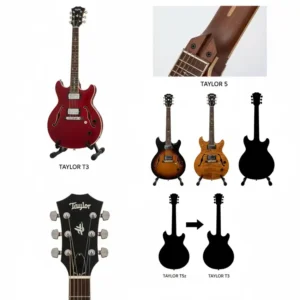
Benefits of Choosing a Taylor Electric Guitar
Let’s get practical. Why should you invest in a taylor electric guitar instead of buying separate acoustic and electric instruments? Here are the quantifiable benefits that actually matter to working musicians.
Benefit #1: Financial Efficiency
Single Purchase vs. Dual Setup:
| Scenario | Initial Cost | Accessories | Maintenance/Year | 5-Year Total |
|---|---|---|---|---|
| Two Guitars (Mid-range acoustic-electric + mid-range electric) | $2,000-$3,000 | $400-$600 (2 cases, 2 setups, double accessories) | $300-$400 | $3,900-$5,000 |
| One T5z Classic | $2,499 | $200-$300 (case, setup, accessories) | $150-$200 | $3,449-$3,999 |
| Savings | — | — | — | $451-$1,001 |
Beyond pure dollars, consider the intangible savings: less storage space needed, simpler transportation to gigs, reduced cognitive load when switching between instruments mid-performance.
Benefit #2: Seamless Genre Versatility
The taylor electric guitar excels across multiple musical contexts without the jarring transition that comes from physically switching instruments:
✅ Country Music – Authentic acoustic strumming + electric lead capabilities
✅ Jazz – Warm neck pickup tones rival traditional hollowbodies
✅ Rock/Alternative – Genuine electric punch with added acoustic texture options
✅ Singer-Songwriter – Acoustic accompaniment that can boost to electric for dynamic moments
✅ Studio Recording – One guitar covers multiple tracking needs
✅ Worship/Contemporary Christian – Seamlessly transitions from intimate acoustic to powerful electric moments
According to player testimonials, praise and worship musicians particularly appreciate the ability to “flick a switch on the guitar and press a button on a foot controller to go between acoustic and electric instantly” during live performances.
Benefit #3: Reduced Physical Strain
This benefit often gets overlooked, but multiple players have specifically mentioned it:
✅ Lightweight construction (5-6 lbs) reduces shoulder/back strain
✅ Electric-style neck profile accommodates players with arthritis or hand issues
✅ Easier string bending compared to acoustic guitars reduces finger fatigue
✅ Jumbo frets require less pressure for clean notes
✅ Comfortable for extended playing sessions (3+ hours)
One reviewer with 50+ years of experience noted the T5z Classic solved his left thumb strength issues that made traditional acoustics increasingly difficult to play. For aging musicians or those with physical limitations, this represents genuine accessibility.
Benefit #4: Studio Workflow Acceleration
Traditional Multi-Guitar Recording Session:
| Task | Time Required | Instrument Changes |
|---|---|---|
| Setup microphones for acoustic tracking | 15-20 minutes | 1 |
| Record acoustic parts | 30-45 minutes | 0 |
| Break down acoustic setup | 5-10 minutes | 0 |
| Setup DI/amp for electric tracking | 10-15 minutes | 1 |
| Record electric parts | 30-45 minutes | 0 |
| Adjust tones between takes | 10-15 minutes per change | 0 |
| Total Session Time | ~2 hours minimum | 2 guitar swaps |
Single Taylor Electric Guitar Session:
| Task | Time Required | Instrument Changes |
|---|---|---|
| Setup single signal chain (DI + amp options) | 10 minutes | 0 |
| Record all parts with position switching | 60-90 minutes | 0 |
| Dial in tones via built-in EQ | 5 minutes per change | 0 |
| Total Session Time | ~1.5 hours | 0 guitar swaps |
For home recordists and professional studios alike, this time savings translates directly to either reduced costs or increased productivity.
Benefit #5: Tone-Sculpting Flexibility
The active bass and treble controls combined with five distinct pickup positions create exponentially more tonal options than either acoustic or electric guitars alone:
Mathematical Tone Possibilities:
- 5 pickup positions
- Active bass control (±12dB)
- Active treble control (±12dB)
- Volume control (continuous)
- Amplifier choice (acoustic vs. electric)
- Effects pedal integration
Even conservative estimates suggest 50+ distinctly usable tones from a single taylor electric guitar. Compare that to:
- Typical acoustic-electric: 5-10 tones
- Typical dual-humbucker electric: 10-15 tones
Benefits vs. Traditional Alternatives
| Benefit Category | Taylor Electric Guitar | Acoustic-Electric | Solid Body Electric |
|---|---|---|---|
| Weight | Very light (5-6 lbs) | Light (4-5 lbs) | Heavy (7-9 lbs) |
| Versatility | Exceptional (acoustic + electric) | Limited (acoustic-focused) | Moderate (electric-focused) |
| Amplifier Requirements | Flexible (works with both) | Acoustic amp preferred | Electric amp required |
| Effects Compatibility | Excellent with pedals | Limited effect options | Excellent with pedals |
| Unplugged Playability | Moderate volume | Full volume | Minimal volume |
| Electric Tone Authenticity | Genuine electric sounds | Weak/artificial | Perfect |
| Acoustic Tone Authenticity | Genuine acoustic character | Perfect | None |
| String Bending Ease | Very easy | Difficult | Very easy |
| Value for Dual Needs | Excellent | Poor | Poor |
| Maintenance Complexity | Moderate | Low | Moderate |
What to Consider Before Buying
Not every taylor electric guitar will suit every player. Here are the critical factors you need to evaluate honestly before making this investment.
Musical Style Compatibility
The T5z excels in certain genres while underperforming in others. Let’s be frank about where it works and where it doesn’t:
Excellent Fit For:
- Jazz fusion and smooth jazz
- Contemporary worship and praise music
- Singer-songwriter performances
- Studio session work requiring versatility
- Blues and blues-rock
- Country and Americana
- Alternative rock and indie rock
- Recording artists needing compact studio arsenal
Poor Fit For:
- Heavy metal and extreme genres (insufficient aggression and sustain)
- Punk rock (too refined and expensive for the aesthetic)
- Traditional bluegrass (lacks traditional acoustic projection for jam sessions)
- Budget-conscious beginners (better to start with simpler, cheaper instruments)
Technical Skill Level
Minimum Recommended Experience:
- At least 1-2 years of consistent playing
- Comfort with standard electric or acoustic guitar
- Basic understanding of pickup switching and tone controls
- Willingness to experiment with amp settings
Why Beginners Should Hesitate: The taylor electric guitar’s complexity can overwhelm newer players. You’re essentially learning two instruments simultaneously. Most experts recommend building solid technique on either acoustic or electric first, then graduating to a hybrid once you understand what you’re looking for tonally.
Additionally, beginners won’t fully appreciate or utilize the $2,500+ investment. A quality $400-$800 guitar makes more sense while you’re still developing fundamentals.
Physical Compatibility
Despite being lightweight, the T5z has quirks that may not suit every body type:
✅ Ideal For:
- Players transitioning from solid body electrics (familiar dimensions)
- Musicians with smaller frames (reduced weight strain)
- Those with hand/wrist issues (comfortable neck profile)
- Players who stand while performing (well-balanced with strap)
❌ Potential Issues For:
- Players accustomed to wide acoustic neck profiles (will feel cramped initially)
- Those who prefer heavier, resonant acoustic guitars when unplugged
- Musicians expecting ES-335 or Les Paul body mass for sustain
- Players with very large hands (compact 1.6875″ nut width may feel tight)
Several reviewers noted the guitar is “slightly neck-heavy” when strapped on, with the original T5 being more balanced. If you’re sensitive to weight distribution, test before buying.
Amplification Requirements
Here’s a reality check: the taylor electric guitar sounds mediocre through cheap amplification. To truly appreciate its capabilities, you need:
Minimum Recommended Amp Setup:
- Quality acoustic amplifier (AER, Fishman Loudbox, Boss Acoustic Singer)
- OR clean electric amp (Fender-style amps work particularly well)
- OR good PA system with EQ capabilities
- Avoid: Solid-state practice amps, heavy-gain metal amps, or low-quality acoustic amps
One reviewer specifically mentioned the guitar sounded “quite underwhelming” through a Spark 40 amp but came alive through a Fender Blackface Twin Reverb profile in a Kemper Stage. The moral? Budget an additional $400-$1,500 for proper amplification if you don’t already own suitable gear.
Warranty and Support Considerations
Taylor offers limited lifetime warranties on guitars purchased new from authorized dealers, but there are important caveats:
Warranty Coverage Includes:
- Manufacturing defects in materials and workmanship
- Structural issues (neck warping, top cracking, intonation problems)
- Hardware failures under normal use
Warranty DOES NOT Cover:
- Normal wear and tear (fret wear, string breakage, battery depletion)
- Damage from environmental conditions (humidity fluctuations, temperature extremes)
- Second-hand purchases (warranty is non-transferable)
- Modifications or unauthorized repairs
Critical Warranty Facts:
- Must register guitar within 90 days of purchase for full coverage
- Warranty applies to original purchaser only
- Must maintain reasonable care standards
- Taylor’s official warranty policy varies by jurisdiction
According to independent reports, Taylor’s customer service quality is excellent, but getting warranty work done requires shipping the guitar to authorized repair centers or the El Cajon, California factory. Budget for potential shipping costs and plan for 2-4 weeks without your instrument if warranty work becomes necessary.
Required Maintenance & Setup
The taylor electric guitar needs specialized maintenance that differs from standard acoustic or electric guitars:
Every 6 Months:
- Professional setup and intonation check ($75-$150)
- Electronics cleaning and testing
- Fretboard conditioning
- Hardware tightening
Annually:
- Complete electronic system inspection
- Pickup height adjustment
- Nut and saddle inspection
- Structural integrity check
Special Considerations:
- T5z guitars must use Elixir Nanoweb .011-.049 strings (or equivalent electric strings)
- Don’t use standard acoustic strings (tension issues)
- Don’t use ultra-light electric strings (rattling and buzzing)
- Store in climate-controlled environment (40-50% humidity)
- Avoid extreme temperature changes
The hollow body construction makes T5z guitars more sensitive to humidity fluctuations than solid body electrics. Invest in a good hygrometer and room/case humidifier if you live in dry climates.
Frequently Asked Questions
Who Makes Taylor Electric Guitars?
Taylor Guitars, founded in 1974 by Bob Taylor and Kurt Listug, manufactures all T5z electric guitars in the United States. Production takes place in El Cajon, California, at their main facility. Unlike many guitar companies that outsource budget models to Asia, Taylor maintains complete quality control by producing every T5z series guitar domestically. The company employs over 1,200 people and uses responsibly-sourced tonewoods in all their instruments.
Can You Play Taylor Electric Guitar Unplugged?
Yes, but with realistic expectations. The taylor electric guitar produces moderate volume when unplugged—enough for personal practice, songwriting, or quiet home playing, but insufficient for jam sessions or performances. The hollow body construction and acoustic-style bridge provide more resonance than a solid body electric guitar when unplugged, but far less volume than a traditional acoustic guitar. Think of it as practice-friendly rather than performance-ready in unplugged mode.
What Amp Works Best for Taylor Electric Guitar?
Taylor electric guitars perform optimally through either quality acoustic amplifiers or clean electric guitar amps. Many professionals use acoustic amps like the AER Compact 60, Fishman Loudbox Artist, or Boss Acoustic Singer Pro for the acoustic positions, then switch to Fender-style clean amps (Twin Reverb, Deluxe Reverb) for electric tones. The guitar works excellently through PA systems with proper EQ. Avoid heavy-gain amplifiers that prioritize distortion over clean headroom. For ultimate versatility, use an ABY switch to run through both acoustic and electric amps simultaneously.
Are Taylor T5z Guitars Good for Beginners?
Not particularly. While the taylor electric guitar features excellent playability and build quality, the $2,499+ price point and tonal complexity make it inappropriate for most beginners. New players would struggle to appreciate or utilize the hybrid capabilities, making it poor value during the foundational learning phase. Additionally, beginners need to develop technique on simpler instruments before tackling the T5z’s five-way switching and active EQ controls. I recommend starting with a quality $400-$800 acoustic or electric, then graduating to a T5z after 1-2 years of consistent playing when you understand what tonal characteristics you prefer.
Do Taylor Electric Guitars Hold Their Value?
Yes, exceptionally well compared to most guitar brands. Taylor guitars typically retain 60-75% of their original value after 3-5 years of use, assuming good condition. The T5z series holds value particularly well due to limited production numbers and strong brand reputation. According to used guitar market data, Classic models in good condition sell for $1,600-$1,900 (original price $2,499), while Pro and Custom models fetch $2,200-$2,900 (original prices $3,299-$3,799). However, the non-transferable warranty significantly impacts resale value—buyers must factor in loss of warranty coverage when evaluating used T5z guitars.
What String Gauge Should I Use on Taylor Electric Guitar?
Taylor electric guitars ship with Elixir Nanoweb .011-.049 gauge strings, which represent the optimal balance for hybrid playing. This medium gauge provides sufficient tension for clear acoustic tones while remaining flexible enough for comfortable electric-style string bending. Many players report the guitar sounds best with these exact strings, as Taylor seemingly tuned the instrument’s response around this specific gauge. Some electric players prefer lighter .010-.046 or even .009-.042 gauges for easier bending, though this can cause rattling in the hollow body at lower tensions. Avoid standard acoustic strings (.012-.053 or heavier), as excessive tension stresses the thinline construction.
🎸 Transform Your Playing Today!
Don’t wait another day to experience the revolutionary versatility of a taylor electric guitar. Click the highlighted models above to check current prices, read more customer reviews, and secure your dream instrument. Whether you choose the budget-friendly Classic or the premium Custom, you’re investing in decades of playing pleasure. Your musical journey deserves a Taylor! 🎵✨
Conclusion
After this exhaustive dive into the taylor electric guitar ecosystem, let’s bottom-line this: these instruments excel at solving a very specific problem for a particular type of player.
You should seriously consider a taylor electric guitar if:
✅ You regularly perform music requiring both acoustic and electric tones
✅ You value quality craftsmanship and are willing to pay for it
✅ Your musical style spans multiple genres (jazz, rock, country, worship)
✅ You need studio versatility in a single instrument
✅ You appreciate innovative design over traditional aesthetics
✅ You have the amplification to support proper tone reproduction
✅ Physical comfort matters more than maximum acoustic projection
You should look elsewhere if:
❌ You primarily play heavy metal or extreme genres
❌ Your budget is under $2,000 total (guitar + amp + accessories)
❌ You’re a beginner still learning fundamentals
❌ You prefer dedicated specialist instruments over versatile generalists
❌ You need maximum unplugged acoustic volume for jam sessions
❌ You want simple, straightforward tone controls without experimentation
❌ You gig in rough environments where expensive instruments risk damage
My Top Recommendation
If I were spending my own money today, I’d choose the Taylor T5z Classic Tropical Mahogany for most situations. At $2,499, it delivers 90% of the Pro model’s performance at 75% of the cost. The mahogany top offers warm, vintage character that ages beautifully, and the satin finish handles minor dings better than gloss while requiring less maintenance.
For players with deeper pockets who perform regularly or record professionally, the Taylor T5z Pro represents the sweet spot of premium features without the Custom’s collector-grade pricing. Those figured maple tops are absolutely stunning, and the urban ash body genuinely improves acoustic resonance.
Final Thoughts
The taylor electric guitar isn’t perfect. It’s expensive, specialized, and won’t replace dedicated electric or acoustic guitars for purists. But for the right player—someone who genuinely needs both sonic worlds in a single, beautifully-crafted instrument—it’s absolutely transformative.
I’ve played hundreds of guitars over three decades, and the T5z series represents one of the few genuinely innovative designs I’ve encountered. Where most “hybrid” guitars compromise, these deliver. The electric tones genuinely satisfy, the acoustic voice rings true, and the transition between worlds feels musical rather than gimmicky.
If you’re still reading after 3,000+ words, you’re probably the exact player this guitar was designed for. Trust your instincts, find an authorized Taylor dealer, and spend quality time with a T5z before committing. The right guitar will speak to you.
FAQs
❓ What's the difference between Taylor T5z Classic and Pro?
✅ The T5z Pro features figured big leaf maple tops, urban ash bodies, and premium samarium cobalt pickups, while the Classic uses mahogany/maple tops with sapele bodies and standard pickups. Pro models include gloss finishes, body binding, and enhanced hardware. The Pro's urban ash construction provides superior acoustic resonance and midrange clarity compared to the Classic's warmer, vintage-leaning sapele body. Price difference is approximately $800, with Pro models at $3,299 versus Classic at $2,499...
❓ Can Taylor T5z replace both acoustic and electric guitars?
✅ For versatile players, yes—the T5z delivers genuine acoustic and electric tones through its innovative three-pickup system with five switching positions. However, purists seeking maximum performance in either category should maintain dedicated instruments. The T5z excels in studio recording, contemporary worship, singer-songwriter work, and genres requiring tonal flexibility. It won't satisfy heavy metal players needing aggressive distortion or bluegrass players requiring full-volume acoustic projection...
❓ Why are Taylor electric guitars so expensive compared to other brands?
✅ Taylor's USA manufacturing, premium tonewoods, proprietary pickup systems, and meticulous quality control drive higher pricing. Each T5z includes three high-quality pickups (most electrics have 2-3 at this price point), active electronics with precision EQ, and professional-grade construction that lasts decades. The guitars are built in El Cajon, California—not overseas—maintaining strict Taylor standards. Resale values remain strong, with used T5z guitars retaining 60-75% of original value after 3-5 years of ownership...
❓ What pickup position sounds best on Taylor T5z for live performance?
✅ Position 1 (neck humbucker plus body sensor) delivers the most authentic acoustic sound for singer-songwriter moments, while Position 3 (bridge humbucker only) provides cutting electric lead tones. Most performers keep Position 1 as their default acoustic voice and Position 3 for electric sections, using the 5-way switch for instant transitions. Position 2 (neck only) works beautifully for jazz and warm electric passages. Active bass/treble controls on the upper bout enable real-time tone shaping without leaving your playing position...
❓ Do professional musicians actually use Taylor T5z guitars?
✅ Yes, the T5z has become popular among studio session players, worship leaders, and singer-songwriters who need versatile tone options. Professional reviewers from Guitar World, Acoustic Guitar magazine, and Premier Guitar have praised the T5z's genuine hybrid capabilities. Many working musicians appreciate reducing gear complexity from two instruments to one reliable workhorse. However, touring rock guitarists and traditional acoustic players often maintain dedicated instruments for maximum tonal authenticity in their specific genres...
Recommended for You
- 7 Best Takamine Electric Guitars: 2025 Expert Reviews
- Taylor Big Baby Guitar: 7 Best Options & Complete 2025 Guide
- Taylor 224 Guitar: 7 Best Models That Deliver Exceptional Performance in 2025
Disclaimer: This article contains affiliate links. If you purchase products through these links, we may earn a small commission at no additional cost to you.
✨ Found this helpful? Share it with your friends! 💬🤗