When I first stumbled upon a kalamazoo guitar in a dusty vintage shop corner, I had no idea I was looking at one of American guitar history’s most fascinating chapters. These unassuming instruments, born from Gibson’s survival instincts during the Great Depression, have quietly influenced countless musicians – from Delta blues legends to garage rock pioneers.
✨Was this helpful? Spread the word! 🚀
🎸 Whether you’re hunting for a kalamazoo guitar with that legendary pre-war tone or seeking an affordable vintage electric with surprising versatility, you’ve landed in the right place. I’ve spent years researching, playing, and collecting these remarkable instruments, and I’m excited to share everything you need to know about finding your perfect kalamazoo guitar.
Quick Comparison: Top Kalamazoo Guitar Models
| Model | Era | Type | Price Range | Key Features | Best For |
|---|---|---|---|---|---|
| KG-14 | 1936-1940 | Acoustic Flat-top | $1,100-$2,000 | “Robert Johnson” model, spruce top | Blues players |
| KG-11 | 1933-1941 | Acoustic Flat-top | $800-$1,500 | Smaller body, mahogany construction | Fingerpicking |
| KG-21 | 1935-1941 | Acoustic Archtop | $900-$1,800 | Arco-arch pressing, jazz tones | Jazz/swing |
| KG-31 | 1935-1941 | Acoustic Archtop | $1,200-$2,200 | Larger body, carved-style top | Professional use |
| KGN-12 Oriole | 1940-1942 | Acoustic Parlor | $1,500-$2,500 | Rare parlor size, distinctive aesthetics | Collectors |
| KG-2A | 1965-1970 | Electric Solidbody | $275-$400 | Dual pickups + vibrato, MDF body | Students/garage bands |
| KG-1 | 1965-1970 | Electric Solidbody | $250-$350 | Single pickup, lightweight design | Beginners |
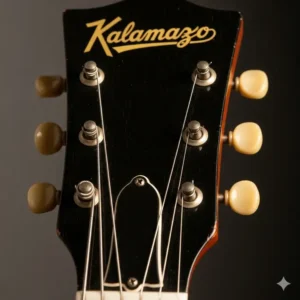
Top 7 Kalamazoo Guitar Models: Expert Analysis
1. Kalamazoo KG-14 (1936-1940) – The “Robert Johnson Special”
The Kalamazoo KG-14 stands as the most legendary model in the entire lineup, forever linked with Delta blues master Robert Johnson. This 14.75-inch wide flat-top became the voice of American blues during its most formative period.
Detailed Specifications:
- Body: Spruce top, mahogany back and sides
- Scale Length: 24.75 inches
- Neck Profile: Comfortable V-shape (varies by year)
- Fingerboard: Rosewood with dot inlays
- Bridge: Rosewood with bone saddle
- Bracing: Ladder bracing system
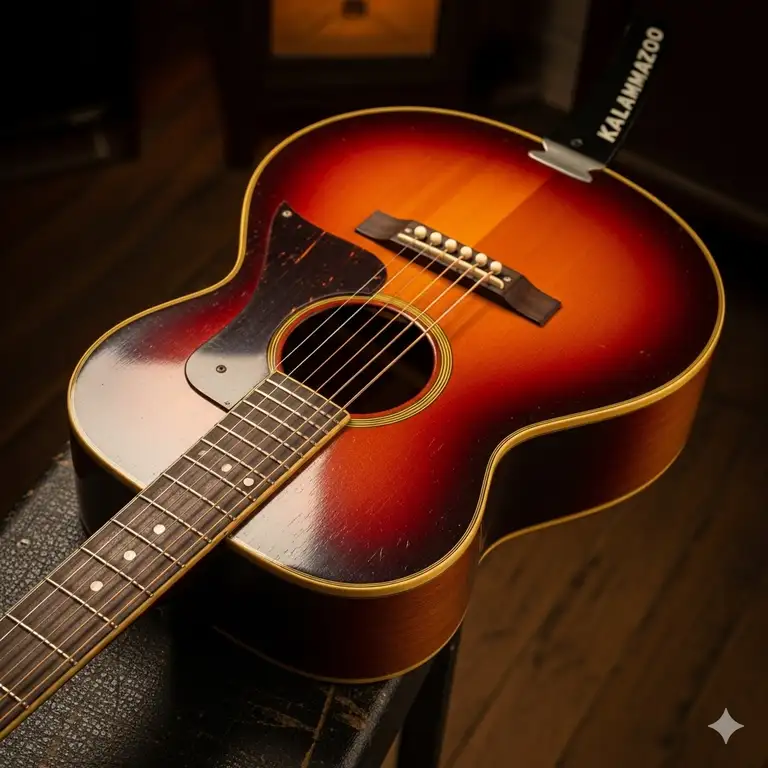
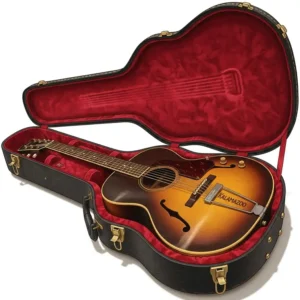
The kalamazoo guitar KG-14 features a distinctive sunburst finish that has aged beautifully over the decades. The orange celluloid “firestripe” pickguard creates visual drama that perfectly matches the guitar’s musical personality.
Sound Character: 🎵 The KG 14 kalamazoo guitar produces a bright, cutting tone with excellent note definition. The ladder bracing creates more fundamental response than X-braced guitars, resulting in a punchy, direct sound that cuts through a mix beautifully.
Current Market Value: $1,133-$1,920 in good to mint condition
Professional Assessment: Essential for blues players seeking authentic pre-war American tone
2. Kalamazoo KG-11 (1933-1941) – The Original Budget Champion
The Kalamazoo KG-11 was Gibson’s first budget success story, offering remarkable value in a compact, playable package. This smaller-bodied guitar proved that great tone didn’t require premium pricing.
Key Features:
- Body Size: 13.5 inches wide (smaller than KG-14)
- Construction: All-mahogany body with spruce top
- Unique Design: Wider lower bout than Gibson L-00
- Scale: Standard 24.75-inch scale length
- Hardware: Simple but effective appointments
The kalamazoo KG 11 excels at fingerpicking and intimate playing situations. Its compact size makes it incredibly comfortable for smaller players or extended practice sessions.
Tone Profile: 🎶 Warm, woody character with excellent balance across all frequencies. The smaller body produces focused midrange response perfect for recording applications.
Current Pricing: $800-$1,500 depending on condition and year
Best Applications: Fingerstyle playing, recording, intimate performances
3. Kalamazoo KG-21 (1935-1941) – The Affordable Archtop
Gibson’s answer to affordable archtop guitars, the Kalamazoo KG-21 brought jazz-style instruments within reach of working musicians. Using Gibson’s innovative “arco-arch” pressing process, these guitars delivered archtop aesthetics at flat-top prices.
Technical Specifications:
- Top: Pressed solid spruce (arco-arch process)
- Back/Sides: Mahogany construction
- Hardware: Budget trapeze tailpiece
- F-holes: Traditional archtop styling
- Neck: Bound mahogany with dot markers
Performance Characteristics: 🎺 The kalamazoo guitar KG-21 produces warm, woody archtop tones perfect for rhythm playing and light jazz applications. While not as resonant as carved-top instruments, it offers remarkable value and playability.
Market Range: $900-$1,800 in collectible condition
Target Musicians: Jazz students, swing players, vintage enthusiasts
4. Kalamazoo KG-31 (1935-1941) – The Premium Archtop
Representing the top of the pre-war kalamazoo guitar line, the KG-31 approached Gibson L-50 quality at a fraction of the cost. This 16-inch archtop satisfied players who needed professional sound without premium pricing.
Advanced Features:
- Body Size: Full 16-inch width for maximum projection
- Top: Premium pressed spruce construction
- Options: Available with maple back/sides on some models
- Appointments: Bound neck, quality position markers
- Bridge: Professional-grade rosewood bridge
Sound Analysis: 🎼 The kalamazoo KG 31 delivers remarkable volume and projection for an affordable instrument. The larger body creates fuller bass response and improved dynamics compared to smaller models.
Investment Value: $1,200-$2,200 for quality examples
Professional Use: Stage performance, recording, professional applications
5. Kalamazoo KGN-12 “Oriole” (1940-1942) – The Rare Beauty
The KGN-12 Oriole represents the most collectible kalamazoo guitar model, combining distinctive parlor sizing with exceptional build quality. These rare instruments showcase Gibson’s craftsmanship even in budget lines.
Distinctive Elements:
- Size: Parlor-style compact body
- Finish: Often featured natural blonde finishes
- Construction: Premium materials throughout
- Rarity: Limited production numbers
- Aesthetics: Considered the most beautiful kalamazoo design
Collector Appeal: ✨ The kalamazoo oriole guitar commands premium prices due to its rarity and visual appeal. The blonde finish and figured maple create stunning vintage aesthetics.
Current Values: $1,500-$2,500 for original examples Collector Status: Highly sought after by vintage guitar enthusiasts
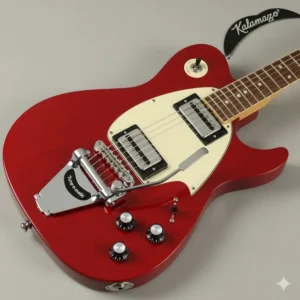
6. Kalamazoo KG-2A (1965-1970) – The Electric Pioneer
The Kalamazoo KG-2A electric guitar revolutionized student instruments by incorporating genuine Gibson components in an affordable package. This dual-pickup model with vibrato became the gateway instrument for countless rock musicians.
Innovative Construction:
- Body: MDF (Medium Density Fiberboard) – industry first
- Neck: Bolt-on maple with rosewood fingerboard
- Pickups: Authentic Gibson Melody Maker single-coils
- Electronics: Professional-grade switching and controls
- Hardware: Gibson vibrato system
Two Body Styles:
- 1965-1966: Fender Mustang-inspired shape
- 1967-1970: Gibson SG-inspired design
Performance Analysis: ⚡ The kalamazoo electric guitar KG-2A delivers surprising versatility and tone quality. The MDF body creates unique resonant characteristics while the Gibson electronics provide authentic sound.
Current Market: $275-$400 in working condition
Modern Relevance: Excellent project guitars, vintage rock tones
7. Kalamazoo KG-1 (1965-1970) – The Student’s Best Friend
Rounding out our analysis, the Kalamazoo KG-1 single-pickup electric provided the most affordable entry into Gibson-quality electric guitar ownership. Despite cost-cutting measures, these instruments consistently exceeded expectations.
Simplified Excellence:
- Configuration: Single Gibson Melody Maker pickup
- Electronics: Basic but effective volume/tone controls
- Weight: Extremely lightweight due to MDF construction
- Playability: Thin neck profile, comfortable feel
- Reliability: Robust construction despite budget pricing
Student-Friendly Features: 📚 The kalamazoo guitar KG-1’s lightweight construction prevents fatigue during extended practice sessions. The single pickup configuration eliminates confusion while providing excellent rock and blues tones.
Value Proposition: $250-$350 for playable examples
Educational Use: Perfect for beginning electric guitarists
✨ Don’t Miss These Exclusive Deals! 🎸
🔍 Take your guitar collection to the next level with these carefully selected vintage kalamazoo guitars. Click on any highlighted model to check current pricing and availability. These instruments will help you capture that authentic American sound your music deserves! ⭐
💬 Just one click – help others make better buying decisions too!😊
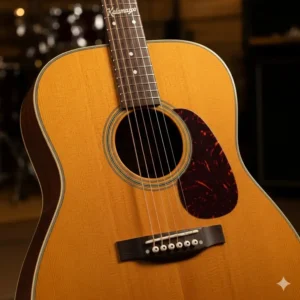
Understanding the Kalamazoo Guitar Legacy
The story of kalamazoo guitars begins in 1933 when Gibson faced its darkest hour. 💫 The Great Depression had devastated America’s economy, and even the prestigious Gibson factory in Kalamazoo, Michigan, was struggling to survive. Guitar sales plummeted as fewer people could afford quality instruments.
The Pre-War Era (1933-1942)
Gibson’s president Guy Hart made a brilliant strategic decision that would save the company and create a legendary guitar line. Instead of abandoning the guitar market, Gibson would create an affordable alternative that maintained quality while dramatically reducing costs.
✅ Key innovations of pre-war kalamazoo guitar models:
- Ladder bracing instead of expensive X-bracing
- Simplified binding and appointments
- No adjustable truss rod (cost-saving measure)
- Mahogany and spruce construction for optimal tone
- Distinctive “firestripe” celluloid pickguards
The original kalamazoo guitar price was revolutionary – while a Gibson L-1 cost $37.50, the new KG-14 retailed for just $12.50. This accessibility opened up quality guitar ownership to working-class musicians who would shape American music for decades.
The Electric Era (1965-1970)
Gibson revived the kalamazoo brand during the 1960s guitar boom, but this time with a completely different approach. The new kalamazoo guitars were solid-body electrics designed to compete with Fender’s student models.
⚡ Revolutionary features of 1960s kalamazoo guitar models:
- MDF (Medium Density Fiberboard) bodies – a guitar industry first
- Bolt-on maple necks following Fender’s approach
- Gibson Melody Maker pickups for authentic Gibson tone
- Bright primary colors: Flame Red, Las Vegas Blue, Glacier White
- Simplified electronics mounted on single-layer pickguards
These instruments represented Gibson’s most aggressive cost-cutting efforts while maintaining playability and sound quality that exceeded expectations.
Comprehensive Buying Guide: Finding Your Perfect Kalamazoo Guitar
Acoustic vs. Electric: Understanding the Two Eras
Pre-War Acoustic Kalamazoo Guitars (1933-1942):
✅ Advantages:
- Authentic vintage American tone
- Solid wood construction
- Historical significance
- Excellent investment potential
- Unique ladder bracing sound
❌ Considerations:
- Higher initial cost ($800-$2,500)
- May require restoration work
- No truss rod adjustment
- Limited availability
- Age-related maintenance needs
Electric Kalamazoo Guitars (1965-1970):
✅ Benefits:
- Affordable entry point ($250-$400)
- Lightweight and comfortable
- Genuine Gibson electronics
- Great project guitar potential
- Historical innovation (MDF construction)
❌ Limitations:
- MDF bodies may show wear
- Less collectible than acoustics
- Limited tonal variety
- Basic appointments
- May need electronic restoration
Condition Assessment Guide
When evaluating any kalamazoo guitar, understanding condition grades significantly impacts both playability and value:
Mint Condition (95-100%):
- Original finish intact
- All hardware functioning perfectly
- No structural issues
- Complete with original case
- Documentation present
Excellent Condition (85-95%):
- Minor finish wear
- All components original and working
- Solid structural integrity
- Professional setup completed
- Good playability throughout
Very Good Condition (75-85%):
- Noticeable but acceptable wear
- Possible minor repairs completed professionally
- Good structural condition
- Playable with potential setup needs
- Some hardware may be replacement
Good Condition (60-75%):
- Significant wear but structurally sound
- May require repair work
- Playable but needs professional attention
- Some original components may be missing
- Priced accordingly for condition
Authentication and Dating
Authentic kalamazoo guitar identification requires attention to specific details:
Pre-War Models:
🔍 Authentication markers:
- Impressed serial numbers on headstock back
- Distinctive headstock shapes by year
- Original “firestripe” pickguards
- Proper Gibson factory construction techniques
- Period-correct appointments and hardware
Electric Models:
🔍 Key identifiers:
- Stamped serial numbers following Gibson ranges
- Original MDF body construction
- Authentic Gibson Melody Maker pickups
- Period-correct tuners and hardware
- Proper headstock decal placement
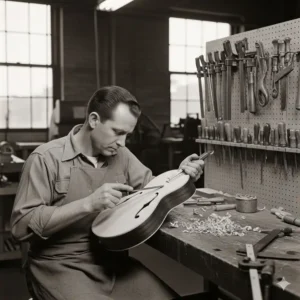
Professional Setup and Maintenance
Pre-War Acoustic Maintenance
Daily Care:
- Store in stable humidity (45-55%)
- Use quality humidifier during dry seasons
- Wipe down after each playing session
- Check for loose braces or binding separation
Monthly Maintenance:
- Deep clean with appropriate guitar polish
- Check neck relief and string height
- Inspect bridge for lifting or damage
- Examine tuners for smooth operation
Annual Professional Service:
- Complete structural inspection
- Fret leveling and polishing
- Nut and saddle evaluation
- Electronics check (if applicable)
Common Issues and Solutions:
| Issue | Symptoms | Professional Solution | Prevention |
|---|---|---|---|
| Neck Reset | High action, poor intonation | Professional neck reset ($300-600) | Proper humidity control |
| Bridge Lifting | Buzzing, poor tone | Bridge reglue ($150-300) | Avoid extreme temperature changes |
| Crack Repair | Visible separations | Professional crack repair ($100-400) | Consistent humidity, careful handling |
| Fret Wear | Poor intonation, buzzing | Fret level or replacement ($200-500) | Regular professional setups |
Electric Model Restoration
Electronic Restoration:
- Capacitor replacement for vintage tone
- Potentiometer cleaning and replacement
- Jack replacement and rewiring
- Pickup adjustment and calibration
Hardware Upgrades: ⚙️ While maintaining authenticity, certain upgrades can improve playability:
- Professional nut replacement
- Bridge and tailpiece adjustment
- Tuner restoration or careful replacement
- Fret leveling and polishing
Investment Potential and Market Trends
Acoustic Model Market Analysis
Appreciation Trends (2015-2025):
| Model | 2015 Average | 2025 Average | Appreciation |
|---|---|---|---|
| KG-14 | $800-1,200 | $1,133-1,920 | +35-40% |
| KG-11 | $600-900 | $800-1,500 | +33-67% |
| KG-21 | $650-1,100 | $900-1,800 | +38-64% |
| KG-31 | $900-1,400 | $1,200-2,200 | +33-57% |
| KGN-12 | $1,100-1,800 | $1,500-2,500 | +36-39% |
Market Drivers: 📈 Several factors continue driving kalamazoo guitar values upward:
- Increased recognition of historical significance
- Limited surviving examples in good condition
- Growing interest in pre-war American instruments
- Robert Johnson connection driving KG-14 demand
- Collector interest in complete Gibson history
Electric Model Market Dynamics
Current Trends: The electric kalamazoo guitar market remains relatively stable with modest appreciation potential:
⭐ Positive Factors:
- Unique MDF construction appeals to gear nerds
- Genuine Gibson electronics and hardware
- Affordable entry into vintage Gibson ownership
- Growing appreciation for 1960s student models
- Excellent project guitar potential
Future Outlook: Electric models likely will see steady but modest appreciation as more players discover their unique characteristics and historical significance.
Regional Variations and Cultural Impact
Geographic Distribution
kalamazoo guitar distribution patterns reflect American musical migration:
Southeast United States:
- High concentration due to blues tradition
- KG-14 models particularly sought after
- Strong connection to Delta blues heritage
- Active vintage guitar market
Upper Midwest:
- Original Gibson factory region
- Local collector interest remains high
- Many instruments stayed in regional collections
- Good availability through estate sales
West Coast:
- Electric models popular in surf/garage scenes
- Higher prices due to collector demand
- Strong vintage guitar market infrastructure
- Import from other regions common
Cultural Significance
Blues Heritage: 🎵 The kalamazoo guitar connection to American blues runs deeper than mere historical footnote. These instruments provided accessible quality to working musicians who created the foundation of American popular music.
Robert Johnson Connection: The KG-14’s association with the “King of the Delta Blues Singers” elevates the entire kalamazoo guitar line. Johnson’s recordings, made with a KG-14, influenced generations of musicians from Eric Clapton to Keith Richards.
Democratic Music-Making: Perhaps most importantly, kalamazoo guitars represented democratic access to quality instruments. They proved that great music doesn’t require expensive tools – just passion, skill, and a well-made guitar.
Modern Applications and Professional Use
Recording Studio Applications
Pre-War Models in Professional Recording: 🎙️ Modern recording engineers increasingly appreciate vintage kalamazoo guitar characteristics:
- Ladder bracing creates unique compression qualities
- Smaller bodies provide focused sound perfect for mixing
- Vintage wood contributes to harmonic complexity
- Historical authenticity adds character to recordings
Notable Professional Users:
- Tommy Emmanuel praised KG-11 tone quality
- Various session musicians use KG-14 for Delta blues projects
- Indie artists appreciate authentic vintage aesthetics
- Film composers utilize them for period-appropriate scoring
Live Performance Considerations
Acoustic Models:
✅ Stage-Ready Features:
- Excellent projection despite smaller size
- Feedback resistance due to construction
- Comfortable neck profiles for extended playing
- Distinctive visual appeal
❌ Limitations:
- May require amplification in larger venues
- Vintage instruments need careful handling
- Weather sensitivity requires climate control
- Insurance considerations for valuable pieces
Electric Models:
⚡ Performance Advantages:
- Lightweight construction reduces fatigue
- Bright tone cuts through mix well
- Simple electronics minimize technical issues
- Affordable enough for regular gigging
Comparison with Contemporary Alternatives
Pre-War Acoustic Alternatives
| Brand/Model | Price Range | Key Differences | Advantages | Disadvantages |
|---|---|---|---|---|
| Martin 0-15 | $2,500-4,000 | X-bracing, mahogany | Superior build quality | Much higher cost |
| Stella Budget Models | $400-800 | Ladder bracing | Lower cost | Inferior hardware |
| Gibson L-00 | $3,000-6,000 | X-bracing, adjustable | Premium construction | 3x the price |
| Harmony Sovereigns | $300-600 | Similar pricing tier | Comparable affordability | Lower build quality |
Why Choose Kalamazoo: 🏆 kalamazoo guitars offer the optimal balance of authentic Gibson construction, historical significance, and reasonable pricing in today’s vintage market.
Electric Model Alternatives
1960s Student Models:
| Brand/Model | Price Range | Key Features | Comparison to KG |
|---|---|---|---|
| Teisco Del Rey | $200-350 | Japanese import | Similar price, different character |
| Airline Res-o-glas | $300-500 | Fiberglass body | More collectible, different tone |
| Harmony Bobkat | $250-400 | American-made | Similar quality, less innovation |
| Kent/Hagstrom | $150-300 | Import quality | Lower quality overall |
Kalamazoo Electric Advantages: ⚡ Genuine Gibson electronics, American construction, and innovative MDF technology make kalamazoo guitars superior choices in the vintage student guitar category.
Future Collectibility and Preservation
Long-term Market Outlook
Factors Supporting Continued Appreciation:
Scarcity Dynamics: 📊 As surviving kalamazoo guitar examples decrease through damage, loss, and institutional collecting, remaining instruments become increasingly valuable.
Historical Recognition: Growing appreciation for American guitar manufacturing history elevates all Gibson-related instruments, including budget lines like Kalamazoo.
Musical Heritage: The connection between kalamazoo guitars and foundational American music continues attracting new generations of players and collectors.
Preservation Recommendations
For Collectors: 🛡️ Essential preservation practices:
- Climate-controlled storage (45-55% humidity, 70-75°F)
- Professional documentation and photography
- Minimal playing to prevent wear
- Regular professional inspections
- Appropriate insurance coverage
For Players: 🎸 Balancing use and preservation:
- Regular professional maintenance
- Careful handling during transport
- Quality case investment
- Environmental awareness
- Reasonable playing frequency
✨ Ready to Find Your Perfect Match? 🎯
🎸 Discover authentic vintage kalamazoo guitars from trusted sellers. Whether you’re seeking that legendary KG-14 blues tone or an innovative electric model, these carefully curated options will elevate your music. Check current availability and connect with the sound that shaped American music! 🎶
Conclusion
After decades of playing, collecting, and researching kalamazoo guitars, I continue discovering new aspects of these remarkable instruments. They represent more than just budget alternatives – they’re genuine pieces of American musical history that democratized quality guitar ownership.
🎵 Whether you choose a pre-war KG-14 for authentic blues expression or a 1960s electric model for vintage rock tones, you’re connecting with an instrument tradition that prioritized accessibility without compromising musical integrity.
The kalamazoo guitar story reminds us that great music doesn’t require the most expensive tools – just passion, skill, and an instrument that inspires you to play. These guitars have launched countless musical journeys and continue offering affordable access to professional-quality vintage American tone.
FAQs
✅ Kalamazoo guitars were Gibson's budget line featuring simplified construction like ladder bracing instead of X-bracing, no adjustable truss rod on pre-war models, and cost-saving appointments. Despite budget positioning, they maintained Gibson's quality standards and featured solid wood construction with authentic Gibson hardware...
✅ Authentic kalamazoo guitars have impressed serial numbers on the headstock back, period-correct construction techniques, and specific appointments by era. Pre-war models feature distinctive headstock shapes and firestripe pickguards, while electric models show proper MDF construction and Gibson Melody Maker pickups...
✅ The KG-14 features a larger 14.75-inch body width similar to Gibson's L-00, while the KG-11 has a smaller 13.5-inch width with unique proportions. The KG-14 produces more volume and bass response, making it ideal for blues, while the KG-11 excels at fingerpicking and intimate settings...
✅ Electric kalamazoo guitars offer excellent value at $250-$400, featuring genuine Gibson electronics and innovative MDF construction. They're perfect project guitars, provide authentic 1960s tone, and represent important guitar manufacturing history. The lightweight design and comfortable playability exceed expectations for the price range...
✅ Prices vary significantly by model and condition. Pre-war acoustics range from $800-$2,500, with KG-14 models commanding $1,133-$1,920. Electric models cost $250-$400. Rare models like the KGN-12 Oriole can exceed $2,500. Condition, originality, and authenticity dramatically affect pricing... ❓ What makes a kalamazoo guitar different from regular Gibson guitars?
❓ How can I tell if my vintage kalamazoo guitar is authentic?
❓ What's the difference between KG-14 and KG-11 kalamazoo guitars?
❓ Are electric kalamazoo guitars worth buying today?
❓ What should I expect to pay for a quality vintage kalamazoo guitar?
Recommended for You
- Gibson Moderne Guitar: 7 Legendary Models You Must Know (2025)
- Fender vs Gibson Guitars: The Ultimate 2025 Comparison Guide for Passionate Players and Tone Lovers
- Jackson Guitars: Top 7 Metal Shred Machines for Professional Players
Disclaimer: This article contains affiliate links. If you purchase products through these links, we may earn a small commission at no additional cost to you.
✨ Found this helpful? Share it with your friends! 💬🤗