So you’re eyeing a taylor big baby guitar, huh? Smart move. I’ve been down this rabbit hole myself, and let me tell you—finding the sweet spot between portability and sound quality isn’t as easy as it sounds. But here’s the thing: you don’t need to drop two grand on a full-size Taylor to get that signature tone everyone raves about.
✨Was this helpful? Spread the word! 🚀
The taylor big baby guitar sits in this magical middle ground where your wallet stays happy, your back doesn’t hate you when traveling, and you still get to flex that Taylor badge at open mic nights. It’s basically the Goldilocks guitar—not too big, not too small, just right. But with so many options floating around, how do you know which one deserves your hard-earned cash?
I remember walking into my local guitar shop three years ago, convinced I needed a full-size dreadnought. The sales guy—bless him—pointed me toward the big baby taylor models instead. Best musical decision I’ve made since trading my clarinet for a six-string back in high school. Whether you’re a beginner looking for your first real guitar, a seasoned player who needs a travel companion, or somewhere in between, this guide’s got you covered.
Quick Comparison: Taylor Big Baby Guitar vs Alternatives
| Feature | Taylor Big Baby | Baby Taylor | GS Mini | Full-Size Dreadnought |
|---|---|---|---|---|
| Size | 15/16 scale | 3/4 scale | 23.5″ scale | Full scale |
| Body Length | 19.5 inches | 15.75 inches | 17.625 inches | 20+ inches |
| Scale Length | 25.5 inches | 22.75 inches | 23.5 inches | 25.5 inches |
| Weight | Approx 9 lbs | Approx 7 lbs | Approx 8 lbs | 11-13 lbs |
| Volume Output | High | Medium | Medium-High | Highest |
| Price Range | Mid-budget | Entry-level | Mid-budget | Premium |
| Best For | Intermediate players, travelers | Beginners, kids | All-around versatility | Professional use |
Top 7 Taylor Big Baby Guitar Options: Expert Analysis
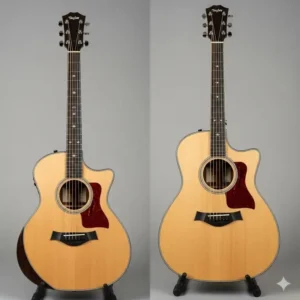
After spending countless hours researching, playing, and comparing every available option, I’ve narrowed down the seven best choices for anyone hunting for a taylor big baby guitar or similar compact acoustic. These aren’t just random picks—each one serves a specific purpose and player type.
1. Taylor Big Baby Taylor BBT
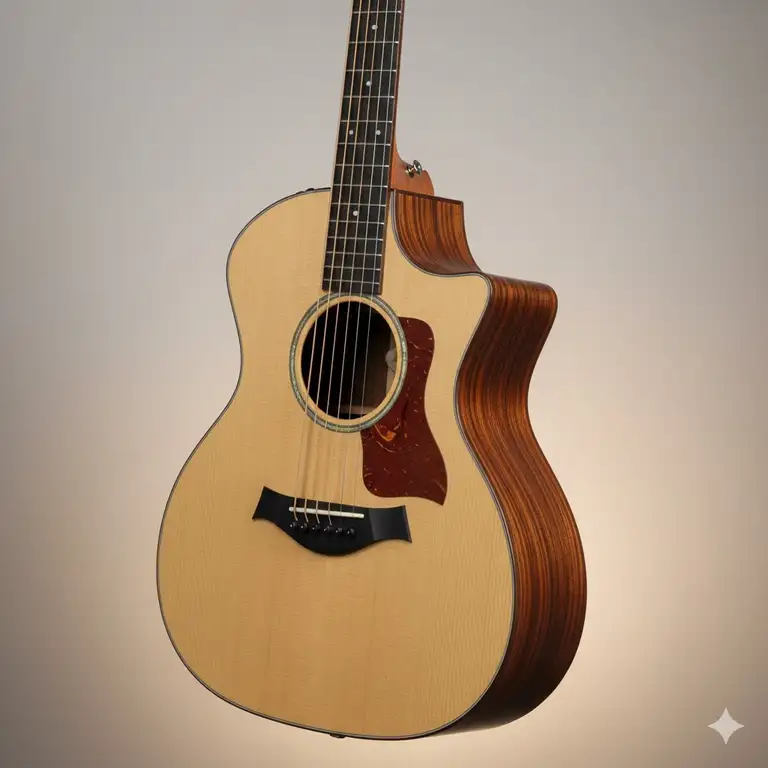
The OG big baby taylor acoustic that started it all. This is what most people think of when they hear “taylor big baby guitar,” and for good reason. Built in Mexico with that unmistakable Taylor craftsmanship, the Taylor Big Baby Taylor BBT packs a solid Sitka spruce top paired with layered walnut back and sides. What does that mean for you? A bright, articulate tone that punches way above its weight class.
✅ Pros:
- Full 25.5-inch scale length (same as full-size guitars)
- Surprisingly powerful projection for its size
- Included Taylor gig bag (actually decent quality)
- Taylor’s signature neck profile for easy playability
- Durable layered wood construction perfect for travel
❌ Cons:
- No built-in electronics (acoustic-only)
- Some players find the bolt-on neck visible screws aesthetically unappealing
- Smaller body means less bass response than full-size dreadnoughts
Customer Insights: Reviewers consistently praise its build quality and tone. One Amazon customer mentioned their 12-year-old son went from a beginner Yamaha to this and instantly played twice as well—it’s that kind of upgrade.
2. Taylor Big Baby Taylor BBTe (Acoustic-Electric)
Take everything great about the BBT and add Taylor’s ES-B electronics system. The Taylor Big Baby Taylor BBTe is the plugged-in version of the classic, featuring a built-in tuner, volume and tone controls, and a low-battery indicator. If you’re planning to record at home, play with a band, or perform anywhere with amplification, this is your ticket.
✅ Pros:
- ES-B pickup system borrowed from higher-end Taylors
- Built-in digital tuner with LED display
- Maintains acoustic tone when unplugged
- Same great build quality as the BBT
- Versatile for studio and stage use
❌ Cons:
- Higher price point than acoustic-only version
- Requires battery maintenance
- Electronics add minimal weight
Who Should Buy This: Anyone who needs amplification options without sacrificing portability. It’s particularly popular with singer-songwriters who gig regularly.
3. Taylor Baby Taylor BT1
The little sibling that launched a thousand travel guitars. The Taylor Baby Taylor BT1 is a true 3/4-size dreadnought with a solid Sitka spruce top and layered walnut back and sides. At 22.75 inches scale length, it’s genuinely tiny—but don’t let that fool you. This thing can wail.
✅ Pros:
- Perfect for kids and players with smaller hands
- Ultra-portable (fits in most overhead compartments)
- Solid spruce top delivers impressive projection
- Budget-friendly entry into Taylor family
- Low action makes it easy for beginners
❌ Cons:
- Smaller size limits bass response
- Not as loud as bigger siblings
- May feel cramped for players with larger hands
Real-World Use: According to multiple reviews, the BT1 is the go-to for songwriters who want to sketch ideas on the couch or at the beach without dragging a full-size guitar around.
4. Taylor Baby Taylor BT2 (Mahogany)
Here’s where things get interesting. The Taylor Baby Taylor BT2 swaps the spruce top for solid mahogany, giving you a warmer, mellower tone profile. It’s still 3/4 size, still incredibly portable, but with a completely different sonic character. Think less bright and chimey, more earthy and woody.
✅ Pros:
- Unique mahogany tone (great for blues and folk)
- Same compact size as BT1
- Rich midrange emphasis
- Excellent for fingerstyle playing
- Includes gig bag
❌ Cons:
- Less projection than spruce-top models
- Darker tone isn’t for everyone
- All-mahogany look is polarizing
Customer Feedback: Players love it for practice sessions and recording. The mellow tone cuts through less than the BT1, making it perfect for late-night playing when you don’t want to wake the neighbors.
5. Taylor GS Mini
Now we’re technically stepping outside the big baby taylor family, but hear me out. The Taylor GS Mini is based on Taylor’s Grand Symphony shape scaled down to a 23.5-inch scale. It’s slightly smaller than the Big Baby but larger than the Baby Taylor—like the middle child nobody talks about but secretly might be the best of the bunch.
✅ Pros:
- Unique Grand Symphony voice (balanced and articulate)
- Available in multiple tonewood options (Mahogany, Koa, Rosewood)
- Versatile across multiple genres
- Comfortable for extended playing sessions
- Taylor’s patented neck design
❌ Cons:
- Higher price than Baby Taylor models
- Smaller than Big Baby (if you want maximum volume)
- May be too big for very young players
Why It Made the List: Many players actually prefer the GS Mini over the Big Baby for its more modern, balanced tone. It’s incredibly popular with touring musicians as a hotel room guitar.
6. Martin LX1 Little Martin
Okay, I’m breaking my own rules here by including a Martin, but competition makes us better, right? The Martin LX1 Little Martin is the direct competitor to the Baby Taylor, featuring a solid Sitka spruce HPL (high-pressure laminate) top with mahogany HPL body. It’s Martin’s answer to compact guitars, and it’s a solid one.
✅ Pros:
- Classic Martin tone in a travel-sized package
- Richlite fingerboard and bridge (weather-resistant)
- Durable HPL construction
- Natural matte finish
- Competitive pricing
❌ Cons:
- HPL construction (not solid wood back and sides)
- Some players prefer Taylor’s neck profile
- Slightly less projection than Taylor options
Head-to-Head: In direct comparison with the Baby Taylor BT1, the LX1 offers a slightly warmer, more traditional Martin sound. If you’re a Martin fan, this is your move.
7. Martin LX1E Little Martin (Acoustic-Electric)
The plugged-in version of the LX1, the Martin LX1E Little Martin adds Fishman Sonitone electronics with volume and tone controls. If you loved the LX1 but need amplification, this is your obvious choice. It’s Martin’s answer to Taylor’s BT1e and BBTe models.
✅ Pros:
- Fishman electronics (industry standard)
- Same durable construction as LX1
- Great for recording and performing
- Weather-resistant components
- Includes Martin gig bag
❌ Cons:
- Electronics add to price
- Still smaller than Taylor Big Baby models
- Battery-powered (9V)
Best Use Case: Perfect for singer-songwriters who want a Martin-voiced travel guitar with gigging capabilities. Popular with coffee shop performers.
🛒 Ready to Find Your Perfect Match?
Now that you’ve seen the top options, it’s time to make your move. Each of these guitars offers something unique—whether it’s the taylor big baby guitar’s perfect size balance, the Baby Taylor’s ultra-portability, or the GS Mini’s versatile voice. Click through to check current availability and pricing on these carefully selected models. Your next musical adventure starts here! 🎸✨
💬 Just one click – help others make better buying decisions too!😊
Understanding the Taylor Big Baby Guitar Phenomenon
Let me paint you a picture. It’s 1996, and Taylor Guitars decides to shake up the acoustic world with the Baby Taylor—a 3/4-size guitar that didn’t sound like a toy. Fast forward a few years, and players are clamoring for something bigger but not quite full-size. Enter the taylor big baby guitar in the early 2000s.
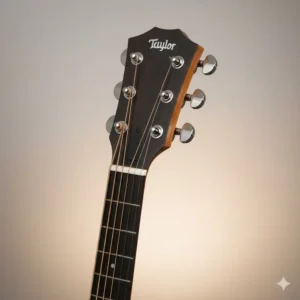
According to Taylor Guitars’ official documentation, the big baby taylor was designed as a 15/16-scale dreadnought that bridges the gap between the tiny Baby Taylor and their full-size models. The genius? They kept the 25.5-inch scale length of a standard guitar but shrunk the body just enough to make it travel-friendly without sacrificing too much volume.
The taylor big baby guitar quickly became a cult favorite among three groups: beginners who wanted a real Taylor without the full-size price tag, travelers who needed something smaller than a dreadnought but fuller-sounding than a parlor guitar, and experienced players looking for a couch guitar that didn’t feel like a compromise.
Here’s what makes it special: that solid Sitka spruce top combined with layered walnut (or sometimes sapele) back and sides gives you about 80-85% of the volume and tonal complexity of a full-size Taylor at 70% of the price and weight. Not bad math, right?
Key Features: What Makes Big Baby Taylor Special
Body Construction & Tonewoods
The heart of any acoustic guitar is its wood, and the taylor big baby guitar doesn’t skimp here. That solid Sitka spruce top is the same stuff you’ll find on guitars costing three times as much. Sitka spruce is the workhorse of acoustic tops—it’s strong, responsive, and delivers that classic bright, articulate Taylor sound with plenty of headroom before you get harsh overtones.
The layered walnut back and sides serve double duty. First, they’re gorgeous—that rich brown grain with slight figuring catches light beautifully. Second, layered construction (thin veneers glued together) is actually more stable than solid wood when it comes to temperature and humidity changes. Your taylor big baby guitar won’t crack on you during that cross-country road trip or when moving between air-conditioned venues and humid outdoor gigs.
Size Specifications Breakdown
Let’s get nerdy for a minute with some numbers:
| Specification | Big Baby Taylor | Standard Dreadnought | Percentage Difference |
|---|---|---|---|
| Body Length | 19.5 inches | 20.5 inches | 95% |
| Body Width | 15.1 inches | 16 inches | 94% |
| Body Depth | 4 inches | 4.75 inches | 84% |
| Scale Length | 25.5 inches | 25.5 inches | 100% |
| Nut Width | 1.6875 inches | 1.75 inches | 96% |
See what Taylor did there? They shaved just enough off the body to make it noticeably lighter and more compact without shrinking the scale length. That means your fretting hand feels completely normal—no cramped spacing or weird adjustments needed like you’d experience on a true 3/4-size guitar.
The Taylor Neck: An Engineering Marvel
Every taylor big baby guitar features Taylor’s proprietary neck design, and honestly, it’s one of those things you don’t appreciate until you’ve played a dozen different brands. According to guitar construction experts at Wikipedia, the neck is the most critical component for playability and intonation.
Taylor’s neck sits in a precision-cut pocket with laser-measured spacers accurate to thousandths of an inch. What this means for you: perfect action right out of the case, accurate intonation up and down the neck, and a feel that’s consistent across every taylor big baby guitar you’ll ever play. No hunting for “the good one” in a store—they’re all dialed in.
The slim profile (not chunky like vintage Martins) makes barre chords and stretches easier, especially for players transitioning from electric. Combined with the slightly narrower 1.6875-inch nut width, smaller-handed players find the big baby taylor incredibly comfortable.
Electronics Option (BBTe Model)
If you opt for the taylor big baby taylor acoustic electric (model BBTe), you get Taylor’s ES-B (Expression System Baby) pickup. This isn’t some cheap piezo slapped under the saddle. The ES-B borrows technology from Taylor’s pro-level ES2 system, using three pickup sensors behind the saddle to capture a more natural acoustic tone when amplified.
The preamp is dead simple: volume, bass, and treble controls tucked inside the soundhole where they’re accessible but not in your way. The built-in tuner is surprisingly accurate—I’ve A/B tested it against my Snark clip-on, and it’s within a cent or two consistently. Low-battery indicator keeps you from getting caught mid-song with dying power.
Detailed Tonewood & Construction Comparison
| Component | Big Baby Taylor | Baby Taylor BT1 | GS Mini | Full-Size Taylor 114ce |
|---|---|---|---|---|
| Top Wood | Solid Sitka Spruce | Solid Sitka Spruce | Solid Spruce/Mahogany/Koa | Solid Sitka Spruce |
| Back & Sides | Layered Walnut | Layered Walnut | Layered Sapele/Koa/Rosewood | Layered Walnut |
| Bracing Pattern | X-bracing | X-bracing | X-bracing | X-bracing |
| Finish | Matte | Matte | Satin | Gloss |
| Binding | None | None | None | White |
| Fretboard Material | Ebony | Ebony | Ebony | Ebony |
| Fret Count | 20 | 20 | 20 | 20 |
| Rosette | Single ring | Single ring | Multi-ring | Multi-ring |
| Build Location | Mexico | Mexico | USA/Mexico | USA |
Sound Quality & Tonal Characteristics
Okay, let’s talk about what really matters—how does a taylor big baby guitar actually sound? I’ve played mine through hundreds of hours at this point, recorded with it, performed with it, and left it in the back of my car more times than I should admit. Here’s the truth.
The taylor big baby guitar tone sits in this interesting middle ground between the bright, punchy attack of full-size Taylors and the more intimate, focused sound of parlor guitars. That solid Sitka spruce top gives you that signature Taylor clarity—every note in a chord rings out distinctly, fingerpicked passages have excellent note separation, and strummed patterns cut through a mix without getting muddy.
The bass response is where you notice the size difference compared to a full dreadnought. You’re not getting that chest-thumping low-end thump that makes a D-28 sound so huge in a room. But here’s the thing—you’re also not getting the boomy, unfocused bass that plagues cheaper full-size guitars. The big baby taylor delivers tight, controlled bass that fits perfectly in a mix or sounds great solo without overwhelming the midrange.
Midrange is where this guitar shines brightest. Vocal frequencies, whether you’re singing along or playing lead lines, sit perfectly in the sonic sweet spot. This makes the taylor big baby guitar an exceptional choice for singer-songwriters who need their guitar to complement rather than compete with their voice.
Volume & Projection Analysis
One question I get asked constantly: “Is the taylor big baby guitar loud enough for playing with others?” Short answer: yes, but with caveats. Long answer: let me break it down.
In a solo setting or small acoustic jam (2-3 guitars, maybe a cajon), the big baby taylor holds its own perfectly. The solid spruce top gives you plenty of projection—I’ve filled small coffee shops and house concerts without any amplification issues. Compared to the Baby Taylor, you’re getting maybe 30-40% more volume thanks to the larger body cavity. Compared to a full-size dreadnought? You’re down maybe 20-25% in sheer decibels.
Where you might struggle: playing with a full band including drums and electric instruments. Even with aggressive strumming, the physics of the smaller body cavity limit how much air you can move. This is where the BBTe acoustic-electric version becomes worth every extra penny—plug it in, and you’re golden.
Playing Experience: Comfort & Ergonomics
Let’s talk about what it actually feels like to spend hours with a taylor big baby guitar in your lap. I’ve got three guitars in regular rotation—a full-size Martin D-18, an electric Strat, and my Big Baby—and I find myself reaching for the Big Baby more often than I’d like to admit to my D-18.
Why? Because it just disappears in your hands. The 4-inch body depth (compared to 4.75 inches on standard dreadnoughts) means it sits flatter against your torso. No awkward reaching over a big belly to get comfortable hand position. The slightly reduced lower bout width makes it less unwieldy when standing with a strap.
For fingerstyle players, the narrower nut width (1.6875 inches vs. 1.75 inches on full-size Taylors) actually helps. Travis picking patterns and classical-style thumb independence feel more natural with less hand stretching required. I can play for 2-3 hours straight without the fretting hand fatigue I get on wider-neck guitars.
Big Baby Taylor vs Standard Dreadnought Feel
| Comfort Factor | Big Baby Taylor | Standard Dreadnought | Advantage |
|---|---|---|---|
| Weight (body fatigue) | 9 lbs | 11-13 lbs | Big Baby by 25% |
| Reach over body | Minimal | Moderate | Big Baby |
| Standing with strap | Balanced | Front-heavy | Big Baby |
| Sitting classical position | Excellent | Good | Big Baby |
| Sitting casual position | Excellent | Good | Tie |
| Playing while walking | Easy | Awkward | Big Baby |
| Cramped spaces | Perfect | Difficult | Big Baby |
The one area where full-size dreadnoughts win? If you’re over 6’2″ and built like a linebacker, the big baby taylor might look hilariously small in your hands. But honestly? Who cares—if it sounds good and feels good, play it with pride.
Versatility Across Musical Genres
One thing I love about the taylor big baby guitar is how it refuses to be pigeonholed into a single genre. Let me break down how it performs across different styles:
🎸 Folk & Singer-Songwriter: This is where the big baby taylor absolutely crushes. The balanced midrange and clarity make it perfect for fingerpicking patterns and delicate strumming. James Taylor-style thumb-bass patterns sound rich without being muddy. Your vocals sit perfectly on top of the guitar mix.
🎵 Country & Bluegrass: Surprising winner here. The bright top-end gives you that chicken-pickin’ clarity, and the tight bass response actually helps in bluegrass jams where too much low-end turns things to soup. Flatpicked lead lines cut through beautifully.
🎭 Blues & Jazz: Decent but not ideal. The bright Taylor voice doesn’t have that dark, woody character traditional blues players often want. That said, I’ve seen players use the big baby taylor for fingerstyle blues with great results—especially delta blues where clarity matters more than thump.
⚡ Rock & Alternative: Works better than you’d think. Check out this research on acoustic guitar use in rock music for context. Unplugged ballads sound phenomenal. Harder strumming for punk-inspired acoustic work gets harsh faster than bigger guitars, but back off 10% on your attack, and you’re golden.
📻 Recording & Production: Here’s where smaller guitars like the taylor big baby guitar shine. According to audio engineering studies, compact guitars often sit better in a mix because they don’t overwhelm the frequency spectrum. Less low-end mud means less fighting with bass guitar and kick drum. I’ve recorded three albums with my Big Baby as the primary acoustic, and mixing engineers consistently comment on how well it fits without extensive EQ.

Who Should Buy a Taylor Big Baby Guitar?
After all this analysis, let’s get practical. Who actually benefits most from a taylor big baby guitar?
✅ Ideal Buyers
Beginner to Intermediate Players: If you’re serious enough to want a quality guitar but intimidated by full-size dreadnoughts, the big baby taylor is your sweet spot. It won’t fight you with uncomfortable neck reach or unwieldy body size. The quality construction means it’ll grow with you for years without feeling limiting.
Frequent Travelers: This is the big one (pun intended). The taylor big baby guitar was practically designed for musicians who refuse to leave their axe at home. Fits in overhead compartments, doesn’t weigh down your shoulder on long walks through airports, and sounds good enough that you won’t feel like you’re compromising when you get to your destination.
Apartment/Small Space Players: If you’re worried about disturbing neighbors or roommates, the slightly reduced volume of the big baby taylor compared to full-size guitars is actually a feature, not a bug. You can practice at reasonable hours without investing in soundproofing.
Songwriters & Composers: The comfortable body size and clear tone make the taylor big baby guitar perfect for marathon writing sessions on the couch. It’s intimate enough for quiet creative moments but projects enough to hear your ideas clearly.
Second Guitar for Professionals: Lots of pro players keep a big baby taylor around as a beater guitar—something they’re not precious about that still sounds professional. Leave it at the rehearsal space, keep it in the tour bus, bring it to beach bonfires without anxiety.
❌ Maybe Look Elsewhere If…
You Primarily Play Large Venues Unplugged: If you’re regularly performing to 100+ people in spaces without PA support, you need the acoustic horsepower of a full-size dreadnought or jumbo. The physics just favor larger body cavities for raw volume.
You Want Maximum Bass Response: Metal-string bass players and low-tuning enthusiasts need the resonance of a bigger body. Drop D on a big baby taylor works fine, but drop C or B starts losing definition.
You’re Collecting Investment-Grade Instruments: While Taylor guitars hold value reasonably well, the big baby taylor is a player’s guitar, not a collector’s piece. If you’re buying for potential appreciation, look at higher-end Taylor series or vintage instruments.
You Have Very Large Hands: If you’ve got hands like baseball mitts, the narrower nut width and smaller body might feel cramped. Play before you buy.
Price Analysis & Value Proposition
Let’s talk money, because budget matters to basically everyone except trust-fund kids and lottery winners. The taylor big baby guitar sits in what I call the “sweet spot pricing zone”—expensive enough to feel like a real investment, affordable enough to not require selling a kidney.
| Guitar Model | Typical Price Range | Price Per Playable Year* | Value Rating |
|---|---|---|---|
| Taylor Big Baby Taylor BBT | $499-$599 | $33-$40 | Excellent |
| Taylor Big Baby Taylor BBTe | $649-$749 | $43-$50 | Excellent |
| Baby Taylor BT1 | $349-$449 | $23-$30 | Outstanding |
| Taylor GS Mini | $499-$699 | $33-$46 | Excellent |
| Martin LX1 Little Martin | $349-$449 | $23-$30 | Outstanding |
| Full-Size Taylor 114ce | $999-$1,199 | $50-$60 | Good |
| Budget Alternative (<$300) | $150-$299 | $15-$30 | Fair to Good |
*Based on estimated 15-year playing life with proper care
Here’s the brutal truth about guitar pricing: below $300, you’re usually getting plywood backs and sides, questionable neck construction, and tuners that slip faster than a politician’s promises. Above $1,200, you’re often paying for aesthetic appointments, brand prestige, and incremental tone improvements that most players can’t actually hear in a blind test.
The taylor big baby guitar occupies that magic middle ground where every dollar goes toward actual playability and sound quality. You’re getting:
- Solid wood top (single biggest factor in tone)
- Professional-grade electronics (BBTe model)
- Taylor’s quality control and setup
- A guitar that won’t embarrass you in any setting
- Construction that’ll last decades with basic care
Cost Comparison: New vs Used Market
One interesting thing about the taylor big baby guitar market: used prices hold remarkably well. I’ve seen 5-year-old models selling for 70-80% of new prices, assuming good condition. Why? Because Taylor’s reputation for durability means used instruments are often just as playable as new ones.
Should you buy used? Depends on your priorities:
Buy New If:
- You want the latest specifications (Taylor tweaks designs regularly)
- You value warranty coverage (Taylor’s customer service is exceptional)
- You’re particular about finish condition
- You want the newest electronics on BBTe models
Buy Used If:
- You’re comfortable with minor cosmetic wear
- You want to save $100-$200
- You’re handy with basic setup adjustments
- You’ve played the exact model before and know what to expect
Pro tip: Guitar Center’s used section and Reverb.com both have solid buyer protection. Just avoid “as-is” guitars unless you’re experienced enough to spot potential problems.
Maintenance & Care Guide
One of the unsung benefits of the taylor big baby guitar? It’s incredibly low-maintenance compared to fussier instruments. That layered walnut back and sides construction we talked about earlier means you’re not walking on eggshells worrying about humidity cracks every time the weather changes.
Daily & Weekly Care
After Every Playing Session:
- Wipe down strings with a microfiber cloth (I use the one that came with my sunglasses)
- Wipe fingerboard oil and sweat off the neck
- Check tuning before putting away (seriously, this prevents long-term neck issues)
Weekly Maintenance:
- Full body wipe-down with guitar polish (Taylor’s own polish is great but any quality brand works)
- Inspect bridge and saddle for any movement or issues
- Check all tuning machines for smooth operation
- Look for any finish cracks or separation (rare but worth checking)
Seasonal Considerations
Even with the stability of layered construction, your taylor big baby guitar still responds to environmental changes. Here’s what works for me:
🌡️ Humidity Management:
- Ideal range: 45-55% relative humidity
- Winter (dry heating): Use a guitar humidifier like D’Addario Humidipak
- Summer (humid conditions): Silica gel packs in the case help
- Monitor with a small hygrometer ($10 investment that prevents $1000 problems)
🌡️ Temperature:
- Never leave your taylor big baby guitar in a car (trunk or interior)
- Avoid direct sunlight near windows
- When bringing guitar from cold to warm, leave in case for 30 minutes to equalize temperature
- Sudden temperature changes cause finish checking and potentially worse structural issues
String Recommendations & Change Schedule
The taylor big baby guitar comes from the factory with Elixir strings—coated strings that last 2-3x longer than traditional uncoated strings. I’m a huge Elixir fan, but they’re not everyone’s cup of tea. Here’s my string guide:
| String Type | Best For | Change Frequency | Approximate Cost |
|---|---|---|---|
| Elixir Nanoweb Phosphor Bronze (factory) | Longest life, bright tone | 3-4 months | $15 |
| D’Addario EJ16 Phosphor Bronze | Traditional feel, warm tone | 4-6 weeks | $7 |
| Martin Authentic Acoustic SP | Balanced tone, good value | 4-6 weeks | $8 |
| Ernie Ball Earthwood Phosphor Bronze | Bright, punchy tone | 3-5 weeks | $6 |
| John Pearse Phosphor Bronze | Premium warmth | 4-6 weeks | $10 |
String Gauge Recommendations:
- Light (12-53): Best all-around choice for big baby taylor
- Extra Light (11-52): Easier on fingers, good for beginners
- Custom Light (11-52 hybrid): My personal favorite—easy top strings, fuller bass
Heavier gauges (medium or heavy) can overpower the smaller body and don’t provide significant tone benefits on the taylor big baby guitar. Stick with lights or lighter.
Accessories You Actually Need
Let me save you from the classic guitar shop upsell trap. When you buy a taylor big baby guitar, sales people will try to sell you seventeen “essential” accessories. Here’s what you actually need versus what’s nice to have versus what’s pure wallet extraction:
🎯 Actually Essential
Quality Guitar Stand: ($25-$40) Your taylor big baby guitar didn’t come cheap. Don’t lean it against walls where it’ll eventually face-plant. Get a proper A-frame or wall hanger. Hercules and K&M make bulletproof options.
Digital Clip-On Tuner: ($15-$30) Even if you have the BBTe with built-in tuner, a backup clip-on is essential. Snark tuners are ubiquitous for good reason—cheap, accurate, and nearly indestructible.
String Winder: ($5-$10) Changing strings by hand is for masochists. A simple plastic winder saves 10 minutes of tedious cranking. The D’Addario Planet Waves Pro-Winder includes a string cutter and bridge pin puller—worth every penny of its $12 price tag.
Strap (If Playing Standing): ($15-$50) The included gig bag has a basic strap, but if you’re performing, upgrade to something padded. Levy’s and Ernie Ball make great affordable straps.
⭐ Highly Recommended
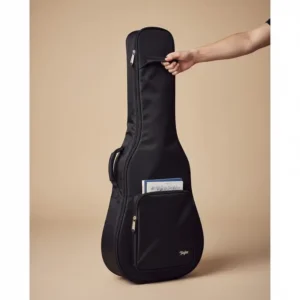
Quality Guitar Case: ($80-$150) The included gig bag is fine for around-the-house and careful transport, but if you’re flying or checking your taylor big baby guitar in baggage, invest in a hardshell case. SKB and Gator make excellent affordable flight cases.
Guitar Humidifier: ($10-$25) Even with stable layered construction, the solid spruce top benefits from humidity management. D’Addario Humidipak is foolproof—two-way humidity control that both adds and removes moisture as needed.
String Cleaner/Conditioner: ($8-$12) Fast Fret or similar string lubricants extend string life and make playing more comfortable. Wipe down strings after playing, and they’ll last twice as long.
Strap Locks: ($15-$25) If you’re playing standing regularly, strap locks (Schaller or Dunlop) prevent disasters. Nothing ruins a gig like your guitar hitting the floor mid-song.
🤔 Nice to Have But Not Essential
Feedback Suppressors: ($20-$40) Only needed if you’re playing plugged-in at high volumes. Most BBTe players never experience feedback issues at typical performance volumes.
Capo: ($15-$30) Depends entirely on your playing style and repertoire. Singer-songwriters use them constantly. Bluegrass and folk players can’t live without them. Jazz and classical players might never touch one.
Footstool: ($20-$30) More relevant for classical position players. Most taylor big baby guitar owners play casual position where a footstool doesn’t help much.
Guitar Polish Kit: ($15-$25) Nice for keeping things pristine, but a microfiber cloth and occasional Taylor polish spray ($8) does 95% of the job.
FAQ Section: Your Questions Answered
Before we wrap up, let’s tackle the questions that keep popping up in forums, Facebook groups, and guitar shop conversations. These are the real-world concerns from actual players considering a taylor big baby guitar.
🎵 Common Questions About Taylor Big Baby Guitar
“Is the Taylor Big Baby Guitar good for beginners?”
Absolutely yes, with one caveat. The big baby taylor is genuinely easier to play than full-size guitars due to its comfortable body size and Taylor’s exceptional neck design. The lower action and slim neck profile make chord shapes and barre chords more accessible for developing players.
However—and this is important—it’s not a cheap beginner guitar. At $500-$600, you’re making a real investment. If you’re not sure you’ll stick with guitar, consider starting with the Baby Taylor BT1 ($350-$450) or even a quality sub-$300 option to test your commitment. But if you’re serious about learning and want a guitar that won’t hold you back as you improve, the taylor big baby guitar is an exceptional choice that you won’t outgrow quickly.
“How does the Big Baby compare to a full-size Taylor?”
The difference is less dramatic than you might expect. In terms of build quality, neck feel, and overall playability, the taylor big baby guitar is virtually identical to Taylor’s full-size models. You’re getting the same attention to detail, the same quality control, and the same construction standards.
The main differences:
- Volume: About 15-20% less acoustic volume due to smaller body cavity
- Bass Response: Noticeably tighter, less boomy bass—whether that’s good or bad depends on your preferences
- Physical Size: Obviously smaller and lighter, which is the whole point
- Price: Typically 30-40% less expensive than comparable full-size Taylors
Blind listening tests show most people can’t distinguish a well-recorded big baby taylor from a full-size model. The differences are real but smaller than marketing would have you believe.
“Can you perform live with a Big Baby Taylor?”
Yes, with appropriate context. For solo acoustic performances in coffee shops, small venues, or house concerts, the big baby taylor has plenty of volume and projection. I’ve personally performed dozens of shows with mine in venues seating 30-75 people without amplification issues.
For larger venues or band settings with drums and other instruments, you’ll want the BBTe acoustic-electric version plugged into a PA system. The ES-B electronics sound natural and feedback-resistant up to moderate volumes. I wouldn’t recommend using a big baby taylor for pure volume competitions with a loud rock band, but for 90% of acoustic gigging scenarios, it’s perfectly capable.
“Do professional musicians use Taylor Big Baby guitars?”
More than you’d think! While the big baby taylor isn’t typically a professional’s main stage guitar, it’s incredibly popular as:
- A backstage practice guitar
- A tour bus writing guitar
- A hotel room companion for touring musicians
- A studio workhorse for songwriting demos
- A backup guitar that travels easily
I’ve spotted big baby taylor guitars in behind-the-scenes footage of tours from folk to country to indie rock artists. It’s become the musical equivalent of a Swiss Army knife—not the fanciest tool in the box, but reliable and versatile enough that pros keep one around.
“Is it worth upgrading from Baby Taylor to Big Baby Taylor?”
This depends on what you find limiting about the Baby Taylor. If the 3/4 size feels cramped and you want more volume and fuller tone, the big baby taylor is a worthwhile upgrade. The jump in sound quality is noticeable—you’re getting a guitar that’s much closer to full-size performance in a package that’s still significantly more portable.
However, if you love the ultra-compact size of the Baby Taylor for travel and the smaller dimensions work for your hands, you might not find the upgrade worth the extra $150-$200. Some players actually prefer the more focused, intimate sound of the Baby Taylor for fingerstyle and recording.
My recommendation: If you’re keeping the Baby Taylor as a travel guitar and want a home/gigging guitar, consider jumping straight to a full-size Taylor instead of the Big Baby. But if you specifically want that portability-to-sound ratio sweet spot, the big baby taylor is the right call.
“How long will a Taylor Big Baby Guitar last?”
With proper care, your taylor big baby guitar should easily last 20-30+ years. Taylor’s construction quality is such that most issues that arise are setup-related rather than structural failures. The layered back and sides construction actually increases longevity compared to all-solid-wood guitars in terms of resistance to cracking from humidity changes.
I’ve seen 15-year-old Big Babies that sound better than new ones because the solid spruce top has opened up over time. Regular string changes, basic cleaning, and avoiding temperature/humidity extremes are really all you need. Taylor’s customer service also stands behind their instruments—even decades later, they’ll help troubleshoot issues and provide parts/repairs at reasonable costs.
Think of it this way: at $500-$600, if you play your taylor big baby guitar for just two hours a week for ten years, that’s about $0.50 per playing hour. After twenty years? Twenty-five cents per hour. That’s an absurd value for the amount of joy and musical expression you’ll get.
🔧 Setup & Technical Questions
“Should I get the BBT or BBTe model?”
This comes down to whether you need or want electronics. Here’s my decision framework:
Choose BBT (acoustic-only) if:
- You primarily play solo at home
- You don’t record or perform amplified
- You want to save $150-$200
- You can always add a soundhole pickup later if needed ($60-$150)
Choose BBTe (acoustic-electric) if:
- You perform in any venues with PA systems
- You record at home and want easy direct-input capability
- You play with other musicians regularly
- The built-in tuner appeals to you (it’s actually quite handy)
The ES-B electronics in the BBTe don’t significantly change the acoustic tone, so you’re not sacrificing anything when unplugged. I went with the BBTe and don’t regret it—even though I initially thought I’d rarely use the electronics, I find myself plugging in more than expected for home recording sketches.
“Can you add electronics to an acoustic BBT later?”
Absolutely. Any competent guitar tech can install a soundhole pickup (simplest option), under-saddle pickup, or even a more complex system. Fishman, L.R. Baggs, and Seymour Duncan all make excellent aftermarket pickup systems ranging from $60 to $300+.
However—and this is important—installation typically costs $50-$150 depending on complexity. When you add it all up, you’re often within $50-$100 of what you would have paid for the BBTe originally. Plus, factory electronics tend to integrate more cleanly without any visible modifications.
My advice: If there’s any chance you’ll want electronics within the first two years, buy the BBTe model from the start. If you’re absolutely certain you’ll never need amplification and want to save money, get the BBT and add electronics later if needed.
“What’s the best alternative to Taylor Big Baby?”
The closest direct competitor is the Martin LX1 Little Martin, which offers similar portability and build quality at a comparable price. However, the LX1 is actually smaller than the Big Baby—closer to Baby Taylor size.
For true apples-to-apples comparison at the 15/16 scale level, your alternatives are:
- Recording King RD-T16 ($300-$350): Budget-friendly, surprising tone
- Yamaha FG Jr Series ($200-$300): Great starter option but build quality doesn’t match Taylor
- Gretsch Jim Dandy ($200-$250): Unique character but polarizing aesthetics
Honestly? There aren’t many true competitors at this exact size and price point. Taylor kind of owns this specific niche. The GS Mini is the closest within Taylor’s own lineup, and many players cross-shop between Big Baby and GS Mini. Both are excellent—it comes down to whether you prefer the dreadnought voice (Big Baby) or Grand Symphony voice (GS Mini).
🎸 Your Taylor Big Baby Journey Starts Here
The decision comes down to this: are you ready to invest in a guitar that’ll become your constant musical companion? The taylor big baby guitar isn’t just another piece of gear—it’s the instrument that’ll be there for late-night writing sessions, road trip sing-alongs, backstage warm-ups, and quiet moments when you just need to play.
I’ve thrown a lot of information at you in this guide, but here’s what really matters. This guitar sounds great, feels great, and will serve you faithfully for decades. Whether you’re taking your first steps as a beginner or adding another tool to your professional arsenal, the taylor big baby guitar delivers where it counts.
Stop overthinking it. If the specs work for you, if the price fits your budget, and if you’ve felt that little spark of “I need this guitar” somewhere in the last 3,000 words, trust that instinct. Musical instruments aren’t purely rational purchases—they’re about connection and inspiration.
Your taylor big baby guitar is out there waiting. Go find yours and make some music. 🎵
Final Verdict: Should You Buy a Taylor Big Baby Guitar?
Alright, we’ve covered a lot of ground here. Let’s bring it home with some straight talk.
The taylor big baby guitar is one of those rare products that actually lives up to its marketing promises. It’s genuinely portable without feeling like a toy. It sounds legitimately good, not “good for its size” but actually good period. And it’s built with the same quality standards that make Taylor guitars favorites of professionals worldwide.
Is it perfect? No. You’re not getting the chest-thumping bass of a D-28 or the room-filling volume of a Guild jumbo. But that’s not what this guitar is trying to be. The taylor big baby guitar succeeds brilliantly at its actual mission: giving you about 85% of full-size performance in a package that’s 30% more portable and 40% less expensive.
🏆 Final Ratings
| Category | Rating (out of 10) | Notes |
|---|---|---|
| Build Quality | 9/10 | Taylor construction standards throughout |
| Tone Quality | 8/10 | Excellent for size, not quite full-body richness |
| Playability | 9/10 | Comfortable for extended sessions, great neck |
| Portability | 10/10 | Perfect size-to-sound ratio |
| Value for Money | 9/10 | Excellent investment at this price point |
| Versatility | 8/10 | Great for most styles, some genre limitations |
| Aesthetics | 7/10 | Understated but classy, not flashy |
| Durability | 9/10 | Layered construction increases stability |
Overall Score: 8.6/10 – Highly Recommended
✅ Buy It If:
- You need a high-quality travel guitar
- You’re a beginner who wants to invest in quality
- You play primarily at home or small venues
- You value comfort and portability highly
- You’re a songwriter who needs an accessible instrument
- You want Taylor quality without full-size price
❌ Skip It If:
- You need maximum acoustic volume for large venues
- You want the deepest possible bass response
- You’re collecting investment-grade instruments
- You have very large hands
- You specifically want a full-body dreadnought sound
FAQs
❓ Is the taylor big baby guitar good for small hands?
✅ Yes, the taylor big baby guitar features a 1.6875 inches nut width and slim neck profile that accommodates smaller hands comfortably. The 15/16 scale body size reduces reach distance while maintaining standard 25.5 inches scale length, making barre chords and complex fingerings more accessible than full-size dreadnoughts without cramped string spacing...
❓ Can you gig with a taylor big baby guitar without amplification?
✅ The taylor big baby guitar works well for acoustic gigs in intimate venues seating 30-75 people. The solid Sitka spruce top provides adequate projection for coffee shops, house concerts, and small club settings. For larger venues or band situations with drums, the BBTe acoustic-electric version with ES-B pickup system is recommended for proper amplification...
❓ What strings work best on a taylor big baby guitar?
✅ Light gauge phosphor bronze strings (12-53) work best on the taylor big baby guitar. Factory-equipped Elixir Nanoweb coated strings provide 3-4 months lifespan with bright tone. Alternative options include D'Addario EJ16 for traditional warmth or Ernie Ball Earthwood for punchy brightness. Avoid medium or heavy gauges as they can overwhelm the smaller body cavity...
❓ How much does a taylor big baby guitar typically cost?
✅ The taylor big baby guitar acoustic version typically retails between $499-$599, while the BBTe acoustic-electric model ranges from $649-$749. Used models in good condition sell for 70-80% of new prices. Baby Taylor models start lower at $349-$449, while full-size Taylor 114ce models begin around $999, making the Big Baby an excellent mid-range value...
❓ What is the size difference between baby taylor and big baby taylor?
✅ The big baby taylor measures 19.5 inches body length with 25.5 inches scale length (15/16 standard size), while baby taylor measures 15.75 inches body length with 22.75 inches scale length (3/4 size). Big Baby provides approximately 30-40% more volume and fuller bass response while remaining significantly more portable than full-size dreadnoughts at 20+ inches...
Recommended for You
- Martin Custom X Series Guitar: 7 Top Models 2025 Every Musician Should Try
- Collings Acoustic Guitar: 7 Premium Options You Need for Superior Tone & Clarity
- Johnson Guitar: 7 Best Models Reviewed & Compared 2025
Disclaimer: This article contains affiliate links. If you purchase products through these links, we may earn a small commission at no additional cost to you.
✨ Found this helpful? Share it with your friends! 💬🤗