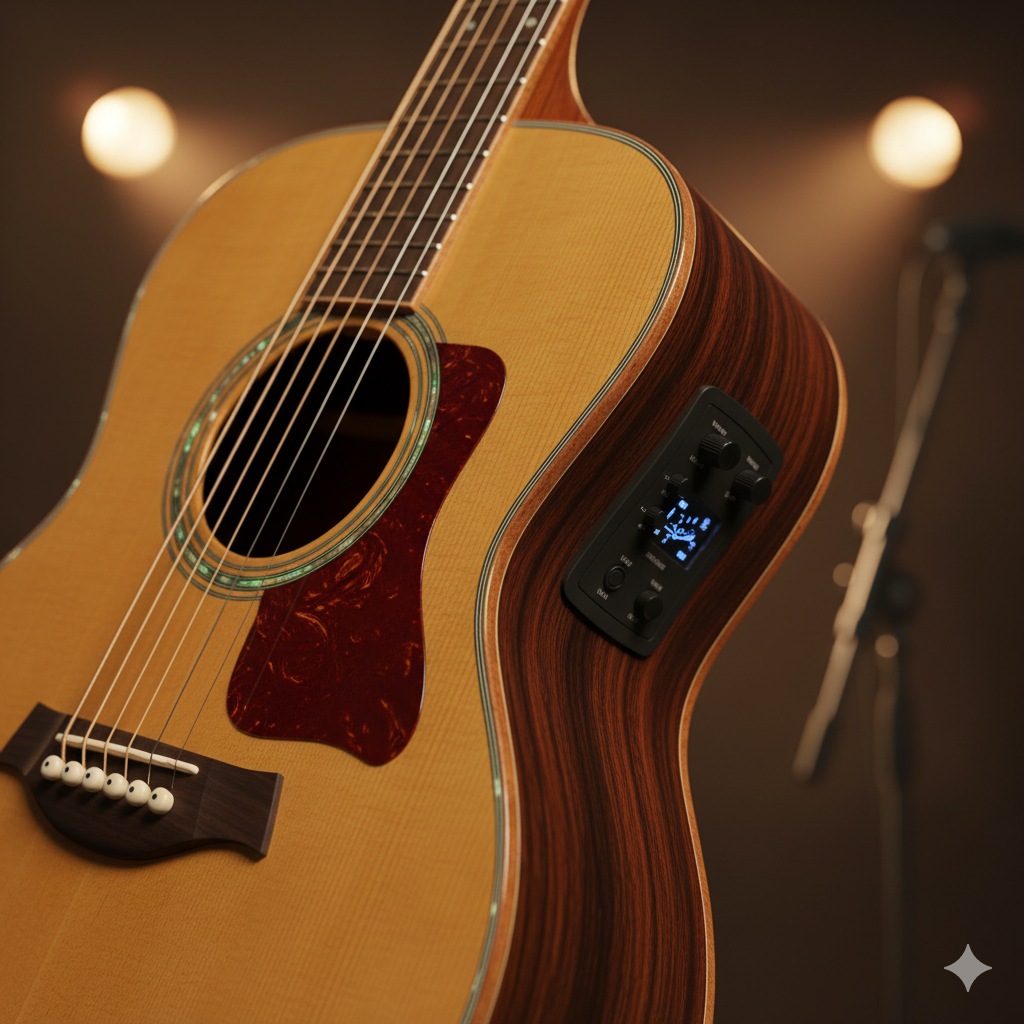
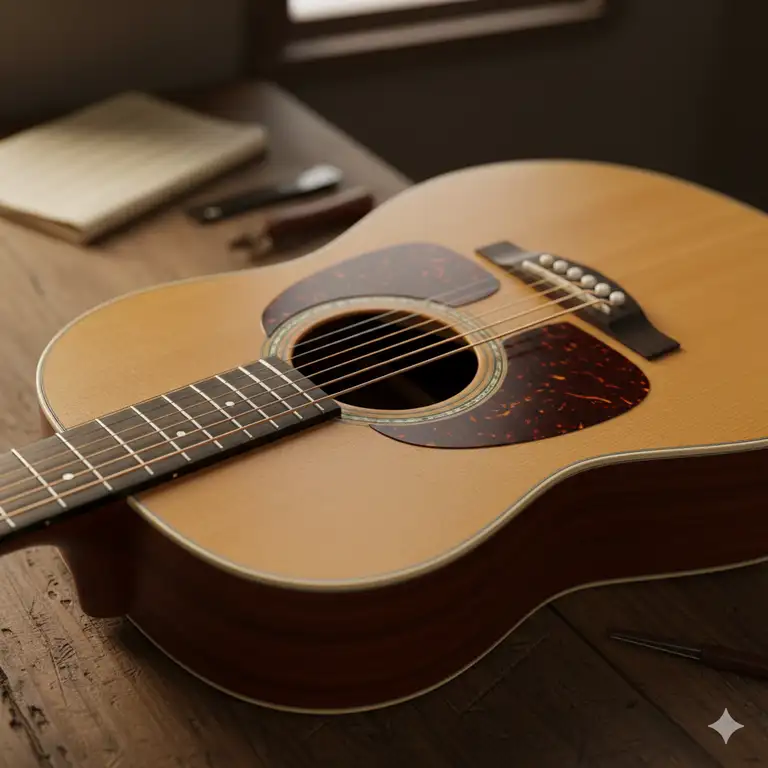
When I first held a guitar that rivaled the legendary Collings quality, everything changed. The resonance, the craftsmanship, the way each note bloomed with clarity—it was like discovering a secret the pros had been keeping from the rest of us.
✨Was this helpful? Spread the word!🚀
You’re probably here because you’ve heard the whispers about collings acoustic guitar instruments and their near-mythical reputation. Maybe you’ve seen Julian Lage or Lyle Lovett playing one and wondered what makes these handcrafted Austin beauties so special. Here’s the thing: while Collings represents the pinnacle of acoustic guitar craftsmanship, several premium alternatives deliver comparable quality and are actually available through mainstream retailers.
Let me walk you through what makes the collings acoustic guitar family special, and more importantly, which premium alternatives you can actually get your hands on today.
Quick Comparison: Premium Acoustic Guitars Similar to Collings Quality
| Feature | Collings Style | Martin D-28 | Taylor 814ce | Gibson J-45 | Budget Range |
|---|---|---|---|---|---|
| Price Range | $4,500-$12,000+ | $3,599-$4,299 | $4,199-$4,799 | $3,199-$3,899 | $800-$2,000 |
| Build Quality | Boutique/Custom | Premium Factory | High-End Factory | Premium Factory | Mid-Range |
| Tonal Character | Articulate/Balanced | Warm/Traditional | Bright/Modern | Warm/Vintage | Varies |
| Availability | Authorized Dealers Only | Widely Available | Widely Available | Widely Available | Amazon/Retailers |
| Resale Value | Excellent | Excellent | Very Good | Excellent | Moderate |
| Production Volume | ~1,000/year | ~50,000/year | ~40,000/year | ~30,000/year | Mass Production |
Top 7 Premium Acoustic Guitars: Expert Analysis
If you’re seeking collings acoustic guitar quality, these handpicked alternatives deliver professional-grade performance you can purchase today.
1. Martin D-28 Standard Series
The Martin D-28 Standard Series stands as the quintessential American dreadnought, offering the warm, bass-heavy tone that’s defined country, bluegrass, and folk music for nearly a century. With a solid Sitka spruce top paired with East Indian rosewood back and sides, this instrument delivers the power and projection serious players demand.
Key Specifications:
- Top Wood: Solid Sitka Spruce
- Back/Sides: East Indian Rosewood
- Scale Length: 25.4 inches
- Nut Width: 1.75 inches
- Neck Profile: Modified Low Oval
- Bracing: Forward-Shifted X-Bracing
- Electronics: Optional Fishman Gold Plus
Pros:
✅ Legendary Martin tone with deep bass response
✅ Excellent projection for stage and studio work
✅ Holds resale value exceptionally well
✅ Comfortable modern neck profile
✅ Rich harmonic overtones develop with age
Cons:
❌ Requires break-in period for optimal sound
❌ Large body may feel bulky for smaller players
❌ Premium price point
This guitar competes directly with collings acoustic guitar models in the $3,500-$4,500 range, offering similar build quality and tonal complexity.
2. Taylor 814ce Grand Auditorium
For players seeking modern precision and versatile tonal range, the Taylor 814ce Grand Auditorium delivers cutting-edge innovation. Taylor’s proprietary V-Class bracing creates unprecedented sustain and intonation, while the Grand Auditorium body shape provides balanced frequencies perfect for fingerstyle and strumming alike.
Key Specifications:
- Top Wood: Solid Sitka Spruce
- Back/Sides: Indian Rosewood
- Scale Length: 25.5 inches
- Nut Width: 1.75 inches
- Neck Profile: Taylor Performance
- Bracing: V-Class Architecture
- Electronics: ES2 Expression System
Pros:
✅ Revolutionary V-Class bracing enhances sustain
✅ Exceptional intonation across the fretboard
✅ Versatile tonal response suits multiple genres
✅ Built-in electronics sound incredibly natural
✅ Consistently reliable quality control
Cons:
❌ Bright tone may not suit all playing styles
❌ Higher price than traditional alternatives
❌ Modern aesthetic won’t appeal to purists
The Taylor 814ce rivals collings acoustic guitar instruments with its meticulous craftsmanship and innovative design, making it a favorite among contemporary players.
3. Gibson J-45 Standard
Few guitars evoke Americana quite like the Gibson J-45 Standard. This round-shoulder dreadnought has been the workhorse of recording studios and stages since 1942, beloved for its warm midrange and vintage vibe. The J-45’s balanced tone sits perfectly in a mix without overwhelming other instruments.
Key Specifications:
- Top Wood: Solid Sitka Spruce
- Back/Sides: Solid Walnut
- Scale Length: 24.75 inches
- Nut Width: 1.725 inches
- Neck Profile: SlimTaper
- Bracing: Advanced Scalloped X-Bracing
- Electronics: L.R. Baggs VTC (select models)
Pros:
✅ Iconic vintage tone with modern playability
✅ Shorter scale length feels comfortable
✅ Excellent for songwriting and recording
✅ Distinctive aesthetic with sunburst finish
✅ Rich history and heritage brand
Cons:
❌ Less volume than square-shoulder dreadnoughts
❌ Walnut back/sides differ from traditional rosewood
❌ Quality can vary between production batches
Like the collings acoustic guitar family, the J-45 represents American lutherie at its finest, though with more accessible pricing.
4. Martin OM-28 Orchestra Model
The Martin OM-28 Orchestra Model brings refined elegance to fingerstyle players and those who prefer a more intimate playing experience. This mid-sized body shape delivers articulate note separation and balanced tonal response, making it ideal for complex fingerpicking patterns and delicate musical passages.
Key Specifications:
- Top Wood: Solid Sitka Spruce
- Back/Sides: East Indian Rosewood
- Scale Length: 25.4 inches
- Nut Width: 1.75 inches
- Neck Profile: Modified Low Oval with Performing Artist Taper
- Bracing: Scalloped X-Bracing
- Electronics: Optional Fishman Matrix VT Enhance
Pros:
✅ Superior note clarity for fingerstyle playing
✅ Comfortable mid-sized body ergonomics
✅ Quick response and dynamic sensitivity
✅ Beautiful appointments and aesthetics
✅ Versatile across multiple musical genres
Cons:
❌ Less bass response than dreadnought models
❌ May lack volume for aggressive strumming
❌ Premium pricing comparable to boutique brands
The OM-28 shares the collings acoustic guitar philosophy of precise craftsmanship and balanced tonal response, particularly in their OM models.
5. Taylor Builder’s Edition 517 Grand Pacific
Taylor’s Builder’s Edition 517 Grand Pacific represents the company’s commitment to player-focused innovation. This model features a beveled armrest, refined body contours, and Taylor’s groundbreaking V-Class bracing—all designed to enhance playing comfort while delivering warm, vintage-inspired tone that rivals traditional dreadnoughts.
Key Specifications:
- Top Wood: Torrefied Sitka Spruce
- Back/Sides: Tropical Mahogany
- Scale Length: 25.5 inches
- Nut Width: 1.75 inches
- Neck Profile: Taylor Compound Carve
- Bracing: V-Class Architecture
- Electronics: ES2 Expression System
Pros:
✅ Exceptional playing comfort with beveled edges
✅ Warm, vintage-inspired tone from Grand Pacific shape
✅ Torrefied spruce offers aged-tone characteristics
✅ Innovative design features enhance playability
✅ Stunning visual appointments and craftsmanship
Cons:
❌ Significantly higher price point
❌ May be overkill for casual players
❌ Limited availability at some retailers
For those seeking collings acoustic guitar level refinement with modern innovations, the Builder’s Edition 517 delivers uncompromising quality.
6. Gibson Hummingbird Standard
The legendary Gibson Hummingbird Standard combines visual drama with sonic excellence. Introduced in 1960, this square-shoulder dreadnought features distinctive pickguard artwork and delivers powerful projection with articulate treble response. It’s equally at home in recording studios and on concert stages worldwide.
Key Specifications:
- Top Wood: Solid Sitka Spruce
- Back/Sides: Select Mahogany
- Scale Length: 24.75 inches
- Nut Width: 1.725 inches
- Neck Profile: Rounded C-Shape
- Bracing: Scalloped Sitka Spruce
- Electronics: L.R. Baggs Element VTC (select models)
Pros:
✅ Instantly recognizable aesthetic with engraved pickguard
✅ Powerful, punchy tone with excellent clarity
✅ Comfortable shorter scale length
✅ Rich harmonic complexity
✅ Iconic status among professional musicians
Cons:
❌ Premium pricing reflects heritage brand
❌ Heavier than some modern alternatives
❌ Bold aesthetics won’t suit minimalists
The Hummingbird shares the collings acoustic guitar commitment to distinctive character and professional-grade construction.
7. Martin D-18 Standard Series
The Martin D-18 Standard Series offers classic dreadnought tone at a more accessible price point than its rosewood siblings. With solid mahogany back and sides paired with a Sitka spruce top, the D-18 delivers warmth, clarity, and the legendary Martin sound that’s graced countless recordings since 1931.
Key Specifications:
- Top Wood: Solid Sitka Spruce
- Back/Sides: Genuine Mahogany
- Scale Length: 25.4 inches
- Nut Width: 1.75 inches
- Neck Profile: Modified Low Oval
- Bracing: Non-Scalloped X-Bracing
- Electronics: Optional Fishman Sonitone
Pros:
✅ More affordable entry to Martin Standard Series
✅ Classic mahogany warmth and midrange focus
✅ Lighter weight than rosewood models
✅ Exceptional value for Martin quality
✅ Versatile across folk, country, and rock genres
Cons:
❌ Less tonal complexity than rosewood options
❌ May lack volume of more premium models
❌ Simpler appointments than higher-tier Martins
For players wanting collings acoustic guitar quality craftsmanship at a friendlier price, the D-18 represents outstanding value.
🎵 Ready to Find Your Perfect Premium Guitar?
These carefully selected instruments represent the finest alternatives to Collings quality available today. Click on any highlighted model above to check current pricing, read verified player reviews, and discover which premium acoustic guitar matches your playing style! ✨🎸
💬 Just one click – help others make better buying decisions too! 😊
Understanding What Makes Collings Acoustic Guitar Special
The collings acoustic guitar reputation didn’t happen by accident. Founded in 1973 by Bill Collings in Austin, Texas, the company built its reputation on uncompromising craftsmanship and sonic excellence. Every collings guitar represents hundreds of hours of skilled labor, with approximately 67 luthiers producing only about 1,000 acoustic instruments annually.
What truly sets a collings acoustic guitar apart? It starts with tonewood selection—Collings sources premium Adirondack spruce, Brazilian rosewood, and select mahogany that many mass-market manufacturers can’t access. The company’s proprietary bracing patterns and neck construction techniques create instruments with remarkable clarity, sustain, and dynamic range.
The Collings Acoustic Guitar Philosophy
Collings guitars embody several core principles:
Precision Over Speed: Unlike factory production lines, Collings luthiers spend days on individual instruments, ensuring perfect fret leveling, precise intonation, and flawless finish work.
Tonal Balance: Every collings acoustic guitar model aims for clarity across the frequency spectrum. You’ll never experience muddy bass or harsh trebles—just articulate, musical tone.
Build Longevity: These instruments improve with age. The select tonewoods open up over years of playing, developing richer harmonics and greater complexity.
Player-Focused Design: From comfortable neck profiles to perfectly set action, playability receives as much attention as aesthetics.
Collings Acoustic Guitar Models and Body Styles
Large-Bodied Models
The Collings CJ (Collings Jumbo) delivers piano-like bass response and powerful projection. This model suits aggressive flatpickers and those who need maximum volume without amplification. Traditional features include solid Sitka spruce tops, East Indian rosewood backs and sides, and scalloped bracing for optimal resonance.
The Collings D2H represents their dreadnought offering—a square-shouldered powerhouse that competes with vintage Martin D-28s. With Adirondack spruce tops and herringbone purfling, these instruments command attention in any musical setting.
Mid-Sized Options
The Collings OM2H has become their most popular model, favored by fingerstyle virtuosos and singer-songwriters. The Orchestra Model body shape provides balanced tone with exceptional note separation. At barely over 4 inches deep, it responds immediately to light playing dynamics.
Variations include the OM1 (mahogany back and sides for warmer midrange) and OM3 (premium appointments with Brazilian rosewood).
Small-Body Guitars
For those seeking portability with full-sized tone, Collings offers parlor-style instruments like the Parlor 1T and Parlor 2H T. These compact guitars feature the company’s Traditional Series appointments, including thin nitrocellulose finishes and vintage-inspired construction techniques.
The Baby Collings models provide travel-friendly dimensions without sacrificing the company’s exacting standards.
Comparison: Collings vs Major Acoustic Guitar Brands
Collings Acoustic Guitar vs Martin
Both companies share Pennsylvania Dutch lutherie heritage, but their approaches differ significantly. Martin leverages economies of scale, producing 50,000+ guitars annually across multiple price points. Collings maintains boutique production with consistent quality but limited availability.
Tonal Comparison:
- Collings: Articulate, balanced, with tight bass response
- Martin: Warm, bass-heavy, with vintage character
Build Quality:
- Collings: Hand-selected tonewoods, meticulous fretwork
- Martin: Excellent quality control, standardized specifications
Price-to-Performance:
- Collings: $4,500-$12,000+ (boutique premium)
- Martin: $800-$8,000 (wider range)
Collings Acoustic Guitar vs Taylor
Taylor represents modern innovation while Collings honors traditional lutherie. Taylor’s V-Class bracing and bolt-on necks prioritize consistency and repairability. Collings uses traditional neck construction and vintage-inspired bracing patterns.
Tonal Philosophy:
- Collings: Organic, naturally resonant
- Taylor: Engineered precision, controlled overtones
Innovation:
- Collings: Evolutionary improvements to classic designs
- Taylor: Revolutionary technology (V-Class, NT neck)
Target Market:
- Collings: Serious collectors and professionals
- Taylor: Wide spectrum from beginners to pros
Collings Acoustic Guitar vs Gibson
Gibson’s acoustic division focuses on heritage models like the J-45 and Hummingbird, instruments with rich histories but variable quality control. Collings builds to consistent specifications regardless of model.
Consistency:
- Collings: Every instrument meets exacting standards
- Gibson: Quality varies between production runs
Aesthetic:
- Collings: Understated elegance, functional beauty
- Gibson: Bold visuals, distinctive appointments
Resale Value:
- Collings: Excellent (often appreciate)
- Gibson: Good (vintage models exceptional)
Detailed Comparison Tables
Tonewood Combinations: How They Affect Your Sound
| Tonewood Pairing | Tonal Character | Best For | Price Premium | Examples |
|---|---|---|---|---|
| Sitka Spruce/Rosewood | Warm, balanced, rich overtones | All-around playing, recording | Standard | Martin D-28, Taylor 814ce |
| Sitka Spruce/Mahogany | Focused midrange, dry clarity | Fingerstyle, vocal accompaniment | Moderate | Martin D-18, Gibson J-45 |
| Adirondack/Brazilian Rosewood | Complex harmonics, powerful projection | Professional performance, collecting | Premium ($2,000+) | Vintage Martins, Custom Collings |
| Cedar/Maple | Bright attack, sustain, clarity | Jazz, amplified playing | Moderate-High | Taylor 600 Series |
| Sitka Spruce/Walnut | Balanced warmth, pronounced mids | Singer-songwriters, studio work | Standard | Gibson J-45 (current) |
Body Shape Performance Characteristics
| Body Shape | Volume | Bass Response | Treble Clarity | Comfort | Best Uses |
|---|---|---|---|---|---|
| Dreadnought | Very High | Strong | Good | Moderate | Bluegrass, flatpicking, strumming |
| Orchestra Model | Moderate-High | Balanced | Excellent | Very Good | Fingerstyle, detailed playing |
| Jumbo | Maximum | Very Strong | Good | Lower | Solo performance, big sound needs |
| Grand Auditorium | High | Balanced | Very Good | Excellent | Versatile, all-purpose |
| Parlor | Moderate | Focused | Very Good | Excellent | Travel, intimate settings, recording |
Price-to-Features Analysis
| Price Range | Expected Features | Build Quality | Target Player | Collings Equivalent |
|---|---|---|---|---|
| $300-$800 | Laminate back/sides, solid top | Entry-level | Beginners | N/A |
| $800-$1,500 | All-solid construction | Good | Serious beginners, intermediates | N/A |
| $1,500-$3,000 | Premium tonewoods, electronics | Very Good | Advancing players, gigging musicians | N/A |
| $3,000-$5,000 | Select woods, detailed appointments | Excellent | Professional players | Entry Collings models |
| $5,000-$8,000 | Exotic woods, custom options | Outstanding | Serious professionals, collectors | Standard Collings range |
| $8,000+ | Brazilian rosewood, full customization | Museum-quality | Collectors, recording artists | Premium Collings customs |
Electronics Systems Comparison
| System | Sound Quality | Ease of Use | Reliability | Feedback Resistance | Price Point |
|---|---|---|---|---|---|
| Fishman Aura | Excellent | Moderate | Very Good | Good | Premium |
| L.R. Baggs Anthem | Outstanding | Good | Excellent | Very Good | Premium |
| Taylor ES2 | Excellent | Excellent | Excellent | Good | Mid-Premium |
| Fishman Sonitone | Good | Excellent | Good | Moderate | Budget-Mid |
| L.R. Baggs Element | Very Good | Moderate | Excellent | Good | Mid-Range |
Maintenance Cost Projections (10-Year Ownership)
| Maintenance Item | Budget Guitar | Mid-Range | Premium/Collings | Frequency |
|---|---|---|---|---|
| String Changes | $200-$300 | $300-$500 | $400-$600 | 3-6 times/year |
| Setup Adjustments | $150-$250 | $200-$300 | $300-$500 | Annually |
| Fret Leveling | $150-$200 | $200-$300 | $300-$400 | Every 5-10 years |
| Humidity Control | $50-$100 | $100-$150 | $150-$200 | Ongoing supplies |
| Case/Protection | $100-$200 | $200-$400 | $400-$800 | One-time investment |
| Total (10 years) | $650-$1,050 | $1,000-$1,650 | $1,550-$2,500 | — |
Why Collings Guitars Aren’t on Amazon
You won’t find authentic collings acoustic guitar models on Amazon or most online mega-retailers. The company maintains strict dealer networks, requiring authorized retailers to provide proper setup, customer education, and ongoing support. This approach ensures every collings acoustic guitar reaches players in optimal condition.
The typical Collings buying experience involves visiting an authorized dealer, playing multiple instruments, and selecting the specific guitar (not just a model) that speaks to you. Many dealers order custom configurations directly from the Austin workshop, allowing players to specify wood choices, neck profiles, and aesthetic details.
How to Buy a Guitar with Collings-Level Quality
Step 1: Define Your Musical Needs
Before investing in premium acoustic guitars, honestly assess your requirements:
Playing Style: Fingerstyle players prioritize clarity and articulation (OM body shapes). Flatpickers need power and projection (dreadnoughts).
Musical Genre: Folk and country suit traditional tonewood combinations. Jazz players often prefer maple or mahogany for controlled overtones.
Performance Context: Studio work benefits from balanced frequency response. Live performance demands volume and feedback resistance.
Step 2: Understand Tonewood Impact
The wood species dramatically affect your guitar’s voice:
Sitka Spruce Tops: Versatile, powerful, clear—the industry standard for good reason. Responds well to aggressive playing while maintaining clarity.
Adirondack Spruce Tops: Louder, more complex overtones than Sitka. Opens up with playing to develop richer harmonics. Premium pricing reflects scarcity.
Cedar Tops: Warmer, more immediate response. Doesn’t require extensive break-in period. Excellent for fingerstyle and light playing.
Mahogany Back/Sides: Focused midrange, less sustain than rosewood. Dry, woody tone suits vocal accompaniment and recording.
Rosewood Back/Sides: Complex overtones, long sustain, powerful bass. The choice for players wanting full-frequency response.
Step 3: Test Multiple Instruments
Never buy a premium acoustic guitar without playing it first. Even among the same model, individual instruments vary:
- Play each guitar unplugged in a quiet room
- Test dynamic response from whisper-soft to aggressive strumming
- Evaluate comfort: neck profile, body size, string spacing
- Assess visual appeal—you’ll treasure a guitar you find beautiful
- Try fingerstyle AND flatpicking regardless of your primary technique
Step 4: Consider the Total Investment
Factor in these additional costs:
Case: Premium guitars deserve premium protection ($200-$800)
Humidification: Essential for solid wood instruments ($50-$150)
Professional Setup: Even new guitars benefit from personalized setup ($100-$200)
Insurance: Protect your investment against theft, damage ($100-$300 annually)
Maintenance Budget: Strings, adjustments, eventual refrets ($200-$500 annually)
The Traditional Series: Collings’ Vintage-Inspired Offerings
Collings Traditional Series guitars replicate 1930s construction techniques while incorporating modern refinements. These instruments feature:
Thin Nitrocellulose Finishes: Applied in ultra-thin coats for maximum resonance. The finish ages and develops checking over time, adding vintage character.
Hide Glue Construction: Traditional animal-based adhesives allow seasonal wood movement while maintaining structural integrity.
Scalloped Bracing: Hand-carved braces reduce mass while maintaining strength, creating more responsive soundboards.
Vintage Neck Profiles: Slightly chunkier carves provide traditional feel without sacrificing playability.
The result? Instruments that capture golden-era Martin and Gibson tone but with consistent quality modern players demand.
Hill Country Series: Dry, Woody, Bluegrass-Ready
Launched recently, the Hill Country Series expands Collings’ tonal palette toward drier, more fundamental voicing. These guitars feature:
- Abbreviated tongue bracing for looser, more open sound
- Traditional aesthetic appointments inspired by pre-war instruments
- Unique neck construction for vintage feel
- Dry, woody character especially appealing to bluegrass players
Models include Hill Country versions of the D1, D2, OM1, and OM2, offering alternatives to the standard series’ more modern voicing.
Custom Options: Building Your Dream Collings
Serious players can order custom collings acoustic guitar specifications through authorized dealers:
Wood Choices: Select from Adirondack spruce, European spruce, cedar tops. Brazilian rosewood, Madagascar rosewood, or exotic back/sides.
Aesthetic Details: Abalone, wood purfling, custom rosettes, sunburst finishes, aged toner applications.
Neck Specifications: Custom profiles, nut widths from 1.69″ to 1.83″, scale lengths from 24.9″ to 25.5″.
Electronics: Factory-installed Fishman, L.R. Baggs, or custom systems.
Custom orders typically add 6-12 months to delivery time and $1,000-$5,000 to base prices depending on specifications.
Caring for Premium Acoustic Guitars
Instruments in the collings acoustic guitar price range deserve meticulous care:
Humidity Control
Solid wood guitars require 40-50% relative humidity year-round. Too dry causes cracks, shrinkage, and sharp fret ends. Too humid causes swelling, high action, and diminished tone.
Solutions:
- Guitar-specific humidifiers ($20-$50)
- Whole-room humidification systems ($200-$1,000)
- Digital hygrometers to monitor conditions ($15-$50)
- Dehumidifiers for overly humid climates ($150-$400)
Temperature Management
Avoid extreme temperature changes. Never leave your guitar in vehicles or near heating/cooling vents. Rapid temperature shifts stress wood and finish, potentially causing catastrophic damage.
Cleaning and Maintenance
Daily: Wipe strings after playing with microfiber cloth
Weekly: Clean fingerboard with appropriate wood conditioner
Monthly: Full guitar inspection for finish checking, loose braces, fret wear
Annually: Professional setup including action adjustment, intonation check, fret leveling if needed
String Changes
Premium guitars deserve premium strings. Experiment with:
- Phosphor Bronze: Warm, balanced, long-lasting
- 80/20 Bronze: Brighter, more treble emphasis
- Coated Strings: Extended lifespan, slightly muted overtones
- Custom Gauges: Match string tension to your playing style
Most players change strings every 1-3 months depending on playing frequency and perspiration acidity.
Investment Value: Do Collings Guitars Appreciate?
Unlike most musical instruments, collings acoustic guitar models often appreciate in value. Several factors contribute:
Limited Production: Only ~1,000 acoustics annually creates natural scarcity
Consistent Quality: Every instrument meets exacting standards, no “bad years”
Boutique Cachet: Collings reputation grows as more professionals discover them
Wood Scarcity: Premium tonewoods become rarer and more expensive
Used Market Strength: Pre-owned Collings guitars typically sell for 70-90% of original price, sometimes more for discontinued models or rare specifications
Compare this to mass-market guitars that depreciate 40-60% immediately after purchase. A collings acoustic guitar represents not just a musical instrument but a appreciating asset.
Collings Acoustic Guitar for Different Musical Genres
Bluegrass and Country
The Collings D2H and CJ models excel in bluegrass settings. Powerful bass response and clear trebles cut through fiddle, banjo, and mandolin without muddiness. Adirondack spruce tops provide the headroom needed for aggressive flatpicking, while scalloped bracing delivers the quick response traditional players demand.
Fingerstyle and Solo Guitar
Orchestra Model Collings guitars (OM1, OM2H, OM3) reign supreme for fingerstyle work. The balanced frequency response and articulate note separation allow complex passages to remain clear. Shorter scale length (compared to dreadnoughts) provides easier reach and slightly slinkier feel that fingerstyle players appreciate.
Singer-Songwriter Applications
Mid-sized body shapes like the Collings 0002H or OM1 provide perfect vocal accompaniment. These guitars project adequately without overwhelming the human voice. Their balanced midrange sits in mixes beautifully, whether recording or performing live.
Jazz and Swing
While less common, Collings guitars suit jazz applications. The Collings C10 (a small-bodied instrument with focused tone) works well for chord melody playing. Some jazz players prefer the controlled overtones of mahogany-bodied instruments over rosewood’s complexity.
Rock and Alternative
Don’t overlook acoustic guitars in rock contexts! The Collings CJ Jumbo provides the power needed to compete with drums and electric instruments. Many rock recordings feature acoustic guitars for textural contrast—Collings instruments record exceptionally well with clear, present tone that requires minimal processing.
Professional Applications and Recording
Nashville and New York session musicians choose collings acoustic guitar instruments for their clarity and consistency. In recording environments, these guitars deliver several advantages:
Microphone-Ready Tone: Balanced frequency response requires minimal EQ. Engineers appreciate guitars that sound great with simple mic placement.
Note Definition: Individual notes in complex chord voicings remain distinct, preventing muddy mixes.
Dynamic Range: Collings guitars respond faithfully to playing dynamics from whisper-soft to aggressive attack.
Reliability: Professional schedules demand instruments that stay in tune, maintain stable action, and deliver consistent performance session after session.
Studios often keep collings acoustic guitar models as house instruments specifically for their recording quality and versatility.
Alternatives for Different Budgets
Under $1,000: Building Skills
Before investing in collings acoustic guitar pricing, these quality builders offer excellent value:
Yamaha FG800/FG830: Solid spruce tops, reliable construction, great beginner choice ($250-$350)
Seagull S6 Original: Canadian-made quality with cedar tops, comfortable necks ($450-$550)
Recording King RD-316: All-solid wood construction, vintage-inspired tone ($400-$600)
Eastman E1D: Hand-carved solid spruce/mahogany, boutique quality at mid-range pricing ($700-$900)
$1,000-$2,500: Serious Players
Martin Road Series: USA-made Martins with sustainable woods, authentic tone ($1,200-$1,600)
Taylor Academy Series: Solid woods, comfortable necks, modern playability ($650-$1,200)
Guild D-240E: Traditional dreadnought with electronics, excellent projection ($1,000-$1,400)
Breedlove Organic Collection: Innovative designs, sustainably sourced materials ($1,500-$2,200)
$2,500-$4,000: Professional Grade
Martin Standard Series (D-18, OM-18): Legendary Martin quality, mahogany models offer value ($2,699-$3,499)
Taylor 700 Series: Premium tonewoods, V-Class bracing innovation ($3,199-$3,999)
Gibson J-45 Standard: Iconic vintage tone, American craftsmanship ($3,199-$3,899)
Santa Cruz OM/PW: Boutique builder with cult following, stellar reputation ($3,500-$4,500)
These instruments approach collings acoustic guitar quality while remaining more accessible through mainstream retail channels.
Understanding Collings Model Nomenclature
Collings uses systematic model naming that reveals key specifications:
Body Size Designation:
- D = Dreadnought (large, powerful)
- CJ = Collings Jumbo (maximum volume)
- OM = Orchestra Model (mid-sized, balanced)
- 00 = “Double-Ought” (compact, focused)
- C10 = Small-bodied alternative to OM
Style Number:
- 1-Style = Simple appointments, mahogany back/sides, tortoise binding
- 2-Style = Premium appointments, rosewood back/sides, herringbone purfling
- 3-Style = Highest standard appointments, premium woods, ornate details
Additional Suffixes:
- H = Herringbone trim around top
- T = Traditional Series (vintage construction techniques)
- A = Adirondack spruce top
- Mh = Mahogany back and sides
Example: OM2H = Orchestra Model, 2-Style appointments, Herringbone purfling
Understanding this system helps decode collings acoustic guitar specifications when researching models.

The Collings Collector’s Market
Serious collectors pursue rare collings acoustic guitar specifications:
Brazilian Rosewood Models: Before CITES restrictions, Collings built instruments with Brazilian rosewood. These command $15,000-$30,000+ depending on condition and specifications.
Custom Inlay Work: One-of-a-kind abalone or mother-of-pearl fretboard inlays dramatically increase collectibility and value.
Limited Editions: Collings occasionally produces small runs with unique specifications. These special models appreciate significantly.
Pre-2000 Instruments: Early Collings guitars represent Bill Collings’ personal oversight when production remained ultra-boutique. Collectors prize these for historical significance.
Artist Signatures: The Julian Lage signature model and other artist collaborations carry premium pricing in used markets.
Touring with Premium Acoustics
Professional touring musicians face unique challenges with collings acoustic guitar instruments:
Climate Control Considerations
Tour buses, airplanes, and varying venues present humidity and temperature challenges. Solutions include:
- Portable Humidifiers: D’Addario, Oasis, and MusicNomad offer travel-friendly humidification
- Hard Cases: Calton, TKL, and Hoffee cases provide maximum protection
- Climate Monitoring: Digital hygrometers track conditions constantly
- Backup Instruments: Many pros tour with carbon fiber alternatives for extreme conditions
Insurance Requirements
Premium acoustic guitars require specialized instrument insurance:
- Clarion Musical Insurance: Industry leader for professional musicians ($200-$400 annually)
- Heritage Insurance Services: Comprehensive coverage including international travel
- Anderson Musical Instrument Insurance: Flexible policies for part-time professionals
Document your collings acoustic guitar thoroughly with photos, serial numbers, purchase receipts, and appraisals.
Stage-Worthy Electronics
While Collings guitars can be ordered with factory-installed pickups, many professionals add:
L.R. Baggs Anthem: Combines microphone and undersaddle pickup for natural tone ($300-$350 installed)
Fishman Aura Spectrum DI: Pedal-based system adds studio-quality imaging ($350-$400)
K&K Pure Mini: Minimalist passive pickup preserves natural tone ($100-$150 installed)
Sunrise S-2: Highly regarded soundboard transducer for purist tone ($250-$300 installed)
Quality amplification ensures your collings acoustic guitar translates faithfully to audiences and recording systems.
Comparing Build Techniques: Collings vs Traditional
Neck Joint Construction
Collings uses traditional dovetail neck joints, hand-fitted for maximum tone transfer and structural integrity. This contrasts with:
- Taylor: Bolt-on NT neck allows easy adjustment and replacement
- Martin: Traditional dovetail, similar to Collings approach
- Gibson: Dovetail joints, though quality control sometimes varies
The dovetail joint in collings acoustic guitar models contributes to their resonance and sustain, though it makes neck resets more labor-intensive (rarely needed).
Bracing Patterns
Collings Standard Bracing: Forward-shifted X-bracing allows soundboard flexibility while maintaining structural strength. Hand-scalloped braces reduce mass.
Collings Traditional Bracing: Replicates 1930s patterns with hide glue and abbreviated tongue braces for looser, more vintage voicing.
Hill Country Bracing: No tongue brace, creating dryer, more fundamental tone.
Compare to:
- Martin: Forward-shifted scalloped X-bracing (similar philosophy)
- Taylor: V-Class bracing (revolutionary, non-traditional approach)
- Gibson: Scalloped X-bracing (traditional application)
Finish Application
Collings applies nitrocellulose lacquer in thin, even coats. This allows wood to breathe and resonate freely. The finish ages beautifully, developing checking and patina over decades.
Traditional Series instruments receive ultra-thin finishes (around 3-4 mils) that further enhance resonance. Some players report being able to smell the wood even through the finish—a testament to how thin and breathable these coatings are.
Mass-market guitars often use thicker polyurethane or polyester finishes that never age or check but potentially dampen resonance.
What Professional Players Say
Session musicians, touring artists, and studio guitarists consistently praise collings acoustic guitar instruments:
“Every note speaks clearly, even in dense chord voicings. When you’re cutting multiple songs daily, that clarity saves enormous time in the mix.” — Nashville session player
“I’ve owned vintage Martins, custom Bourgeois guitars, and high-end Taylors. My Collings OM2H remains my desert island guitar. The balance and responsiveness are unmatched.” — Fingerstyle artist
“In 20+ years of touring, my Collings has been bulletproof. It sounds better now than when I bought it, and I’ve never needed more than standard setup adjustments.” — Singer-songwriter
“The intonation on my Collings puts every other acoustic I’ve played to shame. Even complex jazz chords sound perfectly in tune up and down the neck.” — Jazz guitarist
These testimonials reflect the collings acoustic guitar reputation among serious professionals.
Environmental Considerations and Sustainability
Modern guitar buyers increasingly value sustainable practices. Here’s how Collings and alternatives approach environmental responsibility:
Collings Approach
- Sources tonewoods through responsible suppliers adhering to CITES regulations
- Uses alternatives to endangered species when possible (e.g., East Indian rosewood vs. Brazilian)
- Maintains relationships with tonewood providers emphasizing sustainable forestry
- Minimizes waste through precise milling and efficient production
Industry Leaders in Sustainability
Taylor Guitars: Industry leader in sustainability initiatives:
- Urban Ash program recycles city trees into guitar wood
- Operates ebony mill in Cameroon ensuring sustainable harvesting
- Invested in Hawaiian koa reforestation
- Uses alternative materials (layered woods) in entry-level models
Martin Guitars: Sustainable Wood Certified program:
- FSC-certified tonewoods available
- Cherry and walnut alternatives to traditional rosewoods
- Richlite fingerboards (paper composite) on select models
- Transparent supply chain reporting
When purchasing premium acoustic guitars, consider manufacturers’ environmental commitments alongside tonal and build quality.
Detailed Setup Specifications
Premium collings acoustic guitar models ship with exceptional factory setup, but personalization enhances playing experience:
Action Heights (String Height at 12th Fret)
Light Action:
- Bass side: 2.0-2.2mm (5/64″)
- Treble side: 1.6-1.8mm (4/64″)
- Best for: Fingerstyle, beginners, lighter touch players
Medium Action:
- Bass side: 2.4-2.6mm (3/32″)
- Treble side: 1.8-2.0mm (5/64″)
- Best for: Balanced playing, most professionals
High Action:
- Bass side: 2.8-3.2mm (7/64″-1/8″)
- Treble side: 2.2-2.6mm (3/32″)
- Best for: Aggressive flatpicking, slide guitar, maximum volume
String Gauge Recommendations
Extra Light (.010-.047):
- Easier playability, less finger fatigue
- Reduced volume and projection
- Ideal for fingerstyle, beginners
Light (.012-.053):
- Balanced tone and playability
- Most popular gauge
- Versatile across playing styles
Medium (.013-.056):
- Fuller tone, better projection
- Requires more finger strength
- Preferred by flatpickers and aggressive players
Heavy (.014-.059):
- Maximum volume and bass response
- Demands strong technique
- Used by professional bluegrass players
Collings guitars handle various string gauges well, though lighter gauges may reveal more nuance in Traditional Series models.
Nut Width Options
Standard collings acoustic guitar nut widths:
- 1.75″ (44.5mm): Most common, comfortable for most players
- 1.69″ (43mm): Narrower, electric guitar-like feel
- 1.83″ (46.5mm): Wider spacing for fingerstyle and classical crossover
Custom orders allow specification of precise nut widths within Collings’ manufacturing capabilities.
Geographic Availability and Dealer Networks
Finding Authorized Collings Dealers
Collings maintains selective dealer networks emphasizing:
- Knowledgeable staff who understand boutique instruments
- Climate-controlled showrooms protecting inventory
- Proper setup and quality control before customer delivery
- Ongoing customer support and service relationships
Major Collings dealers include:
- The Music Emporium (Massachusetts): Largest worldwide Collings dealer
- Gryphon Stringed Instruments (California): Extensive inventory and expertise
- Dream Guitars (North Carolina): Showroom features hundreds of premium acoustics
- Acoustic Music Works (Pennsylvania): Specialist in handmade instruments
- Eddie’s Guitars (Online/Missouri): Significant online presence
Regional dealers exist throughout the USA, Canada, Europe, and Asia. The Collings website maintains current dealer listings.
International Considerations
Purchasing collings acoustic guitar models internationally involves:
- Import duties and VAT (varies by country)
- CITES documentation for rosewood instruments
- Currency exchange considerations
- Warranty service through international dealers
Many international players purchase during USA visits or work with specialized importers who handle documentation and shipping.
The Future of Collings Guitars
Following Bill Collings’ passing in 2017, the company continues under leadership of longtime employees who worked directly with Bill for decades. This ensures:
- Consistent adherence to Bill’s exacting standards
- Continuation of proprietary building techniques
- Gradual evolution honoring traditional while exploring innovation
- Maintained small-batch production protecting quality
Recent developments include:
- Hill Country Series expansion
- Julian Lage Signature Model artist collaboration
- Continued refinement of Traditional Series voicing
- Exploration of alternative sustainable tonewoods
The collings acoustic guitar legacy appears secure with craftspeople dedicated to Bill’s vision.
Making Your Decision: Is Collings Right for You?
You Should Consider Collings If:
✅ You’re a serious intermediate to professional player
✅ You appreciate boutique craftsmanship and attention to detail
✅ Tonal clarity and balance matter more than raw volume
✅ You want an instrument that improves with age
✅ Investment value and resale considerations matter
✅ You’re willing to wait for the right instrument
✅ You have access to authorized dealers for try-before-buy
Consider Alternatives If:
❌ You’re still developing fundamental technique
❌ Budget constraints limit spending to under $3,000
❌ You prefer modern innovations (like Taylor’s V-Class)
❌ You need immediate availability without wait times
❌ You want the cachet of heritage brands (Martin, Gibson)
❌ You prefer buying online without in-person evaluation
❌ You primarily play amplified/electric and acoustic is secondary
🎸 Your Dream Guitar Awaits!
Ready to experience premium acoustic guitar quality? Click any of the highlighted models throughout this guide to check specifications, compare current pricing, and read authentic player reviews. Whether you choose Collings quality or premium alternatives, your musical journey deserves an exceptional instrument! ✨🎵
Conclusion
The collings acoustic guitar represents the pinnacle of American lutherie—instruments crafted with obsessive attention to detail, superior tonewoods, and uncompromising quality standards. While Collings sets the benchmark for boutique acoustic guitars, several alternatives deliver comparable quality at various price points.
Whether you choose a Collings OM2H, Martin D-28, Taylor 814ce, or Gibson J-45, the journey toward premium acoustic guitar ownership rewards players with inspiring tone, comfortable playability, and instruments that last generations. These aren’t mere tools—they’re musical partners that evolve with your playing, developing richer character over years of making music together.
I’ve spent decades playing premium acoustic guitars, and the difference between mediocre instruments and truly exceptional ones isn’t subtle. It’s transformative. That first chord on a guitar that truly sings, that responds to your lightest touch while projecting your loudest passages with clarity—that’s when you understand why serious players invest in collings acoustic guitar quality.
Your next acoustic guitar should inspire you every time you pick it up. It should respond faithfully to your musical intentions. It should feel like an extension of your musical voice. Whether that’s a Collings, Martin, Taylor, or Gibson, choosing wisely means years of musical satisfaction.
Take your time. Play multiple instruments. Find the guitar that speaks to you—not just to your wallet or your head, but to your heart and your hands. That’s the instrument worth investing in.
FAQs
Recommended for You
- Breedlove 12 String Guitar: 7 Best Models Tested 2025
- Best Yamaha Acoustic Guitar: 7 Top Picks You’ll Love
- Best Sounding Acoustic Guitar: 7 Top Picks Pros Love
Disclaimer: This article contains affiliate links. If you purchase products through these links, we may earn a small commission at no additional cost to you.
✨ Found this helpful? Share it with your friends! 💬🤗