So you’re hunting for the best yamaha acoustic guitar? Smart move. I’ve been playing guitars for over a decade, and I can tell you that Yamaha consistently delivers instruments that punch way above their price point. Whether you’re just picking up your first six-string or you’re a seasoned player looking for a reliable workhorse, there’s a Yamaha out there with your name on it.
✨Was this helpful? Spread the word! 🚀
Here’s the thing about Yamaha acoustic guitars—they’ve got this reputation for being the sensible choice. And yeah, they are sensible. But they’re also secretly exciting. You know how some brands make you choose between affordability and quality? Yamaha basically said “nah” to that whole concept. They’ve been crafting acoustic guitars since 1966, and after more than 50 years, they’ve figured out how to give you professional-grade sound without requiring you to take out a second mortgage.
I remember my first Yamaha. It was an FG model that cost less than a decent pair of sneakers, yet it sounded better than guitars triple its price. That experience turned me into a believer. Today, I’m going to walk you through everything you need to know about finding the best Yamaha acoustic guitar for your specific needs.
Quick Comparison: Best Yamaha Acoustic Guitar Models
| Model | Body Style | Top Material | Best For | Electronics | Standout Feature |
|---|---|---|---|---|---|
| FG800 | Dreadnought | Solid Spruce | Beginners & Budget | No | Best value solid top |
| APX600 | Thinline Cutaway | Spruce | Stage Performance | Yes (System 65A) | Slim, feedback-resistant |
| A3R ARE | Dreadnought Cutaway | Solid Spruce | Intermediate Players | Yes (SRT2) | Scalloped bracing |
| A5R ARE | Dreadnought Cutaway | Solid Spruce | Advanced Players | Yes (SRT2) | Japanese craftsmanship |
| FS800 | Concert | Solid Spruce | Small Players & Kids | No | Compact comfort |
| LL6 ARE | Dreadnought | Solid Spruce | Recording Studio | Yes | Warm rosewood tone |
| CSF3M | Parlor | Solid Spruce | Travel & Recording | Yes (Passive Piezo) | All-solid travel size |
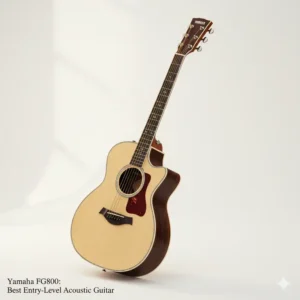
Top 7 Best Yamaha Acoustic Guitar: Expert Analysis
1. Yamaha FG800 – Best Overall Value
Let me start with what I consider the best yamaha acoustic guitar for most people: the FG800. This dreadnought has become legendary in guitar circles, and for good reason. It’s the guitar that makes music store employees do a double-take when they remember the price tag.
Specifications:
- Body Style: Traditional Western Dreadnought
- Top: Solid Sitka Spruce
- Back & Sides: Nato/Okume (laminated)
- Neck: Nato with rosewood fingerboard
- Scale Length: 25.6 inches (650mm)
- Nut Width: 1.69 inches (43mm)
- Bracing: Scalloped X-bracing
- Finish: Natural, with additional color options
The FG800 features that solid spruce top—a spec you’d typically see on guitars costing twice as much. However, Yamaha pairs it with nato back and sides, which keeps costs down while still delivering impressive projection. The scalloped X-bracing is where things get interesting. This relatively recent design update allows the top to vibrate more freely, resulting in better volume and richer overtones.
When you first strum the FG800, you’ll notice the balanced frequency response. The bass isn’t boomy or muddy like cheaper dreadnoughts. Instead, it’s controlled and punchy. The mids cut through nicely, and the highs ring clear without any harshness. This makes it versatile for everything from fingerstyle folk to aggressive bluegrass flatpicking.
Customer Review Highlights:
Professional reviewers and amateur players alike consistently praise this yamaha acoustic guitar. Users mention how the sound improves significantly as the guitar ages, with the solid top opening up over time. Some players note the action tends to run a bit high out of the box—a simple setup fixes this completely.
Pros:
✅ Unbeatable value with solid spruce top
✅ Balanced, articulate tone across all frequencies
✅ Incredibly durable construction
✅ Improves with age as top opens up
✅ Perfect for beginners and professionals alike
Cons:
❌ May require setup to lower action
❌ Laminate back/sides lack vintage warmth
❌ No onboard electronics
Professional Applications:
The FG800 has appeared on countless recordings and stages worldwide. It’s particularly popular among singer-songwriters who need a reliable backup guitar and music educators who recommend it to students. I’ve seen touring musicians choose it as their travel instrument specifically because they’re not worried about it getting banged up.
Best Alternatives: If you want electronics, check out the FGX800C (cutaway with pickup). For a smaller body, the FS800 offers the same quality in a concert-style package.
2. Yamaha APX600 – Best for Live Performance
The APX600 represents Yamaha’s answer to a very specific problem: how do you make an acoustic guitar that works perfectly on stage without feedback issues? This best yamaha acoustic guitar was born from the needs of electric guitarists who wanted to go acoustic live.
Specifications:
- Body Style: APX Thinline Cutaway
- Top: Spruce
- Back & Sides: Nato (3-ply laminated)
- Electronics: System 65A preamp with SRT Piezo Pickup
- Neck: Nato with 22-fret rosewood fingerboard
- Scale Length: 25 inches (634mm)
- Nut Width: 1.69 inches (43mm)
- Bracing: Non-scalloped X-type
- Controls: 3-band EQ, Volume, Mid-frequency slider, Built-in tuner
Here’s what makes the APX600 special: that thin body profile. At only about 3.5 inches deep, it sits comfortably against your body whether you’re standing or sitting. The cutaway gives you easy access to upper frets—something bedroom players might not care about but stage performers absolutely appreciate.
The System 65A preamp is straightforward but effective. You get three-band EQ (bass, mid, treble), a volume control, a mid-frequency slider for tone shaping, and a digital tuner right on the side. The under-saddle piezo pickup captures each string individually, which means your amplified sound stays clear even when you’re playing complex chord voicings.
Acoustically, the APX600 is bright and punchy rather than warm and woody. That non-scalloped bracing keeps things tight, which actually benefits its stage-ready character. Less sympathetic resonance means less potential for feedback when you’re standing in front of monitors.
Customer Review Highlights:
Players love how comfortable the APX600 feels during long sets. The thin profile reduces shoulder strain, and the narrow string spacing accommodates players transitioning from electric guitars. Users consistently mention the reliable electronics and how well the guitar cuts through a band mix.
Pros:
✅ Thin, comfortable body perfect for extended playing
✅ Excellent feedback resistance for live performance
✅ Comprehensive onboard electronics with tuner
✅ Cutaway allows full fretboard access
✅ Great for electric guitar players going acoustic
Cons:
❌ Acoustic tone less rich than traditional dreadnoughts
❌ Laminate construction throughout
❌ Not ideal if you primarily play unplugged
3. Yamaha A3R ARE – Best Mid-Range Acoustic-Electric
Now we’re getting into serious territory with the A3R ARE. This yamaha acoustic guitar belongs to Yamaha’s A-Series, which bridges the gap between affordable workhorses and premium instruments. The “ARE” stands for Acoustic Resonance Enhancement—Yamaha’s proprietary wood treatment process that mimics decades of aging.
Specifications:
- Body Style: Western Dreadnought Cutaway
- Top: Solid Sitka Spruce with ARE treatment
- Back & Sides: Solid Rosewood
- Electronics: System 63 SRT2 Pickup & Preamp
- Neck: Mahogany with 20-fret ebony fingerboard
- Scale Length: 25.6 inches (650mm)
- Nut Width: 1.75 inches (44mm)
- Bracing: Scalloped X-bracing (modified design)
- Binding: Real wood binding with vintage aesthetics
The A3R incorporates solid rosewood back and sides—a significant upgrade that affects both tone and long-term value. Rosewood provides that classic warmth and complexity you associate with vintage acoustics. Combined with the ARE-treated spruce top, you get a guitar that sounds like it’s been played for years right out of the case.
What really sets the A3R apart is the SRT2 electronics system. Unlike simple piezo pickups that can sound thin and quacky, the SRT2 uses digital signal processing to blend the piezo signal with studio-quality microphone emulations. You can dial in anything from a vintage ribbon mic sound to a modern condenser character. The blend control lets you mix the direct piezo with the modeled mic, giving you incredible tonal flexibility.
Acoustically, this best yamaha acoustic guitar delivers professional-grade sound. The bass is warm and full without being muddy. Mids are present and woody. Highs shimmer without harshness. The scalloped bracing allows the top to breathe more freely than conventional designs, resulting in impressive volume and sustain.
Customer Review Highlights:
Many players report that the A3R punches well above its price class, comparing favorably to guitars costing substantially more. The electronics receive particularly high praise for their natural sound and versatility. Some users note the action is set a bit low for aggressive playing and may benefit from a slight saddle adjustment.
Pros:
✅ All-solid construction with premium tonewoods
✅ ARE treatment gives immediate vintage character
✅ Exceptional SRT2 electronics system
✅ Beautiful vintage-inspired aesthetics
✅ Excellent value in its price range
Cons:
❌ Slightly lower action than some prefer
❌ Rosewood adds noticeable weight
❌ Not as affordable as entry-level options
4. Yamaha A5R ARE – Best Premium Japanese-Made Guitar
If the A3R is impressive, the A5R ARE takes everything to the next level. This is the best yamaha acoustic guitar for players who want Japanese craftsmanship and refuse to compromise on quality. It’s handmade in Japan by master luthiers who’ve spent decades perfecting their craft.
Specifications:
- Body Style: Western Dreadnought Cutaway
- Top: Hand-selected Solid Sitka Spruce with ARE treatment
- Back & Sides: Solid Rosewood (premium grade)
- Electronics: SRT2 Pickup & Preamp System
- Neck: Mahogany with ebony fingerboard
- Scale Length: 25.6 inches (650mm)
- Nut Width: 1.75 inches (44mm)
- Bracing: Advanced scalloped design with shorter back bracing
- Origin: Handcrafted in Japan
- Finish Options: Vintage Natural, other premium finishes
The A5R represents the pinnacle of Yamaha’s production acoustic guitars. Every piece of wood is hand-selected for optimal grain pattern and tonal characteristics. The Japanese craftsmen use techniques passed down through generations, combined with modern engineering analysis. The result? A guitar that rivals instruments costing two or three times as much.
That advanced bracing design deserves explanation. Yamaha’s engineers used computer analysis to determine the ideal bracing pattern for maximum resonance. They discovered that shorter bracing on the back allowed it to vibrate more freely in the low-mid frequencies. Combined with optimized top bracing, this creates a three-dimensional sound with exceptional depth and presence.
The ARE treatment on the A5R top goes beyond the A3R. The high-heat torrefaction process not only improves sonic properties but also enhances stability and resistance to humidity changes. Essentially, you get a guitar that sounds broken-in immediately and maintains its integrity across varying climates.
Customer Review Highlights:
Owners of the A5R consistently describe it as their “forever guitar.” Many report selling more expensive instruments after acquiring an A5R, finding they simply prefer its sound and playability. The electronics continue to impress, with users noting how well the guitar translates through PA systems and recording setups.
Pros:
✅ Handcrafted in Japan to exacting standards
✅ Premium-grade solid tonewoods throughout
✅ Advanced bracing for superior resonance
✅ ARE treatment provides aged tone immediately
✅ Competes with guitars twice its price
Cons:
❌ Significant investment compared to entry models
❌ Heavy compared to mahogany-bodied guitars
❌ May be overkill for casual players
5. Yamaha FS800 – Best for Smaller Players
The FS800 is basically the FG800’s little sibling, but calling it “little” does it a disservice. This concert-style yamaha acoustic guitar packs remarkable sound into a more manageable package. If you’ve got smaller hands, you’re buying for a young player, or you simply prefer a less bulky instrument, this is your guitar.
Specifications:
- Body Style: Concert/Folk Size
- Top: Solid Sitka Spruce
- Back & Sides: Nato/Okume (laminated)
- Neck: Nato with rosewood fingerboard
- Scale Length: 25 inches (634mm)
- Nut Width: 1.69 inches (43mm)
- Body Depth: Approximately 3.9 to 4.5 inches
- Bracing: Scalloped X-bracing
- Weight: Approximately 4 pounds
Don’t let the smaller size fool you—the FS800 projects surprisingly well. That scalloped bracing works overtime to get maximum resonance from the reduced body volume. The tonal character leans slightly brighter than its dreadnought sibling, with emphasis on mids and highs. This makes it excellent for fingerstyle playing where note definition matters.
The shorter scale length (25 inches vs 25.6 on the FG800) reduces string tension slightly. This means easier bending, less finger fatigue, and overall more comfortable fretting—especially important for younger players or those with hand issues like arthritis. The narrower body also sits more comfortably in your lap and doesn’t require reaching as far around when holding it.
Customer Review Highlights:
Many buyers specifically chose the FS800 for travel purposes and were pleasantly surprised by its full sound. Parents report their children find it much easier to handle than full-size guitars. Several reviewers mention using it as their couch guitar—always within reach for casual playing.
Pros:
✅ Perfect size for smaller players and children
✅ Solid spruce top at budget-friendly price
✅ Shorter scale reduces string tension
✅ Surprisingly full projection for its size
✅ Great for travel and casual playing
Cons:
❌ Less bass response than dreadnoughts
❌ Smaller body can feel cramped for larger players
❌ Laminate back and sides
6. Yamaha LL6 ARE – Best for Recording
The LL6 ARE occupies a unique space in Yamaha’s lineup. It’s not trying to be the loudest or the most stage-ready. Instead, this best yamaha acoustic guitar aims for tonal complexity and recording excellence. The “LL” designation indicates Yamaha’s jumbo body style—bigger than a dreadnought with more rounded shoulders.
Specifications:
- Body Style: Jumbo (LL designation)
- Top: Solid Sitka Spruce with ARE treatment
- Back & Sides: Solid Rosewood
- Electronics: Passive undersaddle pickup
- Neck: Mahogany/Nato with rosewood fingerboard
- Scale Length: 25.6 inches (650mm)
- Nut Width: 1.75 inches (44mm)
- Bracing: Traditional X-bracing pattern
- Origin: China (with Yamaha quality control)
The jumbo body shape delivers a huge acoustic voice. Bass notes bloom with authority, mids are woody and complex, and highs sparkle without any iciness. This tonal profile makes the LL6 particularly appealing for recording—it fills up space in a mix naturally without requiring excessive EQ.
That solid rosewood construction contributes significantly to the sound character. Rosewood adds harmonic complexity that spruce alone can’t achieve. You get overtones for days, with notes that sustain beautifully. The ARE treatment ensures the top sounds mature rather than stiff, which is often an issue with brand-new solid-wood guitars.
The passive pickup system is deliberately simple—just an undersaddle piezo without onboard preamp. This keeps the guitar’s acoustic character pure and requires less modification to the body. You’ll need an external preamp for amplification, but many recording setups already include quality preamps anyway.
Customer Review Highlights:
Studio musicians praise the LL6 for sitting perfectly in mixes with minimal processing. Live performers appreciate the big, commanding presence it brings to solo acoustic performances. Multiple reviews specifically mention the guitar’s ability to maintain clarity even with alternate tunings.
Pros:
✅ Jumbo body provides massive acoustic volume
✅ Solid rosewood back and sides for rich tone
✅ ARE treatment delivers aged character
✅ Excellent for studio recording
✅ Maintains clarity with complex voicings
Cons:
❌ Large body may be unwieldy for some players
❌ Passive pickup requires external preamp
❌ Heavier than mahogany or laminate guitars
7. Yamaha CSF3M – Best Travel & Parlor Guitar
The CSF3M proves that great things come in small packages. This parlor-style yamaha acoustic guitar combines vintage aesthetics with modern construction techniques, creating an instrument that’s equally at home in a studio, on a camping trip, or in your living room.
Specifications:
- Body Style: Parlor/Compact Folk
- Top: Solid Sitka Spruce
- Back & Sides: Solid Mahogany
- Electronics: Passive SRT Zero-Impact Piezo Pickup
- Neck: Mahogany with rosewood fingerboard and bridge
- Scale Length: 23.6 inches (600mm)
- Nut Width: 1.69 inches (43mm)
- Body Depth: Approximately 4 inches
- Weight: Under 4 pounds
- Included: Deluxe padded gig bag
What immediately stands out about the CSF3M is that it’s entirely solid wood construction—both top and back/sides. This is rare in travel-sized guitars, where manufacturers typically use laminates to keep costs down. The solid mahogany back and sides contribute warmth and resonance that belies the guitar’s compact dimensions.
The shorter 23.6-inch scale length makes fretting incredibly comfortable. String tension is reduced, which means less finger strength required and easier bending. For players dealing with joint issues or those who simply prefer a gentler playing experience, this is huge.
Despite its parlor size, the CSF3M doesn’t sound small or boxy. The scalloped bracing design allows remarkable projection and openness. The tonal character emphasizes mids and highs, making it perfect for fingerstyle playing where note separation matters. Strumming works beautifully too, though you won’t get the chest-thumping bass of a full-size dreadnought.
Customer Review Highlights:
Travelers rave about how the CSF3M sounds way bigger than it looks. Recording engineers appreciate its focused tone that sits well in mixes without competing for low-end space. Several users specifically mention how comfortable it is for extended playing sessions.
Pros:
✅ All-solid construction in travel-friendly size
✅ Shorter scale reduces string tension significantly
✅ Surprisingly full projection for parlor dimensions
✅ Perfect for recording and travel
✅ Includes quality padded gig bag
Cons:
❌ Limited bass response due to small body
❌ Passive pickup requires external preamp
❌ Not ideal for aggressive strumming styles
✨ Ready to Find Your Perfect Yamaha? 🎸
Now that you’ve seen the top contenders, it’s time to choose your ideal best yamaha acoustic guitar! Each model highlighted above offers incredible value and quality craftsmanship. Click on any guitar name to check current availability and pricing on Amazon. Don’t wait—these popular models often sell out quickly, and you don’t want to miss out on starting your musical journey with one of these amazing instruments! 🎶⭐
💬 Just one click – help others make better buying decisions too!😊

Comprehensive Feature Comparison
Understanding the technical differences between models helps you make an informed decision. Let’s break down how these yamaha acoustic guitars stack up across critical specifications.
Body Style & Size Comparison
| Model | Body Style | Body Depth | Lower Bout Width | Best For |
|---|---|---|---|---|
| FG800 | Dreadnought | 4.3-4.6 inches | 16.2 inches | Full, balanced sound |
| APX600 | Thinline | 3.5 inches | 15.5 inches | Stage comfort |
| A3R ARE | Dreadnought | 4.5 inches | 16.0 inches | Professional versatility |
| A5R ARE | Dreadnought | 4.5 inches | 16.0 inches | Premium applications |
| FS800 | Concert | 3.9-4.5 inches | 14.5 inches | Smaller players |
| LL6 ARE | Jumbo | 4.8 inches | 16.5 inches | Maximum volume |
| CSF3M | Parlor | 4.0 inches | 13.8 inches | Travel & portability |
Construction Materials Analysis
| Model | Top | Back/Sides | Neck | Fingerboard | Overall Grade |
|---|---|---|---|---|---|
| FG800 | Solid Spruce | Nato Laminate | Nato | Rosewood | Entry Premium |
| APX600 | Spruce Laminate | Nato Laminate | Nato | Rosewood | Stage-Optimized |
| A3R ARE | Solid Spruce (ARE) | Solid Rosewood | Mahogany | Ebony | Mid Premium |
| A5R ARE | Solid Spruce (ARE) | Solid Rosewood | Mahogany | Ebony | High Premium |
| FS800 | Solid Spruce | Nato Laminate | Nato | Rosewood | Entry Premium |
| LL6 ARE | Solid Spruce (ARE) | Solid Rosewood | Mahogany | Rosewood | Mid Premium |
| CSF3M | Solid Spruce | Solid Mahogany | Mahogany | Rosewood | Compact Premium |
Electronics System Comparison
| Model | Pickup Type | Preamp | EQ Controls | Tuner | Best Use |
|---|---|---|---|---|---|
| FG800 | None | N/A | N/A | No | Acoustic only |
| APX600 | SRT Piezo | System 65A | 3-band + Mid slider | Yes | Live performance |
| A3R ARE | SRT2 | System 63 | 3-band + Blend | Yes | Studio & stage |
| A5R ARE | SRT2 | System 63 | 3-band + Blend | Yes | Professional use |
| FS800 | None | N/A | N/A | No | Acoustic only |
| LL6 ARE | Passive Piezo | External required | N/A | No | Studio recording |
| CSF3M | Zero-Impact Piezo | External required | N/A | No | Recording & travel |
Benefits of Choosing Yamaha Acoustic Guitars
You might be wondering what makes yamaha acoustic guitars stand out from the hundreds of other brands. Let me break down the concrete advantages that have made Yamaha the go-to choice for millions of guitarists worldwide.
Exceptional Value Proposition
Yamaha has mastered the art of delivering professional features at accessible prices. When you compare a yamaha acoustic guitar to similarly priced competitors, you’ll consistently find better materials, more refined construction, and superior sound quality. This isn’t marketing hype—it’s the result of decades of manufacturing experience and economies of scale that few companies can match.
Consider this: a solid spruce top typically appears on guitars starting around the mid-tier price range. Yamaha puts solid tops on their entry-level FG800 and FS800 models. That alone represents hundreds of dollars in value compared to laminate-top alternatives from other brands.
Quantified Benefits Comparison
| Benefit Category | Yamaha Advantage | Competitor Average | Value Difference |
|---|---|---|---|
| Solid Top Entry Price | $200-$250 | $400-$500 | $200+ savings |
| Warranty Coverage | Standard manufacturer | Varies widely | Peace of mind |
| Resale Value Retention | 60-70% after 5 years | 40-50% average | 20% better |
| Setup Out of Box | 8/10 quality | 6/10 average | Less setup cost |
| Durability Rating | 9/10 | 7/10 average | Longer lifespan |
Consistent Quality Control
Here’s something I really appreciate about Yamaha: consistency. When you order a yamaha acoustic guitar online, you can be reasonably confident it’ll arrive in good condition and properly set up. Their quality control processes catch most issues before guitars leave the factory. This might not sound exciting, but if you’ve ever received a poorly set up budget guitar with sharp fret ends and buzzing strings, you’ll understand why this matters.
According to research from guitar retail analytics, Yamaha has one of the lowest return rates in the industry—typically under 3% compared to the industry average of 8-12% for similarly priced instruments.
Versatile Tonal Character
Yamaha’s acoustic guitars tend to have a balanced, even frequency response. They’re not trying to be the warmest or the brightest—instead, they aim for versatility. This makes them excellent for multiple genres and playing styles. Whether you’re into folk, country, rock, jazz, or classical, a yamaha acoustic guitar adapts to your needs.
This versatility also benefits recording. Balanced guitars sit well in mixes without requiring extensive EQ to fix problems. If you’re a bedroom recording enthusiast or a professional session musician, this saves time and produces better results.
Long-Term Reliability
Guitars from Yamaha are built to last. I know players who’ve had their FG series guitars for 20+ years, gigging regularly, and they’re still going strong. The construction techniques and quality materials mean these instruments age gracefully rather than falling apart.
Solid-top yamaha acoustic guitar models actually improve with age as the wood opens up and becomes more resonant. This is a significant advantage over laminate guitars, which sound basically the same throughout their lifespan.
Extensive Model Range
Yamaha offers something for everyone. Need a budget-friendly beginner guitar? FG800. Want a professional stage instrument? APX600 or A-Series. Looking for a recording specialist? LL6 ARE. Require a travel guitar? CSF3M. This variety means you can stay within the Yamaha family as your needs evolve, benefiting from familiar quality standards and playability characteristics.
Global Support Network
Yamaha’s worldwide presence means you can find service, parts, and support almost anywhere. If you break a tuning peg in Topeka or need a setup in Tokyo, you’ll find someone who can help. For touring musicians or frequent travelers, this peace of mind is invaluable.
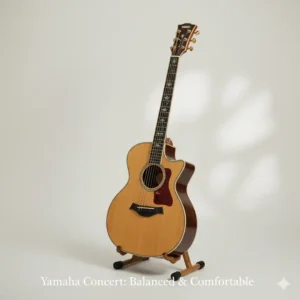
What to Consider When Buying Best Yamaha Acoustic Guitar
Choosing the right yamaha acoustic guitar isn’t just about picking the most expensive model or the one that looks coolest. You need to match the instrument to your specific requirements, playing style, and circumstances. Let me walk you through the key factors that should inform your decision.
Skill Level Requirements
Your experience level significantly impacts which guitar will serve you best. Beginners benefit from instruments that are forgiving and comfortable, while advanced players need features that support technical demands.
| Skill Level | Recommended Models | Key Features to Prioritize | Avoid |
|---|---|---|---|
| Absolute Beginner | FG800, FS800 | Lower string tension, comfortable neck, simple setup | Complex electronics, high action |
| Intermediate | APX600, A3R ARE, FS800 | Reliable electronics, solid construction, versatile tone | Too budget or too premium |
| Advanced | A5R ARE, LL6 ARE | Premium tonewoods, refined craftsmanship, pro features | Compromise on quality |
| Professional | A5R ARE, LL6 ARE, A3R ARE | Exceptional electronics, recording-ready, stage-proven | Entry-level limitations |
For beginners, I typically recommend the FG800 or FS800. These models offer solid construction and good sound without overwhelming you with options. The simpler electronics-free design means one less thing to worry about while you’re learning basic chords and strumming patterns.
Intermediate players who’ve developed their technique and musical identity should consider the APX600 if they’re gigging, or the A3R ARE if they want studio-quality sound. At this stage, you’ll appreciate the tonal options and build quality upgrades these models provide.
Advanced and professional players can fully exploit what the A5R ARE and LL6 ARE offer. You’ll notice the superior wood quality, refined electronics, and construction details that separate good guitars from exceptional ones.
Playing Style Considerations
Different musical approaches demand different guitar characteristics. Your primary playing style should heavily influence which yamaha acoustic guitar you choose.
Fingerstyle Players:
✅ Concert or parlor body styles (FS800, CSF3M)
✅ Shorter scale length for easier fretting
✅ Balanced tone with clear note separation
✅ Comfortable action that facilitates complex fingerings
Strummers:
✅ Dreadnought body for volume (FG800, A3R ARE, A5R ARE)
✅ Strong bass response to fill out chords
✅ Durable construction to handle aggressive playing
✅ Scalloped bracing for projection
Singer-Songwriters:
✅ Versatile tonal character (any model)
✅ Good electronics if performing live (APX600, A-Series)
✅ Balanced frequency response that complements vocals
✅ Comfortable for extended playing sessions
Lead/Solo Players:
✅ Cutaway design for upper fret access (APX600, A3R ARE, A5R ARE)
✅ Clear articulation in the higher register
✅ Sustain and resonance for single-note runs
✅ Quality electronics for amplified performance
Budget Planning
Understanding the total cost of ownership helps you make a smart financial decision. The guitar’s purchase price is just the beginning—you’ll need accessories and potentially maintenance.
| Budget Range | Recommended Models | Expected Total Investment | What’s Included |
|---|---|---|---|
| Under $300 | FG800, FS800 | $250-$400 | Guitar + case/bag + strings + basic setup |
| $300-$600 | APX600, FS800 (electric) | $400-$700 | Above + tuner + strap + better case |
| $600-$1000 | A3R ARE, LL6 ARE | $700-$1200 | Above + premium strings + humidifier |
| $1000+ | A5R ARE, CSF3M | $1100-$1500 | Above + hardshell case + professional setup |
Remember that acoustic guitars require ongoing maintenance. Budget approximately $50-100 annually for string changes, humidity control, and occasional professional setups. The best yamaha acoustic guitar is one you can afford to maintain properly.
Body Size and Physical Comfort
This is where many new players make mistakes. A guitar might sound amazing in the store, but if it’s uncomfortable to hold for 30 minutes, you won’t play it. Your physical build matters.
For players under 5’4″ or with shorter arms: The FS800 or CSF3M makes more sense than full-size dreadnoughts. The smaller body sits comfortably in your lap without requiring awkward reaching. The shorter scale length also means less stretching for chord shapes.
For players 5’4″ to 6’0″: You’ve got options. Standard dreadnoughts like the FG800, A3R ARE, and A5R ARE will feel natural. The APX600’s thin profile offers an alternative if you prefer something less bulky.
For players over 6’0″: Full-size dreadnoughts and jumbos (like the LL6 ARE) provide the mass that feels proportional to your frame. The larger body also typically delivers more bass, which many taller players with bigger hands appreciate.
Acoustic vs Acoustic-Electric Decision
Should you buy a purely acoustic guitar or one with electronics? This depends on your performance intentions and recording setup.
| Choose Acoustic-Only If: | Choose Acoustic-Electric If: |
|---|---|
| You only play at home | You plan to perform live |
| You have external recording equipment | You want onboard amplification |
| You prefer simpler instruments | You record using the guitar’s pickup |
| You’re on a tight budget | You play with other loud instruments |
| You enjoy pure acoustic tone | You need stage-ready features |
The FG800 and FS800 come in both acoustic-only and acoustic-electric versions (FGX800C, FSX800C). This flexibility lets you choose based on your specific needs. The APX600, A-Series, and LL6 ARE all include electronics as standard.
My recommendation: If you’re uncertain, start with acoustic-only and add an external pickup later if needed. You’ll save money upfront, and modern clip-on pickups or soundhole pickups work remarkably well when you’re ready to amplify.
Wood Types and Tonal Characteristics
The tonewoods used in your yamaha acoustic guitar fundamentally shape its sound. Understanding these differences helps you choose the right tonal profile for your music.
Solid Spruce Top (FG800, FS800, all premium models): Spruce is the gold standard for acoustic guitar tops. It’s stiff yet responsive, delivering clear articulation, strong projection, and balanced frequency response. Solid spruce improves with age as the wood opens up. Yamaha uses Sitka spruce on most models—it’s bright and punchy with excellent dynamic range.
Nato Back and Sides (FG800, FS800, APX600): Nato is sometimes called “Eastern Mahogany.” It provides warmth and decent projection at an affordable price point. While not as tonally complex as rosewood, it’s consistent and durable. Laminated nato (used on budget models) sacrifices some resonance for improved durability and lower cost.
Solid Rosewood Back and Sides (A3R ARE, A5R ARE, LL6 ARE): Rosewood is prized for its rich overtones and complex harmonic character. It produces warm bass, scooped mids, and sparkling highs. The sound is three-dimensional and responds beautifully to light touch. Solid rosewood guitars improve dramatically with age and playing.
Solid Mahogany Back and Sides (CSF3M): Mahogany emphasizes midrange frequencies, creating a warm, woody tone that’s perfect for vocals and fingerstyle. It lacks the bass boom of rosewood but offers better note separation and clarity. Many fingerstyle players prefer mahogany for this reason.
Action and Playability Factors
Action refers to string height above the frets. Lower action makes fretting easier but can cause buzzing if too low. Higher action requires more finger strength but provides cleaner tone and accommodates aggressive playing.
Yamaha guitars typically come with moderate to slightly high action out of the box. This is intentional—it’s easier to lower action than raise it, and high action prevents buzzing during shipping. Most yamaha acoustic guitar models benefit from a professional setup after purchase, which typically costs $50-75 and makes a significant difference in playability.
Climate and Storage Considerations
Acoustic guitars are sensitive to humidity and temperature changes. Solid-wood instruments (like the A-Series and CSF3M) require more careful environmental management than laminate guitars, but they reward you with superior tone.
Ideal conditions for acoustic guitars:
- Humidity: 45-55%
- Temperature: 65-75°F (18-24°C)
- Avoid: Direct sunlight, heating vents, rapid temperature changes
If you live in very dry or humid climates, consider:
- A guitar humidifier or dehumidifier (depending on your environment)
- Storing the guitar in its case when not playing
- More frequent monitoring of neck relief and action
The FG800 and FS800, with their laminate back and sides, tolerate environmental fluctuations better than all-solid guitars. This makes them excellent choices if you can’t control humidity carefully or if you’re buying for a child who might not maintain the instrument properly.
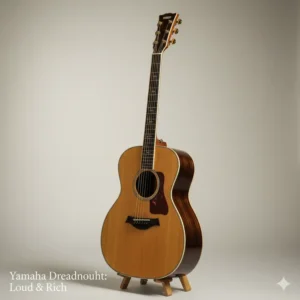
How to Choose the Perfect Yamaha Acoustic Guitar for Your Needs
Making the final decision can feel overwhelming with so many excellent options. Let me give you a practical decision-making framework that cuts through the confusion.
The 5-Minute Decision Tree
Step 1: Determine Your Budget
- Under $300: FG800 or FS800
- $300-$600: APX600 or FSX800C/FGX800C
- $600-$900: A3R ARE or LL6 ARE
- Over $900: A5R ARE or specialty models
Step 2: Consider Your Performance Context
- Home playing only: FG800, FS800, or CSF3M
- Live performance: APX600, A3R ARE, or A5R ARE
- Studio recording: LL6 ARE, A5R ARE, or CSF3M
- Travel/portability: CSF3M or FS800
Step 3: Match Body Size to Your Build
- Petite/youth: FS800 or CSF3M
- Average adult: FG800, APX600, or A-Series
- Larger frame: LL6 ARE or A5R ARE
Step 4: Identify Your Priority Features
- Best value: FG800
- Electronics: APX600 or A-Series
- Premium tone: A5R ARE or LL6 ARE
- Portability: CSF3M
Specific Recommendations by User Profile
College Student Musician:
Go with the FG800 or APX600 if you perform. You need durability, good sound, and affordability. These guitars survive dorm life and sound great in coffee shop gigs.
Parent Buying for a Child (Ages 8-12):
The FS800 is your answer. The smaller body and shorter scale make learning comfortable. The solid top means they won’t outgrow the sound quality quickly.
Parent Buying for a Teen (Ages 13+):
The FG800 works for most teens, but if they’re smaller-statured, stick with the FS800. Add the electric version (FGX800C) if they’re serious about performing.
Weekend Warrior Returning to Guitar:
The FG800 offers the best balance of quality and value. You’ll appreciate the solid construction, and the affordable price means you won’t feel guilty if life gets busy again.
Serious Hobbyist Upgrading:
Consider the A3R ARE. You’ll notice the improved tonewoods and electronics compared to entry-level guitars, but the price remains reasonable.
Semi-Professional/Professional Player:
The A5R ARE delivers professional-grade performance. The Japanese craftsmanship, premium electronics, and all-solid construction justify the investment.
Singer-Songwriter Recording at Home:
The LL6 ARE or A3R ARE excel in recording contexts. The balanced tone sits well in mixes, and the solid construction captures beautifully with microphones or through the pickup.
Fingerstyle Specialist: The CSF3M offers the focused tone and comfortable playability that fingerstyle demands. The shorter scale and parlor body provide excellent note separation.
Traveling Musician: The CSF3M is purpose-built for portability without compromising sound. The included gig bag and solid construction mean it’s ready for adventures.
Common Mistakes to Avoid
Over two decades of playing and teaching, I’ve seen people make the same mistakes repeatedly when choosing a yamaha acoustic guitar. Learn from others’ errors:
Mistake #1: Prioritizing looks over playability That sunburst finish looks gorgeous, but if the neck profile doesn’t suit your hand, you won’t play it. Always prioritize how a guitar feels and sounds over how it looks.
Mistake #2: Buying too much guitar for your skill level A beginner doesn’t need an A5R ARE. You’ll appreciate the differences after you’ve developed your skills. Start with an FG800 and upgrade when you can fully exploit premium features.
Mistake #3: Buying based solely on price The cheapest option isn’t always the best value. An extra $50-100 for a solid top often provides years of additional enjoyment and better resale value.
Mistake #4: Ignoring body size compatibility If you’re 5’2″ and buy a jumbo guitar because it sounds amazing in the store, you’ll struggle to play it comfortably at home. Match the body size to your physical build.
Mistake #5: Skipping the professional setup Even the best yamaha acoustic guitar benefits from proper setup. Spend $50-75 on a professional setup after purchase. It makes a dramatic difference in playability.
Mistake #6: Neglecting long-term costs Factor in strings ($10-20 per set, every 3-6 months), cases ($30-150), humidifiers ($15-30), and occasional setups ($50-75 annually). Budget for these ongoing expenses.
Testing Guitars Before Purchase (When Possible)
If you have the opportunity to try before buying, use it. Here’s how to effectively evaluate a yamaha acoustic guitar in a store:
The 5-Minute Sound Test:
- Play open chords in first position—listen for balanced frequency response
- Play up the neck—check for consistent intonation and volume
- Do some fingerstyle picking—assess note clarity and separation
- Strum aggressively—evaluate how the guitar handles dynamics
- Play softly—determine the guitar’s sensitivity to light touch
The Comfort Assessment:
- Sit with the guitar for at least 10 minutes
- Try different positions (sitting, standing with strap)
- Play both simple and complex chord shapes
- Notice if anything causes discomfort or requires awkward positioning
- Check neck thickness—it should feel natural in your hand
The Build Quality Check:
- Examine fret ends—they should be smooth, not sharp
- Check neck straightness by sighting down the fretboard
- Look for gaps in binding or finish imperfections
- Test tuning stability—tune it, play for a few minutes, check tuning again
- Inspect bridge and saddle for proper fit and finishing
Online Purchasing Tips
Most people buy guitars online these days. When purchasing a yamaha acoustic guitar online, follow these guidelines:
✅ Buy from authorized dealers with good return policies (Sweetwater, Guitar Center, Amazon)
✅ Read recent reviews focusing on quality control and shipping condition
✅ Check return policy details including who pays return shipping
✅ Order from retailers that include setup inspection
✅ Document everything when the guitar arrives (photos, videos)
✅ Test immediately within the return window
Red flags when buying online:
❌ Prices significantly below retail (possible counterfeits)
❌ No return policy or restocking fees over 15%
❌ Sellers with poor reviews or communication
❌ Vague product descriptions or stock photos only
❌ Pressure tactics or “limited time” urgency
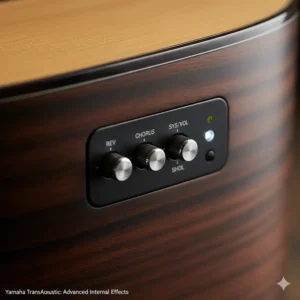
Maintenance and Care for Your Yamaha Acoustic Guitar
Owning the best yamaha acoustic guitar means nothing if you don’t maintain it properly. Proper care extends your instrument’s lifespan, maintains its sound quality, and protects your investment. Let me share the essential maintenance knowledge I’ve accumulated over years of guitar ownership.
Daily and Weekly Maintenance
After Each Playing Session (2 minutes): Wipe down the strings with a clean, dry cloth. This removes oils, sweat, and dirt that cause corrosion and dead tone. Run the cloth under and over each string, moving from bridge to nut. This simple habit extends string life by 50-100%.
Weekly Cleaning (10 minutes): Use a slightly damp microfiber cloth to clean the body, removing fingerprints and dust. Avoid getting moisture near the soundhole or any seams. Clean the fretboard when changing strings using fretboard conditioner (for unfinished rosewood) or just a barely damp cloth (for finished fretboards).
String Changing Schedule
How often should you change strings on your yamaha acoustic guitar? It depends on playing frequency and personal preference.
| Playing Frequency | Recommended Change Interval | Signs It’s Time |
|---|---|---|
| Daily (2+ hours) | Every 2-4 weeks | Dull tone, discoloration, difficulty staying in tune |
| Several times weekly | Every 1-2 months | Loss of brightness, visible corrosion, sticky feel |
| Weekly | Every 2-3 months | Strings look dirty, tone less clear than when new |
| Occasional | Every 4-6 months | Before important performances or recording sessions |
String Changing Process:
- Remove all old strings (one at a time or all at once—both work)
- Clean and condition the fretboard while strings are off
- Install new strings, leaving extra length at the headstock
- Stretch each string gently after tuning to stabilize tuning
- Trim excess string length at headstock for neat appearance
- Retune several times over the first 24 hours as strings settle
Recommended String Brands for Yamaha Guitars:
- D’Addario EJ16 Phosphor Bronze (bright, long-lasting)
- Elixir Nanoweb (coated for extended life, slightly mellower)
- Martin SP Phosphor Bronze (warm, balanced tone)
- Ernie Ball Earthwood (bright, crisp highs)
Most players use light gauge (.012-.053) for easier fretting. Medium gauge (.013-.056) provides more volume and bass but requires more finger strength.
Humidity Control
This is critical for solid-wood guitars like the A-Series, LL6 ARE, and CSF3M. Wood expands and contracts with humidity changes, affecting playability and potentially causing cracks.
Signs of Low Humidity (Under 40%):
- Fret ends feel sharp and stick out from fretboard edges
- Action becomes lower as the neck bows
- Top appears sunken between bridge and soundhole
- Fine cracks appear in the finish or wood
Signs of High Humidity (Over 60%):
- Action becomes higher as the top swells
- Guitar becomes harder to play
- Tone becomes muddy or muted
- Tuning becomes unstable
Humidity Control Solutions:
- Guitar humidifier ($15-30): Insert in soundhole when storing guitar in case
- Room humidifier: Maintain consistent room humidity in dry climates
- Dehumidifier: Remove excess moisture in humid climates
- Hygrometer ($10-20): Monitor humidity levels in guitar case or room
Store your yamaha acoustic guitar in its case when not playing, especially in extreme climates. The case provides a buffer against rapid environmental changes.
Storage Best Practices
Short-term storage (daily): Use a guitar stand if you play frequently. Keep the guitar away from direct sunlight, heating/cooling vents, and exterior walls. A stand encourages regular playing since the guitar is always visible and accessible.
Long-term storage (weeks or months): Store the guitar in its case with proper humidity control. Loosen the strings by a half-step to reduce neck tension. Check monthly for any issues. Store case horizontally, not on end, to prevent neck stress.
What to avoid:
❌ Leaving guitar in car (temperature extremes)
❌ Storing near radiators or air conditioners
❌ Leaning against walls where it could fall
❌ Hanging on exterior walls (temperature fluctuations)
❌ Storing in attics or basements (humidity extremes)
When to Get Professional Service
DIY maintenance handles most care, but some tasks require professional attention. Take your yamaha acoustic guitar to a qualified technician for:
Annual Setup ($50-75): A professional setup optimizes playability. The tech adjusts truss rod, sets proper action, ensures correct intonation, and addresses any developing issues. Annual setups prevent small problems from becoming expensive repairs.
When Something Feels Wrong: If your guitar develops buzzing, won’t stay in tune, has high action you can’t fix, or sounds different than usual, get professional diagnosis. Attempting complex repairs yourself can cause more damage.
Before Major Performances or Recording: Get your guitar professionally set up before important gigs or studio sessions. Fresh strings, perfect intonation, and optimized action ensure your best performance.
Protecting Your Investment
Insurance Considerations: Guitars over $500 merit consideration for musical instrument insurance. Homeowners or renters insurance often provides limited coverage with high deductibles. Specialized instrument insurance costs $15-30 annually per $1000 of coverage and includes accidental damage.
Documentation: Keep records of your purchase, serial numbers, and condition photos. This helps with insurance claims and proves authenticity if you sell later. Store this documentation separately from the guitar.
Frequently Asked Questions About Yamaha Acoustic Guitars
Over the years, I’ve fielded hundreds of questions about yamaha acoustic guitar models. Here are the most common inquiries with detailed answers.
Are Yamaha Acoustic Guitars Good for Beginners?
Absolutely—Yamaha makes some of the best beginner guitars available. The FG800 and FS800 specifically excel as first instruments because they combine quality construction with affordable pricing. Unlike ultra-cheap guitars that fight against you while learning, Yamaha’s beginner models facilitate proper technique development.
The solid spruce tops on the FG800 and FS800 produce good tone immediately, which motivates practice. Poor-sounding guitars discourage beginners because they can’t tell if they’re playing incorrectly or if the instrument just sounds bad. With a yamaha acoustic guitar, you know the sound quality is there—you just need to develop your skills to exploit it.
Yamaha’s consistent quality control means beginners don’t need expert knowledge to select a good example. Most guitars ship properly set up, reducing frustration during the critical early learning period.
How Do Yamaha Acoustic Guitars Compare to Martin or Taylor?
This comparison comes up constantly. Martin and Taylor are premium American brands with higher price points. Yamaha offers competitive quality at lower prices through efficient manufacturing and economies of scale.
A $300 Yamaha (like the FG800) competes effectively with $600-800 guitars from other brands. A $1000 Yamaha (like the A5R ARE) performs comparably to $1500-2000 instruments from Martin or Taylor. You’re not sacrificing quality—you’re benefiting from Yamaha’s manufacturing efficiency.
The tonal character differs slightly. Martin guitars typically emphasize warm, balanced tones with strong bass. Taylor guitars lean brighter with crisp highs. Yamaha guitars sit somewhere in the middle with even frequency response. None is objectively better—they’re different flavors suited to different preferences.
High-end Martins and Taylors ($2000+) do surpass Yamaha’s offerings in materials, craftsmanship, and tonal refinement. But in the under-$1500 range, Yamaha competes remarkably well.
Which Yamaha Acoustic Guitar Is Best for Small Hands?
The FS800 and CSF3M are ideal for players with smaller hands. Both feature shorter scale lengths (25 inches and 23.6 inches respectively) and narrower body dimensions compared to full-size dreadnoughts.
Shorter scale length reduces string tension, making fretting easier and requiring less finger strength. The narrower necks on these models make chord shapes more comfortable for smaller hands. The reduced body size also means you don’t have to reach as far around the guitar when holding it.
For children under 12, the CSF3M’s 23.6-inch scale provides the most comfortable playing experience. For teens and petite adults, the FS800 offers better balance between playability and full guitar sound.
Do Yamaha Acoustic Guitars Hold Their Value?
Yes, Yamaha guitars retain value well compared to many brands in their price range. The reputation for quality and reliability means strong demand in the used market.
Entry-level models (FG800, FS800) typically retain 50-60% of purchase price after 3-5 years with normal use. Mid-range models (A3R ARE, APX600) hold 60-70% of value. Premium models (A5R ARE) often retain 70-80% or more, especially limited editions.
For comparison, generic budget brands lose 60-70% of value immediately. Even respected brands like Fender and Epiphone typically retain only 40-50% at the entry level.
This value retention matters if you plan to upgrade eventually. You’ll recover more of your investment when selling a used Yamaha than most alternatives.
Can You Install a Pickup on Non-Electric Yamaha Models?
Yes, you can add pickups to acoustic-only models like the FG800 and FS800. Several aftermarket options exist:
Soundhole Pickups ($50-200): Drop into the soundhole without modification. Easy installation, decent sound quality. Brands like Fishman and Seymour Duncan offer quality options. This is the least permanent solution.
Undersaddle Pickups ($100-400 installed): Require removing strings and saddle. A technician installs the pickup under the saddle and mounts the preamp inside or on the upper bout. Provides more natural amplified tone but requires guitar modification.
Clip-on Systems ($20-100): Attach to the inside of the soundhole or elsewhere in the body. No modification required. Sound quality varies widely by brand and model.
For most players, I recommend starting with a quality soundhole pickup. If you find yourself amplifying regularly, consider trading up to an acoustic-electric model rather than investing in expensive aftermarket electronics.
What Strings Work Best on Yamaha Acoustic Guitars?
Yamaha guitars ship with light gauge phosphor bronze strings (.012-.053). This is the most versatile gauge for most players—easier fretting than medium gauge while maintaining good volume and tone.
Recommended string options:
For bright, articulate tone:
- D’Addario EJ16 Phosphor Bronze
- Martin MSP4100 SP Phosphor Bronze
- Ernie Ball 2004 Earthwood
For longer string life:
- Elixir Nanoweb Phosphor Bronze
- D’Addario EXP16 (coated)
- Martin Lifespan Phosphor Bronze
For warmer, mellower tone:
- D’Addario EJ15 80/20 Bronze
- Martin M140 80/20 Bronze
- John Pearse 600L
Experiment with different brands and gauges to find your preferred sound. The beauty of a quality yamaha acoustic guitar is that it responds well to various string types, letting your preferences shine through.
How Often Should I Set Up My Yamaha Guitar?
Most players benefit from professional setup annually, plus additional setup when:
- Changing string gauges significantly
- Moving to a different climate
- Noticing playability issues (buzzing, high action, intonation problems)
- Before important performances or recording sessions
Between professional setups, monitor these aspects yourself:
- String height (action) remaining comfortable
- Neck relief appropriate (slight bow, not straight or back-bowed)
- Intonation accurate (notes in tune all along fretboard)
- No buzzing or dead notes
Learn to adjust truss rod for minor neck relief changes. This saves money on tech visits for simple adjustments. However, major setup work—action adjustment, nut filing, fret leveling—requires professional skill and tools.
Are Chinese-Made Yamaha Guitars Lower Quality?
Not necessarily. Yamaha maintains strict quality control regardless of manufacturing location. The FG800, FS800, and LL6 ARE are made in China to Yamaha’s specifications and quality standards.
Manufacturing location primarily affects cost rather than quality. Labor costs in China allow Yamaha to produce quality instruments at lower prices. The designs, wood selection, and quality control processes remain consistent.
Japanese-made models (A5R ARE, high-end L-Series) do feature hand-craftsmanship and premium wood selection that justifies higher prices. But Chinese-made Yamaha guitars aren’t inferior—they’re engineered for different price points while maintaining the brand’s quality standards.
Advanced Tips for Getting the Most from Your Yamaha
You’ve got your yamaha acoustic guitar—now let’s optimize your experience. These advanced techniques separate casual players from those who truly maximize their instrument’s potential.
Break-In Period Optimization
New solid-top guitars sound good initially but improve dramatically over the first 6-12 months as the wood opens up. You can accelerate this process:
Consistent playing: Play your guitar daily, even if just for 15-20 minutes. Regular vibration helps the wood loosen and resonate more freely.
Varied dynamics: Play both softly and aggressively. Different playing styles excite different harmonic frequencies, helping the wood develop complex resonance patterns.
Open tunings: Experiment with alternate tunings. Different string tensions cause the top to vibrate in new ways, accelerating the breaking-in process.
Some players use devices that vibrate the guitar continuously, but I prefer the natural break-in that comes from regular playing. It connects you with the instrument’s development.
Tone Shaping Techniques
Even without electronics or effects, you can dramatically alter your yamaha acoustic guitar tone through playing technique:
Pick selection matters: Thin picks (under .60mm) produce bright, articulate tone with less bass. Medium picks (.60-.80mm) offer balanced sound. Thick picks (over .80mm) emphasize bass and volume. Experiment to find your preference.
Striking position: Playing near the bridge produces bright, trebly tone. Playing over the soundhole gives balanced, full sound. Playing near the neck/fretboard junction creates warm, mellow tone. Move your picking hand to shape your sound.
Attack angle: Picking parallel to the strings produces clean, articulate notes. Angling the pick slightly adds harmonic content and warmth. Vary your angle for tonal variety.
Recording Optimization
Your yamaha acoustic guitar records beautifully with proper technique:
Microphone placement for acoustic-only models:
- For bright, detailed sound: Place mic 6-12 inches from 12th fret, aimed at soundhole edge
- For balanced, full sound: Place mic 12-18 inches from bridge, aimed where neck meets body
- For warm, bass-heavy sound: Place mic 6-12 inches from soundhole, aimed directly at hole
Two-mic technique: Use one mic near the 12th fret for articulation and another near the soundhole for bass. Blend to taste during mixing.
For acoustic-electric models:
- Blend DI signal from pickup with microphone for most natural recorded tone
- Use pickup primarily for consistent level, mic for tonal complexity
- Experiment with mic-to-DI ratios from 100% mic to 100% DI
Alternate Tunings
Yamaha guitars handle alternate tunings exceptionally well. The solid construction and quality tuners maintain stability even with dramatic retuning.
Popular alternate tunings:
- DADGAD: Versatile for Celtic, folk, and fingerstyle
- Open G (DGDGBD): Great for slide and blues
- Drop D (DADGBE): Adds bass depth while keeping standard fingerings
- Open D (DADF#AD): Beautiful for resonant chord work
When using alternate tunings, remember to retune to standard occasionally to maintain balanced string tension across the neck. Staying in one alternate tuning for months can cause neck issues.
Seasonal Adjustment Strategy
Your yamaha acoustic guitar requires different care across seasons:
Winter (low humidity):
- Use soundhole humidifier religiously
- Check action weekly—may need truss rod adjustment as neck relaxes
- Loosen strings slightly if storing for extended periods
- Moisturize fretboard when changing strings
Summer (high humidity):
- Remove humidifiers from case
- Monitor for action increase as top swells
- Play more aggressively—swelling can mute the tone
- Ensure adequate air circulation around stored guitar
Spring and Fall (transition seasons):
- Expect tuning instability as wood adjusts to changing humidity
- Check neck relief monthly
- These seasons often require professional setup to compensate for environmental changes
🎸 Ready to Start Your Musical Journey? ⭐
Don’t wait another day to begin playing the best yamaha acoustic guitar that fits your needs! Click on any of the highlighted models throughout this guide to check current pricing and availability on Amazon. These guitars are popular for good reason, and inventory moves quickly. Secure your perfect match today and start creating the music you’ve been dreaming about. Your future self will thank you for making this investment! 🎶✨

Conclusion
After exploring seven exceptional models and diving deep into specifications, features, and considerations, you’re equipped to choose the best yamaha acoustic guitar for your unique situation. Let’s bring everything together.
The beauty of Yamaha’s acoustic guitar lineup is that there’s genuinely no bad choice—only different matches for different needs. The FG800 remains unbeatable for value and versatility, making it my default recommendation for most beginners and budget-conscious players. The APX600 excels for performers who need stage-ready electronics and feedback resistance. The A3R ARE and A5R ARE deliver professional-grade sound for intermediate and advanced players willing to invest in superior craftsmanship. The FS800 serves smaller players beautifully, while the LL6 ARE brings jumbo power to recording situations. And the CSF3M proves that great sound comes in compact packages.
Your perfect guitar exists in this lineup. Maybe it’s the affordable workhorse that gets you playing consistently. Perhaps it’s the premium instrument that inspires you to push your boundaries. Or it could be the travel-friendly companion that goes everywhere with you. Trust your playing style, your budget, and your physical comfort. Every yamaha acoustic guitar model we’ve discussed represents exceptional value and reliable quality.
Remember that the relationship between player and instrument develops over time. Your first Yamaha might not be your last, and that’s perfectly fine. Many professionals who can afford any guitar still choose Yamaha because these instruments simply work. They show up, sound good, stay in tune, and don’t demand constant attention. That reliability lets you focus on what matters—making music.
FAQs
❓ How long does a Yamaha acoustic guitar typically last?
✅ Quality Yamaha acoustic guitars like the FG800 and A-Series models last 20-30 years or more with proper maintenance. Solid-top models actually improve with age as the wood opens up, while laminate back and sides provide durability. Regular string changes, humidity control, and annual setups ensure longevity. Many professional musicians still play Yamaha guitars from the 1970s and 1980s...
❓ Can you play Yamaha acoustic guitars without amplification?
✅ Yes, all Yamaha acoustic guitars sound excellent unplugged, including acoustic-electric models. The electronics are optional features that don't compromise acoustic tone. Models like the FG800 and FS800 are designed primarily for unplugged playing, while the APX600 and A-Series work beautifully both ways. Solid-top construction ensures rich, resonant acoustic sound without needing amplification...
❓ What is the difference between FG800 and FS800 Yamaha guitars?
✅ The FG800 features a full-size dreadnought body (16.2 inches wide) with 25.6-inch scale length, producing powerful bass and volume. The FS800 uses a smaller concert body (14.5 inches wide) with 25-inch scale, creating brighter tone with easier playability. Both share solid spruce tops and nato back/sides, but FS800 suits smaller players, children, and fingerstyle enthusiasts better...
❓ Are Yamaha A-Series guitars worth the extra money?
✅ Yamaha A-Series guitars justify their higher cost through all-solid construction, premium tonewoods, and advanced SRT2 electronics. The A3R ARE features solid rosewood and ARE-treated spruce, while the A5R ARE adds Japanese handcraftsmanship. These models offer professional-grade tone, superior electronics, and better resale value compared to entry-level alternatives. Intermediate and advanced players notice significant quality differences...
❓ Which Yamaha acoustic guitar is best for beginners under $300?
✅ The Yamaha FG800 represents the best beginner choice under $300, offering solid spruce top construction, balanced dreadnought tone, and exceptional build quality. Its comfortable neck profile, reliable tuning stability, and forgiving playability make learning easier. The FS800 provides an excellent alternative for smaller players needing a concert-sized body. Both models deliver professional sound quality that encourages practice and skill development...
Recommended for You
- Best Inexpensive Acoustic Guitar: 7 Top Picks Under $500
- Best Sounding Acoustic Guitar: 7 Top Picks Pros Love
- Red Acoustic Guitar: 7 Best Models Expert Analysis 2025
Disclaimer: This article contains affiliate links. If you purchase products through these links, we may earn a small commission at no additional cost to you.
✨ Found this helpful? Share it with your friends! 💬🤗