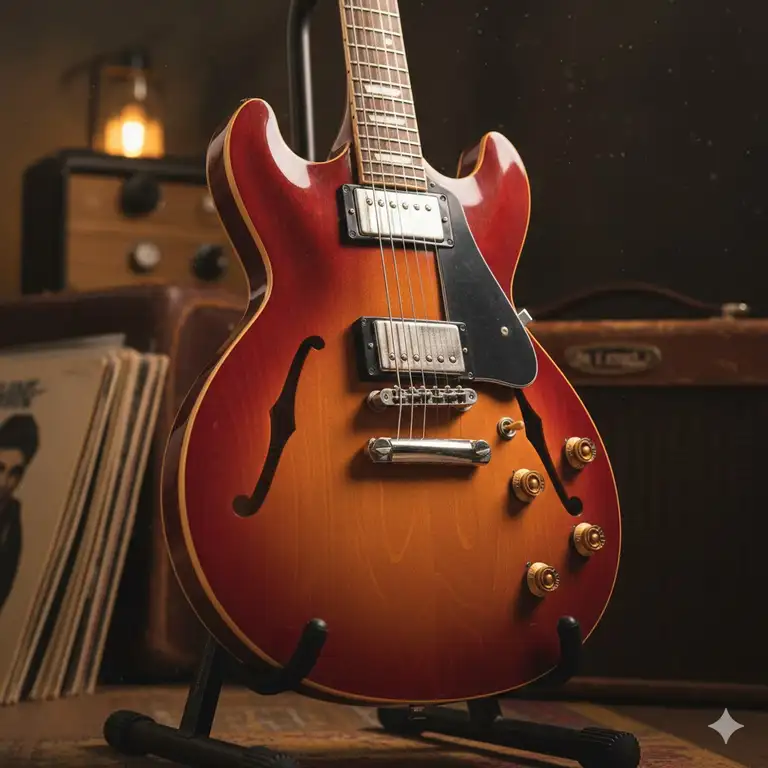
Have you ever looked at a sleek, symmetrical electric guitar and just felt a jolt of pure rock and roll energy? I know I have! That feeling, my friends, often comes from a double cut guitar—a design that is not just aesthetically pleasing but also incredibly functional. These instruments have been the backbone of countless legendary performances, from the blues-rock wails of the ’60s to the searing solos of modern metal.
But what exactly is a double cut guitar, and why should you consider one for your next musical conquest? Essentially, it’s a guitar body style featuring two distinct “horns” or indentations cut away from the upper bout. This design, which we’ll explore in detail, is a genius move for one primary reason: unimpeded access to the upper frets. Whether you’re a seasoned pro hitting those high notes in a gig or a bedroom shredder perfecting your technique, a double cutaway guitar is often the key to unlocking your full potential.
✨Was this helpful? Spread the word! 🚀
The double cut guitar has a rich, albeit sometimes complicated, history. While single cutaway guitar designs like the iconic Les Paul were dominant early on, innovators quickly realized the limitations they imposed on high-register playing. Consequently, the double cut design emerged, offering a revolutionary blend of comfort, balance, and playability. As we dive deeper, we’ll explore the subtle nuances that separate, say, a PRS double cut from a Gibson SG or even a Fender Stratocaster, which also features a form of cutaway guitar design.
This isn’t just a casual look at some cool axes; it’s a deep, expert-level dive into the specifications, performance, and value of the best double-cut guitar options on the market for 2025. We’ll meticulously break down everything from tonewoods to pickup configurations, ensuring you have all the knowledge you need before making that crucial purchase.
🛠️ Double Cut vs. Single Cut: Why the Symmetry Matters
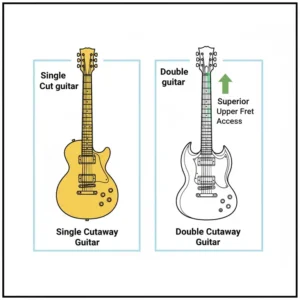
When a guitarist talks about the shape of their instrument, they’re usually referring to the “cutaway.” A cutaway guitar is one that has a scalloped indentation on the upper bout (the part of the body closest to the neck) to allow the player’s hand to comfortably reach the higher frets.
There are two primary styles:
-
Single Cut: This design features one cutaway, typically on the treble side, allowing better access to the high frets on the high E string. However, the bass-side horn often remains, sometimes obstructing the very highest frets. Think of the classic Gibson Les Paul.
-
Double Cut: This style has symmetrical or near-symmetrical cutaways on both the treble and bass sides of the neck joint. This dual-access architecture ensures that nothing, absolutely nothing, stands between your fingers and the 22nd or 24th fret. It’s all about supreme playability and a modern aesthetic.
Table 1: Technical Comparison: Double Cut vs. Single Cut Guitars
| Feature | Double Cut Guitar | Single Cut Guitar | Impact on Playability |
| Upper Fret Access | Excellent (usually 20th fret and beyond) | Good (usually limited to 17th-19th fret) | Crucial for soloing and higher-register work. |
| Body Balance | Often lighter and better-balanced, reducing neck dive. | Can be slightly heavier/imbalanced, especially with heavy bodies. | Comfort during long playing sessions. |
| Aesthetic | Modern, symmetrical, often aggressive or sporty. | Classic, traditional, iconic, and heavy-duty. | Player preference and visual stage presence. |
| Neck Joint Structure | Often utilizes deep-set or set-neck joints for stability. | Typically robust set-neck, contributing to sustain. | Affects sustain and high-frequency tone. |
| Tone Profile | Varies widely; often associated with brighter, more articulate tones (e.g., SG). | Often associated with thick, darker, more sustained tones (e.g., Les Paul). | The fundamental sound character of the instrument. |
The differences here are more than just cosmetic. Double cut guitar models are engineered for performance, providing a gateway to faster, more complex playing styles. This explains their widespread adoption across genres requiring high-velocity soloing, such as hard rock, fusion, and progressive metal.
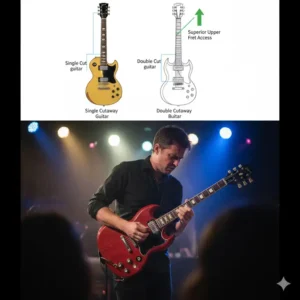
🔎 Top 7 Double Cut Guitar Models: Expert Analysis
Choosing the right double cut guitar can feel overwhelming given the incredible variety available today. I’ve conducted critical research on the market, focusing on products widely available in the USA, to bring you a meticulously detailed analysis of seven of the best options across budget, mid-range, and premium categories.
1. PRS SE Custom 24 Double Cut Guitar
The PRS SE Custom 24 Double Cut Guitar is a stunning example of how a double cutaway design can merge elegance with aggressive performance. As part of PRS‘s acclaimed SE line, it brings the core features of their flagship American-made guitars to a remarkably accessible price point. The shallow, smooth double cutaways make high-fret access a breeze, a hallmark of all Paul Reed Smith instruments.
-
Detailed Technical Specifications:
-
Body: Mahogany with a Maple top and Flamed Maple veneer.
-
Neck: Maple, Wide Thin profile.
-
Fretboard: Rosewood, 24 frets, 25-inch scale length.
-
Pickups: PRS 85/15 “S” Humbuckers.
-
Bridge: PRS Patented Tremolo.
-
Electronics: Volume, Tone (Push/Pull for coil split), 3-way blade switch.
-
-
Customer Review Analysis: Users consistently praise its exceptional build quality for the price, frequently noting the stunning finish and the “near-flawless” fretwork. The coil-splitting feature is highly valued for its versatility, transforming the humbuckers into convincing single-coil tones. However, some advanced players occasionally suggest upgrading the tremolo block for increased sustain and tuning stability under heavy use.
-
Warranty Information: PRS SE series typically includes a limited lifetime warranty covering manufacturing defects.
-
Professional Applications: Ideal for session musicians and gigging artists who need one reliable instrument capable of covering multiple genres, from sparkling clean pop to overdriven rock.
-
Pros/Cons Analysis:
-
Pros: ✅ Incredible value; iconic PRS double cut guitar aesthetics; versatile 85/15 “S” pickups; smooth playability.
-
Cons: ❌ Tremolo may need adjustment out of the box; not a true US-made PRS.
-
2. Gibson SG Standard ’61 Maestro Vibrola Double Cut Guitar
A true legend, the Gibson SG Standard ’61 Maestro Vibrola Double Cut Guitar is an unmistakable, thin-bodied rock machine. The SG‘s heritage is deeply rooted in the double cut guitar concept. Its thin Mahogany body and iconic beveled edges make it lightweight and resonance-rich. The deep, symmetrical cuts are a masterclass in functional design, cementing its place as an all-time great.
-
Detailed Technical Specifications:
-
Body: Solid Mahogany.
-
Neck: Mahogany, SlimTaper profile.
-
Fretboard: Rosewood, 22 frets, 24.75-inch scale length.
-
Pickups: Dual Gibson Burstbucker 61R (neck) and 61T (bridge) Humbuckers.
-
Bridge: ABR-1 Tune-O-Matic with Maestro Vibrola tailpiece.
-
Electronics: 2 Volume, 2 Tone, 3-way toggle switch.
-
-
Customer Review Analysis: Players adore the raw, powerful, and mid-focused tone, which is classic double-cut guitar territory. The SlimTaper neck is frequently praised for speed. A common point of discussion, however, is the Gibson SG Standard ’61 Maestro Vibrola Double-Cut Guitar‘s notorious neck dive due to the light body and strap button placement. The Maestro Vibrola is loved for its vintage feel but noted as less stable than modern tremolo systems.
-
Warranty Information: Standard Gibson Limited Lifetime Warranty, subject to registration.
-
Professional Applications: The quintessential instrument for classic rock, hard rock, and blues, often seen in the hands of legends like Angus Young.
-
Pros/Cons Analysis:
-
Pros: ✅ Authentic vintage Gibson tone and feel; excellent high-fret access; lightweight.
-
Cons: ❌ Prone to neck dive; Maestro Vibrola can be tricky for tuning stability.
-
3. Ibanez RGD61ALMS Axion Label Double Cut Guitar
Moving into the modern, high-performance category, the Ibanez RGD61ALMS Axion Label Double Cut Guitar is a machine designed for the demands of contemporary rock and metal. This double cut guitar embraces multi-scale (fanned fret) technology, optimizing string tension for lower tunings. The deep, sculpted cutaways are a signature of the Ibanez RG line, guaranteeing maximum shreddability.
-
Detailed Technical Specifications:
-
Body: Layered Ash/Nyatoh.
-
Neck: Nitro Wizard 5-piece Panga Panga/Walnut.
-
Fretboard: Macassar Ebony, 24 frets, Multi-Scale (25.5 inches to 26.7 inches).
-
Pickups: Fishman Fluence Modern Humbuckers (Ceramic/Alnico).
-
Bridge: Mono-rail bridge.
-
Electronics: Volume (Push/Pull Voice Switch), 3-way toggle.
-
-
Customer Review Analysis: Reviews are overwhelmingly positive, especially regarding the incredible clarity and high-gain performance of the Fishman Fluence pickups. Players appreciate the comfort of the multi-scale, noting that the fanned frets feel surprisingly natural after a brief adjustment period. The build quality and robust neck stability are frequently highlighted.
-
Warranty Information: Standard Ibanez 1-year limited warranty.
-
Professional Applications: Essential gear for modern progressive metal, djent, and technical rock guitarists who utilize drop tunings and complex chord voicings.
-
Pros/Cons Analysis:
-
Pros: ✅ Multi-scale performance; active Fishman pickups; exceptional upper-fret access; stable Mono-rail bridge.
-
Cons: ❌ Multi-scale can be an acquired taste; Ibanez neck profiles are very thin, which some traditional players dislike.
-
4. Fender Player Plus Stratocaster Double Cut Guitar
While often thought of as a classic single cut (due to its lack of a cutaway on the lower horn), the Stratocaster is technically a double-cut guitar with an offset design. The Fender Player Plus Stratocaster Double-Cut Guitar is an excellent mid-range model, featuring modern enhancements on a timeless design. The asymmetric double cutaways are integral to its balanced feel and legendary comfort.
-
Detailed Technical Specifications:
-
Body: Alder.
-
Neck: Maple, Modern “C” profile.
-
Fretboard: Pau Ferro or Maple, 22 frets (Medium Jumbo), 9.5-inch radius.
-
Pickups: 3 Player Plus Noiseless Single-Coil Strat pickups.
-
Bridge: 2-Point Synchronized Tremolo with Block Saddles.
-
Electronics: Volume, Tone 1 (Neck/Middle), Tone 2 (Bridge, Push/Pull for adding neck pickup).
-
-
Customer Review Analysis: Users love the noiseless pickups, which deliver that classic Fender chime without the notorious 60-cycle hum. The rolled fretboard edges and satin neck finish are consistently praised for providing a “broken-in” feel. Some purists, however, prefer the traditional cutaway guitar feel of the vintage Fender necks.
-
Warranty Information: Limited 2-year warranty from Fender.
-
Professional Applications: The ultimate utility guitar for rock, pop, funk, and country, known for its tonal versatility and workhorse reliability.
-
Pros/Cons Analysis:
-
Pros: ✅ Fender versatility; noiseless single-coil tones; comfortable Modern “C” neck; reliable tremolo system.
-
Cons: ❌ Not a traditional humbucker double-cut guitar tone; some find the Player Plus appointments too modern.
-
5. Epiphone Les Paul Muse Double Cut Guitar
The Epiphone Les Paul Muse Double Cut Guitar is an interesting and affordable spin on the double-cut guitar concept, bringing Les Paul aesthetics into a highly playable, lightweight form. It’s an accessible alternative to high-end Gibson models, offering a comfortable, contoured body and modern performance features.
-
Detailed Technical Specifications:
-
Body: Mahogany with Maple Cap and weight-relieving chambers.
-
Neck: Mahogany, Custom “C” profile.
-
Fretboard: Indian Laurel, 22 frets, 24.75-inch scale length.
-
Pickups: Alnico Classic Pro Humbuckers.
-
Bridge: LockTone Tune-O-Matic.
-
Electronics: 2 Volume (Push/Pull for coil-splitting), 2 Tone (Push/Pull for phase switch, killswitch).
-
-
Customer Review Analysis: Players are ecstatic about the sheer amount of features packed into a budget-friendly instrument—specifically the coil-splitting, phase switching, and killswitch options. The weight-relieved body is also a major highlight, making it much more comfortable for long gigs than a traditional Les Paul. Fret finishing quality can occasionally be inconsistent, according to some reports.
-
Warranty Information: Epiphone Limited Lifetime Warranty, subject to registration.
-
Professional Applications: Perfect for developing players, budget-conscious gigging musicians, or as a reliable backup instrument with diverse tonal options.
-
Pros/Cons Analysis:
-
Pros: ✅ Lightweight and comfortable; vast tonal flexibility via push/pull knobs; excellent budget double cut guitar choice.
-
Cons: ❌ Alnico Classic Pro pickups lack the clarity of high-end models; requires professional setup for optimal playability.
-
6. Schecter C-1 E/A Double Cut Guitar
For those who demand versatility and a high-end feel without a premium price tag, the Schecter C-1 E/A Double Cut Guitar is an often-overlooked masterpiece. The “E/A” stands for Electric/Acoustic, as this double cut guitar features both magnetic humbuckers and a piezo acoustic pickup system, making it two instruments in one. The deeply scalloped, aggressive double cut guitar profile is pure Schecter.
-
Detailed Technical Specifications:
-
Body: Mahogany with Flamed Maple top.
-
Neck: Mahogany 3-piece, “C” profile.
-
Fretboard: Ebony, 24 X-Jumbo frets, 25.5-inch scale length.
-
Pickups: Seymour Duncan JB (bridge) and Jazz (neck) Humbuckers + Fishman Powerchip Piezo System.
-
Bridge: TonePros System with Piezo.
-
Electronics: Magnetic Volume, Piezo Volume, Magnetic Tone, 3-way magnetic switch, 3-way (Magnetic/Both/Piezo) switch.
-
-
Customer Review Analysis: The hybrid electric/acoustic functionality is the overwhelming favorite feature, with users calling it a “game-changer” for live performance. The pairing of Seymour Duncan JB and Jazz pickups is a well-loved, versatile combination. The wide, thin neck is great for shredding but may feel chunky to players accustomed to Fender profiles.
-
Warranty Information: Schecter Limited Lifetime Warranty.
-
Professional Applications: Ideal for multi-genre musicians, worship leaders, or cover artists who need seamless transitions between electric and acoustic sounds mid-song.
-
Pros/Cons Analysis:
-
Pros: ✅ Incredible electric/acoustic versatility; premium Seymour Duncan pickups; robust build quality; excellent fret access.
-
Cons: ❌ Complex controls can be daunting; heavier than typical double cut models.
-
7. PRS S2 Vela Double Cut Guitar
The PRS S2 Vela Double Cut Guitar is a beautifully stripped-down, retro-inspired double cut guitar from the S2 line, which bridges the gap between the SE and Core models. It offers a unique body shape that is distinct from the Custom 24 but maintains the perfect high-fret access that PRS is known for. It’s a fantastic choice for those seeking a more vintage or indie vibe.
-
Detailed Technical Specifications:
-
Body: Asymmetric Beveled Mahogany.
-
Neck: Mahogany, Pattern Regular profile.
-
Fretboard: Rosewood, 22 frets, 25-inch scale length.
-
Pickups: PRS DS-01 Humbucker (bridge) and Type-D Single-Coil (neck).
-
Bridge: PRS Plate Style Bridge (hardtail).
-
Electronics: Volume, Tone (Push/Pull coil-split on bridge pickup), 3-way toggle switch.
-
-
Customer Review Analysis: Users appreciate the S2 line’s Made-in-USA quality at a more attainable price. The unique pickup configuration—a thick humbucker in the bridge and a chiming single coil in the neck—is highly valued for its distinct tonal palette, which stands apart from traditional double cut guitar models. Some wish for a vibrato/tremolo option, but the hardtail bridge is praised for its rock-solid stability and sustain.
-
Warranty Information: PRS Limited Lifetime Warranty.
-
Professional Applications: Perfect for indie rock, alternative, and blues players who want a guitar with a unique, authoritative voice and a vintage aesthetic with modern playability.
-
Pros/Cons Analysis:
-
Pros: ✅ Excellent Made-in-USA quality/value; unique pickup combination; superior tuning stability from the hardtail bridge; comfortable body shape.
-
Cons: ❌ Limited to hardtail bridge; the aesthetic is more niche than the classic Custom 24.
-
✨ Don’t Miss These Exclusive Deals! 🔍
The guitar you’ve been dreaming of is just a click away! Browse the best deals on the PRS S2 Vela Double Cut Guitar, Schecter C-1 E/A Double Cut Guitar, and other top models. Elevate your playing now!
💬 Just one click – help others make better buying decisions too!😊
🛒 Take Your Tone Further: Explore These Amazing Double Cut Guitars! 🚀
The guitars above represent the pinnacle of double cut guitar design across different price points and genres. Whether you’re chasing the vintage snarl of a Gibson SG Standard ’61 Maestro Vibrola Double Cut Guitar or the high-tech precision of the Ibanez RGD61ALMS Axion Label Double Cut Guitar, there is a perfect match waiting for you.
Table 2: Technical Specifications Matrix (Spec Matrix)
| Model Name | Body Wood (Top) | Scale Length (inches) | Pickup Config. | Bridge Type | Frets | Neck Profile |
| PRS SE Custom 24 Double Cut Guitar | Mahogany (Maple/Flame) | 25 | HH (85/15 “S”) | PRS Tremolo | 24 | Wide Thin |
| Gibson SG Standard ’61 Maestro Vibrola Double Cut Guitar | Mahogany (Solid) | 24.75 | HH (Burstbucker 61R/T) | ABR-1 w/ Vibrola | 22 | SlimTaper |
| Ibanez RGD61ALMS Axion Label Double Cut Guitar | Ash/Nyatoh (Layered) | 25.5 – 26.7 (Multi-Scale) | HH (Fishman Fluence) | Mono-rail | 24 | Nitro Wizard |
| Fender Player Plus Stratocaster Double Cut Guitar | Alder (Solid) | 25.5 | SSS (Noiseless) | 2-Point Tremolo | 22 | Modern “C” |
| Epiphone Les Paul Muse Double Cut Guitar | Mahogany (Maple/Chambered) | 24.75 | HH (Alnico Classic Pro) | LockTone TOM | 22 | Custom “C” |
| Schecter C-1 E/A Double Cut Guitar | Mahogany (Flame Maple) | 25.5 | HH + Piezo (SD JB/Jazz) | TonePros w/ Piezo | 24 | “C” Profile |
| PRS S2 Vela Double Cut Guitar | Mahogany (Beveled) | 25 | HS (DS-01/Type-D SC) | Plate Style (Hardtail) | 22 | Pattern Regular |
💰 Budget vs. Premium: Finding Your Value Sweet Spot
It’s often a mistake to equate price with quality, especially in the saturated electric guitar market. However, with a double cut guitar, a higher price often translates into superior craftsmanship, better components, and more consistent quality control. Nevertheless, the value proposition in the mid-range has never been stronger.
Table 3: Budget/Value Comparison (Budget vs. Premium)
| Category | Typical Price Range | Key Differences from Premium | Recommended Model |
| Budget/Starter | Below $700 | Non-branded pickups, synthetic nuts, lesser-known woods, poly finishes. | Epiphone Les Paul Muse Double Cut Guitar |
| Mid-Range/Prosumer | $700 – $1,500 | Branded pickups (Seymour Duncan/Fishman/PRS SE), better hardware, more intricate tops, superior fit and finish. | PRS SE Custom 24 Double Cut Guitar |
| Premium/Boutique | $1,500+ | US/Japan manufacturing, select tonewoods, nitrocellulose lacquer, top-tier hardware (locking tuners, high-end trems), hand-finished frets. | Gibson SG Standard ’61 Maestro Vibrola Double Cut Guitar |
🧐 Deeper Dive: The Mechanics of the Cutaway Guitar
The concept of the cutaway guitar is all about ergonomics meeting acoustics. In an acoustic guitar, the shape of the body heavily dictates the volume and tone. A deep single cutaway guitar like those from Taylor or Martin sacrifices a slight amount of body volume for playability. However, on an electric double cut guitar, the acoustic factor is minimal, and the design is almost entirely focused on maximizing player comfort and high-fret access.
This is where the term double cut guitar truly shines. When you’re bending a note on the 21st fret, you don’t want the bulky shoulder of the guitar body digging into the palm of your hand. The deep, often sculpted cuts of models like the Ibanez RGD61ALMS Axion Label Double Cut Guitar or the PRS SE Custom 24 Double Cut Guitar physically remove that obstruction.
Furthermore, the design often influences the guitar’s weight distribution. Because the body is typically thinner and has less mass than, say, a Gibson Les Paul, it’s generally lighter. This reduced weight is a huge benefit for gigging musicians who spend hours on stage. This is a crucial element of the double cut guitar’s appeal—it’s built for marathon performances.
🌟 Key Features and Benefits of Double Cut Guitars
Why do so many legendary players choose a double cut guitar? It’s the perfect fusion of tradition and modern innovation.
Enhanced Upper-Fret Access
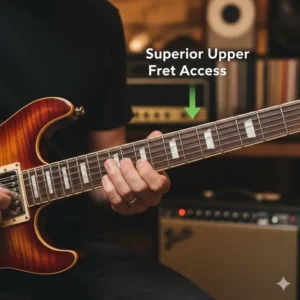
This is, unquestionably, the primary benefit. The ability to effortlessly reach the highest notes opens up new possibilities for solos and chord voicings. The symmetry often means a more balanced feel as you move your hand up the neck, which is less jarring than the asymmetrical feel of a single cut.
Aesthetic and Identity
There’s a reason the double cut guitar silhouette is so recognizable—it screams speed and modernity. From the sharp points of an SG to the refined curves of the PRS S2 Vela Double Cut Guitar, the look is sleek and dynamic. Many players feel the shape better reflects modern music and performance aesthetics.
Lighter Weight and Better Balance
As discussed, most double cut guitar designs, with exceptions, are lighter than their single-cut counterparts. This makes them significantly easier on the back and shoulder, a consideration that becomes paramount for touring professionals. While some, like the Gibson SG Standard ’61 Maestro Vibrola Double Cut Guitar, can experience neck dive due to the light body, this can often be mitigated with a wider or stickier strap.
Table 4: Key Features/Benefits Comparison
| Feature | Double Cut Guitar Benefit | Traditional Alternative Benefit | User Impact |
| Fret Accessibility | Effortless access past the 20th fret, great for shredding. | Good access up to the 19th fret, suitable for rhythm and classic solos. | Directly affects solo and high-register performance capability. |
| Weight Profile | Generally lighter, reducing physical fatigue during long gigs. | Heavier weight contributes to maximum sustain and “thicker” tone. | Comfort, portability, and tonal characteristics. |
| Design Symmetry | Balanced look and feel; modern aesthetic. | Classic, traditional look; vintage appeal. | Stage presence and personal style preference. |
| Genre Suitability | Excels in rock, metal, fusion, and progressive genres. | Ideal for blues, classic rock, jazz, and genres requiring maximum sustain. | Determines how well the guitar fits a player’s musical needs. |
🎸 Variations on the Theme: Exploring the Cutaway Guitar
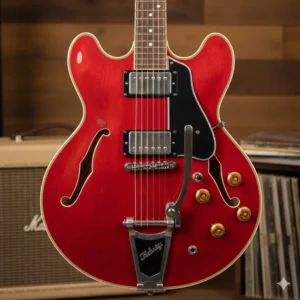
When we talk about double cut guitar models, we’re really talking about a family of cutaway guitar designs. These variations are important because they directly influence the feel and the sound.
Asymmetrical vs. Symmetrical Double Cut
-
Symmetrical: Think of the Gibson SG Standard ’61 Maestro Vibrola Double Cut Guitar or many PRS models. The two horns mirror each other, offering a balanced look and equal access on both sides.
-
Asymmetrical: The Fender Stratocaster and Jaguar are the best examples. They have two cuts, but the lower cut (bass side) is much shallower than the upper (treble side). This asymmetry still allows for high-fret access while maintaining a unique ergonomic profile. This is an important distinction when browsing for a double cut guitar.
Set-Neck vs. Bolt-On Double Cut
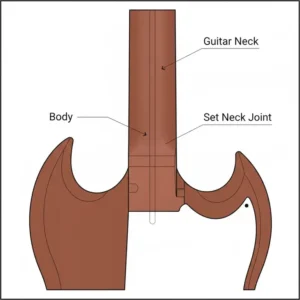
The way the neck is attached to the body—the neck joint—profoundly affects tone and sustain.
-
Set-Neck (e.g., PRS, Gibson SG, Epiphone): The neck is glued into a pocket in the body. This intimate connection maximizes wood-to-wood contact, which typically results in more sustain and a smoother heel, making high-fret access even easier.
-
Bolt-On (e.g., Fender Stratocaster, Ibanez): The neck is attached with screws. This is easier to manufacture and maintain. The tone is often brighter with more “snap” or attack, a sound characteristic of a true cutaway guitar with a bolt-on neck.
The Schecter C-1 E/A Double Cut Guitar uses a set-neck design, which is often preferred for its contribution to sustain and its smooth heel, perfectly complementing its extended 25.5-inch scale length. Understanding the neck joint is crucial because it often defines the core voice of the double cut guitar.
🧠 Buying Guide: What to Look for in a Double Cut Guitar
When you’re ready to pull the trigger on a new double cut guitar (or a cutaway guitar of any kind), consider these factors carefully.
1. The Neck Profile
The profile is the shape of the back of the neck. It’s the most personal part of the guitar.
-
SlimTaper (e.g., Gibson SG): Thin and fast, great for players with smaller hands or who prioritize speed.
-
Wide Thin (e.g., PRS): Thin but wider across the fretboard, popular for shredders.
-
Modern “C” (e.g., Fender): A comfortable, medium-thickness profile that suits most players.
If you have large hands, a chunkier neck like the PRS S2 Vela Double Cut Guitar‘s Pattern Regular might feel more natural, providing more wood to hold onto.
2. Tonewoods and Construction
The combination of woods used in the body and neck dramatically influences the fundamental, unplugged tone of the double cut guitar.
-
Mahogany: Warm, deep, and rich. A staple in Gibson and PRS double cut guitar models. It imparts a strong mid-range focus.
-
Alder/Ash: Brighter, more balanced, and clearer with a scooped mid-range. Common in Fender-style cutaway guitar instruments.
-
Maple: Used as a cap (top) or for the neck, it adds brightness, clarity, and attack to the tone. This is why the PRS SE Custom 24 Double Cut Guitar uses a Maple cap—to add punch to the Mahogany body.
3. Pickup Configuration and Electronics
Humbuckers (HH), Single-Coils (SSS), or a combination (HS, HSS) are all available in the world of the double cut guitar.
-
Humbuckers: Higher output, thicker, warmer tone. Excellent for gain and classic rock/metal (e.g., Schecter C-1 E/A Double Cut Guitar).
-
Single-Coils: Lower output, brighter, clearer, and more articulate, perfect for clean tones and blues (e.g., Fender Player Plus Stratocaster Double Cut Guitar).
Modern electronics, such as the push/pull pots on the Epiphone Les Paul Muse Double Cut Guitar and the active Fishman Fluence system on the Ibanez RGD61ALMS Axion Label Double Cut Guitar, provide immense tonal versatility by allowing you to switch between humbucker and single-coil sounds instantly. This is a must-have for the versatile contemporary guitarist.
4. Hardware Quality
Don’t overlook the tuners, bridge, and nut. These components are responsible for tuning stability and sustain.
-
Locking Tuners: A massive upgrade for stability, especially with a tremolo system.
-
Quality Nut: Bone or TUSQ (synthetic bone) are generally preferred over plastic, as they transfer vibration better and reduce string friction.
-
Bridge: A hardtail or Tune-O-Matic (Epiphone Les Paul Muse Double Cut Guitar) is great for sustain. A high-quality tremolo (PRS Patented Tremolo) is essential for players who use a whammy bar frequently.
5. Ergonomic Considerations
How does the guitar feel when sitting and standing? Does it balance well? Does the body contouring feel right? The comfort level of a specific double cut guitar is paramount to long-term satisfaction. The thin body of the SG or the belly and forearm contours of the Strat are design choices made specifically to enhance comfort.
📈 Performance Metrics and Requirements Analysis
A great double cut guitar performs on multiple levels. Here, we quantify what truly sets these instruments apart using performance metrics.
Table 5: Performance Metrics for Double Cut Guitars
| Performance Metric | Low-Range Goal | High-Range Goal | Impact on Player Experience |
| Tuning Stability | Max 1-2 cents drift per hour of heavy playing. | Near-perfect stability (less than 0.5 cents drift), even with tremolo use. | Reliability during gigs and recording; less time tuning. |
| High-Gain Noise | Acceptable hum/feedback below 7 on a gain dial. | Virtually zero noise/hum, excellent clarity even at 10 on the gain dial. | Recording quality and live performance clarity (e.g., Ibanez RGD61ALMS Axion Label Double Cut Guitar). |
| Weight | Below 9 lbs. | Ideal range of 7.5 to 8.5 lbs. | Comfort for extended playing and reduced back strain. |
| Fret Leveling | Consistent height, no major buzz. | Flawlessly level, highly polished, allowing ultra-low action without buzzing. | Speed and playability of the instrument. |
🎯 Requirements Analysis: Matching the Guitar to the Player
The “best” double cut guitar is subjective; it’s the one that best meets your specific needs.
| Player Type | Key Requirements | Recommended Double Cut Guitar Type |
| The Shredder/Metal Player | 24 Frets, Flat Radius, Thin Neck, High-Output Pickups (Active or Passive). | Ibanez RGD61ALMS Axion Label Double Cut Guitar or PRS SE Custom 24 Double Cut Guitar. |
| The Classic Rocker | 22 Frets, Medium Fret Size, P.A.F.-style Humbuckers, 24.75-inch scale. | Gibson SG Standard ’61 Maestro Vibrola Double Cut Guitar or Epiphone Les Paul Muse Double Cut Guitar. |
| The Versatile Studio/Gigging Musician | Versatile switching (coil-split), Multiple Pickup Voices (Piezo/Magnetic), Durable Hardware. | Schecter C-1 E/A Double Cut Guitar or Fender Player Plus Stratocaster Double Cut Guitar. |
💡 Double Cut Guitar Tone: More Than Just Specs
It’s tempting to think that all double cut guitar models with humbuckers sound the same, but that couldn’t be further from the truth. The thin mahogany body of a Gibson SG naturally lends itself to a biting, mid-focused, almost nasal tone that cuts through a mix like a laser. By contrast, the thicker mahogany body with a maple cap on the PRS SE Custom 24 Double Cut Guitar offers a richer, more sustained tone with clearer highs.
Therefore, when shopping, you need to consider the sonic signature of the specific double cut guitar you are examining.
-
Are you chasing a thick, sustaining voice for melodic leads? Look at PRS or Epiphone models.
-
Do you need a raw, aggressive snarl for hard rock riffs? The SG is your historical choice.
-
Is pristine clarity and complex articulation for modern genres the priority? The Ibanez RGD61ALMS Axion Label Double Cut Guitar with its Fishman Fluence pickups is engineered precisely for this.
The key is that the double cut guitar silhouette doesn’t lock you into one sound; it locks you into one level of playability—supreme high-fret access. The rest of the components determine the tone.
➡️ Ready to Shred? Click Here to Buy Your Double Cut Guitar! 🎸
Ready to experience the superior playability of a double cut guitar? Use our links to check out the current prices and special offers on all the models reviewed. Don’t just dream about great tone; make it a reality today! 🛍️

🚀 Conclusion: Finding Your Perfect Double Cut Guitar
Ultimately, the choice of a double cut guitar is a highly personal one, but I hope this deep dive has given you the expert knowledge and confidence to make an informed decision. The sheer variety—from the iconic, lightweight growl of the Gibson SG Standard ’61 Maestro Vibrola Double Cut Guitar to the technical brilliance of the Ibanez RGD61ALMS Axion Label Double Cut Guitar—means there is a perfect match out there for every budget and playing style.
The evolution of the cutaway guitar design into the functional, symmetrical double cut guitar is a testament to the pursuit of performance in the electric guitar world. By focusing on superior high-fret access, ergonomic comfort, and highly versatile electronics, these instruments remain a staple in the arsenals of guitarists across all genres.
As you embark on your search, remember that the guitar is an extension of your creative voice. Choose the instrument that not only sounds great but also feels right in your hands and inspires you to play for hours. The PRS SE Custom 24 Double Cut Guitar or the Schecter C-1 E/A Double Cut Guitar could be the key to unlocking your next musical breakthrough.
❓FAQs
✅ Yes, a double cut guitar is generally considered easier to play, especially for lead guitarists. The primary advantage is the dual cutaways, which provide unimpeded access to all frets (typically 22 to 24), making high-register soloing more comfortable than on a single cutaway guitar which often obstructs the highest frets...
✅ Many iconic guitarists have championed the double cut guitar. Examples include Angus Young (AC/DC) and Tony Iommi (Black Sabbath) who are synonymous with the Gibson SG, and Carlos Santana, John Mayer, and Mark Tremonti who are known for using various double cut PRS models. Its versatility appeals to many genres, from rock to jazz fusion...
✅ Tuning stability in a double cut guitar is primarily determined by the quality of the hardware (tuners, bridge, and nut), not the cutaway design itself. However, many double cut models are equipped with high-quality, modern locking tuners and advanced bridge systems to handle aggressive playing styles, resulting in excellent stability...
✅ Common neck profiles on a high-quality double cut guitar range from the very thin SlimTaper (Gibson SG) and Wide Thin (PRS) to the comfortable, medium-thickness Modern C (Fender). The choice depends on a player's hand size and preference for speed versus comfort. The right profile dramatically influences playability and hand fatigue...
✅ Absolutely. While modern double cut guitars often feature high-output pickups, many models are specifically designed to capture vintage tone by using pickups like the Gibson Burstbuckers or PRS 58/15 LT sets. Choosing a model with a mahogany body and a short 24.75-inch scale length will also significantly enhance the warmth and saturation associated with vintage sounds... ❓ Is a double cut guitar easier to play than a single cut guitar?
❓ Which famous guitarists use a double cut guitar design?
❓ Do double cut guitars have better tuning stability?
❓ What are common neck profiles on a high-quality double cut guitar?
❓ Can I get a vintage tone from a modern double cut guitar?
Recommended for You
- Jackson RR Guitar: The Ultimate V-Shaped Shred Machine for 2025 Built for Speed & Aggression
- Fender Lead 2 Guitar: The Amazing Secret Weapon of Tone Masters
- Edwards guitar: Why 7 Models Will Absolutely Blow Your Mind! 🤯
Disclaimer: This article contains affiliate links. If you purchase products through these links, we may earn a small commission at no additional cost to you.
✨ Found this helpful? Share it with your friends! 💬🤗