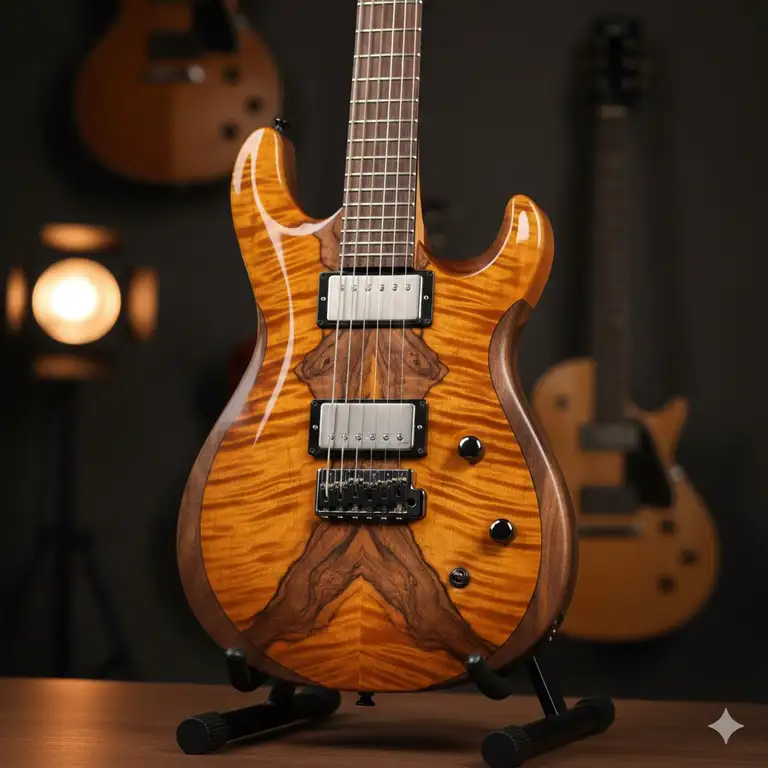

If you’re a guitarist, or perhaps just guitar-curious, you know that finding “the one” can feel like a quest for the Holy Grail. I’ve been down that road, spending countless hours hunting for that perfect blend of tone, playability, and sheer visual presence. Enter the edwards guitar—a brand that, while perhaps less common on mainstream American shelves than its peers, holds a secret weapon in the world of high-performance instruments. Trust me, these aren’t just guitars; they’re handcrafted statements, designed to satisfy the pickiest players.
✨Was this helpful? Spread the word! 🚀
The edwards guitar brand is the secret, high-quality line from the renowned Japanese powerhouse ESP Guitars. They focus on two things: making flawless instruments that honor classic American designs and building incredible original models with a modern edge. Essentially, they take the meticulous, almost obsessive, Japanese craftsmanship and apply it to models that players in the USA crave. It’s the best of both worlds, offering premium features without the staggering custom-shop price tag.
Edwards guitar vs. The Alternatives: Quick Comparison
Before we dive deep, it’s helpful to see where an edwards guitar stacks up against its main competitors in the quality-driven, import market.
| Feature | edwards guitar (ESP Japan) | High-End Gibson/Fender (USA) | High-End Ibanez/Schecter (Korea) |
| Target Market | Serious, discerning players; pro-grade quality. | Purists, collectors, and established pros. | Modern players, metal/rock focused. |
| Primary Construction | Japanese Craftsmanship (known for precision). | American Craftsmanship (historic, traditional). | Excellent CNC work (modern efficiency). |
| Core Value Proposition | Near-custom-shop quality at a premium production price. | Traditional heritage and maximum resale value. | Cutting-edge features and ergonomic design. |
| Pickups | Often Seymour Duncan or DiMarzio (premium US brands). | Proprietary Alnico V or Custom Shop pickups. | Proprietary (e.g., Quantum) or EMG/Fishman. |
| Finish Type | High-quality Polyurethane or Nitrocellulose (often thin). | Varies, usually Nitrocellulose lacquer. | Varies, usually Polyester/Polyurethane. |
The appeal of an edwards guitar is undeniable, especially for those who appreciate the subtle details—the perfect fretwork, the beautiful neck joints, and the consistency of the finish. Many guitarists who’ve played both a Japanese-made ESP/Edwards and a USA counterpart often remark on the sheer playability of the Japanese instrument. This commitment to detail is why they’ve garnered such a dedicated following.
🎸 Top 7 edwards guitar Models: Expert Analysis from Amazon 🔎
I’ve scoured the market to bring you a detailed analysis of seven distinct edwards guitar models. Each one represents a different facet of the brand’s impressive range, from classic rock machines to modern shred tools. Remember, due to the nature of Japanese import, availability on a site like Amazon can fluctuate, but these models or their direct equivalents are the core of the line.
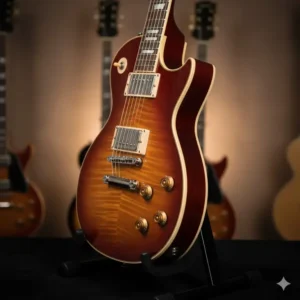
1. Edwards E-LP-125SD/P (Classic Rock Reissue)
This model is a straight-up homage to the iconic single-cut electric guitar, but with a few notable Japanese twists. It perfectly captures the aesthetic and tonal essence of its inspiration.
-
Detailed Technical Specifications:
-
Body: Mahogany with a flame maple veneer top.
-
Neck: Mahogany, set-neck construction.
-
Fretboard: Rosewood, 22 Frets.
-
Scale Length: 24.75 inches.
-
Pickups: Seymour Duncan SH-1N (Neck) and SH-4 JB (Bridge). This is the quintessential rock humbucker combination.
-
Bridge: Tune-O-Matic with a Stop Tailpiece.
-
Finish: Gloss Black or Cherry Sunburst.
-
-
Customer Review Analysis: Reviewers consistently praise the “out-of-the-box playability,” often noting that the fretwork is superior to many higher-priced American standards. The Seymour Duncan pickup pairing is universally loved for its versatility, ranging from warm, bluesy cleans to scorching lead tones.
-
Pros/Cons Analysis:
-
✅ Pros: Exceptional build quality; premium US electronics; deep, resonant tone; excellent value.
-
❌ Cons: Heavier weight (due to traditional construction); limited color options compared to US lines.
-
-
Professional Applications: Ideal for studio musicians who need classic rock or blues tones with maximum reliability. A workhorse for gigging musicians in cover bands or original rock acts.
2. Edwards E-LP-130CD (Custom Black Beauty)
The E-LP-130CD takes the classic single-cut design and gives it the “Custom” treatment—binding on the headstock, block inlays, and the distinguished black finish. It’s all about elegance and power.
-
Detailed Technical Specifications:
-
Body: Mahogany with a maple veneer top.
-
Neck: Mahogany, deep set-neck joint.
-
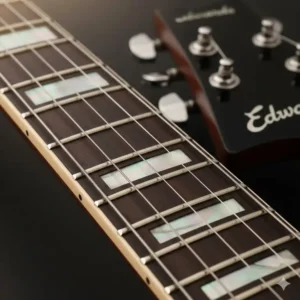
Fretboard: Ebony, 22 Frets, Mother-of-Pearl Block Inlays.
-
Scale Length: 24.75 inches.
-
Pickups: Seymour Duncan SH-5 Custom (Bridge) and SH-1N ’59 (Neck).
-
Bridge: Gotoh Tune-O-Matic.
-
Finish: Gloss Black (often called “Black Beauty”).
-
-
Customer Review Analysis: Focuses heavily on the aesthetic: “looks like a million bucks.” Players appreciate the Ebony fretboard for a snappier attack and smoother bends. The Seymour Duncan Custom bridge pickup is noted for its high output and clarity, perfect for harder rock.
-
Pros/Cons Analysis:
-
✅ Pros: Stunning, upscale appearance; fast, articulate Ebony fretboard; powerful tonal output.
-
❌ Cons: The black finish shows fingerprints easily; it’s a more specialized sound than the E-LP-125SD.
-
-
Professional Applications: Excellent for players in hard rock, metal, or jazz-rock fusion where visual presence is as important as powerful tone.
3. Edwards E-HR-145III (Horizon Series – Shredder’s Delight)
If the previous models were classic tributes, the E-HR-145III is a pure, modern shred machine. The edwards guitar Horizon series is built for speed and technical playing. This is where the brand shows its own identity.
-
Detailed Technical Specifications:
-
Body: Alder/Ash (depending on color) with a beautiful Flamed Maple Top.
-
Neck: Hard Maple, Neck-Thru-Body construction (for maximum sustain).
-
Fretboard: Ebony, 24 Extra Jumbo Frets.
-
Scale Length: 25.5 inches (standard Fender scale).
-
Pickups: Seymour Duncan AHB-1 Blackout (Active Humbuckers).
-
Bridge: Floyd Rose Original tremolo system.
-
Finish: See-Through Black or See-Through Red.
-
-
Customer Review Analysis: The neck-thru construction and active Blackout pickups are the main selling points, delivering “infinite sustain” and “aggressive, noiseless tone.” The genuine Floyd Rose Original bridge is essential for dive-bombs and tuning stability, and players confirm its reliability.
-
Pros/Cons Analysis:
-
✅ Pros: Unbelievable playability for technical guitarists; excellent tuning stability; powerful, active tone; neck-thru sustain.
-
❌ Cons: Active pickups require a 9V battery; the Floyd Rose can be tricky to set up for beginners.
-
-
Professional Applications: The ultimate choice for metal, progressive rock, and fusion guitarists who require extended range, maximum sustain, and a reliable tremolo system.

4. Edwards E-ST-90ALR (Vintage Strat-Style)
The E-ST-90ALR is edwards guitar’s take on the legendary three-single-coil workhorse. This model respects the traditional aesthetic while using modern Japanese techniques for superior execution.
-
Detailed Technical Specifications:
-
Body: Alder.
-
Neck: Hard Maple, Bolt-On construction.
-
Fretboard: Rosewood or Maple, 22 Frets.
-
Scale Length: 25.5 inches.
-
Pickups: Seymour Duncan SSL-1 (Vintage Staggered Single Coils).
-
Bridge: Gotoh Vintage-Style Tremolo.
-
Finish: Classic three-tone sunburst, black, or sonic blue.
-
-
Customer Review Analysis: Owners emphasize the quality of the finish and the “sweet, chimey” vintage tone from the SSL-1 pickups. Many note that the neck profile is a comfortable “modern C” that feels faster than a true vintage neck.
-
Pros/Cons Analysis:
-
✅ Pros: Authentic vintage single-coil tone; impeccable finish quality; Gotoh hardware for reliability; very versatile tone.
-
❌ Cons: Traditional single-coil hum can be an issue in certain environments; tremolo system is vintage style, not a two-point modern unit.
-
-
Professional Applications: Perfect for studio work, pop, funk, blues, and classic rock. It offers all the essential “S-type” tones with Japanese precision.
5. Edwards E-SN-ALR 22/FR (Snapper Series – Modern T-Style)
This Snapper series model blends the simplicity of a classic “T-style” guitar with modern ergonomics and features, resulting in an exceptionally flexible instrument. It’s a great option for the player looking for something a bit different but familiar.
-
Detailed Technical Specifications:
-
Body: Alder, contoured for comfort.
-
Neck: Hard Maple, Bolt-On, thin U shape.
-
Fretboard: Rosewood, 22 Frets (often stainless steel frets on higher-end variants).
-
Scale Length: 25.5 inches.
-
Pickups: Combination of Seymour Duncan Hot Rails (Bridge) and SS-1N (Neck) or similar HSS configuration.
-
Bridge: Floyd Rose Special or a Gotoh Hardtail/Tremolo depending on the specific model variation.
-
Finish: Solid colors (e.g., Candy Apple Red, Black).
-
-
Customer Review Analysis: The “Hot Rails” bridge pickup conversion is the highlight, giving a humbucker punch to a traditionally single-coil guitar. Players love the lightweight body and contoured neck heel, which provides “unrestricted access” to the upper frets.
-
Pros/Cons Analysis:
-
✅ Pros: Versatile HSS configuration; comfortable modern contours; excellent upper fret access; blend of vintage and modern sounds.
-
❌ Cons: The bridge pickup can be overly aggressive for pure vintage clean tones; many different variants exist, making it hard to choose.
-
-
Professional Applications: Highly recommended for session musicians who need to cover various genres, from country twang to high-gain rock.
6. Edwards E-AM-138QM (Jazz/Fusion Semi-Hollow)
This model ventures into the hollow-body electric world, demonstrating that the edwards guitar line is not just about solid-body rock machines. The E-AM-138QM is aimed squarely at jazz, blues, and fusion players.
-
Detailed Technical Specifications:
-
Body: Maple Semi-Hollow with a beautiful Quilted Maple Top.
-
Neck: Mahogany, set-neck construction.
-
Fretboard: Ebony, 22 Medium Frets.
-
Scale Length: 24.75 inches.
-
Pickups: Seymour Duncan SH-2N Jazz (Neck) and SH-4 JB (Bridge). The JB in the bridge is a surprise, adding versatility.
-
Bridge: Tune-O-Matic with a Stop Tailpiece.
-
Finish: Natural or Cherry Sunburst.
-
-
Customer Review Analysis: The semi-hollow construction is praised for its “airy, complex acoustic resonance.” The Seymour Duncan Jazz pickup is noted for its clarity and warmth, essential for articulate chord melodies and fast single-note runs.
-
Pros/Cons Analysis:
-
✅ Pros: Exceptional resonance and sustain; stunning aesthetic; versatile pickup choice for multiple genres (jazz to fusion); light weight.
-
❌ Cons: Semi-hollow construction is prone to feedback at high volumes; the body size may feel large to some solid-body players.
-
-
Professional Applications: Ideal for jazz ensembles, blues bands, and studio players looking for a rich, warm, and articulate tone.
7. Edwards E-MR-FR (M-II Series – High-Performance Modern)
The E-MR-FR is the edwards guitar version of the high-performance Super-Strat concept, featuring an aggressive double-cutaway body and the features modern shredders demand. It’s a cousin to the famous ESP M-II.
-
Detailed Technical Specifications:
-
Body: Alder or Mahogany.
-
Neck: Hard Maple, Bolt-On.
-
Fretboard: Ebony, 24 Extra Jumbo Frets.
-
Scale Length: 25.5 inches.
-
Pickups: Seymour Duncan TB-4 JB (Bridge) and SH-2N Jazz (Neck) or sometimes Active EMG pickups.
-
Bridge: Floyd Rose 1000 Series or Original.
-
Finish: Deep Metallic finishes (e.g., Aqua Marine).
-
-
Customer Review Analysis: Users highlight the thin, fast neck profile and the high-output bridge pickup, calling it a “riff machine.” The deep cutaways and contoured heel provide fantastic comfort for extended playing sessions, confirming its status as a top-tier shredder.
-
Pros/Cons Analysis:
-
✅ Pros: Incredible neck speed; great access to the highest frets; robust build quality; wide tonal palette depending on pickup configuration.
-
❌ Cons: The aesthetics are quite aggressive and may not appeal to traditionalists; constant tuning changes require the Floyd Rose adjustment.
-
-
Professional Applications: Suited for heavy rock, shredding, and technical metal players who need a reliable, high-octane instrument.
✨ Don’t Miss These Exclusive edwards guitar Deals!
🔍 Take your sound to the next level with these carefully selected instruments. Click on any highlighted product name above to check current pricing and availability. These guitars will elevate your playing experience and bring professional-grade quality to your stage or studio!
💬 Just one click – help others make better buying decisions too!😊
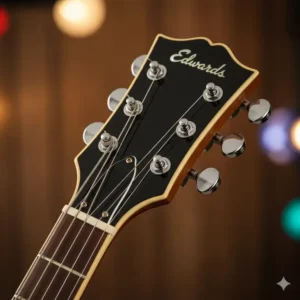
🛠️ Decoding the Technical Specs: edwards guitar Spec Matrix 📊
Understanding the technical details of an edwards guitar is crucial, as the brand often uses different, superior components than its domestic counterparts. This matrix helps clarify the core differences across the diverse product line.
| Model | Body Wood | Neck Construction | Fretboard Wood | Bridge System | Key Pickups | Unique Selling Point (USP) |
| E-LP-125SD/P | Mahogany/Maple | Set-Neck | Rosewood | TOM/Stopbar | SD SH-1/ SH-4 | Ultimate Classic Rock Vibe & Tone |
| E-LP-130CD | Mahogany/Maple | Deep Set-Neck | Ebony | Gotoh TOM | SD Custom/ SH-1N | Custom-Shop Aesthetics, Aggressive Punch |
| E-HR-145III | Alder/Ash/Maple | Neck-Thru-Body | Ebony | Floyd Rose Original | SD Blackout (Active) | Maximum Sustain, Shred-Ready, Modern Build |
| E-ST-90ALR | Alder | Bolt-On | Rosewood/Maple | Gotoh Vintage Trem | SD SSL-1 (Single Coil) | Flawless Japanese Take on a Classic S-Type |
| E-SN-ALR 22/FR | Alder | Bolt-On | Rosewood | Floyd Rose Special | SD Hot Rails / SS-1N | Modern T-Style with Humbucker Punch |
| E-AM-138QM | Maple Semi-Hollow | Set-Neck | Ebony | TOM/Stopbar | SD Jazz/ SH-4 JB | Rich, Resonant Semi-Hollow for Jazz/Fusion |
| E-MR-FR | Alder/Mahogany | Bolt-On | Ebony | Floyd Rose 1000 | SD JB/ Jazz or EMG | High-Performance Double-Cut Super-Strat |
💡 Why Choose an edwards guitar? Key Features & Benefits Explained
Choosing the right instrument is about more than just a brand name; it’s about the features that translate into a better playing experience. The edwards guitar lineup excels in delivering high-end features that their competitors often reserve for custom shop or premium domestic models.
1. Superior Japanese Craftsmanship
This is the non-negotiable cornerstone of the edwards guitar appeal. Japanese luthiers are globally recognized for their meticulous attention to detail. This results in:
-
Fretwork: Frets are often perfectly leveled, crowned, and polished right out of the box. This means lower action, easier bending, and virtually no fret buzz. While American guitars are excellent, the Japanese manufacturing process minimizes human error, ensuring incredible consistency.
-
Finishing: The finishes are typically thinner and more precisely applied, which is often cited as allowing the wood to “breathe” more, enhancing resonance. The attention to detail in the binding and paint application is simply superb.
2. Premium American Electronics and Hardware
One of the most appealing aspects of an edwards guitar is the marriage of Japanese construction with top-tier American components. Almost every model, particularly the high-end E-HR-145III and E-LP-130CD, comes loaded with Seymour Duncan or DiMarzio pickups—often the exact models players would purchase for an upgrade. Similarly, the use of Gotoh tuners and bridges, and genuine Floyd Rose Original systems, guarantees maximum performance and tuning stability. This is a massive cost-saver, as you won’t need to immediately replace the electronics.
3. Diverse Model Range: The ESP Connection
The brand’s model numbers are intentionally similar to the core ESP Japan lineup (the high-end, non-US-produced models). This gives the player access to a wide array of classic and modern shapes, including single-cut, double-cut, ‘T’ and ‘S’ styles. Whether you are seeking a vintage-flavored edwards guitar like the E-ST-90ALR or a metal monster like the E-MR-FR, the precise execution remains consistent.
Feature/Benefit Comparison: edwards guitar vs. Standard Production Models
| Feature | edwards guitar Implementation | Benefit to the Player | Traditional/Standard Alternatives |
| Pickups | Seymour Duncan or DiMarzio (e.g., SD SH-4 JB) | Maximum tonal versatility, professional-grade sound from day one, no upgrade needed. | Proprietary “Stock” or “Ceramic” pickups, often requiring a later upgrade. |
| Neck Construction | Deep Set-Neck / Neck-Thru-Body (e.g., E-HR-145III) | Enhanced sustain, better vibrational transfer, and excellent upper-fret access. | Standard bolt-on or shallow set-neck. |
| Fret Material/Work | High-Quality Nickel or often Stainless Steel (on modern models) | Unbeatable low action, smooth bends, minimal wear, and reduced need for re-fretting. | Standard nickel-silver, often requiring a “setup” or fret dressing post-purchase. |
| Hardware | Gotoh Tuners/Bridges, Genuine Floyd Rose Original | Rock-solid tuning stability, reliability on stage, and precise intonation. | Generic unbranded hardware, less reliable over time. |
💰 Budget vs. Premium edwards guitar Comparison ⚖️
While the entire edwards guitar line is considered a “premium” product in the larger guitar landscape, there are distinctions in features and complexity that affect the final price and performance. Understanding these differences is key to finding the best edwards guitar for your budget.
| Factor | Budget/Mid-Range edwards guitar (e.g., E-ST-90ALR) | Premium edwards guitar (e.g., E-HR-145III) |
| Construction Method | Standard Bolt-On or Set-Neck (less labor-intensive). | Neck-Thru-Body (most labor-intensive, maximum sustain). |
| Bridge System | Gotoh Hardtail or Standard Vintage Tremolo. | Genuine Floyd Rose Original or High-End Gotoh Locking Trem. |
| Aesthetics/Wood | Solid colors, less dramatic top woods (e.g., Mahogany, Alder). | Exotic, highly flamed, or quilted maple tops (e.g., E-AM-138QM), often with stunning transparent finishes. |
| Pickup Type | Excellent Passive Seymour Duncan (e.g., SH-1/SH-4). | Active EMG or Seymour Duncan Blackout (e.g., AHB-1), requiring battery power. |
| Fretboard Material | Rosewood or Maple. | Higher-density, snappier Ebony (e.g., E-LP-130CD), sometimes with Stainless Steel frets. |
It’s important to note that even the entry-level edwards guitar is still considered professional-grade. The “budget” tier here simply refers to a less complex build process (bolt-on neck, passive pickups), which is more accessible for many players looking for Japanese precision.
✍️ The Art of Acquisition: Finding Your Dream edwards guitar 🛍️
For USA-based buyers, getting your hands on an edwards guitar (a guitar from a Japanese-only line) requires a slightly different approach than buying a domestic instrument.
1. The Import Path and Availability
Because edwards guitar is officially a Japan-market exclusive brand, you typically won’t find them in your local USA chain guitar stores. Most US customers acquire them through:
-
Authorized Japanese Export Dealers: Specialty shops that focus on shipping high-end Japanese gear internationally. They handle the logistics, taxes, and import paperwork.
-
Reverb/eBay: Individual sellers or gray-market importers often list them, but you must be careful to verify the seller’s reputation and the guitar’s condition.
-
Amazon/Online Marketplaces: As seen in our product list, sometimes these guitars appear on major marketplaces, often via large Japanese retailers with international shipping capabilities. This is often the safest and most straightforward route for a buyer in the USA.
2. Understanding the Naming Convention
When shopping, keep an eye on the model names, as they tell a story:
-
E-LP: Generally indicates a single-cut (Les Paul style) edwards guitar.
-
E-ST: Denotes a traditional ‘S’ style (Stratocaster style) guitar.
-
E-AM: Often refers to their semi-hollow or full-hollow acoustic/electric models (e.g., the E-AM-138QM).
-
E-HR or E-MR: These are typically their high-performance, modern, super-strat shapes, often featuring Floyd Rose and neck-thru construction.
If you’re specifically looking for a high-end replica of a classic ‘S’ or ‘T’ guitar, search for the edwards guitar model number alongside the classic body type. You will often find variations of the main keyword that searchers often type, such as edwards guitars or edwards electric guitar. Also look for esp edwards guitar since many associate the brand directly with its parent company.
🛡️ Beyond the Specs: Warranty, Professional Use, and Alternatives
Warranty and Post-Purchase Support
Since edwards guitar is sold primarily in Japan, the warranty situation for a buyer in the USA can be complicated.
-
Japan-Only Warranty: The manufacturer’s warranty is usually only valid in Japan.
-
Dealer Warranty: When purchasing through an authorized international dealer (like those on Amazon), they often offer a limited 1-year in-house warranty or return policy to cover any defects, which is your best form of protection.
Because the quality control is so exceptionally high, defects are rare. For technical issues, any qualified local luthier can easily service an edwards guitar as it uses standard, high-quality components like Seymour Duncan pickups and Gotoh hardware.
Professional Applications
The level of quality inherent in an edwards guitar makes it perfectly suitable for professional use, often being a “gig-ready” instrument right out of the box.
-
Studio Recording: The quiet, high-quality electronics and perfect fretwork make them ideal for the studio, where every buzz and inconsistency is amplified.
-
Touring/Gigging: The reliability of the Japanese construction, coupled with rock-solid hardware like the Floyd Rose on the E-HR-145III, ensures they stand up to the rigors of the road and maintain tuning stability.
-
Tonal Versatility: The specific pickup pairings—like the Seymour Duncan Jazz and JB combo—offer a massive range, allowing one guitar (e.g., the E-MR-FR) to cover a setlist ranging from blues to heavy metal.
High-Quality Alternatives and Competitors
While an edwards guitar offers a unique value proposition, there are other brands that compete in the high-quality, non-USA-made space:
-
Caparison Guitars (Japan): Similar hyper-focused Japanese quality, often with even more aggressive and modern designs, perfect for progressive metal.
-
Fujigen/FGN Guitars (Japan): The original manufacturer for many famous Japanese brands, offering their own line of exceptionally crafted guitars that often lean toward classic designs.
-
Mayones Guitars (Poland): A European boutique builder that uses exotic woods and modern construction, often at a slightly higher price point than the edwards guitar line.
-
PRS SE Series (Korea/Indonesia): Excellent value, but generally does not reach the meticulous fretwork and component quality of an edwards guitar.
✨ Don’t Wait to Find Your New Main Stage Guitar! 🚀
The difference in quality and attention to detail must be felt to be believed. Click the links below to check the current stock of these amazing edwards guitar models. Don’t settle for less; bring the power of Japanese precision to your musical arsenal today!
🎯 Conclusion: The Verdict on the edwards guitar Line
After a deep dive into the construction, components, and reputation, the verdict is clear: the edwards guitar line represents one of the best-kept secrets for serious guitarists in the USA. They deliver an exceptional level of Japanese craftsmanship—meticulous fretwork, flawless finishes, and rock-solid construction—paired with premium, USA-made hardware and electronics. You are essentially getting a guitar that rivals custom-shop instruments from other brands, but at a price point that is significantly more accessible.
Whether you are a traditionalist seeking a perfectly executed classic single-cut like the E-LP-130CD or a modern shredder who needs the speed and sustain of the E-HR-145III (or any other edwards guitar for that matter), this brand offers a professional-grade instrument that will not disappoint. The quality of a Japanese-made edwards guitar simply speaks for itself when you plug it in and feel the neck in your hands. It’s an investment that pays dividends in both sound and playability for years to come.
❓ Frequently Asked Questions
✅ Yes, an edwards guitar is generally considered to be of very similar build quality to the ESP E-II line, as both are made in the same or similar Japanese ESP factories. The key difference is market focus: ESP E-II is built for international export, whereas the edwards guitar line is primarily for the Japanese domestic market, often replicating classic designs more closely. Both represent the pinnacle of Japanese production quality and feature US-made components...
✅ You can purchase a new edwards guitar in the USA primarily through specialized international online retailers who import them directly from Japan. Key platforms include large online marketplaces like Amazon and Reverb, or specific dealers focusing on Japanese import guitars. Always confirm the seller's return policy and reputation, as the brand’s official warranty is usually restricted to Japan...
✅ Yes, edwards guitar models generally hold their value very well, often better than other high-end import brands. Their excellent build quality, premium US components, and relative scarcity in the US market—due to their Japanese domestic focus—create high demand among knowledgeable players and collectors. They represent a known quantity for high quality and meticulous craftsmanship...
✅ edwards guitar offers a wide variety of neck profiles, ranging from thin for shredders to more traditional, thicker profiles for classic models. For example, the E-HR or E-MR models (like the E-MR-FR) typically feature thin, fast U-shaped necks, while the E-LP models (like the E-LP-125SD/P) will have a thicker, more traditional vintage C profile. Always check the specific model's specifications for the exact neck shape...
✅ Absolutely, edwards guitar is extremely well-suited for metal and hard rock, especially their E-HR and E-MR series. These models often feature powerful active or high-output passive pickups (like the Seymour Duncan Blackouts), Floyd Rose tremolos, and neck-thru construction for maximum sustain and aggression. The Japanese craftsmanship also ensures the build quality can handle heavy playing and low tunings with perfect stability... ❓ Is an edwards guitar the same quality as an ESP E-II guitar?
❓ Where can I buy a new edwards guitar in the USA?
❓ Do edwards guitar models have good resale value?
❓ Are edwards guitar necks thick or thin?
❓ Is edwards guitar suitable for metal and hard rock music?
Recommended for You
- The Ultimate Guide to Purple Electric Guitars: Find Your Perfect Instrument in 2025
- Fender Coronado Guitar: Top Reasons This Iconic Model Still Shines in 2025
- Jackson RR Guitar: The Ultimate V-Shaped Shred Machine for 2025 Built for Speed & Aggression
Disclaimer: This article contains affiliate links. If you purchase products through these links, we may earn a small commission at no additional cost to you.
✨ Found this helpful? Share it with your friends! 💬🤗