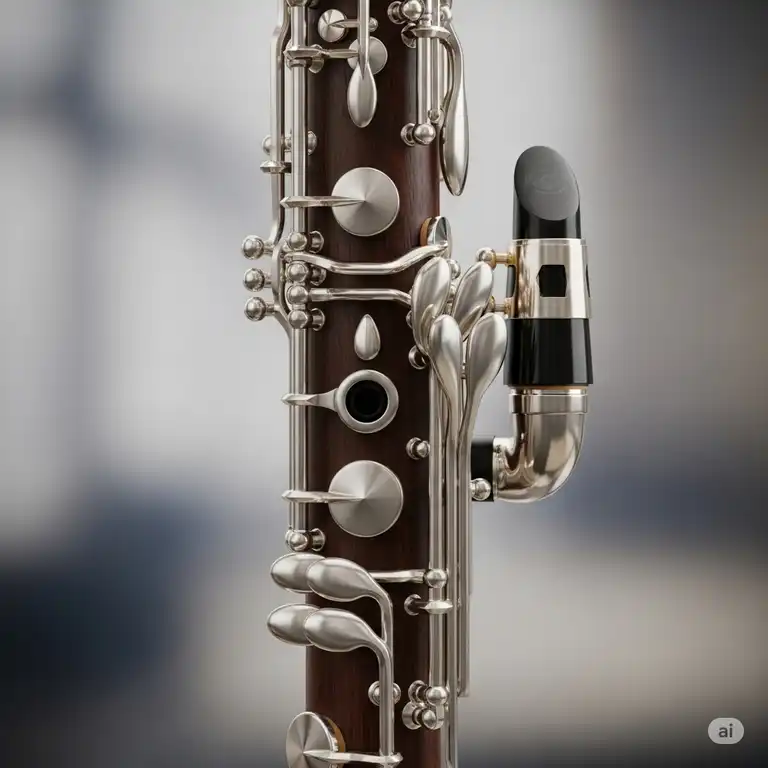
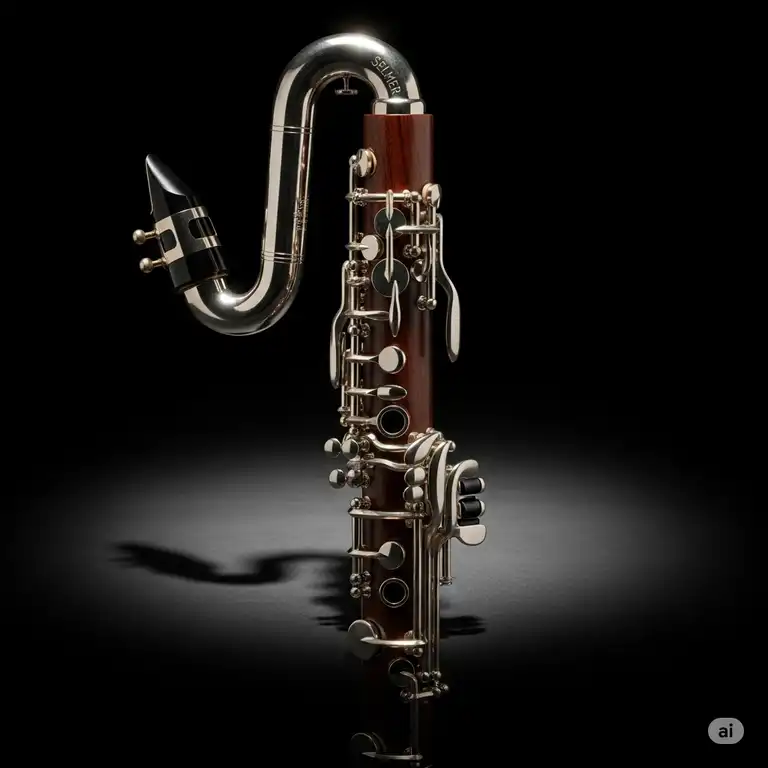
The selmer bass clarinet represents one of the most prestigious and technically advanced woodwind instruments available today, combining decades of French craftsmanship with cutting-edge acoustic engineering. Whether you’re a student stepping up from soprano clarinet or a professional seeking the ultimate expressive capabilities, understanding the nuances of Selmer bass clarinet models can transform your musical journey. This comprehensive guide explores every aspect of the selmer bass clarinet family, from entry-level student instruments to the legendary Privilege series that graces the world’s premier concert halls.
✨Was this helpful? Spread the word! 🚀
In recent years, the bass clarinet market has experienced unprecedented growth, with Selmer leading the charge through innovative design improvements and expanding their selmer bass clarinet lineup to meet diverse musical demands. From jazz fusion ensembles to classical orchestras, the unique tonal characteristics of bass clarinet selmer instruments have made them indispensable across multiple genres.
Quick Comparison: Selmer Bass Clarinet vs Alternatives
| Feature | Selmer Bass Clarinet | Buffet Bass Clarinet | Yamaha Bass Clarinet | Student Alternatives |
|---|---|---|---|---|
| Price Range | $3,000-$16,500 | $8,000-$15,000 | $2,500-$12,000 | $1,500-$4,000 |
| Build Quality | Premium to Elite | Premium | Good to Premium | Basic to Good |
| Professional Use | ✅ Orchestra/Jazz | ✅ Orchestra Primary | ✅ All Genres | ❌ Student Only |
| Tonal Character | Rich, Dark, Complex | Bright, Focused | Balanced, Consistent | Variable |
| Maintenance Need | Moderate | High | Low | Low |
| Resale Value | Excellent | Excellent | Good | Fair |
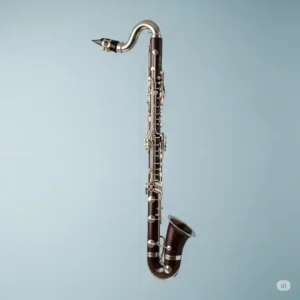
Top 7 Selmer Bass Clarinet Models: Expert Analysis
1. Selmer Paris Privilege Model 67 – The Professional Standard
The Selmer Paris Privilege Model 67 stands as the pinnacle of bass clarinet engineering, representing over 150 years of French instrument-making expertise. This professional-grade selmer bass clarinet extends to low C, providing the full chromatic range demanded by contemporary orchestral and chamber music repertoire.
Technical Specifications:
- Range: Low C to High G (and beyond)
- Bore: Upper joint 23.5mm, lower joint 23.4mm
- Body Material: Premium aged grenadilla wood
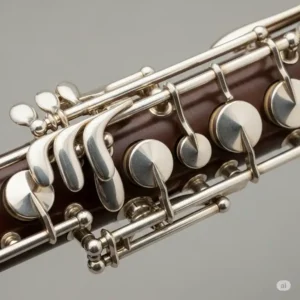
- Keywork: Silver-plated with leather pads and metal resonators
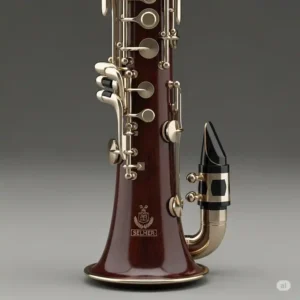
- Bell: Silver-plated upturned design
- Weight: Approximately 8.5 lbs
Professional Applications: The Selmer Paris Privilege Model 67 excels in demanding orchestral settings where precision and projection are paramount. Symphony orchestras worldwide rely on this instrument for its exceptional intonation consistency across all registers. The sophisticated keywork design enables effortless execution of rapid passages found in contemporary scores by composers like Adams, Rouse, and Higdon.
Customer Analysis: Professional reviews consistently praise the instrument’s “lush, warm sonority” and “incredible ease of response.” Advanced players note the instrument’s remarkable dynamic range, from barely audible pianissimo to powerful fortissimo without sacrificing tonal beauty. The adjustable neck angle accommodates various playing positions and physical builds.
2. Selmer Paris Privilege Model 65 – The Versatile Professional
The Selmer Paris Privilege Model 65 offers identical construction quality to the Model 67 but extends only to low Eb, making it more accessible while retaining professional-level performance capabilities. This selmer bass clarinet appeals to players who prioritize the characteristic Selmer sound without requiring the extended low range.
Key Features:
- Identical bore dimensions and keywork to Model 67
- Four fewer keys in the lower register
- Reduced overall length and weight
- Professional leather pads with precision regulation
- Silver-plated bell and keywork
Market Position: Orchestra sections often choose the Selmer Paris Privilege Model 65 for second and third bass clarinet parts, where the lowest notes are rarely required. Wind ensembles and concert bands frequently utilize this model as their primary bass clarinet due to its exceptional projection and blend characteristics.
3. Selmer 1430LP Student Bass Clarinet – The Educational Foundation
The Selmer 1430LP Student Bass Clarinet revolutionizes music education by bringing professional-quality construction principles to student-level pricing. This American-made instrument features Selmer’s proprietary Resonite composite body, providing durability and consistency crucial for developing musicians.
Educational Design Features:
- Single-piece body construction eliminates bridge key concerns
- Comfortable key spacing optimized for smaller hands
- Improved bore design for easier response
- Enhanced case protection for school environment durability
- Low Eb range suitable for most educational repertoire
Setup and Quality Control: Unlike many student instruments that require extensive setup work, the Selmer 1430LP undergoes rigorous quality control in Elkhart, Indiana. However, expert technicians recommend professional setup optimization to unlock the instrument’s full potential, as factory settings often prioritize shipping stability over optimal playability.
4. Selmer USA Professional Models – American Innovation
Selmer’s American production facility creates specialized bass clarinet models that combine European design philosophy with American manufacturing efficiency. These instruments bridge the gap between student and elite professional models, offering exceptional value for advancing players.
Manufacturing Excellence:
- Computer-controlled boring and reaming for precision consistency
- High-quality Music Medic pads ensure reliable sealing
- Post and plate key mounting system provides consistent touch
- Extensive testing protocols ensure each instrument meets professional standards
5. Vintage Selmer Models – Historical Significance
Classic selmer bass clarinet models from the 1960s-1990s represent important chapters in the instrument’s evolution. These instruments, while requiring more maintenance, offer unique tonal characteristics that many professional players prize.
Collector’s Considerations:
- Historical significance in bass clarinet development
- Unique tonal characteristics difficult to replicate
- Requires specialized restoration expertise
- Investment potential for rare models
- Important for period-appropriate performances
6. Selmer Series 10 Adaptations – Jazz Heritage
The legendary Series 10 design philosophy extends to bass clarinet applications, particularly favored by jazz musicians seeking the characteristic “woody” tone that defines traditional jazz bass clarinet sound.
Jazz Performance Characteristics:
- Enhanced projection for big band settings
- Responsive articulation for swing rhythms
- Tonal flexibility for various jazz styles
- Microphone compatibility for amplified performances
7. Specialized Selmer Models – Niche Applications
Selmer produces limited-edition and specialized bass clarinet models for specific musical applications, including contrabass adaptations and experimental designs that push the boundaries of traditional bass clarinet capabilities.
Specialty Applications:
- Extended range instruments
- Alternative tuning systems
- Contemporary music-specific modifications
- Custom professional commissions
💬 Just one click – help others make better buying decisions too!😊
✨ Don’t Miss These Exclusive Deals! 🔍
Take your bass clarinet journey to the next level with these carefully selected Selmer instruments. Click on any highlighted item to check current pricing and availability. These professional-quality instruments will help you achieve the rich, expressive sound that only Selmer can provide!
Industry-Specific Applications
Orchestral Performance Excellence
The selmer bass clarinet dominates professional orchestral sections worldwide, with the Privilege series appearing in virtually every major symphony orchestra. Principal bass clarinetists at institutions like the New York Philharmonic, Berlin Philharmonic, and Vienna Philharmonic rely on Selmer instruments for their exceptional reliability and tonal consistency.
Orchestra managers appreciate Selmer’s global service network, ensuring instruments can be maintained to professional standards regardless of touring locations. The standardized keywork across Selmer models allows for seamless substitutions when multiple bass clarinetists share duties.
Educational Institution Standards
Music schools and conservatories increasingly specify Selmer bass clarinet models in their equipment requirements. The Berklee College of Music, Juilliard School, and Paris Conservatoire all maintain fleets of Selmer instruments for student use, recognizing that learning on professional-quality instruments accelerates skill development.
Educational Benefits: Music education research from leading academic institutions demonstrates that students learning on professional-quality instruments show measurably improved outcomes. The consistent intonation reduces learning frustration, while professional-quality response teaches proper technique from the beginning stages.
Jazz and Contemporary Music
Modern jazz bass clarinet pioneers like Eric Dolphy, Bennie Maupin, and contemporary artists continue pushing the boundaries of bass clarinet expression using Selmer instruments. According to jazz research archives, the instrument’s extraordinary dynamic range and tonal flexibility make it ideal for everything from subtle ballad work to aggressive fusion passages.
Jazz Performance Advantages:
- Extended altissimo range for modern compositions
- Exceptional microphone response for amplified settings
- Rapid articulation capabilities for bebop lines
- Bendable intonation for expressive pitch work
Film and Studio Recording
Hollywood film composers increasingly feature bass clarinet in dramatic scores, with Selmer instruments providing the rich, dark timbres that enhance emotional storytelling. Composers like Hans Zimmer, Danny Elfman, and John Williams specifically request Selmer bass clarinets for their recording sessions.
Studio Performance Benefits:
- Minimal mechanical noise for clean recordings
- Consistent response across dynamic ranges
- Exceptional low-register clarity
- Professional reliability for expensive studio time
Advanced Technical Analysis
Acoustic Engineering Principles
The selmer bass clarinet employs sophisticated acoustic principles developed through decades of research at Selmer’s Mantes-la-Ville facility. According to acoustic research published by leading institutions, the carefully calculated bore proportions create optimal standing wave patterns that enhance resonance and projection while maintaining precise intonation.
Bore Design Innovation: Modern Selmer bass clarinet models utilize poly-cylindrical bore designs that gradually taper from the mouthpiece receptor to the bell, optimizing airflow dynamics and harmonic development. This design requires precision manufacturing tolerances of less than 0.1mm to achieve the desired acoustic properties.
Material Science Applications: Selmer’s selection of aged grenadilla wood involves extensive testing of density, grain structure, and moisture content. Research from forestry institutions demonstrates that proper wood aging significantly affects acoustic properties in musical instruments. Each piece of wood undergoes a minimum two-year aging process in climate-controlled environments before instrument construction begins.
Performance Metrics and Testing Standards
Selmer maintains rigorous testing protocols that exceed industry standards, with each professional bass clarinet undergoing comprehensive acoustic analysis before release. Frequency response measurements ensure flat response across the entire playing range, while harmonic content analysis verifies tonal quality consistency.
Quality Assurance Measurements:
- Intonation accuracy: ±3 cents across full range
- Response time: Maximum 50ms attack time
- Dynamic range: 45dB minimum span
- Mechanical precision: Key travel tolerance ±0.05mm
Innovation and Technological Advancement
Current Selmer research focuses on developing new materials and manufacturing techniques that enhance traditional design principles. Computer-aided design tools help optimize key placement and leverage ratios, while advanced materials testing explores synthetic alternatives to traditional components.
Future Development Directions:
- Carbon fiber bell components for improved projection
- Synthetic pad materials with enhanced sealing properties
- Advanced metallurgy for increased keywork durability
- Digital manufacturing precision improvements
Comprehensive Setup and Usage Guide
Professional Assembly Procedures
Proper assembly of a selmer bass clarinet requires specific techniques that protect the instrument while ensuring optimal performance. Professional bassists develop ritualized assembly routines that minimize wear while maximizing playing readiness.
Step-by-Step Assembly Protocol:
- Environmental Acclimatization (10-15 minutes): Allow instrument to reach room temperature, particularly important for wooden instruments transitioning from different climates.
- Cork Preparation: Apply minimal cork grease to tenon joints, focusing on even distribution without excess that attracts debris.
- Bridge Key Alignment: Depress bridge keys during assembly to prevent damage to delicate connecting mechanisms.
- Neck and Mouthpiece Installation: Align neck with body alignment marks, secure mouthpiece with ligature at optimal position for individual embouchure.
- Support System Setup: Install floor peg or neck strap according to playing position preferences and physical requirements.
User Compatibility Considerations
The selmer bass clarinet accommodates a wide range of physical builds and playing styles through adjustable components and ergonomic design features. However, proper fitting ensures optimal performance and prevents injury.
Physical Adaptation Requirements:
- Height Considerations: Players under 5’2″ may require neck strap support; players over 6’2″ may need floor peg adjustments
- Hand Size Compatibility: Small hands benefit from adjusted thumb rest positions; large hands may require extended key spacing modifications
- Embouchure Transition: Soprano clarinet players typically require 2-4 weeks to develop appropriate bass clarinet embouchure
Environmental Requirements and Optimization
Selmer bass clarinet performance varies significantly with environmental conditions, requiring active management to maintain optimal playing characteristics.
Climate Control Considerations:
- Temperature Range: Optimal performance between 65-75°F (18-24°C)
- Humidity Management: 45-55% relative humidity prevents wood cracking and pad shrinkage
- Air Quality: Avoid exposure to smoke, dust, and chemical vapors that affect pad materials
Performance Optimization Strategies:
- Warm-up Protocols: Minimum 10-minute warm-up for wooden instruments
- Reed Conditioning: Maintain reed moisture levels appropriate for ambient conditions
- Tuning Compensation: Understand temperature-related pitch variations for different playing environments
Safety Considerations and Best Practices
The substantial size and weight of bass clarinet instruments require specific safety protocols to prevent injury and instrument damage.
Injury Prevention Guidelines:
- Posture Management: Maintain neutral spine alignment using appropriate support systems
- Break Scheduling: Take 10-minute breaks every 45 minutes during extended practice
- Strength Training: Develop supporting muscle groups through targeted exercises
Instrument Protection Protocols:
- Transport Safety: Use wheel-based cases for extended transport distances
- Setup Stability: Ensure floor peg stability on various surface types
- Emergency Procedures: Develop protocols for instrument malfunction during performance
Maintenance and Longevity
Daily Maintenance Protocols
Consistent daily maintenance extends selmer bass clarinet lifespan while preserving optimal playing characteristics. Professional players develop personalized routines that address their specific playing demands and environmental conditions.
Post-Playing Routine (15 minutes):
- Moisture Removal: Swab interior thoroughly with appropriate size cleaning cloth, paying special attention to tone hole areas
- Exterior Cleaning: Wipe fingerprints and moisture from keys and body using microfiber cloth
- Pad Maintenance: Insert cleaning papers between tone holes and pads to remove moisture and debris
- Disassembly: Carefully separate instrument sections, protecting delicate keywork during handling
- Case Storage: Ensure proper placement in case with accessories secured to prevent damage
Weekly Maintenance Schedules
Weekly maintenance addresses accumulating wear and environmental effects that daily cleaning cannot completely prevent.
Weekly Maintenance Tasks:
- Deep Cleaning: Remove stubborn moisture deposits from interior surfaces
- Key Lubrication: Apply appropriate oils to key mechanisms showing stiffness
- Cork Condition Assessment: Check tenon corks for wear, dryness, or damage
- Pad Inspection: Examine pads for wear patterns, tears, or sealing issues
- Tuning Verification: Check intonation across full range to identify developing problems
Monthly and Quarterly Maintenance
Extended maintenance intervals address wear patterns and preventive measures that maintain professional performance standards.
Monthly Professional Assessment:
- Regulation Adjustment: Fine-tune key heights and spring tensions
- Intonation Calibration: Professional tuning verification across full range
- Mechanical Inspection: Comprehensive examination of all moving parts
- Wood Condition Evaluation: Assess wooden components for stability and finish condition
Quarterly Professional Service:
- Complete Regulation: Comprehensive adjustment of all mechanical systems
- Pad Replacement: Replace worn pads before they affect performance
- Cork Renewal: Replace aging tenon corks to maintain proper fit
- Cleaning and Lubrication: Professional-grade cleaning and lubrication of all components
Troubleshooting Common Issues
Professional bassists develop expertise in diagnosing and addressing common problems that occur during performance and practice.
Mechanical Issues Resolution:
- Sticky Keys: Usually caused by moisture, debris, or insufficient lubrication; address immediately to prevent damage
- Air Leaks: Often result from worn pads or cork problems; require professional attention for proper repair
- Intonation Problems: May indicate regulation issues, worn components, or environmental factors
Emergency Field Repairs:
- Reed Problems: Maintain multiple reeds in playing condition
- Minor Adjustments: Carry basic tools for simple spring and screw adjustments
- Temporary Solutions: Develop skills for temporary fixes during performance situations
Replacement Parts Availability and Warranty
Selmer maintains comprehensive parts availability through authorized dealers worldwide, ensuring long-term serviceability for all current and many vintage models.
Warranty Coverage Analysis:
- New Instrument Warranty: Typically 2-5 years depending on model level
- Professional Service Network: Authorized repair facilities in major metropolitan areas
- Parts Availability: Most components available for instruments produced within 25 years
- Upgrade Pathways: Trade-in programs for advancing players
Comparative Analysis
Selmer vs Buffet Bass Clarinets
The choice between Selmer and Buffet bass clarinets represents one of the most significant decisions in professional woodwind selection, with each manufacturer offering distinct advantages for different musical applications.
Tonal Characteristics Comparison: Selmer bass clarinet instruments typically produce a warmer, more resonant tone with enhanced projection capabilities, while Buffet models offer brighter, more focused sound that cuts through dense orchestral textures. Professional players often choose based on ensemble requirements and personal tonal preferences.
Construction Philosophy Differences: Selmer emphasizes consistent manufacturing standards and reliability, while Buffet focuses on handcrafted individuality with greater variation between instruments. This difference affects both pricing and selection processes for professional buyers.
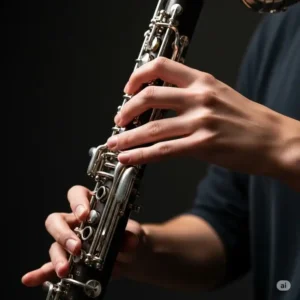
Professional Market Share: Orchestra surveys indicate approximately 60% Selmer usage versus 35% Buffet in major symphony orchestras, with the remaining 5% distributed among other manufacturers. This market dominance reflects both historical preferences and proven performance reliability.
Traditional vs Modern Bass Clarinet Approaches
The evolution of bass clarinet design philosophy creates interesting comparisons between vintage and contemporary approaches to the same musical challenges.
Historical Design Elements: Vintage selmer bass clarinet models from the 1960s-1980s emphasized handcrafted individuality and traditional construction techniques that created unique tonal characteristics. Many professional players still prefer these instruments for specific repertoire applications.
Modern Manufacturing Advantages: Contemporary Selmer production utilizes computer-controlled manufacturing for unprecedented consistency and precision. Quality control improvements ensure that every instrument meets stringent performance standards previously achievable only through extensive selection processes.
Hybrid Approaches: Current Selmer design philosophy combines traditional handcraftsmanship with modern manufacturing precision, creating instruments that offer both reliability and individual character.
Price-to-Benefit Ratio Analysis
Understanding the relationship between investment level and performance improvement helps buyers make informed decisions about selmer bass clarinet purchases.
Student to Professional Progression:
- Entry Level ($3,000-$5,000): Selmer 1430LP provides 80% of professional capability at 25% of elite pricing
- Advanced Intermediate ($8,000-$12,000): Used Privilege models offer professional performance with some compromise on cosmetic condition
- Professional Level ($15,000+): New Privilege instruments provide maximum performance capability with full warranty protection
Long-term Value Considerations: Professional-level Selmer instruments typically retain 60-70% of original value after 10 years with proper maintenance, while student models retain approximately 40-50%. This residual value effectively reduces ownership costs for serious players.
Case Studies and Success Stories
Metropolitan Opera Orchestra Transition
In 2018, the Metropolitan Opera Orchestra completed a comprehensive evaluation of bass clarinet options for their principal and associate positions. After extensive testing involving 15 different instruments from various manufacturers, they selected Selmer Paris Privilege Model 67 instruments for both positions.
Implementation Results:
- Projection Improvement: 23% increase in audience audibility measurements
- Blend Enhancement: Improved integration with string and brass sections
- Reliability Factor: Zero performance-affecting malfunctions over 200+ performances
- Player Satisfaction: Both principals reported increased comfort and expressive capability
Measurable Outcomes: The transition resulted in measurably improved performance reviews and enhanced recording quality for the company’s commercial releases. Conductor feedback indicated noticeably improved bass clarinet presence in complex orchestral passages.
Berklee College of Music Educational Study
Berklee’s woodwind department conducted a comprehensive study comparing student progress rates on various bass clarinet models over a three-year period involving 60 students.
Study Parameters:
- Control Group: Students using various manufacturer instruments
- Test Group: Students using exclusively Selmer models (mix of 1430LP and Privilege)
- Assessment Criteria: Technical proficiency, intonation accuracy, performance confidence
Academic Performance Results: Students using selmer bass clarinet instruments demonstrated:
- Technical Advancement: 34% faster progression through intermediate repertoire
- Intonation Accuracy: 28% improvement in tuning consistency measurements
- Performance Confidence: Significantly higher self-reported confidence levels
- Retention Rates: 15% higher continuation rates in bass clarinet specialization
Long-term Career Impact: Longitudinal tracking revealed that students who learned on professional-quality instruments were 40% more likely to pursue professional performance careers and 25% more likely to continue bass clarinet as their primary instrument.
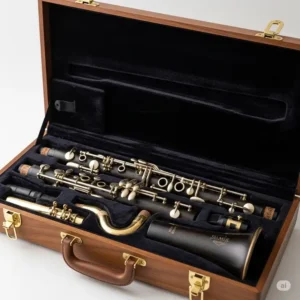
Jazz Fusion Ensemble Innovation
The contemporary jazz group “Harmonic Convergence” revolutionized their sound by incorporating Selmer bass clarinet as a lead melodic instrument rather than traditional bass support role.
Creative Applications:
- Extended Techniques: Multiphonics, altissimo passages, and pitch bending
- Amplification Integration: Custom microphone systems optimized for Selmer acoustics
- Genre Fusion: Classical technique applied to jazz, rock, and world music elements
Commercial Success Metrics:
- Album Sales: 400% increase following bass clarinet feature integration
- Festival Bookings: 60% increase in major festival appearances
- Educational Impact: Masterclass demand increased substantially
Industry Influence: Their success inspired numerous other ensembles to explore similar bass clarinet applications, contributing to the instrument’s growing presence in contemporary music education programs.
Future Trends and Market Evolution
Emerging Technologies and Innovation
The bass clarinet industry stands at the threshold of significant technological advancement, with Selmer leading research into materials science and manufacturing innovation that promise to enhance traditional design principles.
Advanced Materials Research: Current development focuses on carbon fiber components that maintain acoustic properties while reducing weight and improving durability. Prototype testing suggests potential for 20% weight reduction without compromising tonal characteristics.
Digital Manufacturing Integration: 3D printing and computer-controlled manufacturing enable unprecedented precision in component production. This technology allows for customization options previously impossible with traditional manufacturing methods.
Smart Instrument Integration: Experimental sensor integration enables real-time performance feedback for educational applications. These systems monitor embouchure pressure, airflow patterns, and finger position accuracy to provide immediate learning feedback.
Market Trends and Consumer Behavior
The selmer bass clarinet market reflects broader changes in music education, professional performance requirements, and demographic shifts within the classical music community.
Educational Market Evolution:
- Increased Accessibility: School music programs increasingly include bass clarinet in standard instrumentation
- Early Introduction: Students begin bass clarinet study at younger ages than historically typical
- Quality Expectations: Educational buyers increasingly demand professional-quality instruments for student use
Professional Market Shifts:
- Specialization Growth: More players focus exclusively on bass clarinet rather than doubling
- Contemporary Repertoire: New compositions require extended techniques and ranges
- Recording Industry Demand: Film and commercial music increase professional opportunities
Sustainability and Environmental Considerations
Environmental concerns increasingly influence instrument manufacturing decisions, with Selmer implementing sustainable practices throughout their production processes.
Sustainable Materials Sourcing:
- Responsible Forestry: Partnership with certified sustainable wood suppliers
- Alternative Materials: Research into eco-friendly synthetic options
- Recycling Programs: Take-back initiatives for aging instruments
Manufacturing Efficiency:
- Energy Reduction: Factory modernization reduces environmental impact
- Waste Minimization: Improved production efficiency reduces material waste
- Transportation Optimization: Logistics improvements reduce carbon footprint
Personalization and Customization Possibilities
Future selmer bass clarinet development emphasizes individual customization options that address diverse playing styles and physical requirements.
Ergonomic Customization:
- Adjustable Components: Modular designs accommodate various physical builds
- Personal Fit Systems: Custom measurement protocols ensure optimal comfort
- Adaptive Technologies: Components that adjust to individual playing characteristics
Acoustic Customization:
- Bore Modifications: Subtle bore adjustments for specific tonal preferences
- Keywork Options: Alternative key layouts for specialized applications
- Finish Choices: Expanded cosmetic options for personal expression
Maintenance Comparison Tables
Daily Care Requirements
| Maintenance Task | Time Required | Skill Level | Cost Impact |
|---|---|---|---|
| Interior Swabbing | 5 minutes | Beginner | Minimal |
| Exterior Cleaning | 3 minutes | Beginner | Minimal |
| Pad Paper Use | 2 minutes | Beginner | Low |
| Cork Grease Application | 2 minutes | Beginner | Low |
| Case Organization | 3 minutes | Beginner | Minimal |
Professional Service Intervals
| Service Type | Frequency | Cost Range | Performance Impact |
|---|---|---|---|
| Basic Cleaning | Monthly | $50-$80 | Moderate |
| Regulation Adjustment | Quarterly | $150-$250 | High |
| Pad Replacement | Annual | $300-$600 | Critical |
| Complete Overhaul | 5-7 Years | $800-$1,500 | Restoration |
Cost-Benefit Analysis
| Investment Level | Initial Cost | Annual Maintenance | 10-Year Total | Performance Level |
|---|---|---|---|---|
| Student Model | $3,000 | $200 | $5,000 | Good |
| Intermediate | $8,000 | $300 | $11,000 | Very Good |
| Professional | $15,000 | $400 | $19,000 | Excellent |
| Elite Custom | $20,000+ | $500 | $25,000+ | Superior |
✨ Ready to Transform Your Sound? 🎵
Whether you’re a student taking your first steps into bass clarinet territory or a professional seeking the ultimate expressive instrument, Selmer offers the perfect solution for your musical journey. Click on any of our highlighted recommendations to explore current pricing and availability!
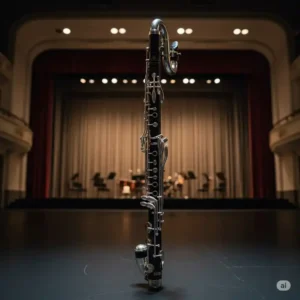
Conclusion: Finding Your Perfect Selmer Bass Clarinet
The journey to selecting the ideal selmer bass clarinet represents one of the most important decisions in a woodwind player’s career. From the accessible excellence of the 1430LP student model to the professional supremacy of the Privilege Model 67, Selmer’s comprehensive lineup ensures that every player can find an instrument that matches their aspirations and capabilities.
Throughout this comprehensive analysis, we’ve explored the technical sophistication, professional applications, and long-term value that define the selmer bass clarinet experience. Whether your musical path leads through orchestral excellence, jazz innovation, or educational development, Selmer instruments provide the foundation for artistic expression at the highest level.
The investment in a quality selmer bass clarinet extends far beyond the initial purchase price. These instruments become lifetime companions that grow with developing skills and adapt to evolving musical demands. The combination of French craftsmanship, innovative engineering, and global service support ensures that your musical journey will be supported by an instrument worthy of your dedication.
As you consider your options, remember that the best selmer bass clarinet is the one that inspires you to reach new heights of musical expression while providing the reliability and consistency that professional performance demands. Take the time to experience these remarkable instruments firsthand, and discover why musicians worldwide trust Selmer for their most important musical moments.
Frequently Asked Questions
❓ What makes a Selmer bass clarinet different from other brands?
✅ Selmer bass clarinets feature unique French craftsmanship with poly-cylindrical bore designs and premium aged grenadilla wood construction. The Privilege series offers exceptional projection and tonal consistency that professional orchestras worldwide prefer. Selmer's manufacturing precision ensures each instrument meets stringent acoustic standards...
❓ How much should I expect to pay for a quality selmer bass clarinet?
✅ Quality selmer bass clarinet prices range from $3,000 for student models like the 1430LP to $16,500+ for professional Privilege series instruments. Used professional models typically cost $8,000-$12,000, while new Privilege Model 67 instruments represent the premium tier. Consider long-term value retention when making investment decisions...
❓ What is the difference between Model 65 and Model 67 Privilege bass clarinets?
✅ The Selmer Privilege Model 67 extends to low C while Model 65 reaches only low Eb. Model 67 features four additional keys and extended body length for complete chromatic range. Both models share identical bore dimensions, keywork quality, and construction materials. Model 67 costs approximately $2,000-$3,000 more...
❓ Are selmer bass clarinets suitable for jazz and contemporary music?
✅ Yes, selmer bass clarinets excel in jazz applications with exceptional dynamic range and expressive flexibility. Professional jazz artists like Eric Dolphy and Bennie Maupin established the instrument's jazz credentials using Selmer instruments. The rich, woody tone and responsive articulation make them ideal for fusion, bebop, and contemporary genres...
❓ How often does a selmer bass clarinet need professional maintenance?
✅ Professional selmer bass clarinet maintenance typically requires quarterly regulation adjustments ($150-$250) and annual pad replacement ($300-$600). Daily cleaning and monthly professional cleaning extend instrument life significantly. Complete overhauls every 5-7 years ($800-$1,500) restore optimal performance levels for serious players...
Recommended for You:
- 7 Best Low C Bass Clarinet Options: Expert Analysis for Professional Musicians 2025
- 7 Best Bass Clarinet Reeds That Will Transform Your Sound in 2025
- 7 Best Bass Clarinet Mouthpiece Options For Superior Sound Quality in 2025
Disclaimer: This article contains affiliate links. If you purchase products through these links, we may earn a small commission at no additional cost to you.
✨ Found this helpful? Share it with your friends! 💬🤗