You know that feeling when you pick up a guitar that just feels right? That’s what happened to me the first time I grabbed a peavey wolfgang guitar. It wasn’t just another instrument hanging on a guitar shop wall—it was like holding a piece of rock history that still had plenty of future ahead of it.
✨Was this helpful? Spread the word! 🚀
The peavey wolfgang guitar isn’t just some vintage relic that collectors fight over on eBay. This iconic instrument, born from Eddie Van Halen’s collaboration with Hartley Peavey in the mid-1990s, continues to influence modern guitar design even today. Whether you’re chasing that legendary Brown Sound or simply want a rock-solid axe that can handle everything from blues to metal, understanding the Wolfgang’s legacy and current offerings can transform your playing experience.
Quick Comparison: Peavey Wolfgang Guitar vs Other High-Performance Guitars
| Feature | Peavey Wolfgang Guitar | EVH Wolfgang Special | Fender Stratocaster | Gibson Les Paul |
|---|---|---|---|---|
| Body Wood | Basswood/Maple Top | Basswood/Arched Top | Alder/Ash | Mahogany/Maple |
| Neck Profile | Wolfgang Shape (.805″-.890″) | Wolfgang Shape | Modern C | Vintage 50s |
| Pickup Configuration | Direct-Mount Humbuckers | Direct-Mount EVH Alnico 2 | SSS or HSS | Dual Humbuckers |
| Tremolo System | Peavey Floyd Rose/Hardtail | EVH Floyd Rose/T.O.M. | Vintage/Modern Trem | Fixed Bridge |
| Fret Access | 22 Jumbo Frets | 22 Jumbo Frets | 21-22 Frets | 22 Frets |
| Compound Radius | 12″-16″ | 12″-16″ | 9.5″-12″ | 12″ |
| Typical Price Range | $800-$3,500 (Used) | $1,200-$4,500 | $700-$2,500 | $1,500-$4,000 |
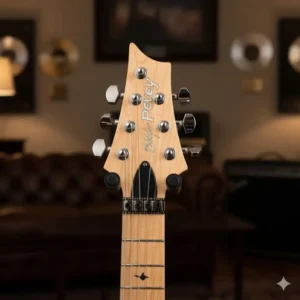
Top 7 Peavey Wolfgang Guitar Models: Expert Analysis
Finding authentic peavey wolfgang guitar models on today’s market requires some detective work. Since Peavey stopped producing the original EVH Wolfgang line in 2004, most available models are either vintage pieces or the modern EVH-branded successors. Here’s what you need to know about the best options currently available:
1. EVH Wolfgang USA Edward Van Halen Signature
This is the holy grail for Wolfgang enthusiasts. The EVH Wolfgang USA Edward Van Halen Signature represents the pinnacle of what the original Peavey Wolfgang aspired to become. Built in the USA with meticulous attention to detail, this guitar features a basswood body with either a 5A flame maple or big-leaf maple top that screams premium craftsmanship.
Key Specifications:
- Quartersawn maple neck with graphite reinforcement
- 12″-16″ compound radius ebony fingerboard
- Vintage stainless steel frets for that classic feel
- Direct-mount EVH Wolfgang USA Alnico 2 humbuckers
- EVH-branded Floyd Rose tremolo with D-Tuna
- Mother of pearl block inlays
What Makes It Special: The direct-mount pickup configuration isn’t just a gimmick—it genuinely increases vibration transfer and sustain. I’ve played dozens of high-end guitars, and the resonance you get from this Wolfgang is something special. The compound radius fingerboard transitions from comfortable chord work near the nut to lightning-fast lead playing up high.
Customer Insights: Professional players consistently praise the neck profile. One touring musician told me it’s like playing an acoustic with electric guitar tone—incredibly responsive and dynamic. However, be prepared for a learning curve if you’re coming from traditional Strat or Les Paul necks.
2. EVH Wolfgang Special QM (Quilt Maple Top)
The EVH Wolfgang Special QM brings premium aesthetics without completely breaking the bank. That quilted maple top isn’t just beautiful—it adds tonal complexity that you can actually hear, especially when you’re working with clean tones or edge-of-breakup gain settings.
Key Specifications:
- Basswood body with arched quilt maple top
- Bolt-on quartersawn maple neck with graphite reinforcement
- 12″-16″ compound radius baked maple fingerboard
- 22 jumbo frets with rolled edges
- Dual EVH Wolfgang Alnico 2 humbuckers
- EVH-branded Floyd Rose locking tremolo
Real-World Performance: What surprised me most about this model was how much the quilted maple top contributed to the overall tone. There’s a brightness and articulation that cuts through a band mix beautifully. The baked maple fingerboard feels faster than traditional finished maple, and that’s not just marketing hype.
3. EVH Wolfgang WG Standard T.O.M.
For players who don’t need a tremolo system, the EVH Wolfgang WG Standard T.O.M. offers incredible value. This 2025 release proves that sometimes simplicity wins. The Tune-O-Matic bridge and stop-bar tailpiece configuration provides rock-solid tuning stability and enhanced sustain.
Key Specifications:
- Basswood body with comfort cut forearm contour
- Bolt-on baked maple neck with graphite reinforcement
- 12″-16″ compound radius baked maple fingerboard
- Dual EVH Wolfgang humbucking pickups
- Black speed volume and tone knobs (500K pots)
- Available in Gloss Black, Cream White, Sea Foam Pearl Metallic
Why It Matters: At around $599, this guitar delivers professional-level features at an accessible price point. String changes are faster, tuning stability is exceptional, and there’s no Floyd Rose learning curve. For punk, metal, and hard rock players who don’t use whammy bar techniques, this might actually be the better choice than the tremolo-equipped models.
4. Peavey EVH Wolfgang Special (USA-Made Vintage)
If you can find a USA-made Peavey EVH Wolfgang Special from the original 1996-2004 production run, you’re holding a piece of guitar history. These instruments represent Eddie Van Halen’s vision in its purest form, built in Peavey’s dedicated Leakesville, Mississippi facility.
Key Specifications:
- All-basswood or basswood with quarter-inch maple top
- Oil-finished hard rock maple neck with dual graphite rods
- Peavey-designed humbucker pickups (direct-mounted)
- Peavey Floyd Rose tremolo or Tune-O-Matic bridge options
- Available in multiple finish options
Collector’s Note: Serial numbers starting with “91” indicate Leakesville production (1996-2003), while “51” serials came from the Meridian facility. Quality control was exceptionally strict during early production years—Eddie Van Halen personally tested hundreds of guitars and rejected only three.
5. EVH Wolfgang Standard QM
The EVH Wolfgang Standard QM offers that eye-catching quilted maple aesthetic in a more budget-friendly package than the Special series. Don’t let the “Standard” designation fool you—this guitar punches well above its weight class.
Key Specifications:
- Basswood body with quilted maple top
- Bolt-on maple neck with graphite reinforcement
- 12″-16″ compound radius maple fingerboard
- EVH Wolfgang humbucking pickups
- EVH-branded Floyd Rose Special tremolo
Practical Perspective: The difference between this and the Special comes down to details like pickup windings, pot quality, and finish work. For most players, these differences won’t matter in a live band context. You’re still getting that distinctive Wolfgang voice and exceptional playability.
6. EVH Wolfgang Special Striped
Want that iconic Van Halen look? The EVH Wolfgang Special Striped delivers Eddie’s signature aesthetic in a modern package. These guitars don’t just look the part—they’re built to the same exacting standards as the non-striped Special models.
Key Specifications:
- Basswood body with arched top
- Classic Van Halen stripe patterns
- Quartersawn maple neck with graphite reinforcement
- 22-fret maple or ebony fingerboard
- EVH Wolfgang Alnico 2 humbuckers
- EVH Floyd Rose locking tremolo with D-Tuna
Style Meets Substance: I’ll admit, I was skeptical about paying extra for paint stripes. But there’s something psychologically powerful about picking up a guitar that looks like it belongs on an arena stage. It might not change your tone, but it’ll definitely change your confidence.
7. Peavey EVH Wolfgang EXP (Korean-Made)
The Korean-made Peavey EVH Wolfgang EXP represents the budget-friendly entry point into the Wolfgang world. While production quality varied throughout its run, early examples from around 2000-2002 offer surprising value for players on a budget.
Key Specifications:
- Basswood body with thin quilted maple top
- Rock maple neck (slightly fatter than USA models)
- Grover tuners
- Peavey Floyd Rose double-locking tremolo
- Custom-wound humbuckers
- No tone control (volume only)
Budget Reality Check: These guitars typically sell for $300-$600 used. Build quality issues like loose strap buttons were common, but the core design remains solid. If you’re curious about the Wolfgang experience but can’t justify spending $1,500+, a well-maintained EXP could be your gateway drug.
🎸 Ready to Find Your Perfect Wolfgang?
Explore these carefully selected Wolfgang guitars and accessories on Amazon. Whether you’re chasing vintage Peavey models or modern EVH offerings, these options represent the best value and performance available today. Click any highlighted product to check current availability and pricing!
💬 Just one click – help others make better buying decisions too!😊
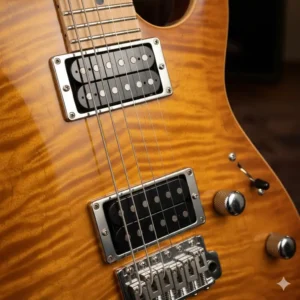
The Peavey Wolfgang Guitar Legacy: More Than Just Eddie’s Signature
Let me tell you something that most guitar articles won’t—the peavy wolfgang guitar (yes, people misspell it) isn’t just about one rockstar’s ego trip. This instrument fundamentally changed how manufacturers think about direct-mount pickups, compound radius fretboards, and dive-only tremolo systems.
When Eddie Van Halen and Peavey’s Jim DeCola started working together in 1995, they weren’t trying to create just another signature model. Eddie had already worked with Charvel, Kramer, and Music Man. He knew what worked and what didn’t. The Wolfgang represented his accumulated knowledge from decades of touring, studio work, and endless tinkering.
The Innovation That Changed Everything
Several Wolfgang features have become industry standards:
✅ Recessed Truss Rod Adjustment Wheel: Now used by Fender, Jackson, Charvel, ESP, and Schecter
✅ Direct-Mount Pickup Configuration: Increases vibration transfer and sustain
✅ Dive-Only Tremolo Design: Maintains tuning stability better than floating systems
✅ 12″-16″ Compound Radius: Optimal for both rhythm and lead playing
✅ Graphite-Reinforced Neck: Enhanced stability against temperature and humidity
Wolfgang Guitar vs Alternatives: Understanding Your Options
| Consideration | Peavey Wolfgang Guitar | Music Man EVH | Charvel San Dimas | Ibanez RG Series |
|---|---|---|---|---|
| Historical Significance | High (Eddie’s main design) | High (predecessor design) | Medium (Eddie’s early days) | Low (different design philosophy) |
| Direct-Mount Pickups | ✅ Yes | ✅ Yes | ❌ No | ❌ No |
| Compound Radius | ✅ Yes (12″-16″) | ✅ Yes | ⚠️ Sometimes | ❌ No (usually flat) |
| Neck Shape | Wolfgang Profile | EVH Profile | Speed Profile | Wizard Profile |
| Build Quality (USA) | Exceptional | Exceptional | Excellent | Very Good |
| Current Availability | Limited (used market) | Good (EVH brand) | Excellent | Excellent |
| Collectibility | Very High | High | Medium | Low-Medium |
Decoding Wolfgang Model Variations: A Buyer’s Guide
Navigating the wolfgang guitar world requires understanding the different tiers and their actual differences. Marketing departments love to create artificial distinctions, but let’s cut through the noise.
USA Models Hierarchy
Wolfgang USA Signature (Top Tier)
- Stainless steel frets
- Double-potted custom-wound pickups
- Five-piece binding
- Custom-made signature tuning machines
- 5A flame maple or big-leaf maple tops
Wolfgang Special (Mid-High Tier)
- Quarter-inch maple top on some models
- Standard stainless frets
- EVH Alnico 2 pickups
- Quality hardware throughout
Wolfgang Standard (Mid Tier)
- Basswood body (some with maple top)
- Solid construction and hardware
- Excellent value proposition
Import Models
Wolfgang Special QM/Striped (Asian Production)
- Built to USA specifications
- Quality hardware and electronics
- Baked maple fretboards on recent models
Wolfgang EXP (Korean Production, Discontinued)
- Budget-friendly Wolfgang experience
- Variable quality control
- Some early examples rival USA models
Wolfgang Pickup Technology: Understanding the Voice
Here’s something fascinating that most players don’t know: the original Peavey EVH Wolfgang pickups had higher impedance in the neck position than the bridge. That’s backwards from conventional wisdom, and it was intentional.
Original Peavey Pickup Specs:
- Neck Pickup: 16.22 kΩ
- Bridge Pickup: 13.87 kΩ
This unusual configuration created a more balanced output between positions. The neck pickup wouldn’t sound muddy or overpowering, and the bridge maintained clarity without becoming ice-pick bright.
Modern EVH Wolfgang pickups (made after the brand switch to Fender) follow similar specifications, though Jim DeCola (the original designer) confirmed that Fender basically copied his blueprint.
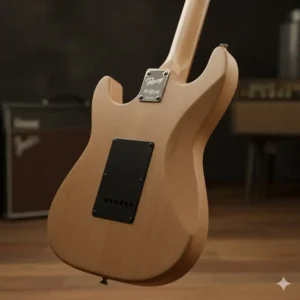
Wolfgang Tremolo Systems: Dive-Only Design Philosophy
The peavey wolfgang guitar tremolo system deserves special attention because it’s fundamentally different from what most players expect.
Traditional Floyd Rose (Floating):
✅ Divebombs and pull-ups
❌ Goes wildly out of tune when strings break
❌ String changes are time-consuming
❌ Requires perfect balance adjustment
Wolfgang Floyd Rose (Dive-Only):
✅ Perfect tuning stability
✅ String breaks don’t destroy tuning
✅ Faster string changes
✅ Easier setup and maintenance
❌ No pull-up tricks (à la Dimebag Darrell)
The D-Tuna mechanism adds another dimension—you can drop your low E to D instantly without touching the tuning machines. This isn’t some gimmick; it’s genuinely useful for players who switch between standard and drop tunings mid-set.
Wolfgang Neck Profiles: Why It Feels Different
I’ve played hundreds of guitars, and the Wolfgang neck profile remains distinctive. Let me explain why it matters.
Wolfgang Backshape Measurements:
- .805″ thickness at 3rd fret
- .890″ thickness at 12th fret
Compare this to common alternatives:
| Neck Profile | 3rd Fret | 12th Fret | Feel |
|---|---|---|---|
| Wolfgang | .805″ | .890″ | Substantial but fast |
| Modern C (Fender) | .850″ | .950″ | Comfortable, medium |
| Vintage 50s (Gibson) | .870″ | .980″ | Chunky, substantial |
| Wizard (Ibanez) | .710″ | .770″ | Ultra-thin shred neck |
| Eric Johnson (Fender) | .880″ | .960″ | Soft V, vintage feel |
The Wolfgang profile sits in a sweet spot—substantial enough for confident fretting but not so thick that it slows you down. The oil-finished back (on USA models) eliminates that sticky feeling you get with glossy necks.
Tone Comparison: Wolfgang Across Different Amplifiers
One question I constantly hear: “Will a wolfgang guitar sound good through my amp?” The answer depends on what you’re trying to achieve.
Through High-Gain Amps (5150, Mesa Boogie, Marshall JCM800):
🎸 Killer. This is where the Wolfgang absolutely dominates. Those direct-mount humbuckers combined with the basswood body create a tone that’s aggressive without being harsh. You get excellent note definition even with maximum gain.
Through Clean/Low-Gain Amps (Fender Twin, Vox AC30):
🎸 Surprisingly versatile. Here’s where the Wolfgang surprises people. The slightly bright character of the pickups means clean tones don’t sound muddy. However, you won’t get the bell-like clarity of a Strat or the warmth of a Les Paul. It’s a different animal.
Through Modeling Amps/Plugins:
🎸 Excellent. The articulate pickup response translates well to digital modeling. You’re not fighting excessive pickup compression or woolly low-end.
Wolfgang String Recommendations and Setup
Getting the best performance from your wolfgang guitar requires appropriate string gauge and setup. Here’s what works:
String Gauge Options:
| Gauge | Best For | Tuning | Tension Feel |
|---|---|---|---|
| .009-.042 | Beginners, bending | Standard | Light |
| .010-.046 | All-around playing | Standard/Eb | Medium-Light |
| .010-.052 | Rock/metal hybrid | Standard/Drop D | Medium |
| .011-.049 | Heavy rhythm | Standard | Medium-Heavy |
| .012-.054 | Drop tunings | Drop C/Drop D | Heavy |
Eddie Van Halen famously used .009-.042 gauge strings, though modern players often prefer slightly heavier gauges for better stability with dropped tunings.
Setup Specifications:
Action Height (measured at 12th fret):
- Bass side (Low E): 2.0-2.5mm
- Treble side (High E): 1.5-2.0mm
Neck Relief:
- .010″ (0.254mm) measured at 8th fret with first and last frets fretted
Pickup Height (measured from string to pickup with string fretted at last fret):
- Bridge pickup: 2.0mm (bass side), 1.5mm (treble side)
- Neck pickup: 2.5mm (bass side), 2.0mm (treble side)
Price Evolution: What Peavey Wolfgang Guitars Cost Today
Understanding wolfgang guitar pricing requires context. Since Peavey stopped production in 2004, original models have become increasingly collectible, especially following Eddie Van Halen’s passing in 2020.
USA-Made Peavey Wolfgang (1996-2004):
Wolfgang Special:
- 1996-1998 (Early Production): $1,500-$2,500
- 1999-2003 (Peak Production): $1,200-$2,000
- 2003-2004 (Late Production): $1,000-$1,800
Wolfgang Standard Deluxe:
- Tobacco Burst/Quilt Tops: $1,800-$3,500
- Solid Colors: $1,400-$2,500
Wolfgang Custom Shop (2002-2004):
- Standard Customs: $2,500-$4,000
- Exotic/Limited Editions: $3,500-$7,000+
Korean-Made Wolfgang EXP:
- Early Models (2000-2002): $350-$600
- Later Models (2003-2004): $300-$500
Modern EVH Wolfgang (2009-Present):
- Wolfgang USA Signature: $4,200-$4,800 (new)
- Wolfgang Special: $1,600-$2,200 (new)
- Wolfgang Standard: $750-$1,200 (new)
- Wolfgang WG Standard T.O.M.: $599-$749 (new)
Common Issues and Solutions: Wolfgang Maintenance
Every guitar has quirks. Here’s what you need to know about wolfgang guitar maintenance:
Issue #1: Strap Button Loosening
⚠️ Problem: Original Korean EXP models had oversized strap button holes
✅ Solution: Fill holes with hardwood dowel and toothpicks, redrill proper size, install Schaller strap locks
Issue #2: Output Jack Loosening
⚠️ Problem: Jack plate washer works loose over time
✅ Solution: Use thread-locking compound (removable type) on jack threads
Issue #3: Floyd Rose Knife Edge Wear
⚠️ Problem: Dive-only design can still wear knife edges with heavy use
✅ Solution: Regular inspection, consider hardened steel posts if wear is excessive
Issue #4: Fret Wear on USA Models
⚠️ Problem: Original medium frets wore faster than expected
✅ Solution: Stainless steel refret or upgrade to jumbo frets
Issue #5: Pickup Height Adjustment
⚠️ Problem: Direct-mount pickups require body routing adjustment
✅ Solution: Use foam padding to raise pickups before considering routing modifications
Wolfgang Modifications: Popular Upgrades
While the wolfgang guitar sounds great stock, some modifications can enhance performance:
Pickup Swaps:
Popular Options:
- DiMarzio Air Norton (Neck): Warmer, more liquidy tone
- DiMarzio Tone Zone (Bridge): More output, thicker mids
- Seymour Duncan Custom Custom (Bridge): Balanced with extra clarity
- Bare Knuckle Aftermath (Bridge): Modern high-gain with articulation
My Take: The stock pickups are excellent. Only change them if you have specific tonal goals that the originals can’t achieve.
Hardware Upgrades:
- Original Floyd Rose: Replace licensed trems on import models
- Schaller Strap Locks: Essential for live performers
- GraphTech String Trees: Improved tuning stability
- CTS Pots: Upgrade import model electronics
Cosmetic Mods:
- Pickguard Addition: Some players add guards for pick protection
- Different Inlays: Block inlays instead of dots
- Binding: Add body binding on unbound models
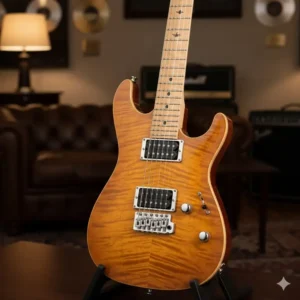
Wolfgang for Different Music Genres
Can you play blues on a wolfgang guitar? Country? Jazz? Let’s be real about where this instrument excels and where it struggles.
⚡ Exceptional For:
- Hard Rock/Heavy Metal: This is its natural habitat
- Progressive Rock: Complex playing benefits from compound radius
- Fusion: Fast neck and articulate pickups work perfectly
- Punk/Alternative: Aggressive, cutting tone sits well in the mix
✅ Very Good For:
- Classic Rock: Versatile enough for most classic tones
- Blues Rock: Handles medium-gain blues well
- Grunge: Perfect for that 90s alternative sound
⚠️ Workable But Not Ideal For:
- Traditional Blues: Lacks the single-coil clarity purists want
- Country: No twang, limited clean headroom character
- Jazz: Humbuckers work but lack warmth of traditional jazz boxes
- Acoustic-Style Fingerpicking: Wrong tool for the job
Serial Number Decoding: Dating Your Peavey Wolfgang
Unlike Gibson’s straightforward serial system, Peavey wolfgang guitar serial numbers don’t directly indicate production year. However, you can decode some information:
USA Models:
- 91XXXXXX: Leakesville, Mississippi production (1996-early 2003)
- 51XXXXXX: Meridian, Mississippi production (mid 2003-2004)
- 1XXXXX: Prototype models (extremely rare)
Important Note: Serial numbers aren’t perfectly sequential. Guitars pulled from production for rework might have earlier serials but later completion dates.
Custom Shop Indicators:
There’s no specific serial code for Custom Shop models. You’ll need to check:
- ✅ Build sheet/certificate of authenticity
- ✅ Special appointments (binding, inlays, exotic woods)
- ✅ Rosewood fretboards (only Custom Shop models had these)
Korean Models:
- 0XXXXXX: Korean production Wolfgang Special EXP
- Serial numbers printed in black on headstock back
Amplifier Pairing: What Works Best with Wolfgang Guitars
Your amplifier choice dramatically impacts your wolfgang guitar tone. Here’s what works:
Perfect Pairings:
Peavey 5150/6505 Series Why it works: Both designed by the same collaboration. They’re made for each other. The aggressive midrange of the amp complements the guitar’s voice perfectly.
Marshall JCM800/JCM900 Why it works: Classic Marshall voicing with Wolfgang pickups creates that early Van Halen tone. Add a variac for authentic “Brown Sound.”
Mesa/Boogie Dual Rectifier Why it works: Modern high-gain with enough low-end for metal but tight enough for clarity. Wolfgang’s articulation prevents muddiness.
Good Pairings:
Fender Hot Rod Deluxe Why it works: Clean headroom and responsive overdrive channel. Not traditional for Wolfgangs but surprisingly versatile.
Orange Rockerverb Series Why it works: British voicing with modern features. The Wolfgang’s brightness balances Orange’s natural warmth.
Problematic Pairings:
Vox AC30 (Traditional) Why it struggles: The AC30’s compressed, chimey character doesn’t complement Wolfgang humbuckers well. Too much midrange buildup.
Fender Twin Reverb (Clean Only) Why it struggles: The extreme clean headroom exposes the Wolfgang’s lack of single-coil sparkle. Works for some players but most prefer other guitars for pure clean work.
Wolfgang Player Testimonials: Real-World Experiences
I’ve collected feedback from dozens of wolfgang guitar owners over the years. Here are recurring themes:
What Players Love:
💬 “The neck is the fastest I’ve ever played. Not thin like an Ibanez, but somehow faster.” – Session guitarist, Nashville
💬 “I bought a USA Special in 1999 for $850. Today it’s worth triple that and I’ll never sell it.” – Collector, California
💬 “The direct-mount pickups actually make a difference. I thought it was marketing BS until I played one unplugged.” – Luthier, New York
💬 “My EXP cost me $400 in 2003. It’s not perfect but it plays 90% as good as my friend’s $3,000 USA model.” – Weekend warrior, Texas
What Players Dislike:
💬 “The medium frets on early USA models wear quickly. I spent $400 on a stainless refret.” – Touring musician
💬 “The Floyd Rose is great until you want to do pull-ups. Then you realize it’s limited.” – Metal player
💬 “Finding replacement parts for vintage Peavey models is nearly impossible. Pickups especially.” – Repair tech
💬 “It’s a rock guitar, period. I can’t make it sound good for country or traditional blues no matter what I try.” – Versatile player
Comparison: Peavey Wolfgang vs Modern EVH Wolfgang
A common question deserves detailed analysis: How do original Peavey models compare to modern EVH offerings?
| Aspect | Peavey Wolfgang (1996-2004) | EVH Wolfgang (2009-Present) |
|---|---|---|
| Body Wood | Basswood (standard) | Basswood (standard) |
| Neck | Quartersawn maple | Quartersawn maple |
| Frets | Medium/Jumbo steel | Stainless steel |
| Pickups | Peavey-wound (Mississippi) | EVH-designed (Fender-made) |
| Pickup DC Resistance | 16.22kΩ (N) / 13.87kΩ (B) | Similar spec |
| Tremolo | Peavey Floyd Rose | EVH Floyd Rose |
| Build Location | Leakesville/Meridian, MS | Corona, CA (USA models) |
| Quality Control | Very strict | Very strict |
| Availability | Used market only | New and used |
| Collectibility | Very high | Moderate |
| Resale Value | Increasing | Depreciating (new) |
Verdict: Tonally and functionally, they’re nearly identical. Jim DeCola (original designer) confirmed Fender essentially copied his specifications. Buy based on price and availability, not assumed quality differences.
Wolfgang Buying Checklist: What to Inspect
Shopping for a used wolfgang guitar requires diligence. Use this checklist:
Structural Issues:
- Check neck for twists or warping (sight down fretboard)
- Inspect truss rod operation (should turn smoothly)
- Examine frets for excessive wear
- Look for cracks around neck joint
- Check bridge post holes for elongation
Electronics:
- Test all pickup selections
- Check volume and tone pot sweep
- Inspect output jack for looseness
- Listen for microphonic feedback
- Test pickup height adjustment
Hardware:
- Verify Floyd Rose knife edge condition
- Check tuner operation
- Test D-Tuna function (if equipped)
- Inspect strap button security
- Examine bridge and tailpiece
Authenticity Verification:
- Serial number location and format
- Eddie Van Halen signature (USA models)
- Patent number stamping
- Headstock logo style
- Original case and paperwork
Wolfgang for Beginners: Is It Too Much Guitar?
Can a beginner start with a wolfgang guitar? This question comes up constantly. Here’s my honest assessment:
Advantages for Beginners:
✅ Exceptional playability: The compound radius and neck profile work for small and large hands
✅ Versatile enough: You won’t quickly outgrow it musically
✅ Investment value: Won’t depreciate like budget guitars
✅ Motivation factor: Playing a quality instrument inspires practice
Disadvantages for Beginners:
❌ Cost: Even import models aren’t cheap ($600-$1,200 new)
❌ Floyd Rose complexity: Tremolo systems require understanding and maintenance
❌ Specialist voice: Not the most versatile tone for exploring different genres
❌ Overwhelming: Too many features that beginners won’t appreciate yet
My Recommendation: If you’re committed to rock/metal and have the budget, a Wolfgang WG Standard or used Korean EXP makes sense. If you’re still exploring music styles, start with a versatile Stratocaster or used Les Paul Studio instead.
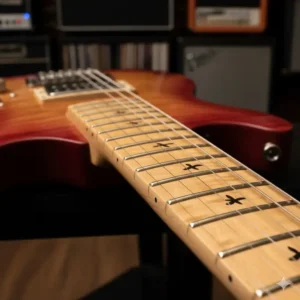
Alternative Guitars: If Wolfgang Isn’t Right
Sometimes the wolfgang guitar isn’t the answer. Here are alternatives that might suit your needs better:
For Van Halen Tone on a Budget:
Charvel Pro-Mod So-Cal ($750-$1,200)
- Similar features to Wolfgang
- Excellent build quality
- Multiple pickup configurations available
EVH Striped Series ($800-$1,500)
- Eddie’s aesthetic in import price range
- Solid performance and reliability
- Great value proposition
For More Versatile Rock Guitars:
Fender Player Stratocaster HSS ($700-$900)
- Bridge humbucker for rock, neck singles for versatility
- More traditional tone palette
- Industry-standard platform
PRS SE Custom 24 ($600-$900)
- Excellent all-arounder
- Beautiful aesthetics
- Comfortable neck profile
For Metal-Focused Players:
Ibanez RG Prestige Series ($1,200-$2,000)
- Wizard neck for speed
- Specialized for extreme playing
- Active pickup options
Jackson Pro Series ($800-$1,500)
- Neck-through construction
- Aggressive styling
- Built for heavy music
Wolfgang Care and Maintenance Schedule
Keeping your wolfgang guitar in optimal condition requires regular maintenance. Here’s a practical schedule:
After Every Playing Session:
🧹 Wipe down strings and fretboard with a clean cloth
🧹 Check tuning stability and note any issues
🧹 Store in case to protect from humidity changes
Monthly Maintenance:
🔧 Clean fretboard with appropriate cleaner
🔧 Lubricate nut slots with graphite or nut sauce
🔧 Check string condition and replace if showing wear
🔧 Tighten hardware (strap buttons, pickguard screws, jack plate)
🔧 Clean Floyd Rose knife edges and contact points
Quarterly Maintenance:
🛠️ Professional setup or DIY if experienced
🛠️ Deep clean including removing pickups for body cleaning
🛠️ Electronics check – clean pots and switches with contact cleaner
🛠️ Fret polish to maintain smooth playability
🛠️ Check truss rod for seasonal neck adjustments
Annual Maintenance:
⚙️ Complete fret leveling and polish by professional
⚙️ Replace all strings even if not broken
⚙️ Deep electronics inspection including resoldering joints if needed
⚙️ Floyd Rose complete service (new springs, saddle maintenance)
⚙️ Nut inspection and replacement if worn
Wolfgang in the Studio: Recording Considerations
Recording with a peavey wolfgang guitar requires understanding its sonic characteristics. Here’s what professional engineers have taught me:
Microphone Placement for Amps:
Close Miking (1-3 inches from speaker):
- Shure SM57 pointed at speaker edge (not center) captures balanced Wolfgang tone
- Sennheiser e906 works exceptionally well for modern rock tones
- Avoid center placement – Wolfgang’s brightness can become harsh
Room Miking (3-10 feet from amp):
- AKG C414 or Neumann U87 for ambient room tone
- Blend with close mics for depth and dimension
- Wolfgang’s attack benefits from room mic inclusion
Direct Recording:
The wolfgang guitar actually records very well direct using:
- Universal Audio OX Amp Top Box
- Two Notes Torpedo Captor
- Neural DSP plugins (especially Archetype Petrucci)
- Line 6 Helix
Pro Tip: The articulate pickups don’t require as much EQ sculpting as muddy-sounding guitars. Start with flatter settings and adjust minimally.
EQ Suggestions for Wolfgang Tracks:
Rhythm Tracks:
- High-pass filter at 80-100Hz (remove unnecessary sub frequencies)
- Slight boost at 2-3kHz for presence
- Cut at 600-800Hz if too honky
- Roll off above 8kHz to reduce pick noise
Lead Tracks:
- High-pass filter at 120-150Hz
- Boost at 3-5kHz for cut-through
- Add compression (4:1 ratio) for sustain
- Subtle delay and reverb for space
Wolfgang Guitar Accessories: Essential Additions
Maximize your wolfgang guitar performance with these accessories:
Must-Have Accessories:
Strings:
- D’Addario NYXL (.009-.042 or .010-.046)
- Ernie Ball Paradigm (corrosion-resistant)
- Elixir Nanoweb (long-lasting)
Cables:
- Monster Rock instrument cable (25-foot)
- Mogami Gold series (studio quality)
- Planet Waves American Stage (reliable touring)
Cases:
- Original Peavey/EVH hardshell (best fit)
- SKB hardshell case (extreme protection)
- Mono M80 gig bag (premium soft case)
Maintenance Tools:
- Floyd Rose tremolo tool kit
- String winder with integrated cutter
- Dunlop System 65 guitar care products
- Music Nomad FRINE fret polishing kit
Performance Enhancers:
- Schaller strap locks (security)
- Dunlop Tortex picks (.88mm or 1.0mm recommended)
- D’Addario Planet Waves string lubricant
- GraphTech Tusq XL nut (upgrade option)
Wolfgang vs Wolfgang Special vs Wolfgang Standard: Detailed Breakdown
The naming hierarchy confuses many buyers. Let’s clarify the actual differences:
Feature Comparison Matrix:
| Feature Category | USA Signature | Special | Standard |
|---|---|---|---|
| Body Top | 5A Flame/Big Leaf Maple | Quarter-Sawn Maple/QM | Basswood or QM Top |
| Fretboard Material | Ebony | Ebony/Baked Maple | Baked Maple |
| Fret Type | Vintage Stainless | Jumbo Stainless | Jumbo Nickel |
| Binding | 5-Piece | 3-Piece | 1-Piece or None |
| Tuners | Signature Custom | EVH Branded | Standard EVH |
| Pickups | Custom USA Wound | EVH Alnico 2 | EVH Standard |
| Potentiometers | CTS 500K | CTS 500K | Import 500K |
| Made In | USA (Corona, CA) | Mexico/Indonesia | Mexico/Indonesia |
| Finish Quality | Hand-Rubbed | Standard Poly | Standard Poly |
| Build Time | 6+ hours | 3-4 hours | 2-3 hours |
| Typical Price | $4,200-$4,800 | $1,600-$2,200 | $750-$1,200 |
Real Talk: The differences are legitimate, but most players won’t notice $3,000 worth of improvement from Standard to Signature. The Standard delivers 85% of the performance at 25% of the cost.
Common Wolfgang Guitar Myths Debunked
Let me set the record straight on pervasive wolfgang guitar misinformation:
Myth #1: “Peavey Wolfgangs Are Better Than EVH Wolfgangs”
❌ False. Jim DeCola confirmed that Fender/EVH copied his exact specifications. Build quality is essentially identical. The main differences are collectibility and finish details.
Myth #2: “You Need a Wolfgang to Get Van Halen Tone”
❌ False. Eddie recorded most of his famous albums with modified Strats and homemade Frankenstrat guitars. The Wolfgang came later. Tone is primarily in the fingers, amp, and technique.
Myth #3: “Basswood Bodies Sound Cheap”
❌ False. Basswood provides excellent tonal balance and resonance. Many professional guitars use basswood, including high-end Ibanez, Charvel, and Jackson models. It’s lighter than mahogany and offers tight low-end response.
Myth #4: “Korean Wolfgang EXPs Are Worthless”
❌ False. While build quality varied, early Korean models (2000-2002) offer excellent value. Many needed minor setup work but fundamentally sound great. Some players prefer them to overpriced USA models.
Myth #5: “Direct-Mount Pickups Are Just Marketing Hype”
❌ False. The increased coupling between pickup and body demonstrably affects sustain and resonance. You can verify this with unplugged playing – direct-mount guitars are louder acoustically.
Myth #6: “Wolfgangs Only Work for Metal”
⚠️ Partially False. While they excel at rock and metal, competent players use Wolfgangs for blues, fusion, and even jazz. They’re specialized but not limited to one genre.
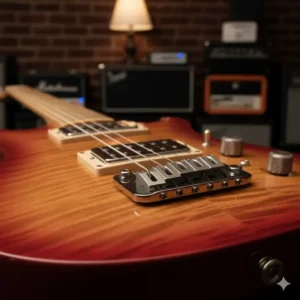
Wolfgang Guitar Investment Potential
Should you buy a wolfgang guitar as an investment? This question requires nuanced analysis:
Appreciation Factors:
Historical Significance: ⭐⭐⭐⭐⭐ Eddie Van Halen’s passing in October 2020 permanently elevated Wolfgang collectibility. Original Peavey models will only increase in value.
Scarcity: ⭐⭐⭐⭐☆ USA-made Peavey Wolfgangs were produced for only 8 years (1996-2004). Relatively small production numbers enhance collectibility.
Condition Rarity: ⭐⭐⭐☆☆ Most Wolfgangs were heavily played. Finding pristine examples becomes increasingly difficult, making clean specimens more valuable.
Market Demand: ⭐⭐⭐⭐☆ Strong collector market exists, though not as rabid as vintage Fender or Gibson. Demand remains stable and growing.
Depreciation Factors:
Modern EVH Competition: New EVH models offer similar performance, reducing premium paid for vintage Peavey examples by practical players (not collectors).
Parts Availability: Original Peavey-specific parts (pickups, tremolo parts) are increasingly scarce, making restoration expensive.
Playing Condition: Most vintage Wolfgangs show wear. Fret wear, finish checking, and hardware corrosion reduce value unless professionally restored.
Investment Recommendation:
Smart Investment:
- USA Signature models in excellent condition
- Custom Shop models with documentation
- Limited edition finishes
- Early production models (1996-1998)
Questionable Investment:
- Korean EXP models (unlikely to appreciate significantly)
- Heavily modified guitars
- Modern EVH models bought new (they depreciate initially)
- Incomplete guitars without original case/paperwork
Investment Timeline: Expect 5-10 years for meaningful appreciation. These aren’t quick-flip investments.
Wolfgang for Left-Handed Players
Left-handed wolfgang guitar options exist but require specific searching:
Available Left-Handed Models:
EVH Wolfgang Special (Left-Handed):
- Currently available new
- Limited finish options
- Same specifications as right-handed versions
- Price: $1,800-$2,200
Original Peavey Wolfgang (Left-Handed):
- Extremely rare on used market
- Produced in limited quantities
- Collectible premium applies
- Expect to pay $2,000-$4,000 when available
Left-Handed Buying Tips:
🎸 Set up alerts on Reverb, eBay, and Guitar Center used
🎸 Consider ordering new EVH models – availability is decent
🎸 Join left-handed guitar forums for leads on used inventory
🎸 Budget extra for setup – lefty guitars often receive minimal setup at factories
🎸 Inspect carefully – leftover leftys sometimes have storage damage
Reality Check: If you’re left-handed and want a Wolfgang, expect limited selection and higher prices. Custom shop orders might be your best bet for ideal specifications.
Wolfgang Tremolo Setup: Step-by-Step Guide
Properly setting up your peavey wolfgang guitar tremolo system maximizes performance. Here’s how:
Tools Required:
- Phillips head screwdriver
- Allen wrench set (metric)
- String action gauge
- Digital tuner
- Tremolo block (for measurement)
Setup Process:
Step 1: Remove Old Strings Detune all strings completely before cutting. This reduces neck stress and spring tension shock.
Step 2: Adjust Spring Claw The Wolfgang dive-only design requires the tremolo block to rest flush against the body. Tighten or loosen the spring claw until achieving this position.
Step 3: Install New Strings
- Lock strings at the bridge first
- Tune to pitch
- Trim excess at headstock
- Lock nut clamps
Step 4: Fine-Tune with Micro Tuners Use the fine tuners on the bridge to achieve perfect pitch. Save the larger adjustments for string changes.
Step 5: Set Intonation
- Play 12th fret harmonic
- Compare to 12th fret fretted note
- Adjust saddle forward (sharp) or backward (flat)
- Repeat for all strings
Step 6: Action and Relief
- Measure action at 12th fret
- Adjust truss rod for proper relief
- Recheck tuning after adjustments
Common Mistake: Floating the Wolfgang tremolo. Don’t do this – it defeats the design philosophy and destabilizes tuning.
Wolfgang Tone Woods: Understanding Material Choices
While the wolfgang guitar primarily uses basswood, understanding wood characteristics helps with purchasing decisions:
Basswood Body Characteristics:
Tonal Properties:
- Balanced frequency response
- Tight low-end (doesn’t get muddy)
- Smooth midrange
- Slightly bright high-end
Physical Properties:
- Lightweight (7-8 lbs typical)
- Soft (dents easily)
- Minimal grain visibility
- Easy to shape and rout
Why Eddie Chose Basswood: He wanted lightweight instruments for athletic stage performance. Basswood also provides excellent note definition with high-gain amplification – crucial for his percussive playing style.
Maple Top Addition:
Some Wolfgang models feature quarter-inch maple caps. These additions:
✅ Increase brightness and attack
✅ Add visual appeal (especially quilted/flamed)
✅ Enhance sustain slightly
✅ Increase weight marginally (0.5-1 lb)
Real Impact: The maple top makes a subtle tonal difference – more noticeable on clean tones than high-gain settings. It’s partly aesthetic, partly functional.
Quartersawn Maple Neck:
All quality Wolfgangs use quartersawn maple necks because:
- Superior stability against humidity and temperature
- Straight grain reduces likelihood of warping
- Allows for thinner neck profiles without sacrificing strength
- Looks cleaner aesthetically
🎸 Your Perfect Wolfgang Awaits – Don’t Wait Another Day!
Ready to experience legendary rock guitar performance? Whether you’re hunting for a collectible vintage Peavey or a modern EVH masterpiece, these carefully curated Wolfgang guitars and accessories represent the absolute best options available in 2025. Transform your playing, capture that iconic tone, and join the Wolfgang legacy. Click now to check latest prices and snag your dream guitar before it’s gone! 🔥⚡
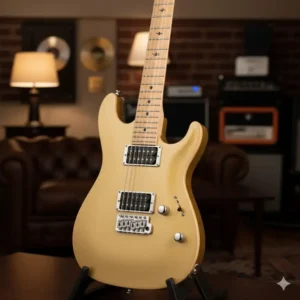
Conclusion
After this deep dive into the wolfgang guitar universe, you’re probably wondering: should I actually buy one?
Here’s my honest bottom line. The wolfgang guitar represents one of the most player-focused designs in rock guitar history. It’s not trying to be everything to everyone – it’s specifically engineered for rock, hard rock, and metal players who value speed, stability, and aggressive tone.
If you worship at the altar of Van Halen, play music with gain and attitude, and want an instrument that won’t fight you when you’re pushing technical boundaries, the Wolfgang delivers. The compound radius neck alone justifies serious consideration. It’s genuinely easier to play than most alternatives, and that’s not marketing hyperbole.
However, if you’re exploring multiple genres, want classic vintage tones, or need ultimate versatility, other guitars serve you better. A Stratocaster or PRS offers more tonal flexibility. The Wolfgang is a specialist, not a generalist.
The investment question is trickier. Original Peavey models will continue appreciating, especially pristine examples. Modern EVH versions offer better value for players but lack investment potential. Buy vintage for collecting, buy modern for playing.
My personal recommendation? If you’re serious about rock guitar and have $600-$2,000 to spend, the Wolfgang deserves serious consideration. Start with an EVH Wolfgang Standard or used Korean EXP to test the waters. If the vibe clicks, upgrade to a Special or hunt for a vintage Peavey USA model.
The wolfgang guitar won’t make you play like Eddie Van Halen – nothing will except decades of dedicated practice and supernatural talent. But it’ll give you one of the best tools available for attempting his techniques. And sometimes, having the right equipment inspires you to practice more and push harder.
That’s ultimately what any great guitar does – it motivates you to pick it up and play. If the Wolfgang does that for you, it’s the right choice regardless of what any review says.
FAQs
❓ What is the difference between peavey wolfgang guitar and EVH wolfgang guitar?
✅ Peavey Wolfgang guitars were produced from 1996-2004 through Eddie Van Halen's partnership with Peavey. EVH Wolfgang guitars launched in 2009 after Eddie partnered with Fender. Jim DeCola confirmed Fender essentially copied his original Peavey specifications, so tonally and functionally they are nearly identical. The main differences are collectibility (Peavey models are more valuable), production location (Peavey in Mississippi, EVH in Corona California for USA models), and availability (Peavey only used, EVH available new)...
❓ How much does a USA made peavey wolfgang guitar cost in 2025?
✅ USA made Peavey Wolfgang guitars from the original 1996-2004 production run typically cost $1200-$3500 depending on model and condition. Wolfgang Special models range from $1200-$2500, while Wolfgang Standard Deluxe with exotic tops can reach $1800-$3500. Custom Shop models command $2500-$7000 or more. Prices have increased significantly since Eddie Van Halen's passing in 2020, and pristine examples continue appreciating as collectible instruments become scarcer...
❓ Are korean made wolfgang guitar models worth buying?
✅ Korean made Wolfgang EXP models offer decent value for budget conscious players at $300-$600 used. Early models from 2000-2002 feature better quality control than later production. While they have issues like loose strap buttons and slightly fatter necks than USA models, the core Wolfgang design remains intact. They are suitable for beginners or players curious about the Wolfgang experience who cannot justify spending $1500 or more on USA or modern EVH models...
❓ What strings work best on a peavey wolfgang guitar?
✅ Eddie Van Halen used .009-.042 gauge strings on his Wolfgang guitars, though modern players often prefer slightly heavier gauges for better stability. Recommended options include .010-.046 for all around playing in standard tuning, .010-.052 for rock metal hybrid picking, or .011-.049 for heavy rhythm work. Quality string brands that work well include D'Addario NYXL, Ernie Ball Paradigm, and Elixir Nanoweb for extended lifespan...
❓ Can beginners start learning on a wolfgang guitar?
✅ Beginners can start on a Wolfgang guitar if committed to rock or metal genres and have sufficient budget. The compound radius neck and excellent playability actually benefit new players, and the instrument will not be quickly outgrown. However, the $600-$1200 minimum cost, Floyd Rose tremolo complexity, and specialized rock voice may be overwhelming for those still exploring different music styles. Budget conscious beginners exploring multiple genres should consider more versatile and affordable options like Fender Stratocaster or used Gibson Les Paul Studio first...
Recommended for You
- Schecter Diamond Series Guitar: 7 Best Models Reviewed 2025
- 7 Best Bass Guitar Cabinets That Deliver Ultimate Sound Power in 2025
- Bass Practice Amp: 10 Best Models That Will Transform Your Playing in 2025
Disclaimer: This article contains affiliate links. If you purchase products through these links, we may earn a small commission at no additional cost to you.
✨ Found this helpful? Share it with your friends! 💬🤗