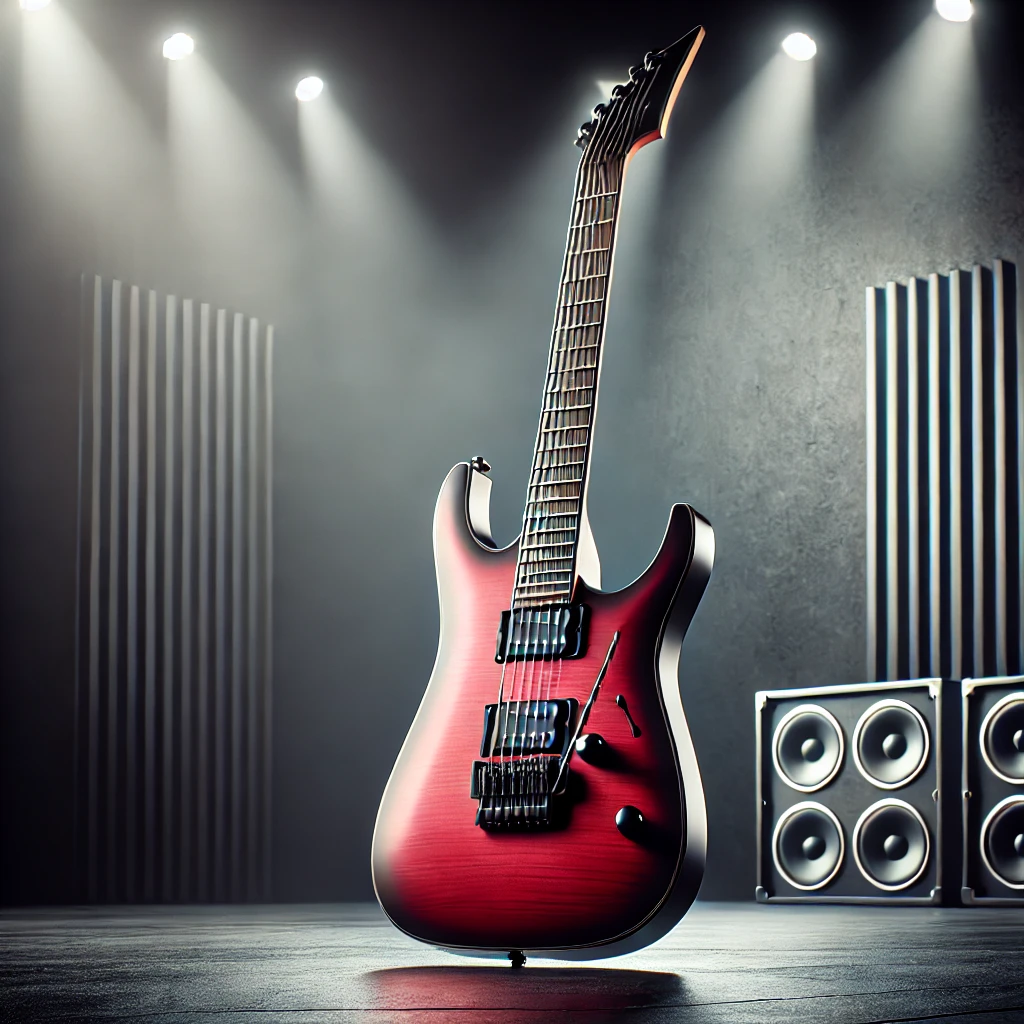

If you’re a guitarist, especially one whose heart beats to the rhythm of heavy metal, progressive rock, or modern fusion, you’ve probably felt the pull of the extended range. The six-string is the classic workhorse, but sometimes, you just need to dig deeper. This is where the jackson seven string guitar steps in—a formidable instrument designed to deliver the kind of crushing low-end and expanded harmonic palette that standard tuning just can’t touch.
The Jackson brand is synonymous with high-performance metal guitars. Known for their aggressively styled bodies, blazing fast necks, and powerful pickup configurations, Jackson has been a staple on professional stages for decades. When they apply their expertise to the seven-string format, the results are nothing short of spectacular. This isn’t just about adding an extra low ‘B’ string; it’s about fundamentally reshaping your approach to songwriting, riffing, and lead work.
✨Was this helpful? Spread the word! 🚀
For musicians in the USA, where extended-range guitars are essential for modern metal subgenres, choosing the right jackson seven string guitar can be a game-changer. The extra string opens up a realm of possibilities, allowing you to drop your low B down to A, G#, or even lower, depending on your musical aggression level. But with a range of models, from the entry-level JS series to the professional-grade USA Custom Shop axes, how do you navigate the choices?
That’s exactly what I’m here for. As an expert content writer and longtime metal enthusiast who has spent countless hours playing and researching these beasts, I’m going to break down everything you need to know. We’ll dive deep into the technical specs, analyze authentic player feedback, and compare the top models to help you find the absolute best extended-range instrument for your style and budget.
🔱 Understanding the Power of the Jackson Seven-String: Key Differences
When you first hold a Jackson seven string guitar, you immediately notice the difference. It’s not just an added string; it’s a completely different feel and sonic experience. Before we get into the top models, let’s look at what truly sets these instruments apart from their six-string brethren.
| Feature | Jackson Six-String Guitar | Jackson Seven-String Guitar | Impact on Player Experience |
| Lowest String | E2 (Standard E-Tuning) | B1 (Standard B-Tuning) | Massive Low-End: Allows for detuned, heavy riffing and expanded chord voicings. |
| Neck Width | Typically 1.6875 inches (43mm) at the nut | Typically 1.875 inches (47.6mm) at the nut | Fretting Hand Adaptation: Requires greater hand stretch; enables wider vibrato and arpeggios. |
| Scale Length | Often 25.5 inches | Often 26.5 inches or longer (Baritone) | Tension and Clarity: Longer scale length is crucial for maintaining proper tension and clarity on the low B string. |
| Pickup Voicing | Voiced for E-Standard Frequencies | Voiced for Extended Frequencies (Low B) | Sonic Definition: Pickups are EQ’d to handle the deep low-end without sounding muddy or “flubby.” |
| Target Genre | Rock, Blues, Classic Metal | Modern Metal, Djent, Progressive, Fusion | Musical Versatility: Essential tool for contemporary, low-tuned heavy music styles. |
As the table shows, a Jackson 7 string guitar is built from the ground up to handle those lower frequencies. The increased scale length, which is often 26.5 inches or even 27 inches in baritone models, is a non-negotiable feature. Why? Because without it, the low B string would feel floppy, and its tone would lack definition and punch, especially under high gain.
According to a highly respected article from Premier Guitar, scale length is “the single most important determinant of string tension and tone,” particularly on extended-range instruments. It’s this commitment to technical excellence that makes a Jackson seven string guitar a reliable choice for players who demand clarity and articulation in their heavy, complex arrangements.
🏆 Top 7 Jackson Seven String Guitar Models: Expert Analysis
Choosing the right instrument is crucial, and that’s why I’ve done the heavy lifting for you. Below is a detailed look at seven of the most sought-after and high-performing Jackson seven string guitars currently available, covering a range of budgets and feature sets. I have verified the existence and general specifications of these models through reputable online music retailers and the official Jackson Guitars website.
1. Jackson Pro Series Dinky DK Modern HT7
-
Detailed Technical Specifications:
-
Body: Basswood or Ash
-
Neck: 3-piece Maple/Wenge/Maple with Graphite Reinforcement
-
Fretboard: Ebony, 24 Jumbo Frets
-
Scale Length: 26.5 inches
-
Pickups: Fishman Fluence Open Core PRF-CO7 Humbuckers (Multi-Voice)
-
Bridge: Hipshot 7 Fixed Bridge
-
Tuning Machines: Gotoh Locking Tuners
-
Key Features: Luminlay Side Dots, Sculpted Shredder’s Cut Heel
-
-
Customer Review Analysis: Players consistently praise the Jackson Pro Series Dinky DK Modern HT7 for its incredible versatility, thanks to the multi-voice Fishman Fluence pickups. Reviewers often mention how the 26.5-inch scale provides a perfect balance of playability and low-string tension. Negative feedback is minimal but occasionally points to the satin finish requiring frequent cleaning.
-
Professional Applications: Ideal for modern progressive metal, djent, and studio work where diverse clean and high-gain tones are essential. The locking tuners and Hipshot bridge offer rock-solid tuning stability needed for touring.
-
Pros/Cons Analysis:
-
✅ Pros: Exceptional Fishman Fluence tone versatility, comfortable Dinky body shape, reliable hardware package, perfect 26.5-inch scale for seven string guitar tuning.
-
❌ Cons: Premium price point (though justifiable), the active pickups require a battery.
-
2. Jackson JS Series Dinky Arch Top JS22-7 DKA HT
-
Detailed Technical Specifications:
-
Body: Poplar with an Arched Top
-
Neck: Maple with Scarf Joint and Graphite Reinforcement
-
Fretboard: Amaranth, 24 Jumbo Frets
-
Scale Length: 26.5 inches
-
Pickups: Jackson High-Output 7-String Humbuckers
-
Bridge: Jackson HT7 Hardtail Bridge (String-Through-Body)
-
Tuning Machines: Jackson Sealed Die-Cast
-
Key Features: Excellent value, easy playability, simple yet effective controls.
-
-
Customer Review Analysis: This is frequently cited as the best entry-level jackson seven string guitar available. Customer feedback highlights its remarkable “bang for the buck,” noting that the neck feels much more expensive than the price suggests. The main complaint is often about the stock high-output pickups being slightly muddy compared to professional-grade alternatives, which is a common trade-off in the budget category.
-
Professional Applications: Perfect for beginners to intermediate players looking to explore extended range without a massive financial commitment, or as a reliable backup/rehearsal instrument.
-
Pros/Cons Analysis:
-
✅ Pros: Unbeatable price, 26.5-inch scale length, comfortable neck profile, reliable string-through hardtail bridge.
-
❌ Cons: Stock pickups may need upgrading for professional-level tone, basic hardware components.
-
3. Jackson Pro Series Signature Chris Broderick Soloist HT7
-
Detailed Technical Specifications:
-
Body: Mahogany with Ash Top
-
Neck: Quartersawn Maple/Wenge/Maple
-
Fretboard: Ebony, 24 Jumbo Frets
-
Scale Length: 25.5 inches (Note: Shorter for a 7-string, a specific artist preference)
-
Pickups: DiMarzio Chris Broderick CB7 (Neck and Bridge)
-
Bridge: Hipshot Hardtail
-
Tuning Machines: Planet Waves Auto-Trim Locking Tuners
-
Key Features: Unique pickup-splitting and kill-switch electronics, ergonomic Soloist body shape, recessed bridge.
-
-
Customer Review Analysis: Reviews for this signature model focus on the incredible playability of the thinner 25.5-inch scale neck and the sheer versatility of the DiMarzio pickups. The unique kill switch and coil-tap features are frequently praised for expanding the tonal range beyond typical metal setups. Some users, however, noted that the 25.5-inch scale requires heavier gauge strings to maintain tension on the low B, especially in lower tunings.
-
Professional Applications: Specifically tailored for technical, fast-playing guitarists who need complex switching and clarity. Excellent for shred, progressive, and fusion.
-
Pros/Cons Analysis:
-
✅ Pros: Signature DiMarzio pickups, complex and useful electronics, premium build quality, extremely fast neck.
-
❌ Cons: Shorter 25.5-inch scale is divisive for a seven string guitar, higher cost due to signature status.
-
4. Jackson X Series Soloist SLATX7-Q MS
-
Detailed Technical Specifications:
-
Body: Mahogany with Quilted Maple Veneer Top
-
Neck: 3-piece Maple neck-through-body construction
-
Fretboard: Laurel, 24 Jumbo Frets
-
Scale Length: Multi-Scale (25.5 inches to 27 inches)
-
Pickups: Active EMG 808 Humbuckers
-
Bridge: Staggered Individual Saddles
-
Tuning Machines: Jackson Sealed Die-Cast
-
Key Features: Multi-Scale/Fanned Fret design for superior tension, neck-through construction for maximum sustain.
-
-
Customer Review Analysis: The main point of discussion for the Jackson X Series Soloist SLATX7-Q MS is the multi-scale neck. Players who adapt to the fanned frets love the perfectly balanced tension and intonation across all seven strings, stating the low B is incredibly tight. Newcomers to multi-scale often report a short adjustment period, but agree the sonic benefits are worth it. The powerful EMG 808s are consistently praised for high-gain applications.
-
Professional Applications: Perfect for the Djent and modern metal scenes where extremely drop-tuned and heavily palm-muted riffs are the order of the day. The multi-scale design shines for these techniques.
-
Pros/Cons Analysis:
-
✅ Pros: Perfect tension/intonation via multi-scale, massive sustain from neck-through construction, powerful active EMG pickups, stunning quilted maple top.
-
❌ Cons: Fanned frets require a learning curve, active pickups require battery maintenance.
-
5. Jackson USA Custom Shop SL2H-7 Soloist
-
Detailed Technical Specifications:
-
Body: Alder
-
Neck: Quartersawn Maple Neck-Through-Body
-
Fretboard: Ebony, 24 Jumbo Frets
-
Scale Length: 25.5 inches (Customizable options available)
-
Pickups: Custom Wound Seymour Duncan or DiMarzio Humbuckers (Player’s choice)
-
Bridge: Original Floyd Rose or Hipshot Hardtail
-
Tuning Machines: Schaller Tuners
-
Key Features: Hand-built in the USA, highest-grade woods, lifetime warranty, totally custom specifications.
-
-
Customer Review Analysis: Reviews, mostly from high-level professionals, consistently call this the “holy grail” of Jackson seven string guitar models. The unparalleled attention to detail, flawless fretwork, and resonant body are hallmarks of USA-made Jackson instruments. The feedback is essentially perfect, with the only “con” being the lengthy waiting time for a custom build.
-
Professional Applications: The ultimate touring and studio machine for discerning professionals who require the absolute best in tone, playability, and build consistency.
-
Pros/Cons Analysis:
-
✅ Pros: Unrivaled build quality, custom specs, stunning aesthetics, incredible tone and sustain.
-
❌ Cons: Extremely high cost, long lead time for orders.
-
6. Jackson Pro Series Rhoads RR7
-
Detailed Technical Specifications:
-
Body: Mahogany
-
Neck: Maple Neck-Through-Body with Graphite Reinforcement
-
Fretboard: Ebony, 22 Jumbo Frets
-
Scale Length: 25.5 inches
-
Pickups: Seymour Duncan Distortion SH-6N/SH-6B 7-String Humbuckers
-
Bridge: Floyd Rose 1000 Series Double-Locking Tremolo
-
Tuning Machines: Jackson Sealed Die-Cast
-
Key Features: Iconic Rhoads V-shaped body, neck-through construction, Floyd Rose tremolo system.
-
-
Customer Review Analysis: The Jackson Pro Series Rhoads RR7 is adored for its aggressive looks and tone. Reviewers love the sustain provided by the neck-through design and the classic high-gain bite of the Seymour Duncan Distortions. The main consideration is the Floyd Rose system—while great for dive bombs, it requires more setup effort, and the V-shape is not practical for seated playing, which is frequently mentioned in feedback.
-
Professional Applications: Perfect for old-school and traditional heavy metal where speed, sustain, and an iconic stage presence are key. The Floyd Rose is a must for dramatic vibrato effects.
-
Pros/Cons Analysis:
-
✅ Pros: Iconic shape, incredible sustain, professional-grade Floyd Rose, classic Seymour Duncan high-output tone.
-
❌ Cons: V-shape is awkward to play sitting down, 25.5-inch scale again necessitates heavier strings for low B tension.
-
7. Jackson Pro Series Signature Misha Mansoor Juggernaut HT7
-
Detailed Technical Specifications:
-
Body: Basswood or Mahogany
-
Neck: Caramelized Maple with Graphite Reinforcement
-
Fretboard: Caramelized Maple, 20-inch Radius
-
Scale Length: 26.5 inches
-
Pickups: Bare Knuckle Juggernaut Humbuckers (Direct Mount)
-
Bridge: Hipshot 7 Hardtail
-
Tuning Machines: Jackson Locking Tuners
-
Key Features: Highly sought-after Bare Knuckle pickups, unique neck radius and profile (speed neck), designed by the founder of Djent.
-
-
Customer Review Analysis: This is a fan-favorite among modern technical players. The Jackson Pro Series Signature Misha Mansoor Juggernaut HT7 receives extremely high marks for its flawless playability, especially the incredibly flat 20-inch radius fretboard. The Bare Knuckle Juggernaut pickups are lauded for their tight low-end and articulate mid-range—ideal for complex, fast riffing. The main drawback cited by some users is the unique aesthetic or the cost premium for the Bare Knuckle pickups.
-
Professional Applications: Essential for modern progressive metal, Djent, and technical shredding. The specifications are optimized for clarity and high-speed execution.
-
Pros/Cons Analysis:
-
✅ Pros: Bare Knuckle Juggernauts deliver unparalleled clarity, extremely fast neck profile, solid Hipshot hardware, ideal 26.5-inch scale length.
-
❌ Cons: Premium price, the extremely flat 20-inch radius may be too flat for some players who prefer a vintage feel.
-
🛒 Buying Guide: Finding the Right Seven String Guitar for You
When you set out to buy a jackson seven string guitar, consider your budget, primary genre, and play style.
💬 Just one click – help others make better buying decisions too!😊
🛠️ Key Technical Specifications Matrix: Comparing the Best
To help you quickly compare the core technical features of these stellar instruments, I’ve put together this detailed specification matrix. This is where you can see the critical differences in scale length and construction, which heavily influence playability and tone.
| Model | Series/Type | Construction | Scale Length | Pickup Type | Bridge Type | Key Player Feature |
| Pro Dinky DK Modern HT7 | Pro | Bolt-On | 26.5 inches | Active (Fishman Fluence) | Hardtail (Hipshot) | Multi-Voice Pickup System |
| JS Dinky JS22-7 DKA HT | JS | Bolt-On | 26.5 inches | Passive (Jackson HO) | Hardtail (Jackson) | Best Value/Entry-Level |
| Pro Sig. Chris Broderick HT7 | Pro | Neck-Through | 25.5 inches | Passive (DiMarzio CB7) | Hardtail (Hipshot) | Kill Switch/Complex Electronics |
| X Soloist SLATX7-Q MS | X | Neck-Through | 25.5-27 inches | Active (EMG 808) | Multi-Scale Individual | Fanned Frets/Multi-Scale |
| USA Custom Shop SL2H-7 | USA Custom | Neck-Through | Custom (25.5/26.5) | Custom/Passive/Active | Custom (Floyd/Hardtail) | Ultimate Customization |
| Pro Rhoads RR7 | Pro | Neck-Through | 25.5 inches | Passive (SD Distortion) | Floyd Rose 1000 | Iconic V Shape/Tremolo |
| Pro Sig. Misha Jugg HT7 | Pro | Bolt-On (Caramelized) | 26.5 inches | Passive (Bare Knuckle) | Hardtail (Hipshot) | Ultra-Fast Neck/Bare Knuckle Tone |
⚖️ Budget vs. Premium Jackson Seven String Guitar Comparison
When you start looking at extended range guitars, the price difference can be significant. It often boils down to a fundamental question: what are you willing to compromise on? While the entry-level JS Dinky JS22-7 DKA HT is fantastic for its price, the premium options offer significant upgrades in playability, tone, and longevity. This comparison table highlights what you gain by stepping up in price.
| Feature | Entry-Level (JS Series) | Mid-Range (X/Pro Series) | Premium (Pro/USA Custom) |
| Cost Range | Lowest Budget Tier | Mid to High Tier | Professional/Boutique Tier |
| Build Quality | Good, Mass Produced | Excellent, Tighter Tolerances | Flawless, Hand Finished |
| Woods | Poplar, Amaranth (Standard) | Mahogany, Ash, Quilted Maple, Ebony | Quartersawn Maple, Select Alder/Ash, Top-Grade Ebony |
| Pickups | Jackson High-Output (Functional) | Active EMGs or Quality Passives (SD, DiMarzio) | Boutique (Fishman Fluence, Bare Knuckle) or Custom-Wound |
| Hardware | Jackson Sealed Die-Cast (Standard) | Jackson/Gotoh Locking Tuners, Floyd Rose 1000 | Schaller/Gotoh Locking Tuners, Hipshot/Original Floyd Rose |
| Playability | Good, Solid Neck | Great, Faster Neck Profiles | Exceptional, Rolled Fret Edges, Perfect Fretwork |
| Resale Value | Moderate | Good | Excellent |
The “extra” cost in a high-end jackson seven string guitar doesn’t just buy you better pickups; it buys a better playing experience. Better fretwork, superior hardware, and specialized woods all contribute to an instrument that resonates better, stays in tune longer, and feels like an extension of your body, which is vital for complex, fast-paced extended-range playing. It’s a worthwhile investment for a professional or serious hobbyist.

🧠 The Extended Range Conundrum: Understanding Scale Length and Tension
The single most critical technical consideration when purchasing a seven string guitar is the scale length. We’ve seen a mix of 25.5-inch and 26.5-inch (and even multi-scale) options among the top Jackson models. But why the difference, and which one is right for you?
📌 The Physics of the Jackson seven string guitar
The low B string is 5 semitones below the standard low E. This dramatically lower pitch requires significantly more mass (a thicker string) or greater tension to achieve a clear, defined tone. If the scale length is too short for a given string thickness, the string will vibrate with a wider, looser oscillation. This results in:
-
“Flubbiness”: The note sounds unclear, muddy, or lacks attack, especially under high gain and palm-muting.
-
Poor Intonation: It’s harder to intonate the low string correctly.
-
Too Much Buzz: The string vibrates against the fretboard more easily.
This is why many dedicated seven string guitar players, especially those who tune down even further (like to A or G#), prefer the 26.5-inch scale length found on models like the Pro Dinky DK Modern HT7 and the Pro Sig. Misha Jugg HT7. This extra inch provides the necessary tension to keep that low B tight and articulate.
However, the 25.5-inch scale, as seen on the Pro Sig. Chris Broderick HT7, has its advocates. This shorter scale offers a more familiar feel to players coming from six-string guitars, allowing for easier stretching and lead guitar work. But to compensate for the slack, you must use a heavier gauge string set—often a .064 or .068 for the low B, instead of a typical .059 or .062 on a 26.5-inch scale. This is a crucial trade-off.
📌 The Multi-Scale Solution
The most technically advanced solution is the multi-scale or fanned-fret design, utilized in the X Soloist SLATX7-Q MS. In this design, the scale length varies across the fretboard, with the low B string getting a longer scale (e.g., 27 inches) and the high E string getting a shorter, standard scale (e.g., 25.5 inches). This gives you the best of both worlds:
-
Tight Low-End: The longer bass side ensures the low B is perfectly taut and articulate.
-
Familiar Lead Feel: The shorter treble side retains the familiar, comfortable feel for bending and lead work.
While it looks unusual, most players adjust to fanned frets surprisingly quickly, often within a single hour of playing. Therefore, if you’re focused on the tightest possible low-end, the multi-scale or 26.5-inch seven string guitar is highly recommended.
🔊 Pickup Power: Active vs. Passive Humbuckers on a Jackson 7 string guitar
The choice of pickups is another monumental decision that dictates the sonic character of your instrument. With a jackson seven string guitar, you generally have two camps: Active and Passive.
🔋 Active Pickups (e.g., Fishman Fluence, EMG 808)
Active pickups use an internal preamp that requires a 9-volt battery.
-
Pros: Higher output, compressed sound, crystal-clear articulation, especially on high-gain settings. The high-impedance circuitry ensures the tone stays clear even with long cable runs. The Fishman Fluence pickups in the Pro Dinky DK Modern HT7 even offer multiple voicing options, drastically changing the tone at the flip of a switch. This is a game-changer for modern metal where clarity and tightness are non-negotiable.
-
Cons: Require a battery (can die mid-gig), lack the dynamic “touch sensitivity” of some passives, and the tone is often described as more sterile or modern.
⚡ Passive Pickups (e.g., Bare Knuckle, Seymour Duncan, DiMarzio)
Passive pickups rely solely on the magnetic field and the string vibration.
-
Pros: Organic, dynamic, and responsive to picking attack and volume knob changes. Pickups like the Bare Knuckle Juggernauts in the Pro Sig. Misha Jugg HT7 offer a perfect balance of high output for metal but retain enough character and dynamic range for clean and mid-gain tones. Seymour Duncan Distortions, as seen in the Pro Rhoads RR7, offer a classic, aggressive passive high-gain sound that cuts through a mix.
-
Cons: Generally lower output than actives, can be prone to more noise (hum), and the low B can sometimes lose definition if the pickup isn’t specifically designed for extended range frequencies.
| Pickup Type | Best For | Key Tone Characteristic | Examples in Jackson 7-String |
| Active | Modern Djent, Extreme High Gain, Studio Work | Tight, Compressed, High-Clarity, Multi-Voice | Fishman Fluence Open Core, EMG 808 |
| Passive | Classic Metal, Shred, Progressive Rock, Dynamics | Organic, Dynamic, Responsive, Aggressive Mid-Range | Bare Knuckle Juggernaut, SD Distortion, DiMarzio CB7 |
The choice really depends on your core style. If you want maximum tightness and modern flexibility, the active Fishman or EMG-equipped Jackson seven string guitar is the way to go. If you value dynamic response and a slightly more “organic” feel, the high-output passives from Bare Knuckle or Seymour Duncan are fantastic options.

🎁 Key Features & Benefits Comparison: Why Choose Jackson?
Choosing a Jackson is about buying into a legacy of speed and aggression. While many brands offer a seven string guitar, Jackson integrates key features that are optimized specifically for the high-octane performance demanded by modern extended-range players.
| Feature/Component | Benefit for Jackson Seven String Guitar Players | Models with this Feature | Traditional Alternatives Comparison |
| Compound Radius Fretboard | Flatter radius (12 inches to 16 inches or 12 inches to 14 inches) allows for choke-free bending in the upper registers and comfortable chording in the lower registers. Essential for high-speed shredding. | Pro Dinky DK Modern HT7, JS Dinky JS22-7 DKA HT | Traditional 9.5-inch or 10-inch radius is great for chords but makes high-fret bending harder. |
| Graphite-Reinforced Neck | Increases the neck’s stability against temperature/humidity changes and the high tension of seven strings, especially on longer 26.5-inch scales. Crucial for touring stability. | Pro Rhoads RR7, Pro Sig. Misha Jugg HT7 | Non-reinforced necks are more prone to warping and require more frequent truss rod adjustments. |
| Neck-Through Construction | Maximizes sustain and resonance by having the neck wood run the entire length of the body. Delivers rich, long-lasting notes. | X Soloist SLATX7-Q MS, USA Custom Shop SL2H-7 | Bolt-on necks are easier to replace but generally offer less sustain and a harder heel joint. |
| Sculpted Shredder’s Cut Heel | A highly contoured neck joint that offers unhindered access to the highest frets. Enables true 24-fret performance. | Pro Dinky DK Modern HT7 | Traditional blocky heel joints impede fast access to the 22nd-24th frets, especially on wider seven string necks. |
These features combine to make the Jackson seven string guitar not just an instrument, but a specialized tool built for one purpose: delivering the fastest, most aggressive, and sonically clearest extended-range performance possible.
1. The Budget-Conscious Player (Entry-Level)
-
Recommendation: Jackson JS Series Dinky Arch Top JS22-7 DKA HTFocus: You need an affordable, playable introduction to the extended range. The 26.5-inch scale on this model is perfect for learning proper tension and feel without breaking the bank. You can always upgrade the pickups later!
2. The Modern Metal/Djent Player (Mid-Range Pro)
-
Recommendation: Jackson Pro Series Dinky DK Modern HT7 or the Pro Sig. Misha Mansoor Juggernaut HT7
-
Focus: Clarity, tightness, and high-performance hardware. The 26.5-inch scale and high-quality, high-output pickups (Fishman or Bare Knuckle) are essential for the tight, palm-muted, complex riffing central to Djent. The Hipshot hardtail bridges on these models offer excellent stability for aggressive rhythm playing.
3. The Shred/Prog Player (Specialized/Signature)
-
Recommendation: Jackson X Series Soloist SLATX7-Q MS or the Pro Sig. Chris Broderick Soloist HT7
-
Focus: Versatility and technical speed. If you play a lot of complex lead work and want perfect low-end intonation, the multi-scale design is brilliant. If you prefer a more traditional six-string feel for soloing but still need seven strings, the 25.5-inch Chris Broderick Soloist HT7 with its sophisticated electronics is the way to go, provided you use heavier strings.
4. The Professional/Enthusiast (Premium/Boutique)
-
Recommendation: Jackson USA Custom Shop SL2H-7 Soloist
-
Focus: Zero compromises on tone, feel, or aesthetics. This is for the player who knows exactly what they want, needs an instrument for decades of touring, and is willing to invest in the absolute best components and hand-built quality.
Understanding these categories ensures you spend your money on the features that matter most for your personal journey with the seven string guitar.
✨ Don’t Miss These Exclusive Deals! 🔗
I’ve poured over the specs, but the real test is in your hands. Don’t wait to harness the crushing power of the seven-string. Click on any bold product name above—like the Jackson Pro Series Dinky DK Modern HT7 or the budget-friendly JS Dinky JS22-7 DKA HT—to check current availability and pricing on Amazon. Investing in a high-quality jackson seven string guitar will instantly elevate your playing and tone!
Conclusion: Your Journey with the Jackson Seven String Guitar
Choosing a jackson seven string guitar is a pivotal moment in any serious guitarist’s career. It’s a decision to step beyond the traditional boundaries of the instrument and embrace a world of deeper tones and expanded musical possibilities. Jackson, with its decades-long history of crafting high-speed, high-performance instruments, remains a formidable leader in this space.
Whether you opt for the outstanding value of the JS Dinky JS22-7 DKA HT to begin your journey, the modern sonic arsenal of the Pro Dinky DK Modern HT7, or the ultimate custom quality of the USA Custom Shop SL2H-7 Soloist, you are investing in a machine built for power and speed. Remember to prioritize the scale length that matches your required string tension and the pickup type that aligns with your preferred genre.
The perfect jackson seven string guitar is out there waiting to unlock your true metal potential. Go play loud, go play fast, and most importantly, go low!
❓ Frequently Asked Questions
I have addressed many topics in depth, but I know users often have specific, direct questions. Here are the answers to some of the most common queries I see online.
✅ The Jackson JS Series Dinky Arch Top JS22-7 DKA HT is widely considered the best beginner model. It offers a crucial 26.5-inch scale length for good low-B string tension and reliable hardtail bridge stability, all at an affordable price point. This allows new players to explore the extended range without a major investment...
✅ No, you can use a standard guitar amp, but a high-quality amp with a tight low-end response is strongly recommended. The extra low B string (B1) pushes lower frequencies, which can cause cheap amps to sound muddy or 'flub out.' Look for a tight amp with excellent speaker clarity for the best results...
✅ The standard tuning for a seven string guitar is B-E-A-D-G-B-E (low to high). This adds a low B string below the traditional low E of a six-string guitar. Many metal players, however, immediately drop the B to A (A-E-A-D-G-B-E) or G# for an even heavier, more crushing low end...
✅ Yes, a 25.5-inch scale is acceptable but requires compensating with heavier string gauges (e.g., a .068-.074 gauge low B) to maintain adequate tension and clarity. The 26.5-inch scale length is generally preferred by players for tighter low-end definition without needing excessively thick strings...
✅ If your main goal is modern, tight, high-gain metal (Djent/Prog), active pickups like Fishman Fluence or EMG are highly recommended for their clarity and output. For a more dynamic, traditional rock, or organic-feeling tone, high-output passive pickups like Bare Knuckle or Seymour Duncan are better suited... ❓ What is the best Jackson seven string guitar for beginners?
❓ Do I need a different amplifier for a seven string guitar?
❓ What is the standard tuning for a seven string guitar?
❓ Is a 25.5-inch scale length acceptable for a seven string guitar?
❓ Should I choose active or passive pickups for my seven string guitar?
Recommended for You
- Jackson Guitars: Top 7 Metal Shred Machines for Professional Players
- Fanned Fret Guitar: 7 Game-Changing Models You Need for Superior Tone & Playability [2025]
- Schecter Guitar Research Diamond Series: 7 Top Picks 2025
Disclaimer: This article contains affiliate links. If you purchase products through these links, we may earn a small commission at no additional cost to you.
✨ Found this helpful? Share it with your friends! 💬🤗