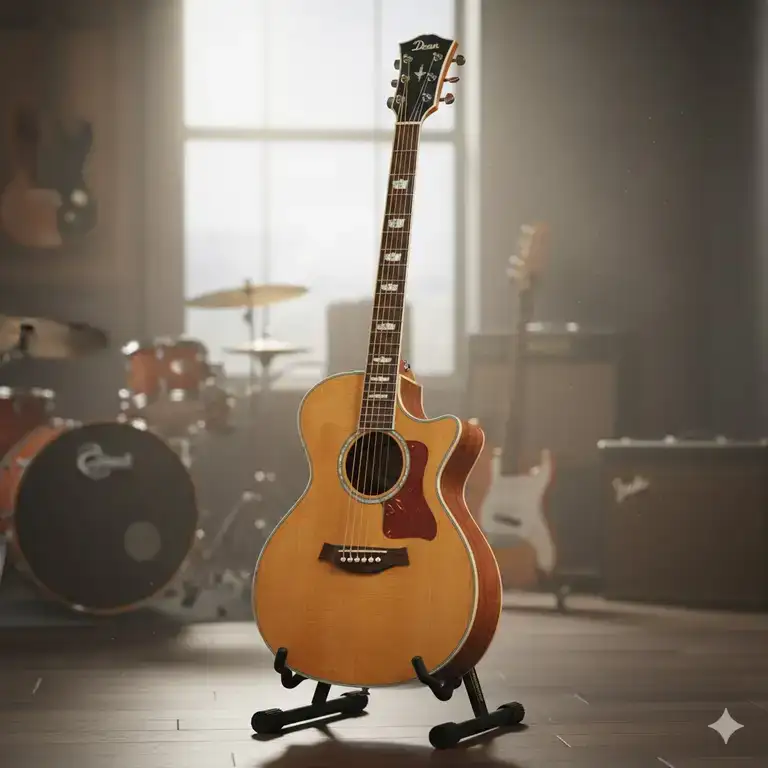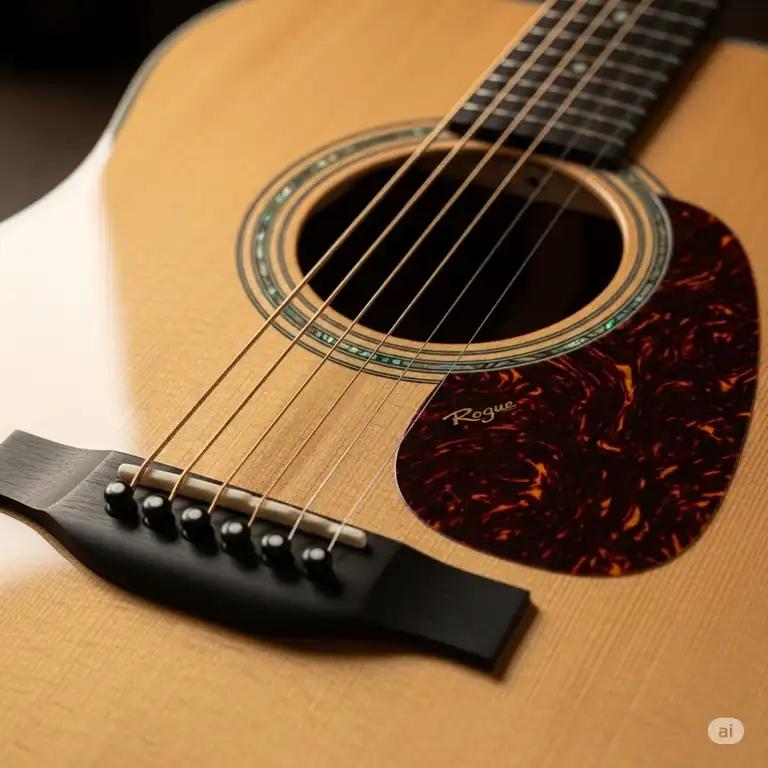
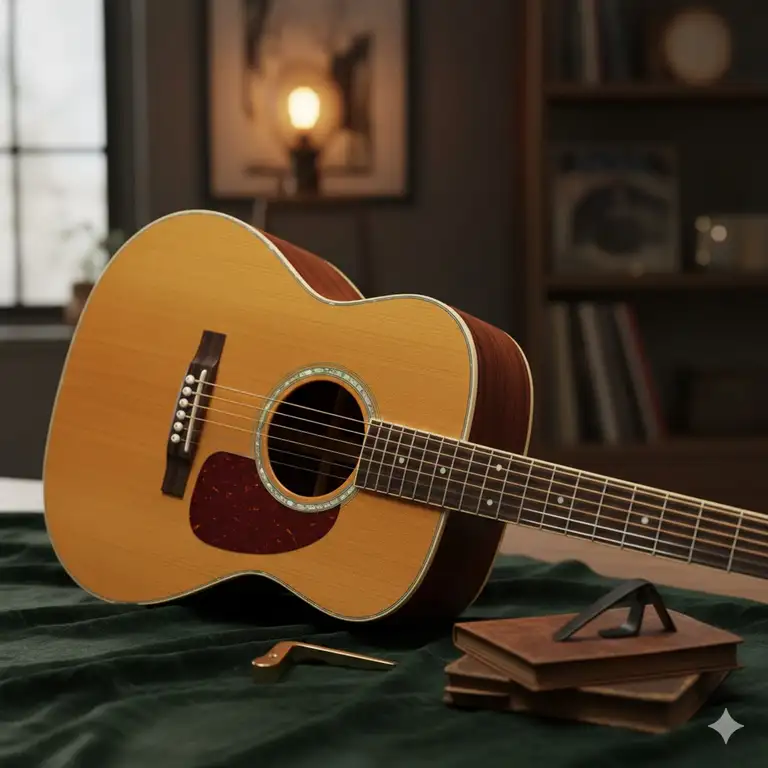
So you’re in the market for a flat top guitar? Smart move. Whether you’re strumming your first chords or you’re a seasoned player looking to expand your collection, the world of flat top guitars offers something magical that keeps musicians coming back for more.
✨Was this helpful? Spread the word! 🚀
I’ve spent countless hours researching, testing, and comparing acoustic guitars, and I can tell you this: finding the right flat top guitar isn’t just about picking the prettiest one in the store. It’s about understanding what makes these instruments tick, what separates a decent guitar from a great one, and most importantly, what matches your playing style and budget.
The flat top guitar has been the backbone of American music for over a century. From Bob Dylan’s protest songs to Taylor Swift’s country-pop anthems, from bluegrass picking to folk fingerstyle, these instruments have shaped the sound of generations. But here’s what most people don’t realize: not all flat top guitars are created equal, and the perfect guitar for your neighbor might be completely wrong for you.
| Feature | Flat Top Guitar | Archtop Guitar | Classical Guitar |
|---|---|---|---|
| Top Design | Flat, braced top | Carved, arched top | Flat, fan-braced |
| String Type | Steel strings | Steel strings | Nylon strings |
| Sound Character | Bright, powerful projection | Warm, focused tone | Mellow, classical tone |
| Typical Price Range | $150-$3,000+ | $500-$10,000+ | $100-$5,000+ |
| Best For | Folk, country, rock, blues | Jazz, swing | Classical, flamenco |
| Volume | Loud to very loud | Moderate | Moderate |
Think of this guide as your personal guitar advisor. We’re going to dive deep into the seven best flat top guitar models available in 2025, break down what makes each one special, and help you make an informed decision that you won’t regret six months down the road.
Quick Comparison Table: Top 7 Flat Top Guitars at a Glance
Before we get into the nitty-gritty details, let’s see how our top contenders stack up against each other:
| Guitar Model | Body Type | Top Material | Skill Level | Standout Feature |
|---|---|---|---|---|
| Martin D-18 | Dreadnought | Solid Spruce | Intermediate-Pro | Classic Martin tone, legendary build |
| Gibson J-45 Standard | Round-shoulder dreadnought | Solid Sitka Spruce | Intermediate-Pro | Iconic “workhorse” with rich midrange |
| Yamaha FG800 | Dreadnought | Solid Spruce | Beginner-Intermediate | Unbeatable value, solid top at budget price |
| Taylor 214ce | Grand Auditorium | Torrefied Spruce | Intermediate | Modern playability, ES2 electronics |
| Fender CD-60S | Dreadnought | Solid Spruce | Beginner | Comfortable neck, excellent starter guitar |
| Epiphone DR-100 | Dreadnought | Select Spruce | Beginner | Budget-friendly, great for first-timers |
| Seagull S6 Original | Modified Dreadnought | Solid Cedar | Beginner-Intermediate | Canadian craftsmanship, wider nut width |
Top 7 Flat Top Guitar Models: Expert Analysis
1. Martin D-18 – The Timeless American Classic
When guitarists talk about the quintessential flat top guitar, the Martin D-18 often tops the list. This isn’t just marketing hype – it’s a reputation earned through decades of consistent quality and tone that ages like fine wine.
✅ Construction Excellence: The D-18 features a solid Sitka spruce top paired with mahogany back and sides, creating what many consider the “definitive acoustic tone.”
✅ Legendary Playability: Martin’s 14-fret design and comfortable neck profile make this guitar responsive to both aggressive strumming and delicate fingerpicking.
✅ Investment Quality: These guitars appreciate in value, often becoming more valuable as they age.
Specifications:
- Body Style: Dreadnought
- Top: Solid Sitka Spruce
- Back & Sides: Solid Mahogany
- Neck: Select Hardwood
- Scale Length: 25.4 inches
- Nut Width: 1.75 inches
Pros:
- Rich, balanced tone that improves with age
- Exceptional build quality and craftsmanship
- Strong resale value
- Versatile across multiple genres
Cons:
- Premium price point
- May require setup adjustment out of box
- Traditional styling may not appeal to modernists
The D-18 sits perfectly in the mix without overpowering other instruments, making it ideal for bluegrass, folk, country, and singer-songwriter applications. Professionals appreciate how it records beautifully, capturing every nuance of your playing.
2. Gibson J-45 Standard – The Working Musician’s Workhorse
The Gibson J-45 Standard earned its nickname “The Workhorse” for good reason. Since 1942, this round-shouldered dreadnought flat top guitar has been the secret weapon of countless professionals who need reliability without compromise.
✅ Distinctive Voice: The J-45’s midrange-focused tone cuts through any mix with clarity and presence.
✅ Stage-Ready: Equipped with LR Baggs VTC electronics for authentic amplified tone.
✅ Historic Pedigree: Played by everyone from Bob Dylan to Billie Joe Armstrong.
Specifications:
- Body Style: Round-shoulder dreadnought
- Top: Solid Sitka Spruce with hand-scalloped bracing
- Back & Sides: Solid Mahogany
- Neck: Mahogany with SlimTaper profile
- Electronics: LR Baggs VTC pickup and preamp
- Nut Width: 1.725 inches
Pros:
- Powerful, commanding projection
- Exceptional sustain and note decay
- Professional-grade electronics included
- Vintage aesthetic with modern playability
Cons:
- Higher investment required
- Heavier than some competitors
- May be overwhelming for complete beginners
I’ve watched session players reach for the J-45 time and again when they need a guitar that delivers consistent, professional results. The solid construction means it can handle the rigors of touring without losing its voice.
3. Yamaha FG800 – Best Value Flat Top Guitar
Here’s where things get interesting. The Yamaha FG800 proves you don’t need to spend thousands to get a genuine flat top guitar with a solid top. This instrument has become legendary in the budget category.
✅ Solid Top Construction: Unlike many competitors at this price, the FG800 features a genuine solid spruce top.
✅ Scalloped Bracing: Yamaha’s innovative X-bracing delivers louder, stronger low-to-mid range sound.
✅ Proven Reliability: Over 50 years of FG series refinement shows in every detail.
Specifications:
- Body Style: Traditional Western Dreadnought
- Top: Solid Spruce
- Back & Sides: Nato/Mahogany
- Neck: Nato
- Fingerboard: Rosewood
- Scale Length: 25.6 inches
- Nut Width: 1.69 inches
Pros:
- Solid top at an entry-level price
- Well-balanced, full-bodied tone
- Comfortable neck profile for beginners
- Excellent quality control from Yamaha
Cons:
- Laminate back and sides (acceptable at this price)
- May benefit from string upgrade
- Less projection than premium models
For beginners who want to start with quality rather than upgrade later, the FG800 flat top guitar represents an intelligent investment. Many professional players keep one as a beater guitar for camping or situations where they don’t want to risk their expensive instruments.
4. Taylor 214ce – Modern Innovation Meets Classic Tone
The Taylor 214ce brings modern sensibility to the flat top guitar world. Taylor has built a reputation for guitars that feel effortless to play, and the 214ce exemplifies this philosophy perfectly.
✅ Grand Auditorium Body: Taylor’s signature shape offers versatility across playing styles.
✅ Torrefied Spruce Top: Special roasting process adds warmth and aged-in character to new guitars.
✅ Expression System 2 Electronics: Industry-leading pickup technology for natural amplified tone.
Specifications:
- Body Style: Grand Auditorium with Venetian cutaway
- Top: Solid Torrefied Sitka Spruce
- Back & Sides: Layered Walnut
- Neck: Tropical Mahogany
- Electronics: ES2 (Expression System 2)
- Scale Length: 25.5 inches
- Nut Width: 1.6875 inches
Pros:
- Incredibly comfortable Taylor neck
- Cutaway provides access to upper frets
- Outstanding plugged-in performance
- Balanced tone suitable for recording
Cons:
- Layered back and sides (though well-executed)
- Slimmer nut width may not suit all players
- Modern aesthetics won’t appeal to traditionalists
The 214ce flat top guitar excels in both intimate acoustic settings and amplified performances. Recording engineers love how well these guitars sit in mixes without requiring extensive EQ manipulation.
5. Fender CD-60S – The Beginner’s Best Friend
Let’s talk about the Fender CD-60S, a flat top guitar that has launched thousands of musical journeys. Fender understands what new players need, and they’ve packed those insights into this affordable dreadnought.
✅ Rolled Fingerboard Edges: Makes chord changes more comfortable for developing hands.
✅ Solid Spruce Top: Real acoustic tone without the premium price.
✅ Classic Design: Traditional dreadnought shape with reliable Fender quality.
Specifications:
- Body Style: Dreadnought
- Top: Solid Spruce with scalloped X-bracing
- Back & Sides: Mahogany
- Neck: Mahogany with Easy-to-Play profile
- Fingerboard: Walnut with rolled edges
- Scale Length: 25.3 inches
- Nut Width: 1.69 inches
Pros:
- Comfortable neck designed for beginners
- Bold, well-balanced sound
- Durable construction
- Two-year warranty included
Cons:
- Action may need adjustment for some players
- Laminate back and sides
- Basic tuners may require more frequent tuning
What I appreciate most about the CD-60S flat top guitar is how Fender has prioritized playability. Many beginners give up because their first guitar is too difficult to play. The CD-60S removes that barrier with its thoughtful design choices.
6. Epiphone DR-100 – Maximum Value, Minimum Fuss
The Epiphone DR-100 has been Epiphone’s best-selling acoustic for years, and there’s solid reasoning behind that success. This flat top guitar delivers Gibson-influenced design at a fraction of the cost.
✅ Classic Dreadnought Sound: Traditional body shape produces powerful, commanding tone.
✅ Select Spruce Top: Carefully chosen tonewoods for optimal resonance.
✅ SlimTaper Neck Profile: Comfortable fretting hand position for all skill levels.
Specifications:
- Body Style: Dreadnought
- Top: Select Spruce
- Back & Sides: Mahogany
- Neck: Mahogany with SlimTaper C-profile
- Fingerboard: Rosewood
- Scale Length: 25.5 inches
- Nut Width: 1.69 inches
- Hardware: Premium die-cast tuners
Pros:
- Extremely affordable entry point
- Warm, balanced tone
- Comfortable neck profile
- Limited lifetime warranty
Cons:
- Quality can vary between units
- May require setup work
- Basic appointments throughout
For absolute beginners or players who need an affordable second guitar, the DR-100 flat top guitar makes complete sense. It’s the guitar equivalent of a reliable daily driver – it won’t turn heads, but it’ll get you where you need to go.
7. Seagull S6 Original – Canadian Craftsmanship at Its Finest
The Seagull S6 Original represents something special in the flat top guitar market: handcrafted quality from a small Canadian village at a price that doesn’t make you wince. Robert Godin’s vision of accessible excellence shines through every detail.
✅ Pressure-Tested Cedar Top: Each top is individually tested for optimal resonance.
✅ Wider Nut Width: 1.8-inch nut provides extra room for fingerstyle players.
✅ Integrated Set Neck: Superior stability and resonance compared to bolt-on designs.
Specifications:
- Body Style: Modified Dreadnought
- Top: Solid Pressure-Tested Cedar
- Back & Sides: Wild Cherry (3-layer)
- Neck: Silver Leaf Maple with integrated set design
- Fingerboard: Rosewood
- Scale Length: 25.5 inches
- Nut Width: 1.8 inches
- Finish: Custom Polished Semi-Gloss
Pros:
- Unique warm tone from cedar top
- Excellent for fingerpicking
- Superior build quality for the price
- Wider neck benefits players with larger hands
Cons:
- Cedar is more delicate than spruce
- Modified dreadnought may not suit all tastes
- Limited dealer network in some areas
The S6 Original flat top guitar has developed a cult following among fingerstyle players who appreciate the extra string spacing and the warm, immediate tone that cedar provides. Unlike spruce, which can take years to open up, cedar sounds mature right out of the case.
🛒 Find Your Dream Guitar Today!
These carefully selected flat top guitar models represent the best options across every price range and skill level. Each model offers something unique, so click on any guitar to check current pricing, read real customer reviews, and find special deals. Your perfect acoustic companion is waiting! 🎵
💬 Just one click – help others make better buying decisions too!😊
Understanding Flat Top Guitar Construction
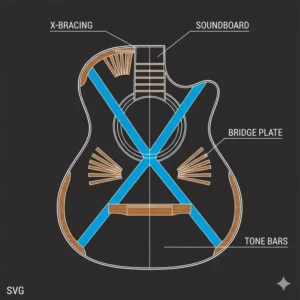
The term “flat top guitar” might seem straightforward, but understanding what goes into these instruments helps explain why they sound the way they do and why prices vary so dramatically.
Body Shapes and Their Impact on Tone
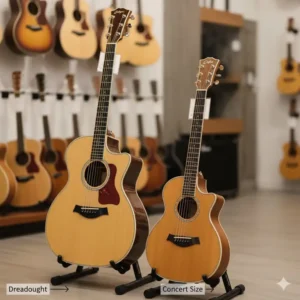
Not all flat top guitars look identical, and those shape variations significantly impact how they sound:
| Body Shape | Characteristics | Best For | Example Models |
|---|---|---|---|
| Dreadnought | Large body, powerful bass, strong projection | Strumming, bluegrass, country | Martin D-18, Yamaha FG800 |
| Grand Auditorium | Balanced tone, comfortable size | Fingerstyle, recording, versatility | Taylor 214ce |
| Concert | Smaller, focused midrange | Fingerpicking, intimate settings | Seagull S6 Original |
| Jumbo | Largest body, maximum volume | Performance, bold playing styles | Gibson J-200 |
The dreadnought flat top guitar remains the most popular choice because it offers the most volume and the strongest bass response. Think of it as the SUV of acoustic guitars – big, powerful, and versatile.
Grand Auditorium shapes like the Taylor 214ce offer a more refined balance. They’re not as loud as dreadnoughts, but they record beautifully and work well in ensemble settings where you don’t want to overpower other instruments.
Tonewood Selection: Why Materials Matter
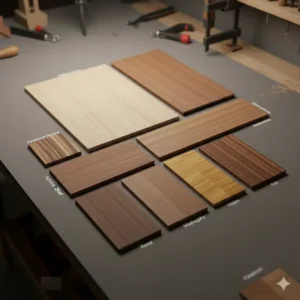
The choice of tonewoods makes or breaks a flat top guitar’s sound. Here’s what you need to know:
Top Woods (The Sound Generator):
✅ Spruce: The default choice for flat top guitars. Bright, clear tone with excellent projection. Works well for all playing styles.
✅ Cedar: Warmer, more immediate response. Ideal for fingerpicking and players who prefer a softer attack.
✅ Mahogany: Rich midrange focus with less sparkle. Great for recording and blues players.
Back and Sides (The Tone Shapers):
✅ Mahogany: Warm, focused tone with strong fundamentals. Classic pairing with spruce tops.
✅ Rosewood: Complex overtones, enhanced bass and treble. Premium choice for professional instruments.
✅ Maple: Bright, clear tone with excellent note separation. Popular for stage work.
✅ Cherry: Sits between mahogany and maple tonally. Unique choice that offers distinctive voice.
-$$-$$-$
| Tonewood Combination | Tonal Character | Price Range | Durability |
|---|---|---|---|
| Solid Spruce / Solid Mahogany | Balanced, warm, versatile | Excellent | |
| Solid Spruce / Layered Mahogany | Bright, focused | −$ | Very Good |
| Solid Cedar / Solid Rosewood | Complex, rich overtones | Good | |
| Solid Spruce / Solid Rosewood | Premium tone, aged character | $$$$ | Excellent |
| Solid Cedar / Wild Cherry | Warm, unique voice | Very Good |
Solid Top vs. Laminate: The Critical Difference
This might be the most important decision factor when choosing a flat top guitar:
Solid Tops consist of actual wood pieces joined together. They vibrate more freely, producing richer tone that improves with age. Think of them as aging like wine – they get better over time.
Laminate Tops are multiple thin layers glued together. They’re more durable and less expensive but don’t produce the same tonal complexity or improve significantly with age.
Every guitar in our top 7 recommendations features at least a solid top because that’s where the magic happens. The back and sides matter, but the top does most of the acoustic heavy lifting.
What Makes a Great Flat Top Guitar in 2025?
The flat top guitar market has evolved dramatically, and what constitutes a “great” guitar has changed. Let me walk you through the modern considerations.
Build Quality and Attention to Detail
Modern manufacturing has reached impressive levels, and you can find well-built instruments at almost every price point. However, certain quality markers separate the good from the great:
Neck Construction:
✅ Properly set neck angle for optimal action
✅ Smooth fret ends with no sharp edges
✅ Consistent neck relief without buzzing
✅ Quality fingerboard with proper radius
Bracing Patterns:
The internal bracing of a flat top guitar affects everything about its sound. Traditional X-bracing (popularized by Martin) remains standard, but manufacturers have refined these patterns:
- Hand-scalloped bracing (found on premium guitars) allows the top to vibrate more freely
- Forward-shifted bracing (used by Taylor and Martin) enhances bass response
- Yamaha’s scalloped bracing delivers stronger low-mid frequencies
Fit and Finish:
✅ Clean binding with no gaps or glue squeeze-out
✅ Even, glossy finish without orange peel texture
✅ Properly seated frets with appropriate crown
✅ Quality tuning machines that hold tune reliably
| Quality Feature | Entry-Level | Mid-Range | Professional |
|---|---|---|---|
| Top Material | Solid Spruce | Solid Spruce | Solid Spruce/Cedar |
| Back & Sides | Laminate | Laminate/Solid | Solid Premium Woods |
| Bracing | Standard | Scalloped/Advanced | Hand-Scalloped |
| Tuning Machines | Die-cast | Die-cast Premium | Sealed Precision |
| Electronics | None/Basic | Good Preamp | Professional System |
| Finish Quality | Good | Excellent | Impeccable |
| Warranty | 1-2 Years | Limited Lifetime | Lifetime |
Playability Factors That Matter
A beautiful flat top guitar that’s painful to play will end up gathering dust in the corner. Modern guitar makers understand this, which is why playability has improved across all price ranges.
Action Height:
The distance between strings and frets dramatically affects playability. Too high, and you’ll struggle with barre chords. Too low, and you’ll get buzzing. Most factory setups err on the high side for safety during shipping, but a professional setup can transform an uncomfortable guitar into a joy to play.
Neck Profile and Width:
✅ Slim profiles (like Taylor’s) feel fast and are easier for small hands
✅ Vintage profiles (like Martin D-18) feel substantial and traditional
✅ Wide nut widths (1.8 inches) benefit fingerstyle players
✅ Standard nut widths (1.68-1.69 inches) work well for most players
String Spacing:
Wider string spacing at the bridge makes fingerpicking cleaner and reduces accidental string strikes. The Seagull S6 Original’s 1.8-inch nut width exemplifies this approach.
Sound Quality: What to Listen For
When evaluating a flat top guitar, your ears are the ultimate judge. Here’s what to focus on:
✅ Balance: Do all strings ring out with similar volume, or do some notes dominate?
✅ Sustain: How long do notes ring before fading? Good guitars should sustain naturally without excessive decay.
✅ Clarity: Can you hear each note in a chord distinctly, or does it sound muddy?
✅ Projection: Does the guitar fill the room, or does it sound small and contained?
✅ Tonal Character: Does it sound bright and lively or warm and mellow? Neither is better – it’s about preference.
| Tonal Quality | What It Means | Good Example |
|---|---|---|
| Balanced | Even response across all strings | Martin D-18 |
| Midrange-Focused | Strong vocal frequencies, recording-friendly | Gibson J-45 |
| Bright | Clear highs, cutting presence | Taylor 214ce |
| Warm | Rich lows, smooth trebles | Seagull S6 Original |
| Powerful | Strong projection, stage presence | Yamaha FG800 |

Flat Top Guitar vs. Other Acoustic Types
Understanding how flat top guitars compare to other acoustic options helps clarify whether this is the right choice for your needs.
Flat Top vs. Archtop Guitars
Archtop guitars feature carved, violin-style tops and f-holes rather than round soundholes. They were popular in early jazz but have become more specialized:
| Feature | Flat Top Guitar | Archtop Guitar |
|---|---|---|
| Volume | Louder unplugged | Quieter unplugged |
| Primary Use | Folk, country, rock, blues | Jazz, swing, big band |
| String Type | Usually lighter gauge | Usually heavier gauge |
| Cost | $150-$10,000+ | $800-$20,000+ |
| Amplified Tone | Natural acoustic sound | Warm, focused jazz tone |
| Versatility | High | Limited |
Most players will find flat top guitars more versatile and better suited to contemporary music styles.
Flat Top vs. Classical (Nylon String) Guitars
Classical guitars are technically flat top instruments but with significant differences:
✅ Strings: Nylon vs. steel makes a massive tonal difference
✅ Neck Width: Classical guitars have notably wider necks
✅ Playing Style: Classical technique differs from steel-string approaches
✅ Sound: Mellow and warm vs. bright and cutting
If you’re interested in classical music, flamenco, or bossa nova, a classical guitar makes sense. For folk, country, rock, blues, or modern acoustic styles, a steel-string flat top guitar is the way to go.
Buying Guide: How to Choose Your Perfect Flat Top Guitar
Let’s get practical. With so many options available, how do you actually choose the right flat top guitar? Here’s my systematic approach.
Determine Your Budget Realistically
I’ve seen too many people either overspend on their first guitar or buy something so cheap it discourages them from playing. Here’s how to think about budget:
| Budget Range | What You Get | Recommended Models | Best For |
|---|---|---|---|
| $150-$300 | Entry-level, laminate construction, basic hardware | Epiphone DR-100, Fender CD-60S | Complete beginners, kids |
| $300-$600 | Solid top, improved playability | Yamaha FG800, Seagull S6 Original | Committed beginners, casual players |
| $600-$1,500 | All-solid construction, quality electronics | Taylor 214ce, Mid-range Martins | Intermediate to advanced |
| $1,500-$3,000 | Premium tonewoods, professional features | Martin D-18, Gibson J-45 | Serious players, professionals |
| $3,000+ | Heirloom instruments, custom features | High-end Martins, Gibsons, boutique makers | Collectors, touring professionals |
My recommendation: If you’re a beginner, invest $300-$600. This range provides solid-top guitars that sound great and will grow with you. If you’re upgrading, don’t spend less than $800 unless you’re looking for a specific purpose (travel guitar, beater, etc.).
Consider Your Playing Style
Different flat top guitars excel at different applications:
For Strummers:
- Choose: Dreadnought body shape
- Look for: Strong bass response, good projection
- Best picks: Martin D-18, Yamaha FG800, Fender CD-60S
For Fingerpickers:
- Choose: Grand Auditorium or Concert shape
- Look for: Balanced tone, comfortable string spacing
- Best picks: Taylor 214ce, Seagull S6 Original
For Singer-Songwriters:
- Choose: Versatile shape with good midrange
- Look for: Clear vocal frequencies, recording-friendly
- Best picks: Gibson J-45, Taylor 214ce
For Performance:
- Choose: Models with quality electronics
- Look for: Reliable plugged-in tone, feedback resistance
- Best picks: Taylor 214ce, Gibson J-45 Standard
New vs. Used: Making the Smart Choice
Buying used can stretch your budget significantly, but it requires more knowledge and comes with risks:
Advantages of Buying Used:
✅ More guitar for your money
✅ Vintage instruments often sound better than new ones
✅ Already broken in and settled
✅ Some models appreciate in value
Risks of Buying Used:
❌ Potential hidden damage or repairs
❌ No warranty protection
❌ May need significant setup work
❌ Difficult to assess structural integrity online
My advice: Beginners should buy new from reputable retailers. You’ll pay more, but you get warranty protection and return policies. Experienced players who know what to look for can score great deals on used flat top guitars.
Maintenance and Care for Your Flat Top Guitar
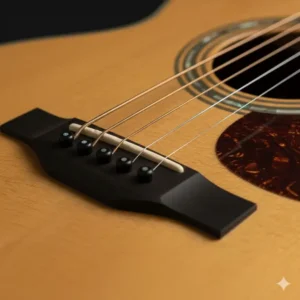
Owning a flat top guitar means accepting responsibility for its care. Proper maintenance ensures your instrument sounds great and lasts for generations.
Essential Daily Habits
✅ Wipe down strings after playing: Use a microfiber cloth to remove skin oils and sweat
✅ Loosen strings slightly for long-term storage: Reduces neck tension when not in use for weeks
✅ Keep in case or stand: Protect from accidental damage and maintain stable environment
✅ Monitor humidity levels: Wood moves with moisture changes
Humidity: Your Guitar’s Biggest Enemy
Acoustic guitars are incredibly sensitive to humidity changes. Too dry, and tops crack. Too humid, and action rises as the wood swells.
Optimal Humidity Range: 40-50% relative humidity
| Condition | Effects | Prevention |
|---|---|---|
| Too Dry (<35%) | Top cracks, fret sprout, lowered action | Use room humidifier or soundhole humidifier |
| Too Humid (>60%) | Swelled top, high action, structural issues | Use dehumidifier, silica gel packs in case |
| Fluctuating | Worst scenario – constant movement causes damage | Maintain stable environment year-round |
Storage Solutions:
✅ Climate-controlled room – Best option if available
✅ Case humidification system – D’Addario and Planet Waves make reliable systems
✅ Hygrometer in case – Monitor conditions constantly
Regular Maintenance Schedule
Weekly:
- Check tuning stability
- Inspect strings for wear
- Wipe down fingerboard
Monthly:
- Clean entire guitar with appropriate cleaner
- Inspect for any developing issues
- Check neck relief and action
Every 3-6 Months:
- Change strings (varies by playing frequency)
- Deep clean fingerboard with lemon oil
- Polish body if applicable
Annually:
- Professional setup and inspection
- Fret polish and conditioning
- Check structural integrity
| Maintenance Task | DIY Friendly? | Cost If Professional | Frequency |
|---|---|---|---|
| String Changes | Yes | $20-40 | Every 3-6 months |
| Basic Cleaning | Yes | N/A | Weekly/Monthly |
| Setup (action, intonation) | Advanced DIY | $50-100 | Annually |
| Fret Polishing | Advanced DIY | $100-150 | Every 2-3 years |
| Neck Adjustment | DIY with knowledge | $40-60 | As needed |
| Refretting | Professional only | $300-600 | Every 10-20 years |
When to Seek Professional Help
Some issues require professional attention:
❌ Cracks in the body or neck – Can worsen rapidly if not addressed
❌ Lifted bridge – Structural issue requiring expert repair
❌ Severe fret wear – Affects intonation and playability
❌ Warped neck – May require truss rod adjustment or replacement
❌ Electronics problems – Internal wiring requires disassembly
Common Mistakes When Buying a Flat Top Guitar
Let me save you from some expensive lessons I’ve learned (and watched others learn) over the years.
Mistake #1: Buying Based on Looks Alone
That gorgeous sunburst finish might catch your eye, but if the guitar doesn’t fit your hands comfortably or sound good to your ears, you’ll regret the purchase.
Solution: Always play before buying. If purchasing online, buy from retailers with generous return policies.
Mistake #2: Ignoring Playability for Price
The cheapest flat top guitar isn’t always the best deal if it’s so uncomfortable that you stop playing.
Solution: Factor in the cost of professional setup when buying budget guitars. A $200 guitar with a $60 setup often outperforms a $260 guitar with factory setup.
Mistake #3: Overlooking Size and Weight
A full-size dreadnought flat top guitar might be too large for smaller players or children.
Solution: Consider body size options: – Full dreadnought: Adults with average-to-large builds
- Grand Auditorium/Concert: Smaller adults, comfort-focused players
- Parlor/Travel size: Children, petite adults, travelers
Mistake #4: Neglecting Electronics Needs
Buying a purely acoustic guitar when you plan to perform can lead to disappointment when you try to mic it or add a pickup later.
Solution: If you’ll ever play amplified, either buy with electronics included (like Taylor 214ce or Gibson J-45 Standard) or budget for quality pickup installation ($150-300).
Mistake #5: Rushing the Decision
Guitar purchase regret usually comes from impulsive buying.
Solution: Visit multiple stores, play numerous guitars, and sleep on the decision. A flat top guitar should feel like coming home, not settling for what’s available.
Beyond the Guitar: Essential Accessories
Your flat top guitar needs supporting gear to sound and perform its best.
Must-Have Accessories for Every Player
| Accessory | Purpose | Budget Option | Premium Option |
|---|---|---|---|
| Case/Gig Bag | Protection, storage | $30-60 gig bag | $150-300 hardshell |
| Tuner | Maintain correct pitch | $10-20 clip-on | $30-50 strobe tuner |
| Capo | Change key without retuning | $10-15 spring | $25-40 Shubb/G7th |
| Strings | Replacement sets | $5-8 per set | $12-18 premium sets |
| Strap | Playing standing up | $10-20 basic | $30-60 padded leather |
| Picks | Tone and control | $3-10 variety pack | $15-30 specialty picks |
| Stand | Safe storage | $15-25 folding | $40-80 hardwood |
Strings: The Overlooked Tone Shaper
Factory strings on new guitars are rarely optimal. They’re chosen for cost and shelf stability, not tone.
String Gauge Guide for Flat Top Guitars:
Light Gauge (0.012-0.053):
- Easier on fingers, especially for beginners
- Lower tension reduces hand fatigue
- Suitable for fingerpicking and light strumming
- Less volume and projection
Medium-Light Gauge (0.012-0.054 or 0.013-0.056):
- Most popular choice for flat top guitars
- Good balance of playability and tone
- Versatile across playing styles
- Recommended for most players
Medium Gauge (0.013-0.056):
- Fuller tone, more volume
- Requires more finger strength
- Better for aggressive strumming
- Professional’s choice for dreadnoughts
String Material Considerations:
✅ 80/20 Bronze: Bright, crisp tone that mellows over time (1-2 weeks of playing life)
✅ Phosphor Bronze: Warmer tone, longer lifespan (2-3 weeks of playing life)
✅ Coated Strings: Extended lifespan (months), slight tone trade-off
Amplification Options for Your Flat Top Guitar
Even if your guitar doesn’t come with built-in electronics, you have amplification options:
Soundhole Pickups:
- Easy installation, no modification required
- $40-150 range
- Decent tone, some magnetic interference
Under-Saddle Pickups:
- Professional installation required ($150-250 labor)
- $100-300 for quality systems
- Natural tone, feedback resistant
Microphones:
- No modification needed
- $50-500+ depending on quality
- Most natural tone, feedback issues in loud venues
The Future of Flat Top Guitars
The flat top guitar industry continues evolving, and 2025 brings interesting developments:
Sustainable Tonewood Initiatives
Traditional tonewood supplies face environmental pressures. Progressive manufacturers are responding:
✅ Alternative Tonewoods: Walnut, sapele, and other sustainable options increasingly replace endangered species
✅ Laminate Technology: Modern laminates sound increasingly competitive with solid woods
✅ Composite Materials: Carbon fiber and other synthetics offer consistency and durability
Martin Guitar has pioneered sustainable forestry partnerships, ensuring traditional tonewoods remain available for future generations. Their Sustainable Wood Series demonstrates that environmental responsibility doesn’t require sonic compromise.
Technology Integration
Modern flat top guitars increasingly blend traditional craftsmanship with contemporary technology:
Built-in Tuners: Many models now include discreet soundhole tuners
USB Recording: Some acoustics feature direct-to-computer recording capability
Modeling Electronics: Premium systems can simulate various acoustic sounds
Temperature-Resistant Construction: New bracing techniques increase stability across climates
Direct-to-Consumer Brands
Companies like Orangewood and Donner are disrupting traditional distribution:
✅ Lower prices by eliminating middlemen
✅ Risk-free trial periods
✅ Quality approaching established brands
✅ Perfect for budget-conscious beginners
However, the inability to try before buying remains a significant drawback compared to traditional retailers.
🎵 Ready to Start Your Acoustic Journey?
Don’t wait another day to find your perfect flat top guitar! Browse through our recommended models, read customer reviews, compare features, and take advantage of current deals. Your musical adventure starts with one decision – make it today! Click any of the guitars above to get started. ✨
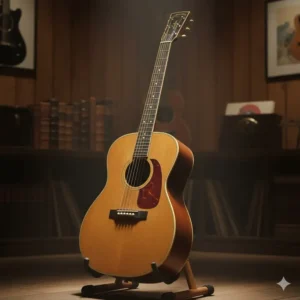
Final Thoughts: Your Flat Top Guitar Journey Begins Now
Choosing a flat top guitar represents more than a purchase decision – it’s the beginning of a musical relationship that can span decades. The seven guitars we’ve explored represent the best options available in 2025, each offering something unique to different players at various stages of their musical journey.
Whether you’re drawn to the legendary tone of the Martin D-18, the working musician reliability of the Gibson J-45 Standard, the unbeatable value of the Yamaha FG800, the modern sophistication of the Taylor 214ce, the beginner-friendly Fender CD-60S, the budget-conscious Epiphone DR-100, or the handcrafted excellence of the Seagull S6 Original, you’re choosing an instrument with proven track record and genuine quality.
Remember that the “best” flat top guitar is ultimately the one that inspires you to pick it up and play. Trust your ears, trust your hands, and trust your instincts. Visit stores, play multiple instruments, ask questions, and don’t rush the decision.
Your perfect guitar is out there waiting for you. When you find it, you’ll know – because it won’t feel like playing an instrument. It’ll feel like expressing yourself.
Frequently Asked Questions
✅ Sit with the guitar in playing position and check if you can comfortably reach the first fret without straining your shoulder. Your strumming arm should rest naturally on the body without feeling cramped. If the guitar feels too large or forces awkward posture, consider smaller body styles like Grand Auditorium, Concert, or Parlor shapes. Children and petite adults often prefer 3/4 size or travel models...
✅ Premium pricing reflects all-solid construction using carefully selected tonewoods, hand-crafted bracing techniques, precise manufacturing tolerances, decades of design refinement, and quality control standards that reject instruments other brands would sell. These guitars typically sound better, age gracefully, maintain resale value, and often last multiple generations with proper care. The investment pays dividends in tone, playability, and longevity...
✅ Purchase guitars with built-in electronics if you plan to perform amplified, play in bands, or record frequently. The Taylor 214ce and Gibson J-45 Standard include professional-grade systems that sound natural and resist feedback. If you strictly play acoustic or are uncertain about amplification needs, save money buying without electronics. Quality pickup systems can be professionally installed later for $200-400 total...
✅ New guitars undergo a break-in period where vibration from playing flexes wood fibers, allowing the top to move more freely and resonate better. This process happens faster with solid wood construction. Expect noticeable improvement during the first 6-12 months of regular playing. Some players deliberately play new guitars extensively during the first weeks to accelerate this break-in process...
✅ Airlines permit guitars as carry-on baggage under FAA regulations passed in 2012, though compliance varies by airline and flight fullness. Always book early, arrive at gate first, use a quality gig bag meeting size requirements 22x14x9 inches, loosen strings slightly before flight, and politely assert your rights if challenged. For valuable instruments exceeding $1500, purchase additional seat or ship with specialized guitar shipping services... ❓ How do I know if a flat top guitar is the right size for me?
❓ What makes Martin and Gibson flat top guitars so expensive?
❓ Should I buy a flat top guitar with or without electronics?
❓ Why does my new flat top guitar sound better after playing it?
❓ Can I take my flat top guitar on airplanes safely?
Recommended for You
- Collings Acoustic Guitar: 7 Premium Options You Need for Superior Tone & Clarity
- Cutaway Acoustic Guitar: 7 Best Models for Every Player
- Thin Body Acoustic Guitar – 7 Best Models Reviewed 2025
Disclaimer: This article contains affiliate links. If you purchase products through these links, we may earn a small commission at no additional cost to you.
✨ Found this helpful? Share it with your friends! 💬🤗