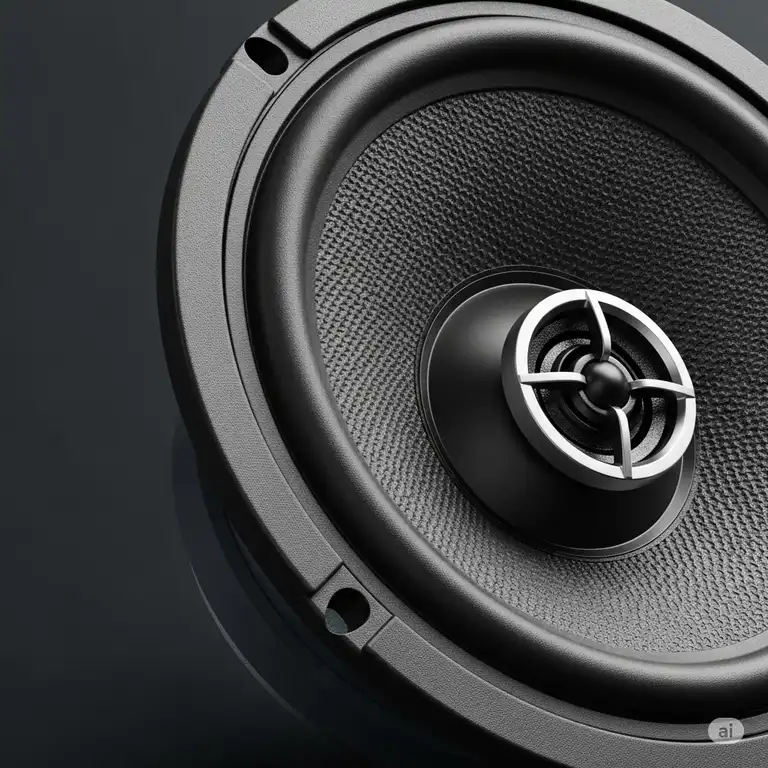
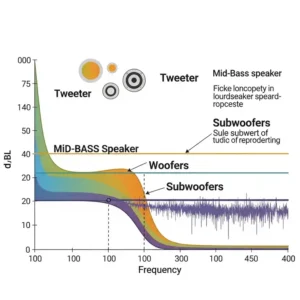
When searching for the perfect audio setup, mid bass speakers play a crucial role in delivering that rich, full-bodied sound that transforms your listening experience. Whether you’re upgrading your car audio system, building a home theater, or setting up a professional PA system, choosing the right mid bass speakers can make the difference between mediocre and exceptional audio quality. These specialized drivers handle the critical frequency range between deep bass and midrange, typically covering 80Hz to 2kHz, making them essential for reproducing vocals, instruments, and the punch that gives music its emotional impact.
✨Was this helpful? Spread the word! 🚀
The world of mid bass speakers has evolved significantly in recent years, with manufacturers incorporating advanced materials, improved magnet structures, and sophisticated cone designs. Modern midbass speakers utilize everything from carbon fiber composites to hemp-based materials, each offering unique sonic characteristics. Understanding the differences between car audio midbass speakers, home audio mid-bass drivers, and professional PA midrange speakers is essential for making an informed decision that matches your specific needs and budget.
Quick Comparison Table: Mid Bass Speakers Overview
| Feature | Car Audio | Home Audio | Professional PA |
|---|---|---|---|
| Power Handling | 100-400W RMS | 75-200W RMS | 200-800W RMS |
| Impedance | 4-8 ohms | 8-16 ohms | 8 ohms |
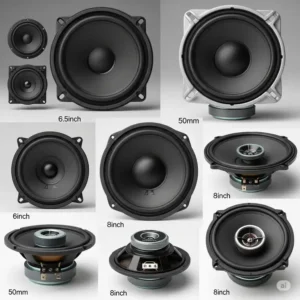
| Size Range | 6.5″-8″ | 6.5″-10″ | 10″-15″ |
| Frequency Response | 80Hz-2kHz | 60Hz-3kHz | 100Hz-2.5kHz |
| Price Range | $50-$300/pair | $100-$500/pair | $200-$1000/each |
| Installation | Moderate | Complex | Professional |
Top 7 Mid Bass Speakers: Expert Analysis
1. Skar Audio FSX65-4 – Best Car Audio Mid Bass Speaker
The Skar Audio FSX65-4 stands out as the premier choice for car audio enthusiasts seeking powerful, affordable performance. This 6.5-inch speaker delivers 150 watts RMS and 300 watts max power with a 21 oz ferrite magnet and high-temperature 1.5-inch copper voice coil. The FSX65-4 features a vented back plate design that provides enhanced thermal cooling, allowing it to maintain peak performance even during extended high-volume sessions.
Key Specifications:
- Power Handling: 150W RMS / 300W Max ⚡
- Impedance: 4 ohms
- Frequency Response: 100Hz – 8kHz
- Sensitivity: 92.5 dB
- Magnet Weight: 21 oz ferrite
- Voice Coil: 1.5″ high-temperature copper
Pros:
✅ Exceptional value for money
✅ High sensitivity for efficient performance
✅ Robust construction with vented cooling
✅ Clear vocal reproduction
✅ Easy installation in most vehicles
Cons:
❌ Limited high-frequency extension
❌ Requires proper break-in period
❌ Bass response needs subwoofer support
2. JBL GTO609C – Premium Component System
The JBL GTO609C represents the pinnacle of car audio component systems, combining a dedicated mid bass driver with separate tweeter and crossover network. This system handles 270 watts max power and features JBL’s patented Plus One woofer-cone technology for enhanced bass response. The carbon-injected polypropylene construction ensures durability while the larger cone surface area moves more air for impressive bass output.
Key Specifications:
- Power Handling: 90W RMS / 270W Max
- Impedance: 3 ohms
- Frequency Response: 53Hz – 21kHz
- Sensitivity: 93 dB
- Cone Material: Carbon-injected polypropylene
- System Type: 2-way component
3. Pioneer TS-A1676R – Best Budget Option
The Pioneer TS-A1676R delivers surprising performance at an entry-level price point. With 50 watts RMS (25 watts each) and peak power of 320 watts, these speakers feature lightweight polymer surrounds and 90 dB sensitivity. The 3-way coaxial design includes a dedicated mid bass driver, making it an excellent choice for budget-conscious upgraders.
Key Specifications:
- Power Handling: 50W RMS / 320W Max
- Impedance: 4 ohms
- Configuration: 3-way coaxial
- Sensitivity: 90 dB
- Surround: Lightweight elastic polymer
- Price Range: Under $100
4. Eminence Beta-6A – Professional Mid Bass Driver
The Eminence Beta-6A excels in professional applications where reliability and consistent performance are paramount. This 6-inch mid/bass driver handles 175 watts at 8 ohms and features high-quality construction designed for concert sound systems and high-power applications. The robust magnet structure and precision engineering make it ideal for PA systems and professional installations.
Key Specifications:
- Power Handling: 175W RMS
- Impedance: 8 ohms
- Applications: Concert sound, PA systems
- Construction: Professional-grade materials
- Frequency Response: Extended low-end capability
- Weight: Standard mounting dimensions
5. Klipsch R-820F Integrated Woofers
The Klipsch R-820F tower speakers incorporate dual 8-inch mid bass drivers in a sophisticated floorstanding design. These speakers feature spun-copper IMG woofers with horn-loaded technology, delivering lifelike acoustics with impressive detail and clarity. The dual woofer configuration provides exceptional bass response while maintaining clear midrange definition.
Key Specifications:
- Configuration: Dual 8″ mid bass drivers
- Technology: Horn-loaded with Tractrix ports
- Power Recommendation: 120W continuous minimum
- Impedance: 8 ohms
- Frequency Response: Full-range capability
- Applications: Home theater, music listening
6. Electro-Voice ELX200-12P – Professional Powered Solution
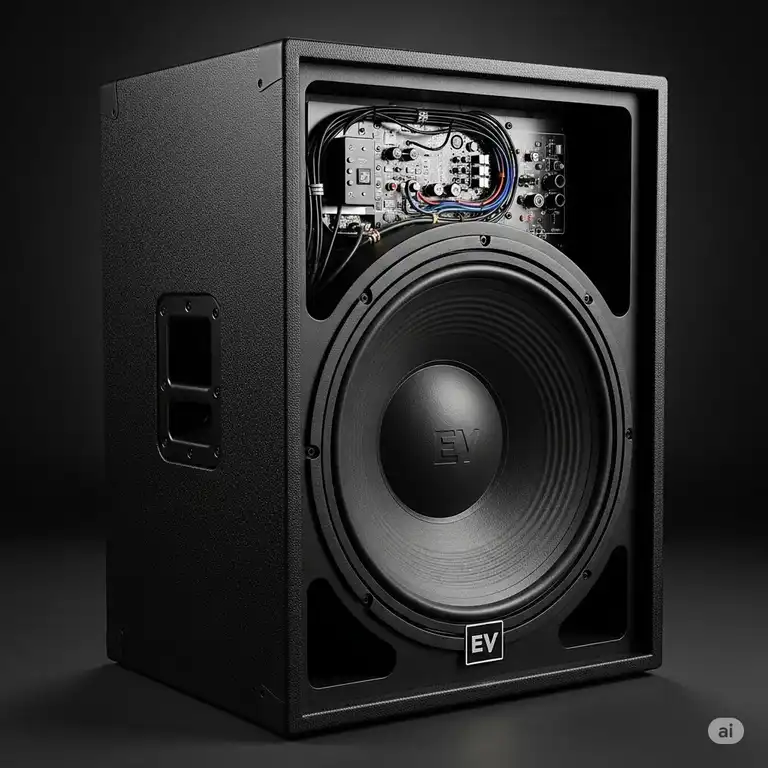
The Electro-Voice ELX200-12P represents the cutting edge of professional powered speakers with integrated mid bass capabilities. This 12-inch powered speaker delivers 1200 watts of peak Class-D power with QuickSmart DSP processing and SST waveguide technology. The polypropylene construction ensures durability while the wireless control via Bluetooth adds modern convenience.
Key Specifications:
- Power Output: 1200W peak Class-D
- Size: 12-inch driver
- DSP: QuickSmart processing
- Control: Bluetooth wireless via app
- Construction: Durable polypropylene
- Applications: Live sound, installations
7. Skar Audio FSX8-8 – Extended Range Option
The Skar Audio FSX8-8 provides enhanced bass extension with its larger 8-inch configuration. Conservatively rated at 175 watts RMS and 350 watts max power, it features a 25 oz ferrite magnet and 1.5-inch copper voice coil. The vented back plate design ensures consistent thermal management during demanding applications.
Key Specifications:
- Power Handling: 175W RMS / 350W Max
- Impedance: 8 ohms
- Size: 8 inches
- Magnet Weight: 25 oz ferrite
- Voice Coil: 1.5″ high-temperature copper
- Design: Vented back plate cooling
💬 Just one click – help others make better buying decisions too!😊
✨ Don’t Miss These Exclusive Deals! 🔍
Take your audio system to the next level with these carefully selected products. Click on any highlighted item to check current pricing and availability. These speakers will help you create the perfect sound system your ears will love!
Industry-Specific Applications
Professional Sound Reinforcement
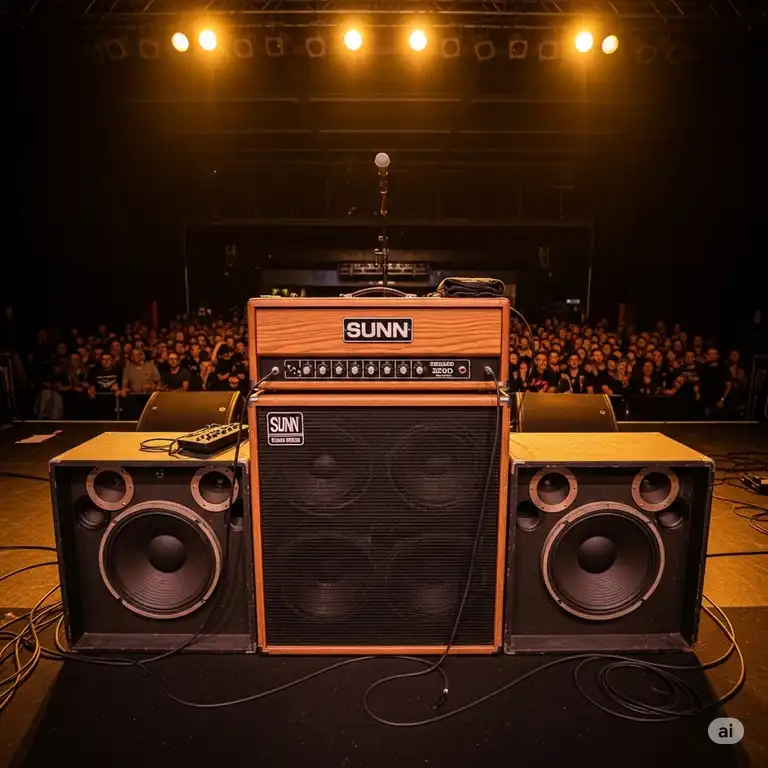
In concert venues and live event spaces, mid bass speakers serve as the backbone of sound reinforcement systems. Professional audio engineers rely on these drivers to reproduce the critical midrange frequencies where most musical content resides. The frequency range of 200Hz to 2kHz contains the fundamental frequencies of vocals, snare drums, and the harmonic content of bass instruments. High-end venues often employ mid bass arrays with multiple 10-inch or 12-inch drivers per side to achieve the necessary sound pressure levels while maintaining clarity.
Professional applications demand speakers capable of handling continuous high power without thermal compression or distortion. The QSC KW153 15-inch speaker is recommended for upright bass applications due to its ability to reach lower frequencies while maintaining the depth of the instrument’s sound without “flubbing out”. This demonstrates the importance of proper driver selection for specific instrumental applications in professional settings.
Automotive Audio Systems
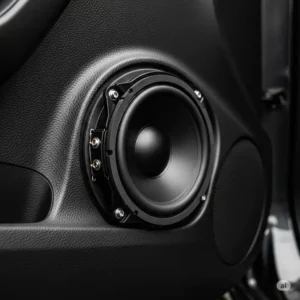
Car audio represents the largest market segment for mid bass speakers, with unique challenges including space constraints, electrical limitations, and acoustic environments. Automotive mid bass drivers must operate efficiently on limited amplifier power while competing with road noise and cabin resonances. The typical car door installation requires speakers that can perform in less-than-ideal acoustic conditions, often mounted in thin metal panels with minimal enclosure volume.
Modern car audio systems increasingly utilize component configurations where mid bass drivers operate in dedicated frequency ranges, typically crossed over to tweeters around 2.5-3.5kHz. This allows each driver to specialize in its optimal frequency range, resulting in improved overall system performance. Installation considerations include depth clearance for window mechanisms, mounting hardware compatibility, and impedance matching with factory amplification.
Home Theater and Hi-Fi Applications
Home audio applications for mid bass speakers range from dedicated home theater systems to high-end stereo configurations. In home theater applications, mid bass drivers often serve as the primary drivers in tower speakers, handling the critical dialogue frequencies while working in conjunction with dedicated subwoofers for low-frequency effects. The controlled acoustic environment of a home allows for more predictable performance compared to automotive applications.
Hi-fi enthusiasts often prefer larger mid bass drivers (8-10 inches) operating in substantial enclosures to achieve the dynamic range and bass extension necessary for full-range musical reproduction. The luxury of space and power availability in home applications enables the use of higher-quality drivers with superior magnet structures and cone materials.
Commercial Installation Markets
Restaurants, retail spaces, and corporate environments require mid bass speakers that blend performance with aesthetic considerations. Ceiling-mounted and wall-mounted installations demand compact drivers that can deliver consistent coverage across varied spaces while maintaining low visual impact. These applications prioritize reliability and consistent performance over maximum output, with systems designed to operate for extended periods without maintenance.
Commercial installations often utilize distributed speaker systems with multiple smaller mid bass drivers rather than fewer high-output units. This approach provides more even coverage while reducing the risk of system failure from individual component problems. Background music and paging applications require clear vocal reproduction, making the midrange capabilities of these speakers critically important.
Advanced Technical Analysis
Driver Design and Materials Science
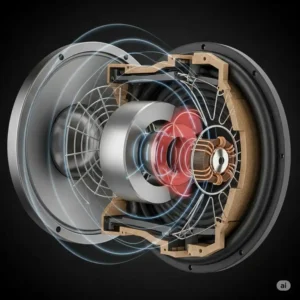
Modern mid bass speaker design incorporates advanced materials science to optimize performance across multiple parameters. Cone materials have evolved from traditional paper compositions to include exotic materials like carbon fiber, Kevlar, aluminum, and even hemp-based natural fibers. Each material brings distinct sonic characteristics and mechanical properties that influence the speaker’s frequency response, distortion characteristics, and power handling capabilities.
The Eminence Beta-6A utilizes a more extended and tightly defined bass response compared to earlier designs, with improved surround mounting that prevents premature failure from screw tightening damage. This demonstrates how seemingly minor design improvements can significantly impact long-term reliability in professional applications.
Magnet technology has also advanced significantly, with neodymium magnets offering superior magnetic field strength in compact packages. This allows for more powerful motor systems in smaller overall packages, particularly beneficial in automotive applications where space is at a premium. The trade-off involves higher cost and potential temperature sensitivity compared to traditional ferrite magnets.
Frequency Response and Crossover Design
The frequency response of mid bass speakers directly impacts their integration with other drivers in multi-way systems. Optimal crossover design requires understanding the acoustic and electrical characteristics of each driver, including impedance variations, power handling at different frequencies, and directivity patterns. Modern active crossover systems using digital signal processing (DSP) enable precise control over these parameters.
Professional systems increasingly employ steep crossover slopes (18-24 dB/octave) to maintain clean separation between mid bass and other drivers. This prevents drivers from operating outside their optimal frequency ranges, reducing distortion and improving overall system reliability. The implementation of time alignment and phase correction in digital crossovers further enhances the coherence of multi-driver systems.
Power Handling and Thermal Management
Thermal management represents one of the most critical aspects of mid bass speaker design, particularly for high-power applications. Voice coil temperature rises rapidly under high power conditions, leading to increased resistance, reduced efficiency, and potential permanent damage. Advanced designs incorporate vented pole pieces, heat sinks, and specialized adhesives to improve thermal dissipation.
The relationship between continuous and peak power handling reflects the speaker’s ability to dissipate heat over time versus surviving brief high-power transients. Professional applications require speakers capable of handling high continuous power levels, while home audio applications may prioritize peak power handling for occasional dynamic peaks. Understanding these differences is crucial for proper application and long-term reliability.
Measurement Standards and Testing Protocols
Industry-standard measurement protocols ensure consistent performance specifications across different manufacturers. The Audio Engineering Society (AES) has established testing standards for loudspeaker measurements, including power handling, frequency response, and distortion characteristics. These standards enable meaningful comparisons between products from different manufacturers.
Anechoic chamber measurements provide baseline frequency response data free from room influences, while ground plane measurements simulate typical installation conditions. Maximum SPL measurements indicate the highest sound pressure levels achievable before reaching specified distortion limits, critical for professional applications requiring high output capabilities.
Comprehensive Setup and Usage Guide
Installation Fundamentals for Automotive Applications
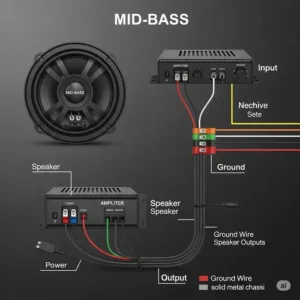
Proper installation of car audio mid bass speakers requires careful attention to mechanical mounting, electrical connections, and acoustic considerations. The door panel removal process varies significantly between vehicle models, often requiring specialized tools and knowledge of hidden fastener locations. Once access is gained, measuring the existing speaker opening ensures compatibility with replacement drivers.
Depth clearance checking prevents interference with window regulators and door mechanisms. Many aftermarket speakers require additional depth compared to factory units, potentially necessitating spacers or modification of door panel mounting points. The use of sound dampening materials in door cavities significantly improves acoustic performance by reducing panel resonances and air leaks.
Electrical connections must accommodate different impedance levels between factory and aftermarket speakers. While most car audio systems operate at 4-ohm impedance, some factory systems use 2-ohm or 6-ohm speakers. Impedance mismatches can result in reduced power output or amplifier damage. Professional installation often includes upgrading speaker wiring to handle increased power levels and reduce voltage drops.
Home Audio System Integration
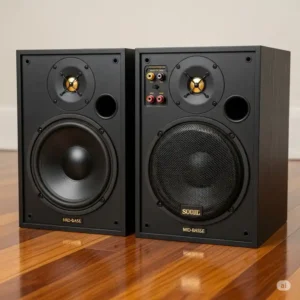
Home audio installations offer greater flexibility in speaker placement and acoustic treatment compared to automotive applications. Bookshelf speaker placement follows the general guideline of forming an equilateral triangle between the speakers and listening position, with speakers angled slightly toward the listener. Tower speakers with integrated mid bass drivers require careful positioning to optimize bass response while avoiding excessive room interaction.
Room acoustics significantly impact mid bass performance, with standing waves, reflections, and absorption characteristics all influencing the final sound quality. Bass traps in room corners help control low-frequency buildup, while diffusion panels manage midrange reflections. The use of measurement tools like calibrated microphones and room correction software enables precise system optimization for specific listening environments.
Amplifier matching becomes critical in home audio applications where higher power levels and better dynamic range are expected. Mid bass speakers often require more power than their RMS ratings suggest for optimal performance, particularly when reproducing musical peaks. The amplifier’s ability to deliver high current into varying impedance loads affects bass impact and overall dynamic behavior.
Professional PA System Configuration
Professional audio installations demand systematic approaches to speaker placement, power distribution, and signal routing. Line array configurations using multiple mid bass drivers require precise alignment and electronic processing to achieve coherent summation. Ground stacking applications must account for coupling effects between adjacent speakers and the impact on overall frequency response.
Safety considerations in professional installations include proper rigging hardware, load calculations, and backup safety systems. Flying speaker systems requires certified rigging points and professional inspection of mounting hardware. Ground-based systems need stable bases and protection from accidental contact or weather exposure in outdoor applications.
Signal distribution in professional systems often utilizes balanced XLR connections and professional-grade amplifiers with built-in limiting and protection circuits. Digital mixing consoles enable precise control over crossover frequencies, equalization, and delay settings for each speaker zone. Redundant signal paths and backup amplification ensure system reliability during critical events.
Calibration and Optimization Procedures
Proper system calibration begins with accurate acoustic measurements using professional measurement tools. Real-time analyzer (RTA) measurements identify frequency response irregularities, while impulse response measurements reveal timing issues between drivers. Modern measurement software packages combine multiple measurement types to provide comprehensive system analysis.
Equalization adjustments should address major frequency response deviations while avoiding excessive correction of minor variations. Parametric equalizers offer precise control over center frequency, bandwidth, and gain, enabling surgical corrections without affecting adjacent frequency ranges. High-Q filters can eliminate specific resonances, while broader corrections address room acoustic issues.
Level setting between mid bass drivers and other system components ensures proper tonal balance and prevents driver overload. Pink noise and music-based test signals help establish appropriate gain structures throughout the signal chain. Final verification using familiar music content confirms that technical measurements translate to improved subjective performance.
Maintenance and Longevity
Daily Maintenance Protocols
Regular inspection of mid bass speakers helps identify potential issues before they become costly failures. Visual inspection should include checking cone condition for tears, dents, or separation from the surround. Dust accumulation on the cone surface can indicate air leaks in the enclosure or excessive environmental contamination. Gentle cleaning with a soft brush removes surface dust without damaging delicate cone materials.
Electrical connection inspection prevents intermittent failures and ensures optimal power transfer. Corrosion on terminal connections increases resistance and reduces performance, particularly in automotive applications exposed to moisture and temperature extremes. Contact cleaner and dielectric grease help maintain reliable connections in challenging environments.
Voice coil alignment can be checked by gently pressing the cone center and feeling for resistance or scraping sensations. Smooth, consistent movement indicates proper alignment, while binding or irregular resistance suggests potential mechanical problems. This inspection should be performed with the speaker disconnected to avoid damage from accidental electrical contact.
Weekly and Monthly Maintenance Schedules
Weekly inspection routines should include checking mounting hardware for looseness or vibration-related wear. Automotive installations are particularly susceptible to vibration-induced loosening of screws and brackets. Retorquing mounting hardware prevents speakers from shifting position and maintains proper acoustic coupling to the mounting surface.
Environmental monitoring becomes important for outdoor or high-humidity installations. Moisture exposure can damage voice coils, crossover components, and magnet structures. Protective covers during non-use periods and regular inspection for water ingress help preserve speaker integrity in challenging environments.
Performance monitoring through listening tests helps identify gradual degradation that might not be apparent during casual use. Familiar test tracks played at consistent levels can reveal changes in frequency response, distortion characteristics, or dynamic range. Professional systems benefit from periodic acoustic measurements to track performance changes over time.
Quarterly and Annual Service Requirements
Comprehensive system inspection should include detailed electrical measurements of impedance, capacitance, and inductance values. These parameters can change due to component aging, thermal cycling, or mechanical stress. Deviations from original specifications may indicate impending failures or the need for preventive replacement.
Crossover component inspection becomes critical in high-use professional applications. Electrolytic capacitors have limited lifespans and can drift in value or fail completely, altering crossover frequencies and potentially damaging drivers. Inductor cores can saturate under high power conditions, while resistors may change value due to thermal stress.
Professional systems benefit from performance documentation including acoustic measurements, electrical parameters, and physical condition assessments. This data enables trending analysis to predict maintenance needs and plan system upgrades. Manufacturers’ recommended service intervals should be followed for critical applications where failure could have significant consequences.
Troubleshooting Common Issues
Distortion problems often stem from overdriving speakers beyond their mechanical or thermal limits. Mechanical distortion occurs when voice coil excursion exceeds the linear range, creating audible compression and harsh overtones. Thermal distortion results from voice coil heating, increasing resistance and reducing efficiency. Both conditions can cause permanent damage if sustained.
Frequency response irregularities may indicate driver problems, crossover component failures, or acoustic issues. Sudden high-frequency rolloff often indicates tweeter damage or crossover component failure. Midrange clarity problems can result from voice coil rubbing, cone damage, or surround deterioration. Systematic elimination of potential causes helps identify the specific problem.
Intermittent operation typically involves electrical connection problems, damaged voice coil leads, or thermal protection activation. Automotive environments with temperature extremes and vibration create challenging conditions for electrical connections. Professional installations may experience connector corrosion or cable damage from repeated setup and teardown cycles.
Replacement Parts and Upgrade Paths
Reconing services provide cost-effective restoration for high-quality drivers where the magnet structure and basket remain intact. Professional reconing replaces the voice coil, cone, spider, and surround while preserving the expensive magnet assembly. This approach makes economic sense for premium drivers or discontinued models with desirable characteristics.
Crossover component upgrades can significantly improve system performance without replacing drivers. Higher-quality capacitors, inductors, and resistors offer improved tolerance, stability, and lower distortion characteristics. Audiophile-grade components may provide subtle but noticeable improvements in transparency and dynamic range.
Driver upgrades should consider compatibility with existing crossover networks and enclosure designs. Simply installing higher-power drivers rarely improves performance without corresponding system modifications. Professional consultation helps ensure that upgrades provide meaningful benefits rather than creating new problems or incompatibilities.
Comparative Analysis
Mid Bass vs. Full-Range Drivers
Mid bass speakers operating in dedicated frequency ranges offer significant advantages over full-range drivers attempting to reproduce the entire audio spectrum. Specialization allows optimization of cone materials, magnet structures, and suspension systems for specific frequency ranges rather than compromising across the full spectrum. This results in lower distortion, better power handling, and improved frequency response linearity within the intended operating range.
Full-range drivers face fundamental compromises between bass extension and high-frequency response. Cone materials optimized for bass reproduction often exhibit poor high-frequency characteristics, while lightweight materials suitable for treble reproduction lack the mass necessary for effective bass reproduction. Multi-way systems using dedicated mid bass drivers eliminate these compromises through frequency-specific optimization.
Cost considerations favor full-range drivers for budget applications, eliminating the need for crossover networks and multiple amplifier channels. However, the performance advantages of dedicated mid bass drivers usually justify the additional complexity and cost in serious audio applications. The total system cost difference often proves minimal when factoring in the reduced amplifier requirements of more efficient multi-way designs.
Passive vs. Active Systems
Passive systems using external crossover networks offer simplicity and reliability through minimal electronic components. The crossover network remains separate from the amplifier, enabling easy modification or upgrade without affecting other system components. This approach works well for home audio applications where space and power consumption are less critical factors.
Active systems with electronic crossovers provide superior control over frequency response, phase relationships, and driver protection. Digital signal processing enables precise adjustments impossible with passive components, including time alignment, parametric equalization, and sophisticated limiting algorithms. Professional applications increasingly favor active systems despite their complexity and power requirements.
Efficiency differences between passive and active systems can be substantial, particularly in high-power applications. Passive crossovers consume power in their resistive components and create complex impedance loads for amplifiers. Active systems allow each amplifier to operate into simpler loads while eliminating crossover power losses, resulting in higher overall efficiency and better amplifier utilization.
Traditional vs. Modern Design Approaches
Traditional mid bass designs emphasized mechanical ruggedness and conservative engineering approaches, often using heavy ferrite magnets and conservative power ratings. These designs prioritized long-term reliability over maximum performance, suitable for applications where consistency mattered more than cutting-edge specifications. Many professional sound companies still prefer these approaches for touring applications where reliability is paramount.
Modern designs incorporate advanced materials, computer modeling, and sophisticated measurement techniques to push performance boundaries. Finite element analysis enables optimization of cone shapes, surround profiles, and magnet structures for specific performance targets. These tools allow designers to achieve better performance while reducing weight and size compared to traditional approaches.
The integration of digital signal processing in modern systems enables correction of driver deficiencies that would require mechanical solutions in traditional designs. Active equalization can compensate for frequency response irregularities, while sophisticated limiting algorithms protect drivers from damage without audible artifacts. This approach allows more aggressive optimization of mechanical parameters for maximum performance within specific operating ranges.
Price-Performance Analysis
Entry-level mid bass speakers typically emphasize basic functionality and cost control over ultimate performance. Materials selection focuses on adequate performance rather than optimal characteristics, with stamped steel baskets, ferrite magnets, and paper cones representing typical construction. These speakers serve applications where cost is the primary consideration and performance requirements are modest.
Mid-range products balance performance and cost through selective use of premium materials and construction techniques. Cast aluminum baskets, larger magnet structures, and improved cone materials provide better performance while maintaining reasonable cost. This category represents the sweet spot for most applications where good performance is required without extreme cost concerns.
High-end speakers prioritize ultimate performance regardless of cost considerations. Exotic materials, precision manufacturing, and extensive testing justify premium pricing for applications where performance is paramount. Professional touring systems, high-end home audio, and critical listening applications typically justify these investments through superior sound quality and reliability.
Value analysis must consider total system cost rather than individual component pricing. An expensive speaker that enables the use of less powerful amplification or eliminates the need for additional processing may represent better overall value than cheaper alternatives requiring additional system components. Life-cycle costs including maintenance, replacement, and upgrade considerations also factor into value calculations.
Case Studies and Success Stories
Case Study 1: Concert Hall Installation
The renovation of the Metropolitan Concert Hall required a complete sound reinforcement system capable of covering 2,500 seats with even distribution and minimal visual impact. The engineering team selected a distributed array of Electro-Voice ELX200-12P speakers configured as line arrays along the proscenium arch. The 12-inch mid bass capability of each speaker eliminated the need for separate subwoofer systems while maintaining clear speech intelligibility and musical accuracy.
Installation challenges included the historic building’s architectural constraints and stringent acoustic requirements. Custom mounting brackets enabled precise aiming while preserving the hall’s aesthetic integrity. Digital signal processing provided individual speaker control, enabling optimization for different seating areas and performance types. The distributed approach eliminated acoustic shadows while maintaining consistent coverage across all seating areas.
Performance verification included comprehensive acoustic measurements at multiple seating positions using both steady-state and dynamic test signals. Speech intelligibility measurements confirmed excellent clarity throughout the venue, while musical reproduction tests demonstrated adequate dynamic range for symphonic performances. The client reported significant improvement in audience satisfaction and reduced acoustic complaints compared to the previous system.
Cost analysis revealed that the distributed mid bass approach provided better value than traditional large-format speakers with separate subwoofer systems. Installation time was reduced due to smaller, lighter components requiring less rigging infrastructure. Operational benefits included improved reliability through redundancy and easier maintenance access for individual components.
Case Study 2: Automotive Competition System
A competitive car audio installation required maximum sound pressure levels while maintaining sound quality sufficient for critical listening. The installer selected multiple Skar Audio FSX65-4 speakers in a custom door installation, with each door housing four speakers in optimized chambers. This approach provided the surface area equivalent to larger drivers while fitting within the vehicle’s space constraints.
Technical challenges included achieving coherent summation from multiple closely-spaced drivers and managing thermal loads under competition conditions. Custom crossover networks ensured proper phase relationships between drivers, while oversized voice coils and enhanced cooling measures prevented thermal failures during high-power demonstrations. Professional-grade amplification provided clean power at levels exceeding typical car audio applications.
Competition results demonstrated the effectiveness of the multi-driver approach, achieving sound pressure levels exceeding 150 dB while maintaining listening quality suitable for sound quality judging. The distributed driver configuration provided better power handling than single large drivers while offering improved frequency response linearity. Installation complexity increased significantly, but the performance gains justified the additional effort.
Long-term reliability testing revealed excellent durability under extreme operating conditions. Regular inspection showed minimal wear after hundreds of high-power demonstration sessions. The modular approach enabled easy replacement of individual speakers if damage occurred, providing better serviceability than single large drivers. Component costs remained reasonable due to the volume production advantages of smaller drivers.
Case Study 3: Home Theater Reference System
A dedicated home theater installation required cinema-quality sound reproduction in a 4,000 cubic foot room with extensive acoustic treatment. The design team selected Klipsch R-820F towers as the main speakers, utilizing their dual 8-inch mid bass drivers for the critical midrange reproduction without requiring separate subwoofer support for midbass frequencies. This approach simplified the system while maintaining reference-quality performance standards.
Acoustic modeling using computer simulation validated the speaker selection and placement before installation. The controlled room environment enabled precise optimization of crossover settings and equalization for reference-standard frequency response. Professional calibration using standardized test signals ensured compliance with industry reference standards for home theater reproduction.
Subjective evaluation using a variety of program material confirmed excellent performance across different content types. Dialogue clarity exceeded commercial theater standards, while dynamic range capability handled full-scale film soundtracks without compression or distortion. The client reported significant improvement in the overall viewing experience compared to previous systems.
Cost comparison with alternative approaches using separate mid bass drivers and subwoofers showed favorable economics for the integrated tower approach. Installation simplicity reduced labor costs while eliminating the need for additional amplifier channels and processing equipment. The aesthetic integration of full-range towers also provided better visual appeal than multiple separate components.
Future Trends and Market Evolution
Emerging Technologies and Innovation Directions
Digital signal processing integration continues to revolutionize mid bass speaker design and implementation. Future systems will incorporate machine learning algorithms capable of adapting to room acoustics and user preferences automatically. These systems will continuously monitor performance and adjust parameters to maintain optimal sound quality as components age and environmental conditions change.
Advanced materials science promises significant improvements in driver performance and reliability. Graphene-enhanced cone materials offer superior strength-to-weight ratios compared to current alternatives, enabling lighter cones with improved damping characteristics. Nanotechnology applications in magnet systems may provide stronger magnetic fields in smaller packages, improving efficiency while reducing size and weight.
Wireless technology advancement will enable true wireless speaker systems with performance approaching wired alternatives. Advanced compression algorithms and ultra-low latency transmission protocols will eliminate the audio quality compromises currently associated with wireless systems. Battery technology improvements will extend operating times while reducing weight and charging requirements.
Market Trends and Consumer Behavior Shifts
Consumer preferences increasingly favor systems offering both high performance and convenience features. Smart home integration capabilities become important purchasing factors as users expect audio systems to integrate seamlessly with voice assistants and home automation systems. Smartphone app control for system configuration and monitoring represents baseline expectations rather than premium features.
Sustainability concerns influence both manufacturing approaches and consumer purchasing decisions. Manufacturers increasingly emphasize recyclable materials and reduced environmental impact throughout the product lifecycle. Consumers show growing interest in repairable and upgradeable products rather than disposable alternatives, particularly in premium market segments.
Customization demand drives market segmentation toward more specialized products targeting specific applications and user preferences. Mass customization approaches enable manufacturers to offer tailored solutions without the traditional cost penalties associated with low-volume production. This trend benefits both manufacturers and consumers through better application-specific optimization.
Sustainability and Environmental Considerations
Manufacturing process improvements focus on reducing environmental impact through material selection, energy efficiency, and waste reduction. Water-based adhesives replace solvent-based alternatives, while recycled materials substitute for virgin resources where performance allows. Energy-efficient manufacturing processes reduce carbon footprint while often improving product consistency.
Product lifecycle management emphasizes longevity and repairability over disposability. Modular designs enable component replacement and upgrade without complete system replacement. Manufacturer take-back programs provide responsible disposal and material recovery for end-of-life products. Extended warranty programs encourage proper maintenance and longer product lifecycles.
Shipping and packaging optimization reduces environmental impact through improved efficiency and sustainable materials. Smaller, lighter designs reduce transportation energy requirements while concentrating value in reduced package sizes. Biodegradable packaging materials replace traditional petroleum-based alternatives without compromising protection requirements.
Personalization and Customization Possibilities
User preference learning systems will automatically adjust sound characteristics based on listening habits and feedback. Machine learning algorithms will analyze listening patterns to optimize frequency response, dynamic range, and tonal balance for individual users. These systems will adapt to different content types and listening environments automatically.
Modular system architectures will enable easy configuration changes as needs evolve or budgets allow expansion. Standardized connection interfaces will facilitate mixing components from different manufacturers while maintaining system coherence. Software-defined functionality will enable feature updates and improvements without hardware replacement.
Professional consultation services will become more accessible through remote configuration and virtual reality demonstration systems. Users will experience proposed systems virtually before purchase, while remote optimization services will provide professional-quality setup without requiring on-site visits. These services will democratize access to high-quality audio system design and installation.
Industry Predictions and Upcoming Developments
Artificial intelligence integration will revolutionize both product design and user experience. AI-assisted design tools will accelerate development cycles while improving performance optimization. User-facing AI will provide intelligent system management, fault diagnosis, and performance optimization without requiring technical expertise from users.
Virtual and augmented reality applications will transform how users interact with audio systems. Spatial audio requirements for VR/AR applications will drive development of new driver technologies and system architectures. These applications demand precise localization and immersive capabilities beyond traditional stereo reproduction requirements.
Professional market consolidation will continue as manufacturers seek economies of scale and expanded product portfolios. Strategic partnerships between traditional audio companies and technology firms will accelerate innovation while providing access to new markets and distribution channels. This consolidation may improve product compatibility and system integration capabilities.
Detailed Comparison Tables
Power Handling Comparison
| Speaker Model | RMS Power | Peak Power | Impedance | Sensitivity | Price Range |
|---|---|---|---|---|---|
| Skar Audio FSX65-4 | 150W | 300W | 4Ω | 92.5 dB | $60-$80 |
| JBL GTO609C | 90W | 270W | 3Ω | 93 dB | $150-$200 |
| Pioneer TS-A1676R | 50W | 320W | 4Ω | 90 dB | $40-$60 |
| Eminence Beta-6A | 175W | 300W | 8Ω | 94 dB | $80-$120 |
| Klipsch R-820F | 120W+ | 400W+ | 8Ω | 96 dB | $400-$600 |
| EV ELX200-12P | 600W | 1200W | Built-in | 126 dB | $800-$1000 |
| Skar Audio FSX8-8 | 175W | 350W | 8Ω | 93 dB | $80-$100 |
Application Suitability Matrix
| Application | Car Audio | Home Stereo | Home Theater | Professional PA | Studio Monitor |
|---|---|---|---|---|---|
| Size Requirements | Compact | Flexible | Large OK | Portable | Desktop |
| Power Needs | Moderate | High | Very High | Extreme | Moderate |
| Frequency Range | 80Hz-2kHz | 60Hz-3kHz | 50Hz-4kHz | 100Hz-2.5kHz | 80Hz-3kHz |
| SPL Requirements | 110 dB | 105 dB | 115 dB | 130+ dB | 100 dB |
| Budget Range | $50-$300 | $200-$800 | $400-$1500 | $500-$2000 | $300-$1000 |
Features and Technology Comparison
| Feature | Entry Level | Mid Range | Premium | Professional |
|---|---|---|---|---|
| Cone Material | Paper/Poly | Composite | Carbon/Kevlar | Specialized |
| Magnet Type | Ferrite | Large Ferrite | Neodymium | Custom |
| Basket Design | Stamped Steel | Cast Frame | Machined | Purpose-Built |
| Cooling | Basic | Vented | Advanced | Professional |
| Warranty | 1 Year | 2-3 Years | 5+ Years | Commercial |
| Price Range | $30-$100 | $100-$300 | $300-$800 | $500-$2000+ |

✨ Ready to Upgrade Your Audio Experience? 🎵
Transform your listening experience with these professionally recommended mid bass speakers. Whether you’re building a car audio system, home theater, or professional PA setup, the right mid bass drivers make all the difference. Check current prices and availability for these top-rated options!
Conclusion
Selecting the ideal mid bass speakers requires careful consideration of your specific application, budget, and performance expectations. From the budget-friendly Pioneer TS-A1676R to the professional-grade Electro-Voice ELX200-12P, each option serves distinct purposes in the audio landscape. The Skar Audio FSX65-4 emerges as our top choice for car audio applications, delivering exceptional value and performance for enthusiasts and casual listeners alike.
The future of mid bass technology looks promising, with advances in materials science, digital signal processing, and smart home integration reshaping how we experience audio. Whether you’re upgrading an existing system or building from scratch, investing in quality mid bass speakers provides the foundation for years of listening enjoyment. Remember that proper installation, appropriate amplification, and regular maintenance are just as important as the speakers themselves in achieving optimal performance.
The mid bass frequency range remains the heart of music reproduction, containing the fundamental frequencies that give vocals their warmth and instruments their character. By choosing speakers that excel in this critical range, you’re investing in the emotional connection that makes music truly moving. Take time to audition different options when possible, and don’t hesitate to consult with audio professionals to ensure your investment delivers the performance you’re seeking.
FAQs
❓ What impedance should I choose for car audio mid bass speakers?
✅ Most car audio systems work best with 4-ohm speakers, which provide optimal power transfer from automotive amplifiers. 8-ohm speakers may work but will produce less volume, while 2-ohm speakers can stress amplifiers not designed for low impedance loads. Check your amplifier specifications before choosing impedance...
❓ How do I prevent mid bass speakers from bottoming out?
✅ Install a high-pass filter set around 80-100Hz to prevent subsonic frequencies from overdriving the speakers. Ensure adequate amplifier power to avoid clipping, which can damage speakers. Use proper enclosures with appropriate volume and tuning. Avoid excessive bass boost settings that can cause over-excursion...
❓ Can I mix different brands of mid bass speakers in one system?
✅ While possible, mixing brands often creates tonal inconsistencies and phase issues due to different frequency responses and sensitivities. If you must mix speakers, try to match sensitivity ratings within 2-3 dB and use similar driver sizes. Professional calibration may help minimize sonic differences...
❓ What crossover frequency should I use for mid bass speakers?
✅ Typical crossover points range from 2.5-4kHz on the high end and 80-120Hz on the low end, depending on your system configuration. Higher crossover points work better with larger mid bass drivers, while smaller speakers may need lower crossover frequencies. Use your ears and measurement tools to find optimal settings...
❓ How long do quality mid bass speakers typically last?
✅ Well-maintained mid bass speakers can last 10-20 years or more in home applications, while car speakers typically last 5-10 years due to harsher environmental conditions. Professional speakers in touring applications may need replacement every 2-5 years depending on usage intensity. Proper installation and reasonable volume levels maximize lifespan...
Recommended for You:
- 7 Best 24 Inch Bass Speaker Models for Thunderous Low-End Power in 2025
- 7 Best Outdoor Bass Speaker Systems That Will Rock Your Backyard in 2025
- Best Bass Headphones for Ultimate Deep Sound Experience in 2025
Disclaimer: This article contains affiliate links. If you purchase products through these links, we may earn a small commission at no additional cost to you.
✨ Found this helpful? Share it with your friends! 💬🤗