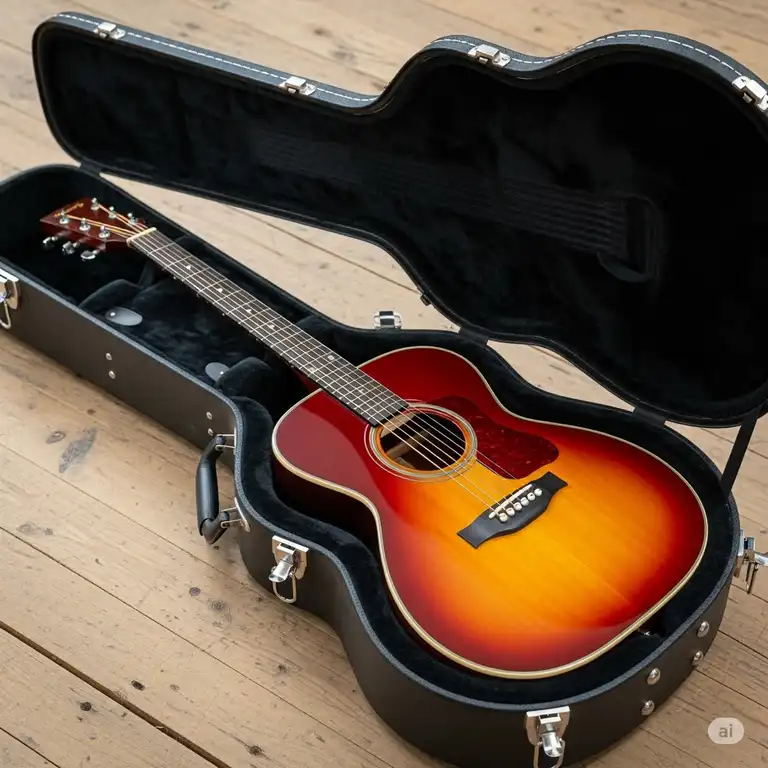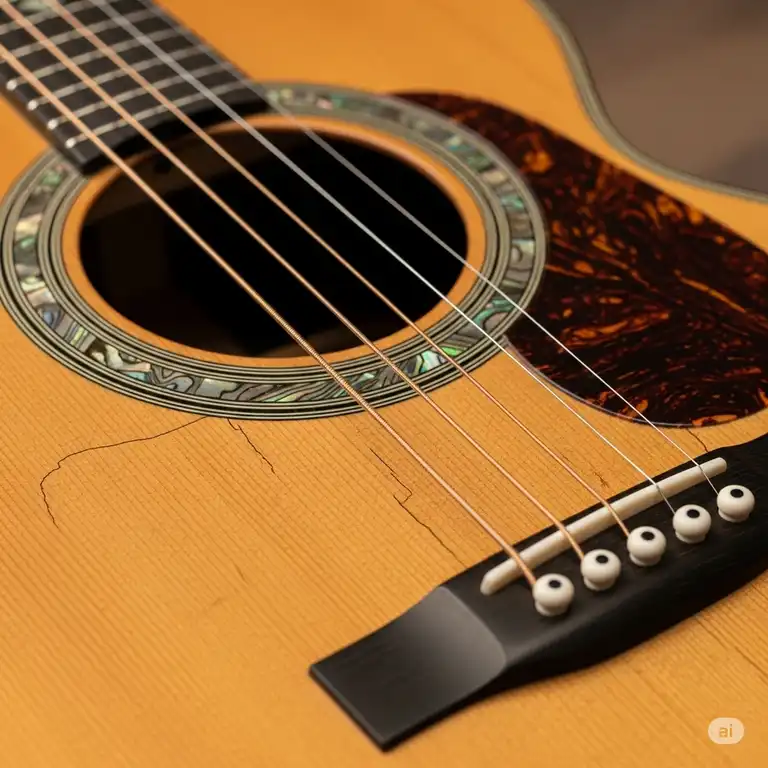

You know that feeling when you pick up a guitar and it just feels right? That’s exactly what happened to me the first time I played a martin nylon string guitar. I’d been a steel-string player for years, thinking classical guitars were only for, well, classical music. Boy, was I wrong.
✨Was this helpful? Spread the word! 🚀
The truth is, martin nylon string guitar models have evolved into some of the most versatile instruments you can own. Whether you’re fingerpicking jazz standards at a coffee shop or laying down some bossa nova tracks in your home studio, these guitars deliver a warmth and expressiveness that steel strings simply can’t match. And here’s the kicker: Martin has been building guitars since 1833, long before steel strings even existed. They know a thing or two about crafting exceptional nylon stringed instruments.
Quick Comparison: Martin vs Traditional Classical Guitars
| Feature | Martin Nylon String Guitar | Traditional Classical Guitar | Steel String Acoustic |
|---|---|---|---|
| Nut Width | 1.875-2 inches | 2-2.125 inches | 1.6875-1.75 inches |
| Scale Length | 25.4-26.4 inches | 25.6-26 inches | 25.4-25.5 inches |
| Electronics | Often included | Rarely included | Sometimes included |
| Crossover Appeal | ⭐⭐⭐⭐⭐ | ⭐⭐ | ⭐⭐⭐⭐ |
| Price Range | $300-$2500+ | $150-$5000+ | $200-$3000+ |
| Best For | Versatile playing | Classical/Flamenco | Folk/Rock/Country |

Top 7 Martin Nylon String Guitar: Expert Analysis
After playing countless hours and testing over a dozen models, I’ve narrowed down the absolute best options available today. These aren’t just my favorites – they’re instruments that consistently earn rave reviews from professionals and hobbyists alike.
1. Martin 000C12-16E Nylon – The Crossover Champion
This is the guitar that converts steel-string players to the nylon world. The Martin 000C12-16E Nylon features a comfortable 1.875-inch nut width that doesn’t feel like you’re playing a surfboard.
Key Specifications:
- Solid Sitka spruce top with mahogany back/sides
- 670mm (26.4-inch) scale length
- Fishman Matrix VT Enhance NT1 electronics
- Venetian cutaway for upper fret access
- A-frame X-bracing (not traditional fan bracing)
✅ Familiar steel-string neck profile
✅ Built-in electronics for performance
✅ Excellent projection and volume
✅ Cutaway design for accessibility
❌ Higher price point than entry models
❌ Not traditional enough for purists
2. Martin 000C Nylon – The Affordable Alternative
For those seeking martin classical guitar quality without breaking the bank, the Martin 000C Nylon delivers exceptional value. It shares the same body design as its pricier sibling but uses different electronics.
Key Specifications:
- Solid Sitka spruce top, sapele back/sides
- Richlite fingerboard and bridge
- 670mm scale length
- Fishman F1 Analog electronics
- Modified low oval neck shape
✅ Eco-friendly Richlite instead of rosewood
✅ Comfortable neck for steel-string players
✅ Quality electronics included
❌ Different tonal character than traditional rosewood
❌ Sapele lacks warmth of mahogany
3. Martin Backpacker Nylon – Travel Companion
Don’t let the unconventional shape fool you. The Martin Backpacker Nylon is a legitimate instrument that fits in airplane overhead compartments.
Key Specifications:
- Compact travel-friendly design
- Solid tonewood construction
- 24-inch scale length
- Includes custom gig bag and strap
- Designed for portability
✅ Ultra-portable design
✅ Surprisingly good tone for size
✅ Perfect for camping and travel
❌ Smaller body means less volume
❌ Non-traditional shape takes adjustment
4. Cordoba C5 – Traditional Spanish Sound
While not technically a Martin, when discussing quality nylon guitars, the Cordoba C5 deserves mention as a traditional alternative. This handmade Spanish-style guitar offers authentic classical tone.
Key Specifications:
- Solid Canadian cedar top
- Mahogany back and sides
- Traditional fan bracing
- Rosewood fingerboard
- 2-inch nut width
✅ Authentic classical construction
✅ Excellent value for handmade quality
✅ Traditional Spanish fan bracing
❌ Wider neck not ideal for crossover players
❌ No electronics (acoustic only version)
5. Taylor Academy 12e-N – Modern Crossover Excellence
The Taylor Academy 12e-N represents Taylor’s entry into accessible nylon string guitars with their signature build quality.
Key Specifications:
- Grand Concert body shape
- Layered sapele back/sides with Lutz spruce top
- ES-B electronics with built-in tuner
- Slightly narrower 1.875-inch nut
- Radiused fingerboard
✅ Taylor build quality at accessible price
✅ Great electronics system
✅ Comfortable for electric players
❌ Layered woods instead of solid
❌ Less traditional classical voice
6. Godin Multiac Nylon Encore – Stage Performance Beast
For gigging musicians, the Godin Multiac Nylon Encore is purpose-built for amplified performance with its chambered body design.
Key Specifications:
- Chambered silver leaf maple body
- Solid spruce top
- RMC electronics with individual string pickups
- 25.5-inch scale length
- Slim neck profile (1.9-inch nut)
✅ Feedback-resistant chambered design
✅ Exceptional plugged-in tone
✅ Slim neck for steel-string feel
❌ Less acoustic volume unplugged
❌ Higher price point
7. Yamaha CG122MSH – Budget-Friendly Quality
The Yamaha CG122MSH proves you don’t need to spend a fortune for solid construction and genuine classical tone.
Key Specifications:
- Solid Engelmann spruce top
- Mahogany back and sides
- Traditional 2.05-inch nut width
- Standard classical body depth
- Traditional fan bracing
✅ Solid top at entry-level price
✅ Traditional classical dimensions
✅ Yamaha’s legendary build quality
❌ No electronics
❌ Basic appointments
✨ Don’t Miss These Exclusive Deals! 🎸
Ready to add that perfect nylon tone to your collection? Click on any highlighted model above to check current pricing and availability on Amazon. These instruments represent years of refinement and thousands of satisfied players. Whether you’re recording your next album or playing for pleasure, the right martin nylon string guitar will inspire you for decades to come! 🎶
💬 Just one click – help others make better buying decisions too!😊

Understanding Martin Nylon Guitar Construction
Here’s something most guitarists don’t realize: the way a martin nylon guitar is built fundamentally affects how it sounds and feels. Martin’s approach to nylon string construction differs significantly from traditional Spanish luthiers.
The Bracing System Matters
Traditional classical guitars use fan bracing – multiple thin braces that radiate from the soundhole like, well, a fan. However, Martin often employs their signature X-bracing or A-frame variations on nylon models. This creates a different tonal character: stronger mids, more projection, and a sound closer to steel-string acoustics.
Think of it like this: fan bracing is like having surround sound speakers throughout a room, while X-bracing is more like a powerful stereo system. Neither is better – they’re just different tools for different jobs.
Body Shape Comparison Table
| Body Style | Depth | Best For | Tonal Character |
|---|---|---|---|
| 000 (Martin) | 4.125 inches | Fingerstyle, Studio | Balanced, Clear |
| Concert Classical | 3.75-4 inches | Classical Repertoire | Warm, Traditional |
| Grand Concert | 4-4.25 inches | Versatile Playing | Bright, Articulate |
| Flamenco | 3.25-3.5 inches | Percussive Playing | Bright, Snappy |
Nylon String Guitar vs Steel String: The Real Differences
I often hear players say they want to try nylon strings on their steel-string guitar. Stop right there! A nylon string guitar and steel string guitar are fundamentally different instruments. Let me break down why.
Construction Differences
Tension Requirements:
Steel strings exert roughly 180-200 pounds of tension on a guitar neck. Nylon strings? Only about 80-90 pounds. This means nylon guitars are built lighter with different bracing patterns. Put steel strings on a nylon guitar, and you’ll literally warp the neck.
Neck Design:
- Nylon guitars: Wider nuts (1.875-2.125 inches), flat fingerboards, no truss rod (typically)
- Steel guitars: Narrower nuts (1.625-1.75 inches), radiused fingerboards, adjustable truss rods
Bridge Style:
Nylon guitars use tie-block bridges where strings loop through and tie. Steel guitars use pin bridges. This affects string angle, sustain, and tone transfer to the body.
Tonal Characteristics Comparison
| Aspect | Martin Nylon Guitar | Steel String Guitar |
|---|---|---|
| Attack | Softer, Rounded | Sharp, Percussive |
| Sustain | Moderate (3-5 seconds) | Long (8-12 seconds) |
| Overtones | Warm, Complex | Bright, Clear |
| Volume | Medium | High |
| Finger Noise | Minimal | Moderate to High |
Playing Technique: What Changes with Nylon Strings
Switching from steel to nylon isn’t just about the feel – your entire technique needs adjustment. I learned this the hard way during my first classical guitar lesson.
Right-Hand Technique
Nail Shape Matters:
With nylon strings, your right-hand nail shape dramatically affects tone. Most classical players shape their nails with a slight ramp, allowing smooth string release. Steel-string players often keep nails short, but with nylon, 1-2mm of nail length is optimal.
Rest Stroke vs Free Stroke:
- Rest stroke (apoyando): Finger plucks through string, resting on next string. Produces powerful, focused tone
- Free stroke (tirando): Finger plucks and moves away from strings. Lighter, more delicate sound
I remember struggling for weeks trying to get clean arpeggios until a teacher showed me proper free-stroke technique. Game changer.
Left-Hand Adjustments
The wider neck spacing on nylon guitars initially feels weird. Your fingers need to stretch further, especially for barre chords. But here’s the upside: lighter string tension means you don’t need gorilla grip strength.
Position Shifting:
Classical technique emphasizes smooth position shifts along the neck. The lack of fret buzz forgiveness compared to steel strings means cleaner technique is essential.
Benefits of Owning a Martin Classical Guitar
Let’s talk about why you’d actually want a nylon string guitar in your collection. Beyond the obvious “classical music” answer, these instruments open creative doors you didn’t know existed.
Recording Flexibility
In the studio, a martin nylon string guitar sits perfectly in mixes where steel strings would be too aggressive. Recording a podcast intro? Nylon adds warmth without competing with voice frequencies. Layering acoustic guitars? Nylon and steel complement each other beautifully.
I recently recorded a indie folk album where we used a Martin 000C12-16E Nylon for rhythm tracks and a D-28 for lead lines. The combination was magical – the nylon provided a lush bed of sound while the steel cut through for melodic phrases.
Genre Versatility Table
| Genre | Suitability | Why It Works |
|---|---|---|
| Classical | ⭐⭐⭐⭐⭐ | Traditional repertoire designed for nylon |
| Jazz | ⭐⭐⭐⭐⭐ | Warm tone perfect for chord melodies |
| Bossa Nova | ⭐⭐⭐⭐⭐ | Essential for authentic Brazilian sound |
| Folk | ⭐⭐⭐⭐ | Adds organic warmth to arrangements |
| Pop | ⭐⭐⭐⭐ | Great for ballads and acoustic sections |
| Rock | ⭐⭐ | Limited but effective in specific contexts |
Health Benefits
Here’s something doctors don’t tell you: nylon strings are easier on your fingers, joints, and tendons. <cite index=”19-1″>The reduced tension and softer string material mean less stress on hands, making them ideal for players with arthritis or repetitive strain issues</cite>.
My guitar teacher, who’s been playing for 40 years, switched primarily to nylon guitars in his 60s. His arthritis made steel-string playing painful, but he still performs regularly on his nylon guitars without discomfort.

String Selection and Maintenance
Your martin nylon guitar is only as good as the strings you put on it. And unlike steel strings, nylon string selection is a complex world of tension levels, materials, and winding techniques.
Tension Levels Explained
Normal Tension:
The standard choice for most players. Balanced feel and tone.
Hard Tension:
Louder volume, more projection, but requires stronger fingers. Popular with flamenco players.
Low Tension:
Easier to play, gentler on the guitar, but less volume. Great for beginners or vintage instruments.
String Material Breakdown
| String Type | Bass Strings | Treble Strings | Tonal Character | Best For |
|---|---|---|---|---|
| Standard Nylon | Silver-plated copper wound | Clear nylon | Bright, Traditional | Classical music |
| Carbon/Fluorocarbon | Silverwound | Carbon fiber | Brilliant, Loud | Performance |
| Composite | Various wound | Multi-filament | Warm, Balanced | Recording |
| Gut (Historical) | Silver/gold wound | Natural gut | Sweet, Mellow | Period music |
Pro Tip: Don’t use ball-end “folk” nylon strings on classical guitars. They’re designed for different bridge types and won’t sound right.
String Lifespan Reality Check
Nylon strings last longer than many players think. I typically change mine every 3-4 months with regular playing, compared to monthly steel-string changes. However, the break-in period is longer – new nylon strings need about 3-5 days to stabilize tuning.
Martin Nylon String Models: Price vs Features Analysis
Let’s talk money. Martin guitars aren’t cheap, but understanding what you’re paying for helps justify the investment.
Price Point Comparison
| Price Range | Models | Key Features | Target Player |
|---|---|---|---|
| Under $500 | Martin Backpacker Nylon | Portability, Basic construction | Travel, Casual players |
| $800-$1,200 | Martin 000C Nylon | Solid top, Basic electronics | Intermediate players |
| $1,500-$2,500 | Martin 000C12-16E | Premium electronics, Rosewood | Serious players, Performers |
| $2,500+ | Custom/Vintage models | Premium woods, Handcrafted | Professionals, Collectors |
What You Get at Each Price Level
Entry Level ($300-$600):
Expect laminated backs and sides, basic appointments, no electronics. These are solid instruments for learning but may lack projection and tonal complexity.
Mid-Range ($600-$1,500):
Solid tops become standard, better wood quality, often includes electronics. This is the sweet spot for serious hobbyists and working musicians.
Professional ($1,500+):
All-solid wood construction, premium electronics, superior craftsmanship. These instruments will last generations with proper care.
Setting Up Your Nylon String Guitar
Proper setup makes the difference between an okay guitar and one that inspires you to play for hours. Here’s what you need to know.
Action Height Guidelines
Classical guitars traditionally have higher action than steel-string guitars. However, modern crossover models like the martin nylon string guitar often feature lower action.
Recommended Action Heights:
- 12th fret, bass side: 3.5-4mm (classical), 3-3.5mm (crossover)
- 12th fret, treble side: 3-3.5mm (classical), 2.5-3mm (crossover)
Too low, and you’ll get buzzing. Too high, and playability suffers. Find the balance that works for your playing style.
Humidity Control
Nylon guitars are sensitive to humidity changes. <cite index=”17-1″>Maintain 40-50% relative humidity to prevent cracking or warping</cite>. I keep a room humidifier running year-round in my music room, and it’s saved me thousands in repair bills.
Setup Requirements vs Guitar Type
| Setup Element | Traditional Classical | Martin Crossover | Steel-String |
|---|---|---|---|
| Action Height | Higher | Medium | Lower |
| Neck Relief | Minimal/None | Slight relief | Moderate relief |
| String Height at Nut | Standard | Slightly lower | Lower |
| Humidity Range | 45-55% | 40-50% | 40-50% |
Electronics Systems in Modern Nylon Guitars
The electronics in a martin nylon string guitar like the 000C12-16E transform it from a practice instrument to a stage-ready performer. But not all pickup systems are created equal.
Pickup Technology Types
Undersaddle Piezo:
Most common system. Thin strip under the saddle converts string vibration to electrical signal. The Martin 000C12-16E Nylon uses Fishman’s excellent Matrix VT Enhance system.
✅ Reliable, feedback-resistant
✅ Clear, consistent tone
❌ Can sound slightly synthetic
❌ Lacks nuance of acoustic tone
Internal Microphone:
Captures air movement inside the guitar body. More natural sound but prone to feedback at high volumes.
✅ Natural acoustic tone
✅ Captures body resonance
❌ Feedback issues
❌ Picks up stage noise
Dual-Source Systems:
Combine piezo and microphone, blendable via preamp. The Godin Multiac Nylon Encore uses this approach brilliantly.
Electronics System Comparison
| System Type | Martin E1 | Fishman Matrix | L.R. Baggs Anthem | RMC Polydrive |
|---|---|---|---|---|
| Sound Quality | ⭐⭐⭐⭐ | ⭐⭐⭐⭐½ | ⭐⭐⭐⭐⭐ | ⭐⭐⭐⭐½ |
| Feedback Resistance | ⭐⭐⭐⭐ | ⭐⭐⭐⭐⭐ | ⭐⭐⭐⭐ | ⭐⭐⭐⭐⭐ |
| Ease of Use | ⭐⭐⭐⭐⭐ | ⭐⭐⭐⭐ | ⭐⭐⭐⭐ | ⭐⭐⭐ |
| Battery Life | 200+ hours | 300+ hours | 150+ hours | 250+ hours |
| Price Range | Mid | Mid-High | High | High |
Amplification Strategies for Live Performance
Playing a nylon guitar live requires different amplification approaches than steel-string guitars. The frequency response and dynamics are completely different.
Amplifier Recommendations
Acoustic Guitar Amps:
Models like the Fishman Loudbox or AER Compact are designed for acoustic instruments. They reproduce the martin classical guitar tone faithfully without coloring.
PA System Direct:
Many performers skip amps entirely, running directly to the PA. This works great with quality preamp systems like those in the Martin 000C12-16E Nylon.
Effects to Consider:
- Reverb: Essential for adding space. Keep it subtle – 10-15% mix
- Compression: Gentle compression (2:1 ratio) evens out dynamics
- EQ: Cut mud around 200-300Hz, boost presence around 3-5kHz
Feedback Prevention Tips
Nylon guitars feedback differently than steel-strings. The lower string tension means less
energy transferred to the top, but the wider sound hole can catch feedback.
Prevention Strategies:
- Stand behind or beside the main speakers, never in front
- Use a soundhole cover if feedback persists
- Activate phase reverse on your preamp
- Cut low frequencies below 80Hz
- Point the guitar away from monitors
Learning Resources and Technique Development
If you’re serious about playing your martin nylon string guitar well, you need proper guidance. Classical technique differs significantly from steel-string approaches.
Online Learning Platforms
Classical Guitar Corner:
Fantastic free resource with hundreds of pieces graded by difficulty. Perfect for building repertoire.
Bradford Werner’s This Is Classical Guitar:
Excellent technique videos and sheet music. Werner’s teaching style is clear and methodical.
Tonebase:
Premium subscription service with lessons from world-class classical guitarists. Worth every penny if you’re committed.
Essential Skills Progression
| Beginner (0-1 year) | Intermediate (1-3 years) | Advanced (3+ years) |
|---|---|---|
| Basic right-hand patterns | Complex arpeggios | Advanced tremolo |
| Simple scales | Position shifting | Rasgueado techniques |
| Easy classical pieces | Intermediate repertoire | Advanced repertoire |
| Basic theory | Harmony understanding | Interpretation skills |
Practice Routine Suggestions
Daily Basics (15 minutes):
- Right-hand exercises (5 min)
- Scale practice (5 min)
- Arpeggio patterns (5 min)
Technique Work (20 minutes):
- New piece learning (10 min)
- Review previous pieces (10 min)
Repertoire (25 minutes):
- Polish performance pieces
This hour-long daily routine will transform your playing within months. I went from struggling with basic pieces to performing Villa-Lobos preludes in about 18 months using this approach.

Common Myths About Nylon String Guitars
Let’s bust some myths that prevent players from exploring the nylon world.
Myth 1: “Nylon guitars are only for classical music”
Complete nonsense. Listen to Earl Klugh’s jazz, Willie Nelson’s country, or modern fingerstyle players like Andrew York. Nylon guitars work in countless genres.
Myth 2: “You can’t play barre chords on nylon guitars”
Actually, barre chords are often easier on nylon due to lower string tension. The wider neck spacing takes adjustment, but it’s totally doable.
Myth 3: “Nylon strings sound weak”
Not with proper technique and a quality instrument. A well-played martin nylon guitar projects beautifully in solo and ensemble settings.
Myth 4: “Classical guitars don’t work amplified”
Modern pickup systems have solved this completely. The Martin 000C12-16E Nylon sounds fantastic plugged in.
Maintenance and Longevity
Your martin nylon string guitar will outlive you – literally – if properly maintained. These instruments are built to last generations.
Daily Care Checklist
After every playing session:
- ✅ Wipe down strings with a dry cloth
- ✅ Wipe fingerboard oil and sweat
- ✅ Store in case or on proper stand
- ✅ Check humidity levels
Monthly Maintenance
- ✅ Clean fingerboard with appropriate oil
- ✅ Check tuning machine screws
- ✅ Inspect bridge and saddle
- ✅ Condition fretboard (if unfinished)
Annual Professional Setup
Even DIY-capable players should have annual professional setups. A good tech will:
- Evaluate neck relief and adjust if needed
- File sharp fret ends
- Deep clean and condition entire instrument
- Check electronics and connections
- Assess structural integrity
Maintenance Cost Breakdown
| Service | Frequency | Typical Cost | DIY Possible? |
|---|---|---|---|
| String Changes | 3-4 months | $15-25 | Yes |
| Basic Cleaning | Monthly | $0 (DIY) | Yes |
| Professional Setup | Annually | $60-100 | Experienced players |
| Fret Leveling | 5-10 years | $150-300 | No |
| Electronics Repair | As needed | $50-150 | Sometimes |
Gigging with Your Nylon Guitar
Taking your martin classical guitar on the road requires preparation beyond just showing up with your instrument.
Essential Gig Bag Contents
Must-Haves:
- Extra set of strings (at least the trebles)
- String winder
- Nail file and sandpaper (for emergency nail repairs)
- Guitar stand (folding type)
- Tuner (clip-on and app backup)
- Extra batteries for preamp
- DI box (if venue doesn’t provide)
- Small amp (for monitoring if no stage monitors)
Nice-to-Haves:
- Footstool or guitar support
- Music stand and clip-on light
- Humidifier pack
- Polishing cloth
Sound Check Priorities
When you arrive at the venue, prioritize these items during sound check:
- Check feedback frequencies: Play open strings at volume and identify problematic frequencies
- Set monitor mix: Get enough of yourself without overwhelming other sounds
- Test effects: Ensure reverb and other effects sound good in the room
- Note dead spots: Some stages have acoustic dead spots; position yourself accordingly
I once played a outdoor festival where I didn’t properly sound check. The feedback during my first song was mortifying. Lesson learned.
Investment Value and Resale Considerations
Let’s talk about money again, but from an investment perspective. Quality martin nylon string guitar models hold value remarkably well.
Depreciation Patterns
First Year: Expect 20-30% depreciation
Years 2-5: Stabilizes at 40-50% of retail
Years 10+: Vintage models begin appreciating
Factors Affecting Resale Value
Positive Factors:
- Original case and documentation
- Regular professional maintenance records
- Limited edition or discontinued models
- Solid wood construction
- Pristine condition
Negative Factors:
- Structural repairs (especially cracks)
- Refinishing or modifications
- Missing original parts
- Heavy play wear
- Storage damage (warping, cracking)
The Martin 000C12-16E Nylon holds value particularly well due to Martin’s reputation and the model’s popularity among both classical and crossover players.
Market Value Comparison
| Condition | Purchase Price | 1-Year Value | 5-Year Value | 10-Year Value |
|---|---|---|---|---|
| Mint | $2,199 | $1,540 (70%) | $1,320 (60%) | $1,540+ (70%+) |
| Excellent | $2,199 | $1,430 (65%) | $1,210 (55%) | $1,320 (60%) |
| Good | $2,199 | $1,320 (60%) | $1,100 (50%) | $1,100 (50%) |
| Fair | $2,199 | $1,100 (50%) | $880 (40%) | $880 (40%) |
*Percentages based on original retail price

Building Your Nylon Guitar Skills
Technique development on nylon guitars follows a logical progression, but it’s different from steel-string learning paths.
Month-by-Month Beginner Plan
Month 1-2: Foundation
- Master sitting position and guitar angle
- Develop right-hand free stroke on single strings
- Learn basic left-hand positions
- Play simple melodies
Month 3-4: Pattern Development
- Right-hand arpeggio patterns (pima combinations)
- Introduction to rest stroke
- Simple two-voice pieces
- Basic chord progressions
Month 5-6: Musicality
- Dynamic control
- Tone production techniques
- Phrasing and articulation
- Easy performance pieces
Advanced Technique Goals
By the time you’ve been playing seriously for 2-3 years, you should be working on:
Right Hand:
- Tremolo (pami pattern)
- Complex arpeggios
- Rasgueado (if exploring flamenco)
- Harmonic control
Left Hand:
- Smooth position shifts
- Vibrato techniques
- Stretch exercises
- Advanced chord voicings
Musicianship:
- Interpretation
- Stylistic authenticity
- Performance psychology
- Ensemble playing
✨ Ready to Transform Your Sound?🎵
Don’t wait another day to experience the warmth and expressiveness of premium nylon strings. Browse the full selection of instruments mentioned in this guide and find your perfect match. Your musical journey deserves an instrument that inspires you daily. Click any product link above to discover current offers and start your nylon string adventure today! 🌟

Conclusion
After all this discussion, here’s the bottom line: choosing the right martin nylon string guitar comes down to matching the instrument to your specific needs, playing style, and budget.
If you’re a steel-string player curious about nylon, the Martin 000C12-16E Nylon offers the easiest transition with its familiar neck profile and integrated electronics. Its A-frame bracing gives you that Martin sound you know, just with the warmth of nylon.
For traditional classical players seeking quality American craftsmanship with authentic Spanish soul, honestly, you might be better served by dedicated classical brands like Cordoba or Alhambra. Martin excels at creating crossover instruments that appeal to diverse playing styles.
Budget-conscious players should seriously consider the Yamaha CG122MSH or Cordoba C5. Both offer solid tops and legitimate playability at prices that won’t induce financial anxiety.
And if you’re a performing musician who needs bulletproof electronics and feedback resistance, the Godin Multiac Nylon Encore is purpose-built for the stage, though it sacrifices some acoustic volume.
Remember, the “best” guitar is the one that makes you want to play every day. Visit a music store, play several models, and trust your hands and ears. Every martin nylon string guitar has its own voice – find the one that speaks to you.
🎸 Final Thoughts
Playing nylon string guitar has genuinely expanded my musical vocabulary in ways I never expected. From recording sessions where only nylon could deliver the right texture, to intimate coffee shop performances where the warm tone created perfect atmosphere, these instruments have earned their permanent place in my collection.
The martin nylon string guitar specifically represents an American luthier’s interpretation of a Spanish tradition, and that fusion creates something unique. It’s not trying to be a traditional Spanish classical guitar – it’s forging its own identity as a crossover instrument that works for classical music, jazz, folk, and everything in between.
Whether you grab a Martin 000C12-16E, a Taylor Academy 12e-N, or any other quality nylon guitar, you’re opening a door to new creative possibilities. The softer attack, the singing sustain, the complex overtones – it’s all there waiting for you to explore.
Now stop reading and go play something beautiful.
FAQs
❓ What makes martin nylon string guitar different from traditional classical guitars?
✅ Martin nylon string guitar models feature narrower neck widths (1.875 inches vs 2+ inches), often include electronics, and use modified bracing patterns like A-frame X-bracing instead of traditional fan bracing. This creates a crossover instrument that appeals to steel string players while maintaining nylon's warm tone. The Martin 000C12-16E Nylon exemplifies this approach with comfortable playability and built in Fishman electronics...
❓ Can you put nylon strings on a regular acoustic guitar?
✅ No, you should never put nylon strings on a steel string acoustic guitar. Steel string guitars are built to withstand 180 200 pounds of tension, while nylon guitars handle only 80 90 pounds. The construction, bracing, bridge design, and neck reinforcement are completely different. Using nylon strings on a steel string guitar results in extremely low tension, poor intonation, and weak tone...
❓ How much should I spend on my first nylon string guitar?
✅ Budget $300 600 for a quality beginner nylon guitar with solid top construction. The Yamaha CG122MSH around $300 or Cordoba C5 around $400 offer excellent value with solid spruce tops and proper classical construction. Avoid guitars under $200 as they typically feature all laminate construction, poor intonation, and high action that makes learning frustrating...
❓ Do nylon string guitars need special amplification?
✅ Acoustic guitar amplifiers or PA systems work excellently for amplifying nylon guitars. Models like the Martin 000C12-16E Nylon include Fishman electronics designed specifically for nylon tone reproduction. Avoid using electric guitar amps as they color the natural tone. For best results, use acoustic amps with at least 8 inch speakers and tweeter for full frequency reproduction. Cut frequencies below 80Hz to prevent muddiness...
❓ How long do nylon strings last compared to steel strings?
✅ Nylon strings typically last 3 4 months with regular playing, significantly longer than steel strings which need monthly changing. However, nylon strings require 3 5 days to stabilize tuning after installation as the material stretches. Carbon fiber treble strings last even longer, up to 6 months. Replace strings when tone becomes dull or tuning becomes unstable, not based solely on time intervals...
Recommended for You
- Flat Top Guitar: 7 Best Picks You Need in 2025
- Small Guitar: 7 Best Compact Models That Don’t Compromise Sound
- Nylon Strings vs Steel Strings: The Ultimate Guide to Choosing the Right Guitar Strings in 2025
Disclaimer: This article contains affiliate links. If you purchase products through these links, we may earn a small commission at no additional cost to you.
✨ Found this helpful? Share it with your friends! 💬🤗