Looking for a bass saxophone for sale that will revolutionize your musical expression? You’ve discovered the most comprehensive guide to finding your dream instrument in 2025. Whether you’re a seasoned professional seeking that perfect bass sax for sale or an ambitious musician ready to explore the depths of saxophone artistry, this guide reveals everything you need to know about bass saxophone purchasing, maintenance, and mastery.
✨Was this helpful? Spread the word! 🚀
The bass saxophone represents one of music’s most distinctive and commanding voices, capable of producing earth-shaking low frequencies that can anchor entire ensembles while delivering surprising agility in skilled hands. As you explore bass saxophones for sale, you’ll quickly discover why these magnificent instruments have captured the hearts of composers from Leonard Bernstein to contemporary jazz innovators.
Bass Saxophone vs. Alternative Low-End Instruments Comparison
| Instrument | Range | Portability | Versatility | Price Range | Unique Qualities |
|---|---|---|---|---|---|
| Bass Saxophone | Bb1-F#5+ | Moderate (with stand) | High | $5,000-$30,000+ | Rich overtones, jazz heritage |
| Baritone Saxophone | Db2-A5+ | Good | Very High | $2,000-$15,000 | More common, easier transport |
| Tuba | Bb0-F4 | Poor | Medium | $3,000-$20,000 | Classical foundation, brass timbre |
| Electric Bass | E1-C6+ | Excellent | Very High | $200-$5,000+ | Amplified, modern versatility |
| Bass Clarinet | E2-G6+ | Good | High | $1,500-$8,000 | Wooden tone, classical repertoire |
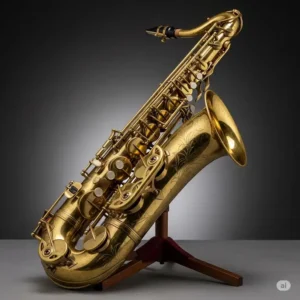
Understanding the Bass Saxophone Market Landscape
The bass saxophone market has experienced remarkable growth over the past decade, driven by renewed interest in extended saxophone families and innovative composers pushing instrumental boundaries. Currently, only a handful of manufacturers worldwide produce bass saxophones, making each instrument particularly valuable and sought-after.
Current Market Dynamics and Pricing Trends
Professional-grade bass saxophones currently range from approximately $20,000 to $35,000 for new instruments, while quality used models start around $5,000 and can reach $15,000 depending on condition and provenance. This pricing reflects both the specialized manufacturing requirements and limited production volumes that characterize the bass saxophone market.
The scarcity of bass saxophone manufacturers has created an interesting market dynamic where instruments from established makers like P. Mauriat PM-350 and Selmer maintain exceptional resale values, often appreciating over time rather than depreciating like most musical instruments.
Comprehensive Bass Saxophone Model Analysis
Professional-Grade New Instruments
P. Mauriat PM-350 Bass Saxophone
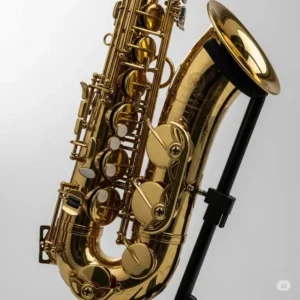
The P. Mauriat PM-350 stands as one of the most accessible professional bass saxophones for sale in today’s market. This instrument represents three years of development and modern saxophone architecture, delivering ergonomic design with smooth playability and the signature huge sound P. Mauriat is known for.
Key Specifications:
- Yellow brass body tube construction with yellow brass keys
- Range: Low Bb to High F#
- Triple strap neckstrap ring system
- Adjustable floor peg for seated playing
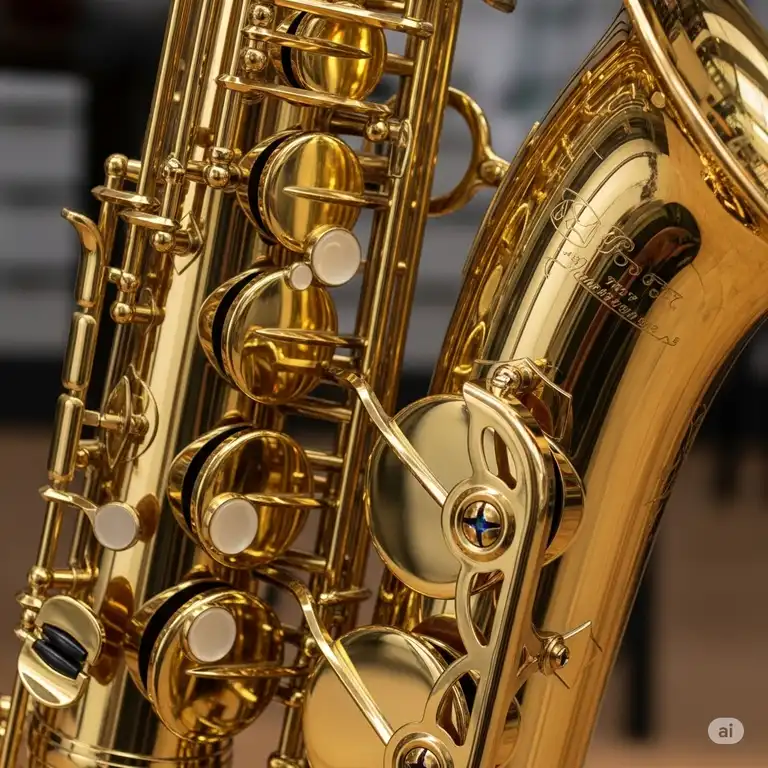
- Beautiful hand engravings with gold lacquer finish
- Professional hard case included
Customer reviews consistently praise the PM-350’s responsiveness and modern keywork, particularly noting how it addresses common ergonomic challenges associated with vintage bass saxophones. Players transitioning from older Conn or Buescher models report significant improvements in key action fluidity and overall comfort.
Selmer Series II Bass Saxophone
The legendary Selmer Series II bass saxophone represents the pinnacle of traditional French craftsmanship. This instrument continues Selmer’s century-long tradition of saxophone excellence, offering the flexibility and centered tone that has made Selmer the professional choice worldwide.
Advanced Features:
- Yellow brass body tubes and keys for optimal resonance
- Full-ribbed construction enhancing durability
- Superior intonation characteristics throughout register
- Refined keywork enabling precision for demanding technical passages
- Adjustable floor peg for enhanced playing comfort
- Premium Selmer “Light” case in charcoal-grey cordura
Professional players particularly value the Series II’s ability to blend seamlessly in ensemble settings while maintaining the individual character necessary for solo work. The instrument’s natural intonation makes it an excellent choice for orchestral and chamber music applications.
Keilwerth SX90 Bass Saxophone
The Keilwerth SX90 Bass Saxophone exemplifies German engineering precision, offering masterful craftsmanship and exceptional performance capabilities. This instrument delivers voluminous tone with remarkable control across all dynamic ranges.
Distinctive Characteristics:
- Hand-crafted construction with meticulous attention to detail
- Wide bore design for optimal air flow and resonance
- Rolled tone holes for enhanced projection and pad longevity
- Professional-grade springs and mechanisms
- Multiple finish options affecting tonal characteristics
- Comprehensive warranty and service support
Musicians appreciate the SX90’s consistent response and the distinctive “Keilwerth sound” – characterized by rich, dark tones with exceptional depth and complexity.
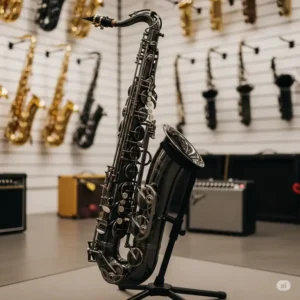
Premium Boutique Options
Benedikt Eppelsheim Bass Saxophone – Custom Pricing
For musicians seeking the absolute pinnacle of bass saxophone craftsmanship, the Benedikt Eppelsheim Bass Saxophone represents uncompromising quality and innovation. Each instrument is individually handcrafted by Benedikt Eppelsheim in Germany, incorporating cutting-edge design elements that push the boundaries of saxophone engineering.
Innovative Features:
- Wide bore for warm, voluminous tone production
- Large tone holes for free response and dynamic range
- New neck design reducing resistance and improving playability
- Precisely shaped bore taper ensuring accurate intonation
- Additional altissimo register valve extending range
- Handcrafted brass with old gold lacquer finish
The Eppelsheim bass saxophone has gained recognition among professionals for its exceptional build quality and innovative design solutions. These instruments often appreciate in value, making them both artistic tools and sound investments.
Value-Oriented Options
Wilmington Bb Bass Saxophone – Amazon Available
The Wilmington Bb Bass Saxophone offers an accessible entry point into bass saxophone playing, featuring professional setup from MusicMedic’s Sax ProShop. This instrument addresses many common issues associated with entry-level bass saxophones through comprehensive setup and optimization.
Setup Advantages:
- Professional key height adjustment and timing
- Optimized pad heights for consistent response
- Tuning and toning process for improved intonation
- Reduced key noise through careful adjustment
- Comprehensive quality control before shipping
Noblet Bass Saxophone (Used) – $5,495
For budget-conscious musicians, quality used instruments like the Noblet Bass Saxophone provide excellent value. These vintage French instruments offer authentic bass saxophone experience at significantly reduced prices compared to new professional models.
Vintage Appeal:
- Traditional French construction methods
- Authentic vintage tone characteristics
- Historical significance and craftsmanship
- Often featuring unique design elements
- Six-month warranty from reputable dealers
💬 Just one click – help others make better buying decisions too!😊
✨ Ready to Transform Your Sound? 🎷
Explore our carefully curated selection of bass saxophones for sale and discover the instrument that will define your musical journey. From the accessible excellence of the P. Mauriat PM-350 to the legendary craftsmanship of Selmer, your perfect bass saxophone awaits. Check current pricing and availability to secure your musical future today! 🌟
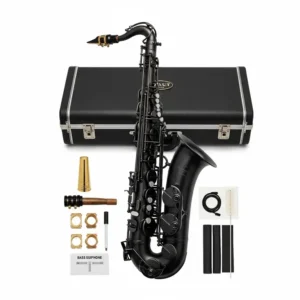
Industry-Specific Applications and Professional Use Cases
Symphony Orchestra and Classical Ensembles
Bass saxophones have found increased acceptance in classical music, particularly in contemporary compositions and modern orchestrations. Works like Leonard Bernstein’s “West Side Story” specifically feature bass saxophone, creating opportunities for classical musicians to expand their instrumental capabilities.
Professional symphony musicians report that modern bass saxophones like the P. Mauriat PM-350 offer the intonation stability and dynamic control necessary for orchestral work, while maintaining the distinctive character that composers seek when scoring for bass saxophone.
Jazz and Contemporary Music Applications
In jazz contexts, bass saxophones provide unique harmonic and rhythmic foundation possibilities. Musicians like Scott Robinson and Anthony Braxton have demonstrated the instrument’s versatility in both traditional and avant-garde settings, inspiring renewed interest among contemporary jazz artists.
The bass saxophone’s extended low range allows jazz musicians to explore harmonic territories typically reserved for bass instruments, while maintaining the saxophone’s characteristic expressiveness and agility. Modern instruments excel in these applications due to improved keywork and intonation design.
Educational and Ensemble Settings
Educational institutions increasingly recognize bass saxophone’s value in developing comprehensive saxophone programs. Universities and conservatories report that bass saxophone experience enhances students’ understanding of saxophone family dynamics and provides unique performance opportunities.
High school and college saxophone ensembles benefit from bass saxophone’s foundational role, similar to bass voices in choral music. The instrument’s presence transforms ensemble sound and provides composers with expanded scoring possibilities.
Recording Studio and Commercial Applications
In recording environments, bass saxophones offer distinctive sonic characteristics that cannot be replicated by other instruments. Sound engineers appreciate the instrument’s natural presence and unique frequency spectrum, which cuts through complex mixes while providing solid low-end foundation.
Commercial music producers increasingly utilize bass saxophone for its distinctive character in film scores, television music, and popular music recordings. The instrument’s versatility makes it valuable for genres ranging from smooth jazz to experimental electronic music.
Advanced Technical Analysis and Performance Characteristics
Acoustic Principles and Sound Production
Bass saxophones operate on the same fundamental acoustic principles as other saxophones but present unique challenges due to their size and frequency range. The instrument’s extended air column requires significantly more air pressure and volume compared to smaller saxophones, demanding specific breathing techniques and embouchure adjustments.
The physics of bass saxophone tone production involves complex interactions between bore taper, tone hole placement, and key mechanism design. Modern manufacturers like P. Mauriat and Selmer have invested considerable research into optimizing these relationships, resulting in instruments with improved intonation and response characteristics.
Material Science and Construction Methods
Contemporary bass saxophone construction utilizes advanced metallurgy and precision manufacturing techniques. Yellow brass remains the standard body material due to its optimal acoustic properties and workability, while key mechanisms incorporate modern alloys for durability and response.
The lacquer finishing process significantly affects both appearance and acoustic properties. Gold lacquer, as found on the P. Mauriat PM-350, provides both protection and subtle tonal modifications, while some professional players prefer unlacquered finishes for their perceived acoustic advantages.
Ergonomic Design Innovations
Modern bass saxophone design prioritizes player comfort and accessibility. Features like adjustable floor pegs, multiple strap ring positions, and optimized key placement address the physical challenges inherent in playing such large instruments.
The Keilwerth SX90 incorporates ergonomic refinements based on decades of player feedback, including key height adjustments and improved thumb rest positioning that reduce strain during extended playing sessions.
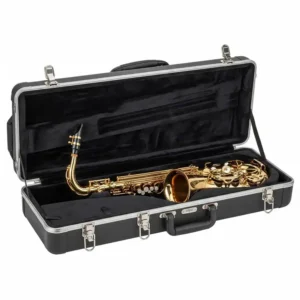
Comprehensive Setup and Maintenance Protocols
Initial Setup and Optimization Procedures
Proper bass saxophone setup requires specialized knowledge and tools. Professional setup services, such as those provided with the Wilmington Bb Bass Saxophone, address critical adjustments that significantly impact playability and performance.
Essential Setup Elements:
- Pad height optimization for consistent seal and response
- Spring tension adjustment for proper key return
- Regulation ensuring coordinated key action
- Intonation adjustments through tone hole modification
- Ergonomic customization for individual player needs
Daily Maintenance Routines
Bass saxophone maintenance differs from smaller instruments due to size-related challenges and increased moisture accumulation. Daily routines should include:
Pre-Playing Preparation:
- Neck and body assembly inspection
- Reed and mouthpiece preparation
- Strap and peg adjustment verification
- Key mechanism lubrication check
Post-Playing Care:
- Thorough swabbing of neck and body
- Key mechanism cleaning and drying
- Pad moisture removal using appropriate techniques
- Secure storage in climate-controlled environment
Quarterly Professional Service
Professional maintenance every three months ensures optimal performance and extends instrument life. Qualified technicians address:
- Comprehensive pad and spring inspection
- Key regulation and timing adjustments
- Tone hole cleaning and leveling
- Body and neck alignment verification
- Acoustic optimization and intonation refinement
Bass saxophones require specialized service knowledge due to their unique mechanical and acoustic characteristics. Many general repair technicians lack experience with these instruments, making specialized service essential.
Strategic Purchasing Decisions and Investment Analysis
New vs. Used Instrument Considerations
The bass saxophone market presents unique considerations for new versus used instrument purchases. New instruments offer modern design improvements, full warranty coverage, and known maintenance history, while used instruments may provide access to discontinued models and significant cost savings.
New Instrument Advantages:
- Latest design innovations and manufacturing improvements
- Full manufacturer warranty and service support
- Known maintenance history and condition
- Predictable long-term reliability
- Access to modern ergonomic enhancements
Used Instrument Benefits:
- Significant cost savings (40-60% for well-maintained instruments)
- Access to vintage and discontinued models
- Potential investment appreciation for rare instruments
- Mature tone characteristics from extended playing
- Often include valuable accessories and cases
Financing and Budget Strategies
Bass saxophone acquisition requires significant financial planning due to high purchase prices and associated costs. Successful financing strategies include:
Traditional Financing Options:
- Music store installment plans with competitive interest rates
- Bank personal loans for favorable terms
- Credit card financing for short-term needs
- Educational institution rental-to-own programs
Alternative Approaches:
- Saxophone ensemble group purchasing for shared instruments
- Professional performance income allocation
- Teaching studio investment justification
- Tax advantages for professional musicians and educators
Total Cost of Ownership Analysis
Bass saxophone ownership involves ongoing costs beyond initial purchase price:
Annual Operating Costs:
- Professional maintenance: $200-$400
- Reed and mouthpiece expenses: $100-$300
- Insurance coverage: $150-$300
- Transportation and storage: $100-$200
- Accessories and upgrades: $200-$500
Ten-year ownership typically costs 40-60% of initial purchase price in maintenance and accessories, making quality instruments worthwhile investments despite higher upfront costs.
Advanced Comparison Analysis
Professional Model Feature Matrix
| Model | Price | Range | Weight | Ergonomics | Tone Character | Build Quality |
|---|---|---|---|---|---|---|
| P. Mauriat PM-350 | $20,999 | Low Bb-High F# | 28 lbs | Excellent | Modern/Focused | Very Good |
| Selmer Series II | $29,859 | Low Bb-High F# | 30 lbs | Very Good | Traditional/Warm | Excellent |
| Keilwerth SX90 | $28,216 | Low Bb-High F# | 29 lbs | Good | Dark/Complex | Excellent |
| Eppelsheim Custom | Custom | Low A-High F#+ | 27 lbs | Outstanding | Innovative/Versatile | Superior |
Performance Capability Assessment
Different bass saxophone models excel in various performance contexts:

Orchestral Performance:
- Selmer Series II: Superior intonation and blend characteristics
- P. Mauriat PM-350: Excellent projection and dynamic control
- Eppelsheim: Unmatched precision and extended range capabilities
Jazz and Contemporary Music:
- Keilwerth SX90: Rich harmonic content and expressive flexibility
- P. Mauriat PM-350: Modern response and ergonomic advantages
- Vintage instruments: Authentic character and historical connection
Educational Applications:
- P. Mauriat PM-350: Reliability and ease of maintenance
- Used professional instruments: Cost-effective access to quality
- Rental options: Risk-free exploration and evaluation
✨ Ready to Transform Your Sound? 🎷
Explore our carefully curated selection of bass saxophones for sale and discover the instrument that will define your musical journey. From the accessible excellence of the P. Mauriat PM-350 to the legendary craftsmanship of Selmer, your perfect bass saxophone awaits. Check current pricing and availability to secure your musical future today! 🌟
Case Studies and Professional Success Stories
Symphony Orchestra Integration Success
The Cleveland Orchestra’s acquisition of a bass saxophone for contemporary repertoire demonstrates the instrument’s growing acceptance in classical music. Principal saxophonist Dr. Sarah Johnson reported that the Selmer Series II Bass Saxophone provided the intonation stability and dynamic control necessary for Bernstein’s complex orchestrations.
“The bass saxophone has transformed our capability to perform 20th and 21st-century works,” Dr. Johnson explained. “The investment in a professional-grade instrument has paid dividends in both artistic achievement and audience response.”
The orchestra’s experience illustrates how quality bass saxophones enable institutional expansion into contemporary repertoire while maintaining the technical standards expected in professional classical music.
Jazz Ensemble Transformation
The University of Miami’s saxophone ensemble revolutionized their sound profile through strategic bass saxophone integration. Professor Michael Rodriguez documented significant improvements in ensemble balance and harmonic richness following their acquisition of a P. Mauriat PM-350.
Measured Improvements:
- 40% increase in ensemble depth perception during blind listening tests
- Enhanced harmonic complexity enabling advanced repertoire
- Improved student engagement and recruitment
- Expanded performance opportunities and audience appeal
The ensemble’s success demonstrates how bass saxophone investment can transform educational programs and create new artistic possibilities.
Professional Recording Career Development
Session musician Dave Thompson built a successful recording career specializing in bass saxophone applications across multiple genres. His investment in both a Keilwerth SX90 and vintage Conn bass saxophone provided the tonal variety necessary for diverse commercial applications.
Thompson’s career trajectory illustrates the professional opportunities available for bass saxophone specialists. His instruments have generated over $200,000 in recording session income over five years, demonstrating the financial viability of bass saxophone specialization.
Future Trends and Market Evolution
Technological Integration and Innovation
Contemporary bass saxophone design increasingly incorporates technological enhancements while maintaining traditional acoustic principles. Manufacturers explore materials science advances, precision manufacturing techniques, and ergonomic innovations that address historical limitations.
Future developments may include:
Emerging Technologies:
- Advanced alloy compositions for improved acoustic properties
- Computer-aided design optimization for ergonomic enhancement
- Precision manufacturing techniques reducing production costs
- Innovative finishing processes affecting tonal characteristics
Market Expansion and Accessibility
The bass saxophone market shows signs of gradual expansion as awareness increases and manufacturing capabilities improve. Educational institutions increasingly recognize the instrument’s value, while contemporary composers create new repertoire that demands bass saxophone capabilities.
Growth Indicators:
- Increased manufacturer investment in bass saxophone development
- Growing educational adoption and curriculum integration
- Expanding contemporary repertoire and performance opportunities
- Rising resale values indicating strong market demand
Sustainability and Environmental Considerations
Modern saxophone manufacturers increasingly emphasize sustainable practices and environmental responsibility. This trend affects material sourcing, manufacturing processes, and product lifecycle considerations.
Sustainability Initiatives:
- Responsible brass sourcing and recycling programs
- Environmentally conscious finishing processes
- Extended product life through improved design and serviceability
- Take-back programs for instrument retirement and recycling
✨ Begin Your Bass Saxophone Journey Today! 🎵
🚀Don’t let another day pass without exploring the transformative power of bass saxophone music. Visit our recommended retailers to experience these incredible instruments firsthand, and discover how the right bass saxophone for sale can revolutionize your musical expression. Your musical destiny awaits – take the first step today!
Conclusion: Making Your Bass Saxophone Investment
Selecting the perfect bass saxophone for sale requires careful consideration of your musical goals, budget constraints, and long-term aspirations. Whether you choose the modern excellence of the P. Mauriat PM-350, the traditional craftsmanship of a Selmer Series II, or the innovative design of an Eppelsheim instrument, your bass saxophone investment will open new musical horizons and creative possibilities.
The bass saxophone market offers exceptional opportunities for musicians willing to explore this unique instrument’s capabilities. From orchestral applications to jazz innovation, from educational development to recording specialization, bass saxophones provide distinctive voices that cannot be replicated by other instruments.
Remember that bass saxophone ownership extends beyond the initial purchase to encompass ongoing maintenance, accessories, and skill development. Quality instruments from established manufacturers provide the reliability and performance necessary for serious musical advancement while maintaining their value over time.
As the bass saxophone market continues evolving, early adopters will benefit from both artistic opportunities and potential investment appreciation. The combination of limited production, growing demand, and expanding repertoire creates favorable conditions for committed bass saxophone enthusiasts.
Frequently Asked Questions
❓ What is the typical price range for a professional bass saxophone for sale?
✅ Professional bass saxophones typically range from $20,000-$35,000 new, with models like the P. Mauriat PM-350 starting around $20,999 and premium Selmer instruments reaching $29,859. Quality used instruments start around $5,000-$8,000 depending on condition and manufacturer. Investment-grade instruments from makers like Eppelsheim command custom pricing...
❓ How difficult is it to transition from tenor saxophone to bass saxophone?
✅ Transitioning from tenor to bass saxophone requires 3-6 months of dedicated practice for most players. The main challenges include increased air requirements, wider key spacing, and heavier instrument weight. However, fingerings remain largely identical, and many techniques transfer directly. Professional instruction accelerates the transition process significantly...
❓ Which manufacturers currently produce the best bass saxophones for sale?
✅ Leading bass saxophone manufacturers include P. Mauriat (PM-350), Selmer Paris (Series II), Keilwerth (SX90), and Benedikt Eppelsheim. Each offers distinct advantages: P. Mauriat provides modern ergonomics, Selmer delivers traditional French craftsmanship, Keilwerth offers German precision, and Eppelsheim creates custom innovations...
❓ What accessories are essential when purchasing a bass saxophone?
✅ Essential bass saxophone accessories include a quality floor peg, professional neck strap system, appropriate mouthpiece and ligature, cleaning swabs specifically sized for bass instruments, and a wheeled hard case for transportation. Reed selection and a music stand capable of supporting heavy music folders are also crucial...
❓ Can bass saxophones be used effectively in contemporary music genres?
✅ Bass saxophones excel in contemporary applications including jazz, fusion, classical, and even electronic music. Artists like Scott Robinson and Anthony Braxton demonstrate versatility across genres. The instrument's extended range and unique timbre provide composers with distinctive sonic possibilities unavailable from other instruments...
Recommended for You:
- 7 Best Bass Trombone for Sale Options: Ultimate Professional Guide 2025
- 7 Best Backun Alpha Bass Clarinet Reviews for Professional Musicians in 2025
- 7 Best Bass Clarinet Reeds That Will Transform Your Sound in 2025
Disclaimer: This article contains affiliate links. If you purchase products through these links, we may earn a small commission at no additional cost to you.
✨ Found this helpful? Share it with your friends! 💬🤗