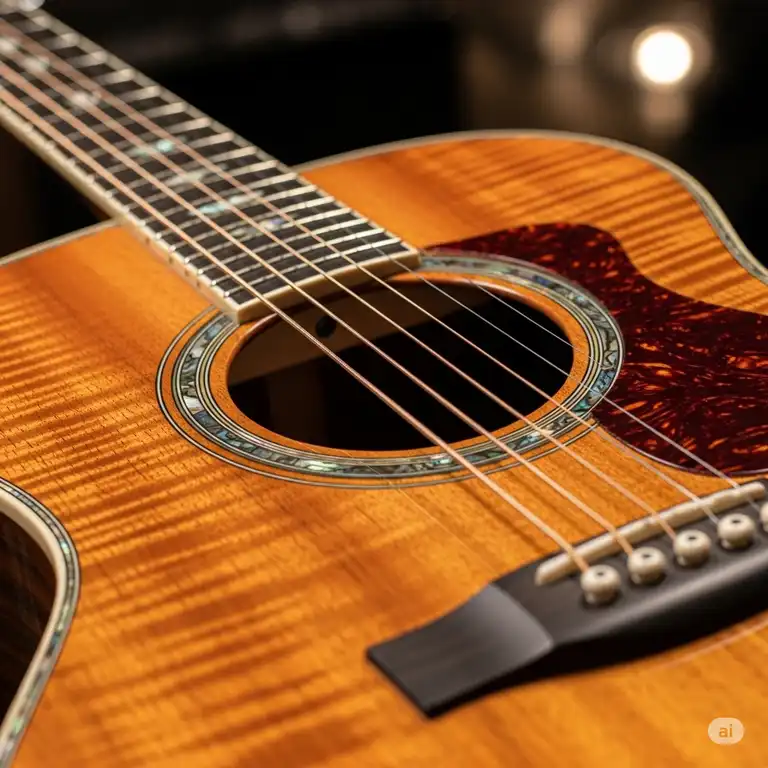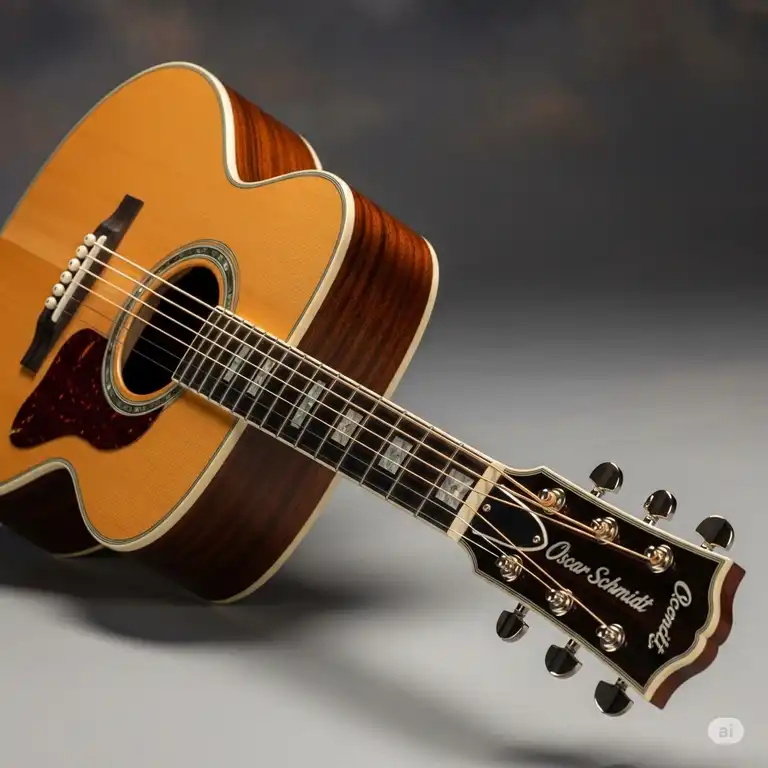
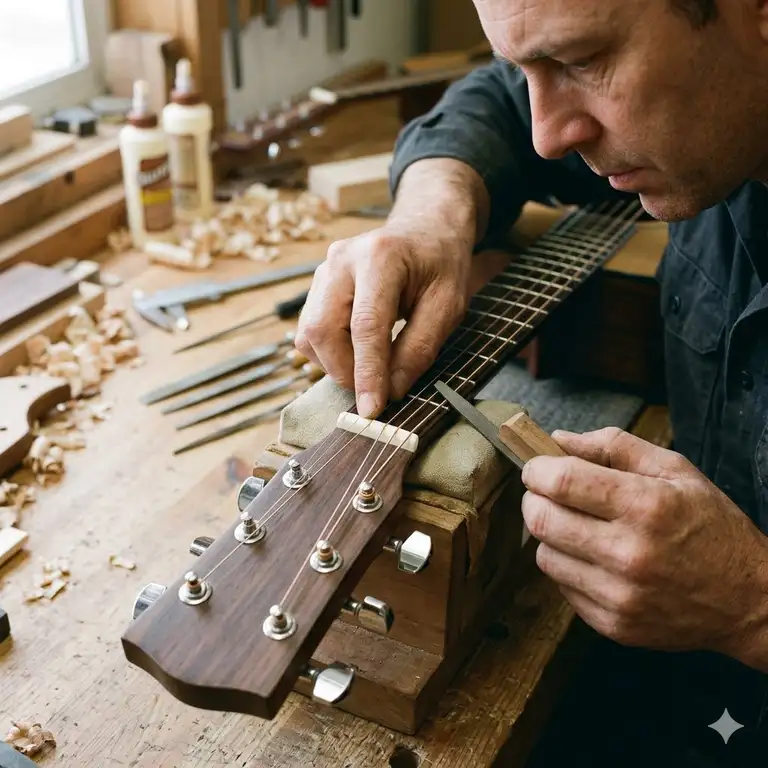
I’ve been there—you’re playing your favorite song, but the open strings sound a bit dull, or maybe the tuning just won’t stay put no matter how many times you turn the pegs. Often, we blame the strings or the tuners, but the real culprit is that tiny piece of material at the top of the neck. An acoustic nut replacement is one of the most effective and affordable ways to breathe new life into your instrument. In this guide, I’m going to walk you through why this upgrade matters, how to choose the right material, and which products are actually worth your hard-earned cash in 2026.
✨Was this helpful? Spread the word! 🚀
Choosing a replacement nut isn’t just about finding something that fits the slot; it’s about density, vibration transfer, and friction. Whether you are looking for a classic acoustic guitar bone nut or a high-tech synthetic version, the right choice can significantly improve your sustain and clarity. Below, I’ve put together a quick comparison to help you understand how different materials stack up against each other before we dive into the nitty-gritty details.
Quick Comparison: Nut Materials and Alternatives
| Material | Tone Profile | Durability | Best For | Tuning Stability |
| Plastic (Stock) | Dull, muffled | Low (wears quickly) | Budget guitars | Poor (strings bind) |
| Bone (Natural) | Bright, balanced | High | Professional setups | Excellent |
| TUSQ (Synthetic) | Consistent, harmonic | Very High | Modern acoustic styles | Superior (self-lubricating) |
| Brass | Extremely bright | Eternal | Heavy metal/Slide | Good |
| Ebony/Wood | Mellow, warm | Medium | Classical/Niche | Fair |
Top 7 Acoustic Nut Replacement Options: Expert Analysis
If you are ready to make the jump, these are the top products available on Amazon right now. I’ve analyzed these based on their technical specs, user feedback, and overall reliability for American guitarists.
1. Graph Tech TUSQ PQ-6116-00 Slotted Nut
The Graph Tech TUSQ PQ-6116-00 Slotted Nut is widely considered the gold standard for synthetic nuts. Unlike natural bone, which can have “soft spots,” TUSQ is engineered under high heat and pressure to ensure uniform density. This means every note you play has consistent harmonic content.
-
Technical Specifications:
-
Length: 43.36mm (1.707 inches)
-
Width: 6.02mm (0.237 inches)
-
Height: 8.23mm (0.324 inches)
-
E to E Spacing: 34.29mm (1.35 inches)
-
Material: Man-made ivory (TUSQ)
-
-
Customer Review Analysis: Users frequently mention that this acoustic nut replacement significantly improved their tuning stability. One reviewer noted, “The strings no longer ‘ping’ when I tune up, and the sustain is noticeably longer.”
-
Warranty: Graph Tech offers a limited warranty against manufacturing defects.
-
Professional Applications: Ideal for touring musicians who need an acoustic nut replacement that won’t be affected by humidity changes.
-
Pros:
-
Self-lubricating material reduces string binding.
-
Very easy to sand and shape.
-
Consistent tone across all strings.
-
-
Cons:
-
Can sound “too bright” for some vintage purists.
-
Requires careful sanding for a perfect fit.
-
2. Blisstime Real Cattle Bone Nut and Saddle
For those who want the traditional feel, the Blisstime Real Cattle Bone Nut and Saddle set is a fantastic choice. This is a genuine acoustic guitar bone nut made from unbleached cattle bone, which many believe provides a more “organic” and “warm” tone compared to synthetic alternatives.
-
Technical Specifications:
-
Nut Size: 43mm x 6mm x 9mm
-
Saddle Size: 72mm x 3mm x 9mm
-
Material: 100% Real Cattle Bone
-
Finish: Pre-radiused and slotted
-
-
Customer Review Analysis: Most buyers appreciate the value. A common comment is, “It’s a bit oversized, which is great because it gives me enough material to file it down for a custom fit.”
-
Warranty: Usually covered by Amazon’s 30-day return policy; no specific manufacturer warranty listed.
-
Professional Applications: Perfect for vintage guitar restorations where an acoustic guitar bone nut is historically accurate.
-
Pros:
-
Authentic bone density for maximum vibration.
-
Comes with a matching saddle.
-
Extremely affordable.
-
-
Cons:
-
Natural material means slight variations in density are possible.
-
Smells a bit “funky” when you sand it (that’s normal for bone!).
-
3. Musiclily Slotted Bone Nut for Yamaha Style Acoustic
If you own a Yamaha or a similar Asian-made acoustic, the Musiclily Slotted Bone Nut for Yamaha Style Acoustic is a lifesaver. Finding a replacement nut with the correct 43mm width and flat bottom can be tricky, but this model fits most FG and FS series guitars like a glove.
-
Technical Specifications:
-
Length: 43mm
-
Thickness: 5mm
-
Height: 8.5mm
-
String Spacing: 35mm
-
Material: Buffer Bone
-
-
Customer Review Analysis: Reviewers emphasize the “drop-in” nature of this product. One user shared, “I barely had to sand the bottom. It fixed the high action at the first fret instantly.”
-
Warranty: Musiclily provides a standard replacement policy for defective items.
-
Professional Applications: Great for local repair shops doing quick setups on entry-level to mid-range acoustics.
-
Pros:
-
Fits Yamaha-style slots perfectly.
-
Pre-slotted for 6-string configurations.
-
Solid bone construction.
-
-
Cons:
-
Slotted for standard light gauge strings; may need widening for heavy sets.
-
Not suitable for guitars with a curved nut slot.
-
4. Guyker 43mm Bone Nut for 6 String Acoustic
The Guyker 43mm Bone Nut for 6 String Acoustic is known for its high-quality finish. While some bone nuts come looking a bit rough, Guyker’s acoustic guitar bone nut options are typically polished and well-shaped right out of the box.
-
Technical Specifications:
-
Dimensions: 43mm x 6mm x 9/8.5mm
-
Material: Ox bone
-
Bottom: Flat
-
Color: Bleached White
-
-
Customer Review Analysis: Customers like the aesthetic. “It looks much cleaner than the yellowish unbleached bone nuts,” says one happy guitarist.
-
Warranty: Guyker offers a 1-year warranty on most of their hardware components.
-
Professional Applications: Suitable for high-end builds where a clean, white aesthetic is required.
-
Pros:
-
Very high density for crisp highs.
-
Consistent dimensions.
-
Affordable price point for a 2-pack.
-
-
Cons:
-
Bleaching can slightly alter the porosity compared to unbleached bone.
-
Packaging is sometimes minimal.
-
5. Golden Gate MP-10 Slotted Bone Nut
The Golden Gate MP-10 Slotted Bone Nut is a favorite among bluegrass players. When you’re looking for a replacement nut that can handle the aggressive strumming of a Dreadnought, this heavy-duty bone option is a top contender.
-
Technical Specifications:
-
Material: Natural Bone
-
Type: Slotted for 6-string
-
Shape: Shaped and curved top
-
Width: Approx. 1.75 inches (44.45mm)
-
-
Customer Review Analysis: Fans of Martin-style guitars often pick this up. Reviewers say, “It feels substantial. It helped my D-28 ring out much clearer than the factory plastic.”
-
Warranty: Standard distributor warranty.
-
Professional Applications: Specifically recommended for large-bodied acoustics that need more “oomph” in the low end.
-
Pros:
-
Extra width for wider necks.
-
Classic vintage look.
-
Excellent resonance.
-
-
Cons:
-
Might be too wide for many modern “slim-taper” necks.
-
Requires a luthier’s touch to get the string heights perfect.
-
6. Fender Acoustic Guitar Bone Nut
Yes, Fender makes parts for acoustics too! The Fender Acoustic Guitar Bone Nut is a premium acoustic nut replacement designed for their California series and other high-end acoustic models. It carries the weight of a brand that knows exactly how strings should vibrate.
-
Technical Specifications:
-
Material: Genuine Bone
-
Quantity: 1 piece
-
Compatibility: Most Fender acoustics
-
Finish: Semi-polished
-
-
Customer Review Analysis: Users appreciate the brand reliability. “I trust Fender parts. This bone nut fit my CD-60SCE with very little modification,” notes a recent buyer.
-
Warranty: Fender’s standard accessories warranty.
-
Professional Applications: Perfect for maintaining the resale value of a Fender acoustic instrument.
-
Pros:
-
Official OEM part.
-
High-grade bone material.
-
Perfectly spaced slots for Fender necks.
-
-
Cons:
-
More expensive than generic bone nuts.
-
Availability can sometimes be spotty.
-
7. Vencetmat Slotted Bone Nut Replacement
Finally, we have the Vencetmat Slotted Bone Nut Replacement. This is a great choice for those who are doing their first acoustic nut replacement and want a few spares in case they sand too much off the bottom (we’ve all been there!).
-
Technical Specifications:
-
Package: 2 pieces
-
Size: 43mm x 6mm x 9mm
-
Material: Cattle bone
-
String spacing: 7mm
-
-
Customer Review Analysis: The “bang for buck” is the highlight here. Users mention, “Having two in the pack saved me when I filed the G-string slot too deep on the first one.”
-
Warranty: 30-day satisfaction guarantee.
-
Professional Applications: Good for teaching labs or beginner luthier students.
-
Pros:
-
Comes in a multi-pack.
-
Accurate dimensions for most imports.
-
Good density for the price.
-
-
Cons:
-
Not as finely polished as Guyker or Fender.
-
The string slots may need significant cleaning with a file.
-
✨ Don’t Miss These Exclusive Deals!
🔍 Take your guitar’s tone to the next level with these carefully selected products. Click on any highlighted item to check current pricing and availability. These tools and components will help you create a professional sound your audience will love! 🎸
💬 Just one click – help others make better buying decisions too!😊
🛒 Detailed Product Recommendation Matrix
| Product Name | Material | Best For | Tuning Stability | Ease of Install |
| Graph Tech TUSQ PQ-6116-00 | TUSQ | Performance/Gigs | ⭐⭐⭐⭐⭐ | High |
| Blisstime Bone Nut/Saddle | Natural Bone | Traditionalists | ⭐⭐⭐⭐ | Medium |
| Musiclily Yamaha Nut | Bone | Yamaha Owners | ⭐⭐⭐⭐ | High |
| Guyker 43mm Nut | Ox Bone | Aesthetics | ⭐⭐⭐⭐ | Medium |
| Golden Gate MP-10 | Bone | Bluegrass/Martin | ⭐⭐⭐⭐ | Low (Needs work) |
| Fender Bone Nut | Bone | Fender Guitars | ⭐⭐⭐⭐⭐ | High |
| Vencetmat 2-Pack | Bone | Beginners/DIY | ⭐⭐⭐ | Medium |
The Science Behind the Acoustic Nut Replacement
I often get asked, “Does such a small part really matter?” The answer is a resounding yes. Think of the nut as one of the two “anchors” for your strings (the other being the bridge saddle). When you play an open string, the vibration travels from the string, through the nut, and into the neck wood.
How Materials Affect Vibration
A cheap plastic replacement nut is soft and hollow. It acts like a shock absorber, soaking up the energy from the string rather than passing it into the wood. This is why plastic nuts often sound “thuddy.” Conversely, an acoustic guitar bone nut is dense and rigid. It allows the energy to pass through with minimal loss, resulting in more volume and better sustain.
Furthermore, there is the issue of friction. If you have ever heard a “ping” sound while tuning, that is the string getting caught in the nut slot. Synthetic materials like TUSQ are impregnated with Teflon, which acts as a permanent lubricant. This is why many pros choose a synthetic acoustic nut replacement over bone—it simply stays in tune better during heavy string bending or climate shifts.
String Energy Transfer Comparison
| Metric | Plastic | Bone | TUSQ | Brass |
| Density (g/cm³) | Low (0.9-1.2) | High (1.8-2.0) | Consistent (1.7) | Very High (8.4) |
| Energy Loss | High | Low | Very Low | Minimal |
| Harmonic Content | Muted | Rich/Full | Very Rich | Metallic |
| Wear Resistance | Poor | Good | Excellent | Infinite |
Step-by-Step: Replacing Your Acoustic Guitar Nut
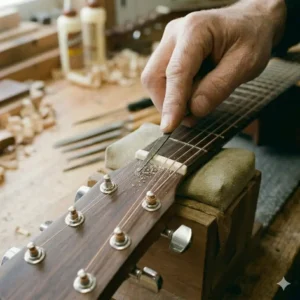
I know the idea of taking a hammer to your guitar sounds terrifying, but I promise it’s a manageable task if you take it slow. Here is how I usually handle a replacement nut installation.
1. Removing the Old Nut
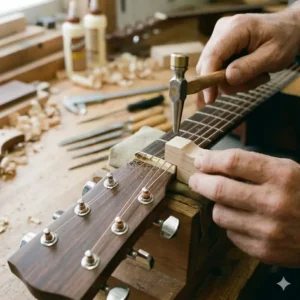
First, you need to score the edges of the old nut with a sharp hobby knife. This breaks any finish or glue bonds so you don’t chip the wood. Then, using a small wood block and a light hammer, gently tap the side of the nut until it pops loose. If it’s a Fender-style nut in a slot, you might need to use pliers to pull it out vertically.
2. Cleaning the Slot
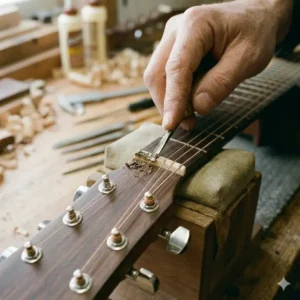
You’ll likely find some old glue residue in the slot. I use a small chisel or a flat-head screwdriver to scrape this away. You want a perfectly flat surface for your new acoustic nut replacement to sit on. If the bottom isn’t flat, you lose tone—period.
3. Shaping and Fitting
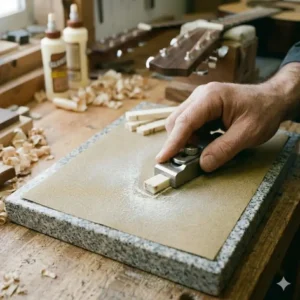
Most nuts come oversized. You’ll need to sand the bottom and the ends to match your guitar’s neck. I recommend using 220-grit sandpaper taped to a flat surface (like a piece of glass). Sand in one direction to keep the bottom perfectly square.
4. Setting the String Height
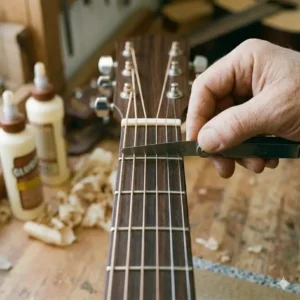
This is the most critical part of an acoustic guitar bone nut install. If the slots are too high, the guitar is hard to play and goes out of tune when you fret a note. If they are too low, the strings will buzz. I use specialized nut files to slowly lower each slot. A good rule of thumb is that there should be just enough space for a thin business card between the string and the first fret when you hold the string down at the third fret.
5. Final Glue
You only need a tiny drop of wood glue or super glue. Seriously—just a tiny bit! You want it to stay in place, but you also want the next person (or future you) to be able to remove it easily.
Benefits Analysis: Bone vs. Synthetic
Many players struggle to decide between a natural acoustic guitar bone nut and a synthetic replacement nut. To help you decide, let’s look at the benefits of each compared to the traditional plastic found on most guitars under $1,000.
| Benefit | Traditional Plastic | Natural Bone | Synthetic (TUSQ/Graphtech) |
| Open String Tone | Thin and “plinky” | Warm, balanced, “musical” | Clear, bell-like, consistent |
| Sustain | Short-lived | Significantly longer | Maximum duration |
| Durability | Grooves form quickly | Lasts years | Lasts a lifetime |
| Visual Appeal | Looks cheap/yellows | Classy, organic | Pure white or ivory look |
| Maintenance | Needs frequent lube | Self-lubricating (to an extent) | Maintenance-free |
Performance Metrics Quantification
If we were to score these based on professional performance (out of 100):
-
Plastic: 45/100
-
Bone: 88/100
-
TUSQ: 92/100
While bone is excellent, TUSQ often wins on technical performance because it lacks the natural inconsistencies found in animal products. However, the “vibe” of bone is hard to beat for traditionalists.
Common Myths About Nut Replacement
In my years of working on guitars, I’ve heard it all. Let’s clear up some misinformation.
“A new nut will fix my buzzing at the 12th fret.”
Actually, no. A nut only affects the string height and tone for open strings and the first few frets. If you have buzzing high up the neck, you likely need a truss rod adjustment or a bridge saddle height change. According to Wikipedia’s entry on Luthiery, the nut is primarily responsible for the “initial point of contact.”
“Bone is always better than anything else.”
Not necessarily. While a high-quality acoustic guitar bone nut is amazing, a poorly cut bone nut is worse than a well-cut plastic one. Precision in the slotting is more important than the material itself. Also, some people find bone a bit too “harsh” on very bright guitars like Taylors. You can find more about acoustic guitar maintenance on the Taylor Guitars official site.
Cost Comparison: DIY vs. Professional
| Approach | Estimated Cost | Pros | Cons |
| DIY (Basic Nut) | $10 – $25 | Very cheap, rewarding | Risk of ruining the part |
| DIY (with Pro Files) | $100 – $150 | Professional results | High initial tool cost |
| Professional Luthier | $60 – $100 | Perfect playability | Waiting time (usually 1-2 weeks) |
If you are a beginner, I suggest buying a 2-pack or 3-pack of acoustic nut replacement blanks. You will make a mistake on your first one. It’s a rite of passage for every guitar player!
Maintenance and Care for Your New Nut
Once you’ve installed your replacement nut, you need to keep it in good shape. Even a high-end acoustic guitar bone nut can wear down over time due to the friction of the strings (especially if you use round-wound strings).
-
Lubrication: If you aren’t using a self-lubricating TUSQ nut, apply a tiny bit of graphite (from a pencil) or “Nut Sauce” into the slots every time you change your strings. This prevents the strings from binding.
-
Cleaning: Use a soft toothbrush to brush out any dust or skin cells that accumulate in the slots.
-
Inspection: Every six months, look for deep grooves. If the strings are sitting too deep in the nut, it can start to “choke” the vibration, and you might need another acoustic nut replacement.
For those interested in the physics of how this all works, the University of New South Wales has some incredible resources on the acoustics of string instruments.
Feature Comparison: Budget vs. Premium Options
| Feature | Budget ($5 – $10) | Mid-Range ($12 – $20) | Premium ($25+) |
| Material Quality | Molded plastic or low-grade bone | High-grade cattle bone/TUSQ | Vintage-aged bone or Brass |
| Precision | Rough slots, needs work | Mostly pre-shaped | Hand-polished, exact specs |
| Longevity | 1-2 years | 5-10 years | 10+ years |
| Tone Impact | Minimal | Significant | Transformative |
✨ Upgrade Your Guitar Today!
🔍 Ready to hear the difference? Click on any of the products mentioned above to grab the perfect nut for your acoustic. Your instrument deserves to sound its best—don’t let a cheap factory part hold you back! 🎸✨
Conclusion: Final Thoughts on Your Tone Journey
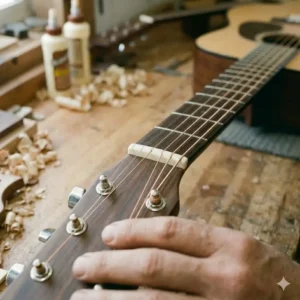
Replacing that tiny piece of plastic with a high-quality acoustic nut replacement is perhaps the single most cost-effective upgrade you can perform. Whether you go with the consistency of a TUSQ replacement nut or the traditional resonance of an acoustic guitar bone nut, your ears (and your fingers) will thank you. The added sustain, improved tuning, and clearer harmonics make the guitar feel like a completely different, higher-end instrument.
Remember, the key to a successful install is patience. Don’t rush the sanding, and always check your progress frequently. If you don’t feel comfortable doing it yourself, taking your favorite nut to a local luthier is a small investment that pays off every time you strike a chord.
FAQs
✅ For a first-timer, expect the process to take 1-3 hours. This includes safely removing the old nut, cleaning the slot, and the slow process of sanding the new replacement nut to the correct thickness and height...
✅ While you can use basic sandpaper and a hobby knife, a set of gauged nut files is highly recommended. These files match the specific diameter of your strings (e.g., .012 to .053 inches) to ensure the slots are perfect...
✅ Absolutely. Most tuning issues are caused by strings sticking in the nut slots. A high-quality acoustic nut replacement made of TUSQ or polished bone allows the strings to slide freely, ensuring they return to pitch after every bend...
✅ Many luthiers prefer unbleached bone because the bleaching process can make the material more brittle and porous. Unbleached bone is naturally self-lubricating due to its organic oils, providing a slightly warmer tone and better durability over time...
✅ If you hear buzzing on open strings, see deep grooves in the slots, or find it difficult to play near the first fret, it's time. Also, if your strings 'ping' during tuning, the current nut is failing... ❓ How long does an acoustic nut replacement typically take for a beginner?
❓ Do I need special tools to install an acoustic guitar bone nut?
❓ Can a new replacement nut really improve my guitar's tuning?
❓ Is unbleached bone better than bleached bone for a nut?
❓ How do I know if my acoustic guitar needs a nut replacement?
Recommended for You:
- 7 Best Acoustic Pegs to Revolutionize Your Guitar Tone in 2026
- Left Handed Acoustic Electric Guitar: 7 Top Picks 2025 Every Musician Will Love
- Dean Acoustic Electric Guitar: 7 Best Models Revealed 2025
Disclaimer: This article contains affiliate links. If you purchase products through these links, we may earn a small commission at no additional cost to you.
✨ Found this helpful? Share it with your friends! 💬🤗