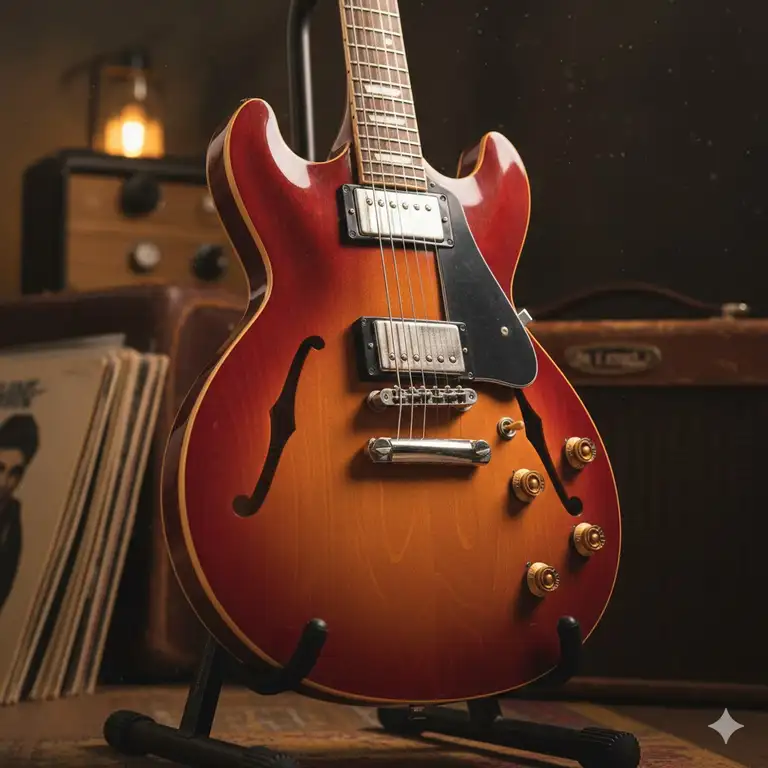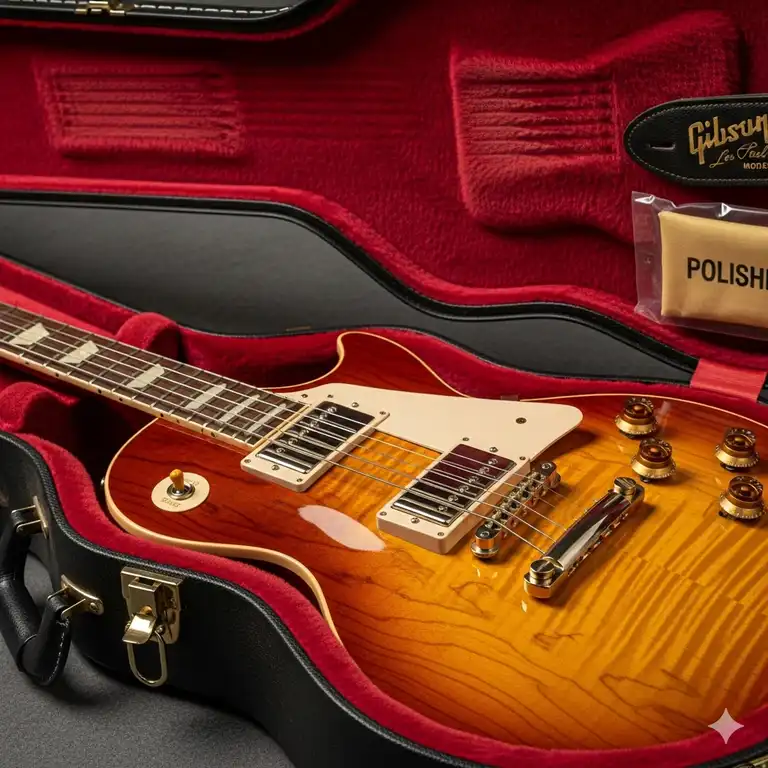
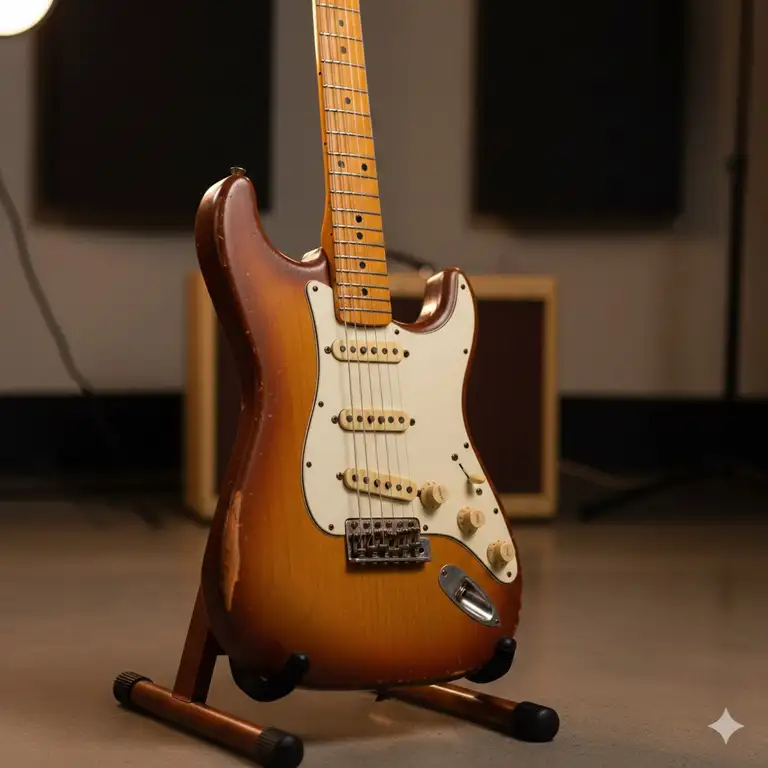
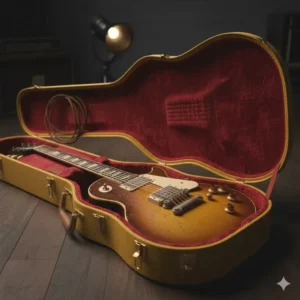
I have always believed that a vintage electric guitar isn’t just an instrument; it is a time machine made of wood, wire, and soul. When you pick one up, you aren’t just playing notes; you are tapping into decades of history, sweat, and rock-and-roll magic. There is something about the way the nitrocellulose lacquer checks over time or how the magnets in the pickups mellow out that a modern, factory-line guitar just cannot replicate. 🎸
✨Was this helpful? Spread the word! 🚀
Whether you are a seasoned collector or a player looking for that “holy grail” tone, finding the right vintage electric guitar can be a daunting journey. I have spent years scouring guitar shops and online listings, and I can tell you that the market is more vibrant than ever in 2026. From the chime of a vintage fender stratocaster guitar to the growl of an old Gibson, each instrument tells a unique story. 🕰️
Vintage vs. Modern: A Quick Look at the Differences
Before we dive into the specific models, let’s look at why players often prefer the “old school” approach over modern alternatives.
| Feature | Vintage Electric Guitar | Modern Electric Guitar |
| Finish | Nitrocellulose Lacquer (Ages naturally) | Polyurethane (Stays shiny/thick) |
| Pickups | Hand-wound, Alnico magnets (Mellowed) | Machine-wound, High-output (Consistent) |
| Wood | Old-growth timber (Higher density/resonance) | Sustainably sourced/Newer growth |
| Value | Appreciates over time (Investment) | Depreciates initially |
| Playability | Requires “breaking in” or specialized setup | Often perfect “out of the box” |
Quick Comparison: Top Vintage-Style Picks for 2026
If you are in a hurry to find your next stage companion, here is a snapshot of the top contenders currently making waves in the USA market. These include both authentic vintage reissues and highly-sought-after classics.
| Product Name | Best For | Notable Feature | Vibe |
| Fender American Vintage II 1961 Stratocaster | Blues & Rock | Pure Vintage ’61 Pickups | Iconic |
| Gibson 1961 Les Paul SG Standard | Hard Rock | Sideways Vibrola | Gritty |
| Gretsch G6120T-55 Vintage Select | Rockabilly | TV Jones Classic Pickups | Twangy |
| Squier Classic Vibe ’60s Stratocaster | Budget Players | Alnico Single-Coils | Value |
| Epiphone 1958 Korina Explorer | Metal/Blues | Korina Body & Neck | Unique |
| Fender American Vintage II 1951 Telecaster | Country/Jazz | “U” Shape Neck | Twang |
| Guild Starfire IV ST Maple | Jazz/Indie | Semi-Hollow Resonance | Smooth |
Top 7 Vintage Electric Guitar Models: Expert Analysis
Finding a true vintage electric guitar on Amazon often means looking at the “Vintage Series” or “Reissue” models that use the exact specifications of the originals. These are the most reliable ways to get that 1950s or 60s feel without the $50,000 price tag of a museum piece.
1. Fender American Vintage II 1961 Stratocaster
The Fender American Vintage II 1961 Stratocaster is the gold standard for anyone seeking a vintage fender stratocaster guitar experience. This model is a remarkably accurate reproduction of the 1961 original, featuring a slab rosewood fingerboard and a trio of Pure Vintage ’61 single-coil pickups.
-
Technical Specifications:
-
Body Material: Alder with Nitrocellulose Lacquer finish.
-
Neck Shape: 1961 “C” Shape.
-
Fingerboard: Slab Rosewood, 7.25-inch radius.
-
Pickups: 3x Pure Vintage ’61 Single-Coil Strat.
-
Bridge: 6-Saddle American Vintage Synchronized Tremolo.
-
-
Customer Review Analysis: Users frequently rave about the “broken-in” feel of the neck. One pro player noted, “It feels like I’ve owned it for forty years the moment I took it out of the case.” Some users mentioned the 7.25-inch radius requires a precise setup to avoid “choking” during big bends.
-
Warranty Information: 2-Year Limited Warranty from Fender.
-
Professional Applications: Ideal for studio recording where authentic 1960s tones are required.
-
Pros:
-
Authentic nitro finish allows the wood to breathe.
-
Bone nut and vintage-style hardware for classic sustain.
-
Comes with a vintage-style brown hardshell case.
-
-
Cons:
-
The 7.25″ radius is harder for modern shredding.
-
Requires more maintenance than poly-finished guitars.
-
2. Gibson 1961 Les Paul SG Standard Reissue
When the Les Paul evolved into the SG in 1961, it changed the face of rock. The Gibson 1961 Les Paul SG Standard Reissue captures that transition perfectly. With its ultra-thin body and screaming humbuckers, it is the ultimate vintage electric guitar for those who want to cut through a mix.
-
Technical Specifications:
-
Body: 1-Piece Solid Mahogany.
-
Neck: Solid Mahogany, Authentic ’61 Thin Skin Profile.
-
Pickups: Custombucker Alnico III (Unpotted).
-
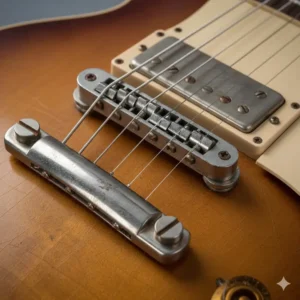
Tailpiece: Sideways Vibrola.
-
-
Customer Review Analysis: Critics and buyers alike praise the Custombucker pickups for their clarity. Feedback suggests the “Sideways Vibrola” looks stunning but can be finicky for heavy tremolo users.
-
Warranty Information: Gibson Limited Lifetime Warranty.
-
Professional Applications: High-gain rock, blues-rock, and slide guitar.
-
Pros:
-
Extremely lightweight and ergonomic.
-
The unpotted pickups provide a raw, organic response.
-
Period-correct hardware.
-
-
Cons:
-
The neck joint is delicate (classic SG trait).
-
The Vibrola can impact tuning stability if not set up correctly.
-
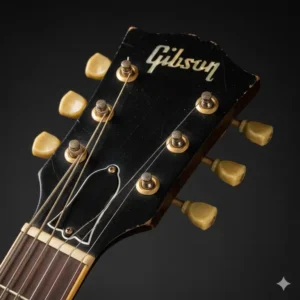
3. Gretsch G6120T-55 VS Vintage Select Edition ’55 Chet Atkins
If you want the “Great Gretsch Sound,” the Gretsch G6120T-55 VS Vintage Select Edition ’55 Chet Atkins is a masterpiece. This vintage electric guitar variation brings the 1955 specs to the modern era with incredible attention to detail, including the “G” brand on the body.
-
Technical Specifications:
-
Body: Laminated Maple with 1955-style bracing.
-
Pickups: TV Jones T-Armond (Single-coil).
-
Nut: Polished Brass.
-
Bridge: Aluminum Compensated with Bigsby B6GVT.
-
-
Customer Review Analysis: Owners love the “twang” and “growl” of the T-Armond pickups. Many reviewers mention that this is the only guitar they need for country and early rock-and-roll.
-
Warranty Information: Gretsch 2-Year Limited Warranty.
-
Professional Applications: Rockabilly, fingerstyle jazz, and classic country.
-
Pros:
-
Unique visual aesthetic with Western motifs.
-
The brass nut adds a distinct brightness and sustain.
-
Excellent resonance even when unplugged.
-
-
Cons:
-
Large hollow body can feedback at very high volumes.
-
Gold hardware can tarnish over time.
-
4. Squier Classic Vibe ’60s Stratocaster
You don’t always need to spend thousands to get a vintage electric guitar vibe. The Squier Classic Vibe ’60s Stratocaster is the best entry-point for beginners or gigging musicians who want that vintage fender stratocaster guitar look and sound without the stress of carrying an expensive instrument to a dive bar.
-
Technical Specifications:
-
Body: Nato (a mahogany alternative).
-
Neck: Maple, “C” Shape with Tinted Gloss Urethane.
-
Pickups: Fender-Designed Alnico Single-Coils.
-
Hardware: Vintage-style tuners and tremolo.
-
-
Customer Review Analysis: This is one of the highest-rated guitars on the market for its price. Users often say, “It plays better than some Mexican Fenders.” The main criticism is that the electronics (pots and switches) are not as heavy-duty as the USA models.
-
Warranty Information: Fender 2-Year Limited Warranty.
-
Professional Applications: Great backup guitar for professionals or a primary instrument for intermediate students.
-
Pros:
-
Incredible value for the price.
-
The tinted neck looks beautifully aged.
-
Very comfortable “C” neck profile.
-
-
Cons:
-
The gloss finish on the neck can feel “sticky” to some.
-
The tremolo block is thinner than vintage specs, affecting sustain slightly.
-
5. Epiphone 1958 Korina Explorer
The Epiphone 1958 Korina Explorer is a collaboration with the Gibson Custom Shop. It uses real Korina wood, which is the “holy grail” of tonewoods for a vintage electric guitar. It’s bold, angular, and sounds like a thunderclap.
-
Technical Specifications:
-
Body and Neck: Solid Korina.
-
Pickups: Gibson BurstBucker 2 (Neck) and BurstBucker 3 (Bridge).
-
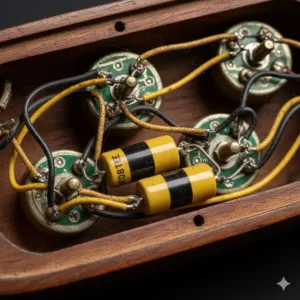
Electronics: CTS Potentiometers and Mallory Capacitors.
-
Scale Length: 24.75 inches.
-
-
Customer Review Analysis: Players are shocked by the inclusion of genuine Gibson pickups at this price point. One reviewer noted the sustain is “nearly endless.” Some find the Explorer shape a bit cumbersome to play while sitting.
-
Warranty Information: Epiphone Limited Lifetime Warranty.
-
Professional Applications: Heavy blues, hard rock, and metal.
-
Pros:
-
Authentic Korina wood construction.
-
Includes a high-quality hardshell case.
-
Premium electronics usually reserved for Gibson models.
-
-
Cons:
-
The body shape is large and requires a specific stand.
-
It is “head-heavy” and can dive if you use a slippery strap.
-
6. Fender American Vintage II 1951 Telecaster
Before there was a vintage fender stratocaster guitar, there was the Tele. The Fender American Vintage II 1951 Telecaster captures the raw, powerful simplicity of the guitar that started it all.
-
Technical Specifications:
-
Body: Ash with Butterscotch Blonde Nitro finish.
-
Neck: 1-Piece Maple, 1951 “U” Shape.
-
Bridge: 3-Saddle Vintage-Style with Brass Barrel Saddles.
-
Pickups: Pure Vintage ’51 Single-Coil Tele.
-
-
Customer Review Analysis: Fans of the “Blackguard” Tele love the chunky neck. “It feels like a baseball bat, but in a good way,” says one user. Some modern players find the “U” neck a bit too thick for small hands.
-
Warranty Information: Fender 2-Year Limited Warranty.
-
Professional Applications: Country “chicken picking,” indie rock, and blues.
-
Pros:
-
Ash body provides a punchy, mid-forward tone.
-
Brass saddles offer the classic Tele “snap.”
-
Extremely durable and simple design.
-
-
Cons:
-
Ash is becoming rarer and heavier.
-
The bridge can be tricky to intonate perfectly with only three saddles.
-
7. Guild Starfire IV ST Maple Antique Burst
The Guild Starfire IV ST Maple Antique Burst is a 1960s classic reborn. This semi-hollow vintage electric guitar is the perfect alternative to the more common ES-335, offering a unique voice and a stunning aesthetic.
-
Technical Specifications:
-
Body: Arched Maple Top, Back, and Sides.
-
Center Block: Solid Spruce for feedback control.
-
Pickups: LB-1 “Little Bucker” humbuckers.
-
Neck: 3-Piece Maple/Walnut/Maple.
-
-
Customer Review Analysis: Users love the “Little Bucker” pickups, which sit somewhere between a single-coil and a full humbucker in terms of clarity. Some reviewers mentioned the guitar is a bit heavy for a semi-hollow.
-
Warranty Information: Guild Limited Lifetime Warranty.
-
Professional Applications: Jazz, blues, and alternative rock.
-
Pros:
-
Extremely versatile tone.
-
High-quality “Antique Burst” finish looks premium.
-
The spruce center block reduces feedback while maintaining resonance.
-
-
Cons:
-
The pickups have a unique size, making them harder to swap if you want something different.
-
The neck profile is quite slim, which might not suit everyone.
-
✨ Don’t Miss These Exclusive Deals! 🔍
Take your musical journey to the next level with these carefully selected instruments. Click on any highlighted item to check current pricing and availability. These guitars will help you capture that authentic vintage sound your audience will love! 🎸✨
💬 Just one click – help others make better buying decisions too!😊

🔍 Technical Specifications Matrix (Spec Matrix)
| Model | Body Wood | Pickup Type | Neck Profile | Finish |
| Fender ’61 Strat | Alder | Single-Coil | ’61 C | Nitro |
| Gibson ’61 SG | Mahogany | Humbucker | SlimTaper | Nitro |
| Gretsch G6120T | Maple | Single-Coil | Standard U | Gloss |
| Squier ’60s Strat | Nato | Single-Coil | C Shape | Poly |
| Epiphone Explorer | Korina | Humbucker | 1958 Shape | Gloss |
| Fender ’51 Tele | Ash | Single-Coil | 1951 U | Nitro |
| Guild Starfire IV | Maple | Humbucker | Vintage Soft U | Gloss |
The Timeless Appeal of the Vintage Fender Stratocaster Guitar
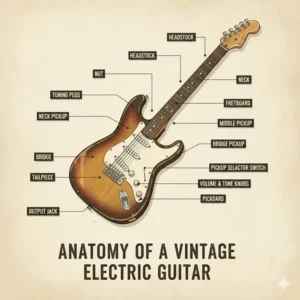
When people talk about a vintage electric guitar, the image that usually pops into their head is a vintage fender stratocaster guitar. Why has this specific instrument remained the pinnacle of guitar design for over 70 years?
First, it is the ergonomics. Leo Fender designed the Stratocaster to be “body-contoured.” Unlike the slab-sided Telecaster or the heavy Les Paul, a vintage fender stratocaster guitar hugs the player’s body. This makes it incredibly comfortable for long sets. I often find that when I switch from another guitar back to a Strat, it feels like putting on a pair of perfectly worn-in jeans. 👖
Second, the “quack.” The 5-way switch (which was actually a 3-way switch on the earliest vintage fender stratocaster guitar models, often “wedged” by players into the in-between positions) provides access to the famous out-of-phase sounds in positions 2 and 4. This tone defines the work of legends like Mark Knopfler and Eric Clapton.
Feature Comparison: Different Eras of the Stratocaster
| Feature | 1950s Stratocaster | 1960s Stratocaster | 1970s Stratocaster |
| Neck Wood | 1-Piece Maple | Maple w/ Rosewood Board | Maple (often 3-bolt) |
| Pickguard | 1-Ply White (8-hole) | 3-Ply Mint Green (11-hole) | 3-Ply Black or White |
| Headstock | Small Pre-CBS | Small (early) to Large | Large “CBS” Style |
| Tone | Bright, snappy, “bell-like” | Warmer, more mid-range | High output, aggressive |
Why Buy a Vintage Electric Guitar in 2026?
You might be asking yourself, “Why should I bother with a vintage electric guitar when modern technology is so good?” It is a valid question. Modern CNC machines can cut a guitar body to within a thousandth of an inch of perfection. However, music isn’t about perfection; it’s about character.
1. The Aging Process of Wood
As wood sits for decades, the moisture content stabilizes, and the resins inside the wood harden. This process, often called “crystallization,” makes the wood more resonant. A vintage electric guitar vibrates in a way that new wood simply cannot. When you strike a chord on an old vintage fender stratocaster guitar, you can feel the vibration through your chest. 🎵
2. Nitrocellulose vs. Polyurethane
Most modern guitars are finished in polyurethane, which is essentially plastic. It is tough and keeps the guitar looking new forever. But it also “suffocates” the wood. A vintage electric guitar usually uses nitrocellulose lacquer. This finish is thin and porous. Over time, it sinks into the grain, allowing the guitar to ring out more freely.
3. Investment Potential
While a new guitar loses value the moment you leave the shop, a well-maintained vintage electric guitar often appreciates. It is one of the few hobbies where you can play your investment every day.
Benefits Quantification: Vintage Style vs. Modern Tech
| Benefit | Vintage (Reissue/Original) | Modern Standard | Impact on Player |
| Resonance | High (aged woods/thin finish) | Medium (new wood/thick finish) | Better “feel” and sustain |
| Collectability | High | Low to Medium | Long-term financial gain |
| Aesthetics | Classic/Relic look | Pristine/New look | Stage presence and “vibe” |
| Consistency | Variable (each is unique) | Very High | Reliability vs. Personality |
Buying Guide: What to Look for in a Vintage Electric Guitar
If you are ready to make the plunge, you need to be an informed buyer. The world of the vintage electric guitar is full of pitfalls, from “partscasters” (guitars made of mismatched parts) to outright fakes.
Check for Originality
The value of a vintage fender stratocaster guitar is heavily tied to its original parts.
-
Pickups: Are they original to the year?
-
Solder Joints: Have the electronics been messed with? Original solder joints are usually dull and undisturbed.
-
Finish: Has it been refinished? A “refin” can drop the value of a vintage electric guitar by 50%.
Evaluate the Condition
A little bit of “mojo” (wear and tear) is good, but structural issues are not.
-
Frets: Does it need a refret? Old frets can be worn down to the wood.
-
Neck Relief: Is the neck warped? Check the truss rod to ensure it still has room to adjust.
-
Weight: Especially with 1970s models, some guitars can be extremely heavy.
Requirements Analysis for Different Player Types
| Player Type | Recommended Model | Primary Requirement | Why? |
| The Collector | Original 1950s/60s Gibson/Fender | Authenticity & Documentation | Investment security |
| The Gigging Pro | Fender American Vintage II | Reliability & Classic Tone | Vintage sound without the risk |
| The Hobbyist | Squier Classic Vibe | Affordability & Aesthetics | Great look for home playing |
| The Studio Head | Gretsch Vintage Select | Unique Sonic Footprint | Diverse tonal palette for tracks |
Maintenance: Keeping Your Legend Alive
Owning a vintage electric guitar comes with a responsibility to preserve it for the next generation. Unlike modern instruments, these need a bit of extra TLC.
Temperature and Humidity
This is the number one killer of old guitars. Wood expands and contracts with the weather. If you live in a place with harsh winters, you must use a humidifier. I have seen beautiful vintage fender stratocaster guitar bodies crack simply because the air was too dry. ❄️
Cleaning
Never use harsh chemicals on a nitro finish. A simple, slightly damp microfiber cloth is usually enough. For the fretboard, a tiny bit of lemon oil once a year will keep the rosewood from drying out.
Performance Metrics: Maintenance Over Time
| Metric | Weekly Task | Monthly Task | Yearly Task |
| Tuning Stability | Check string tension | Lubricate nut slots | Professional Setup |
| Finish Integrity | Wipe down after play | Inspect for new checks | Deep clean/Polish |
| Electronics | None | Cycle the pots/switches | Check for loose ground wires |
| Wood Health | None | Monitor Humidity (45-55%) | Oil the fretboard |
✨ Ready to Find Your Signature Sound? 🔍
Don’t wait for the perfect tone to find you. Click on any of the bolded products above to explore the latest deals and availability on Amazon. Your dream guitar is just a click away! 🛒🎶
Conclusion: Finding Your Voice in the Past
In the end, choosing a vintage electric guitar is a deeply personal decision. It is about finding an instrument that responds to your touch and inspires you to play more. Whether it is the sleek curves of a vintage fender stratocaster guitar or the raw power of a Korina Explorer, these instruments are more than just tools—they are partners in your creative journey.
I have found that the best guitars aren’t always the most expensive ones, but the ones that make you lose track of time. When you find “the one,” you’ll know. The neck will fit your hand like a glove, and the first chord you strike will ring out with a clarity you’ve never heard before. So, go out there, try as many as you can, and bring a piece of history home. 🎸✨
Frequently Asked Questions
✅ The high cost of a vintage electric guitar stems from rarity, historical significance, and the superior resonance of aged tonewoods. Instruments from the 'Golden Era' (1950s-1960s) are limited in supply and often appreciate in value as collectibles...
✅ A vintage fender stratocaster guitar is incredibly versatile and excels in both genres. Its clear, bell-like highs are perfect for blues, while its ability to cut through a mix makes it a staple for classic and indie rock...
✅ While not identical, high-end reissues like the American Vintage II series come very close. They use period-correct specifications, including nitrocellulose finishes and specifically voiced pickups, to replicate the chime and feel of a true vintage electric guitar...
✅ If you are a player looking for a deal, yes. If you are a collector, no. A refinished body significantly reduces the market value of a vintage electric guitar but doesn't necessarily ruin the playability or the tone...
✅ You should check the serial number, neck date, and pot codes. Most importantly, verify the solder joints and pickup bobbin colors. When in doubt, always request an appraisal from a reputable vintage guitar expert before purchasing... ❓ What makes a vintage electric guitar so expensive compared to new ones?
❓ Is a vintage fender stratocaster guitar better for blues or rock music?
❓ Do vintage reissue guitars actually sound like the originals from the 1950s?
❓ Should I buy a vintage electric guitar with a refinished body?
❓ How do I know if the vintage fender stratocaster guitar I am buying is real?
Recommended for You
- Greco Guitar Guide: 7 Best Vintage Japanese Alternatives to Buy
- Sg jr guitar: 7 Best Expert-Approved Picks for 2026! 🎸
- Thinline acoustic guitar: 7 Best Models For Amazing Comfort in 2026
Disclaimer: This article contains affiliate links. If you purchase products through these links, we may earn a small commission at no additional cost to you.
✨ Found this helpful? Share it with your friends! 💬🤗