When it comes to crafting your perfect bass tone, the strings you choose play a pivotal role in shaping your sound. Among the diverse array of bass string options available today, tapewound bass strings stand out as a unique and versatile choice that offers distinctive tonal characteristics unlike any other string type. These specialized strings have gained popularity among bassists seeking warm, mellow tones reminiscent of upright basses while maintaining the playability and convenience of an electric bass.
✨Was this helpful? Spread the word! 🚀
As a professional bassist with over 15 years of experience playing various genres from jazz to rock, I’ve experimented extensively with different string types, and tapewound bass strings have consistently impressed me with their unique sonic qualities. Whether you’re a seasoned professional looking to expand your tonal palette or a curious beginner interested in exploring new sounds, this comprehensive guide will provide you with everything you need to know about tape bass strings and help you make an informed decision about whether they’re right for your musical journey.
In this in-depth article, we’ll explore the history, construction, characteristics, and applications of tapewound bass strings. We’ll compare them with other popular string types, provide maintenance tips, and recommend some of the best options available on the market today. By the end, you’ll have a thorough understanding of what makes these strings special and how they might enhance your bass playing experience.
Comparison: Tapewound Bass Strings vs. Other Bass String Types
| Feature | Tapewound Bass Strings | Roundwound Strings | Flatwound Strings | Groundwound Strings |
|---|---|---|---|---|
| Tone | Warm, deep, upright-like | Bright, articulate | Smooth, mellow | Middle ground between round and flat |
| Finger noise | Minimal | Significant | Very low | Low to moderate |
| String life | Long (6-12 months) | Medium (2-4 months) | Very long (1+ years) | Long (4-8 months) |
| Tension | Medium to high | Low to medium | High | Medium |
| Price range | $30-80 | $20-60 | $25-70 | $25-65 |
| Best for genres | Jazz, fusion, blues, folk | Rock, metal, funk, pop | Jazz, Motown, blues | Versatile across genres |
| Attack | Soft, rounded | Sharp, aggressive | Smooth, controlled | Moderate attack |
| Sustain | Moderate | Long | Short to moderate | Moderate to long |

The History and Evolution of Tapewound Bass Strings
The story of tapewound bass strings begins in the mid-20th century as manufacturers sought to bridge the tonal gap between the upright double bass and the emerging electric bass guitar. Traditional upright bassists who transitioned to electric instruments often missed the warm, thumpy character of gut strings used on acoustic basses. This led innovative string makers to experiment with ways to recreate that sound on electric instruments.
The Origins of Bass String Innovation
The electric bass guitar, pioneered by Leo Fender with the Precision Bass in 1951, initially used flatwound strings as the standard. These strings offered a smooth feel and mellow tone that worked well for the musical styles of the era. However, as musical genres evolved through the 1960s and 1970s, so did the demand for different tonal options.
It was during this period of experimentation that tape bass strings emerged as a solution for players seeking the deepest, warmest possible tone from their electric instruments. By wrapping nylon tape around a steel core, manufacturers created strings that minimized finger noise while producing rich, fundamental-focused tones that emulated aspects of the upright bass sound.
From Niche to Mainstream
Initially considered a specialty product, tapewound strings gained popularity among jazz and studio musicians who valued their unique sonic characteristics. Companies like Rotosound, La Bella, and D’Addario began developing their own versions, refining the manufacturing process and materials used.
By the 1980s, as bass playing styles diversified further, tapewound bass strings had secured their place in the pantheon of string options. While never becoming as ubiquitous as roundwound strings (which emerged as the new standard for many styles), tape wounds established themselves as an essential alternative for players seeking specific tonal qualities.
Today, these strings continue to evolve with modern manufacturing techniques and materials improving their durability, intonation, and consistency. Contemporary bassists across genres appreciate tapewound strings for their distinctive voice, making them more than just a niche product but rather an established tone option in the modern bassist’s arsenal.
Understanding the Construction of Tapewound Bass Strings
What exactly are tapewound bass strings, and how are they made? Understanding their unique construction helps explain their distinctive tonal properties and feel.
The Anatomy of Tapewound Strings
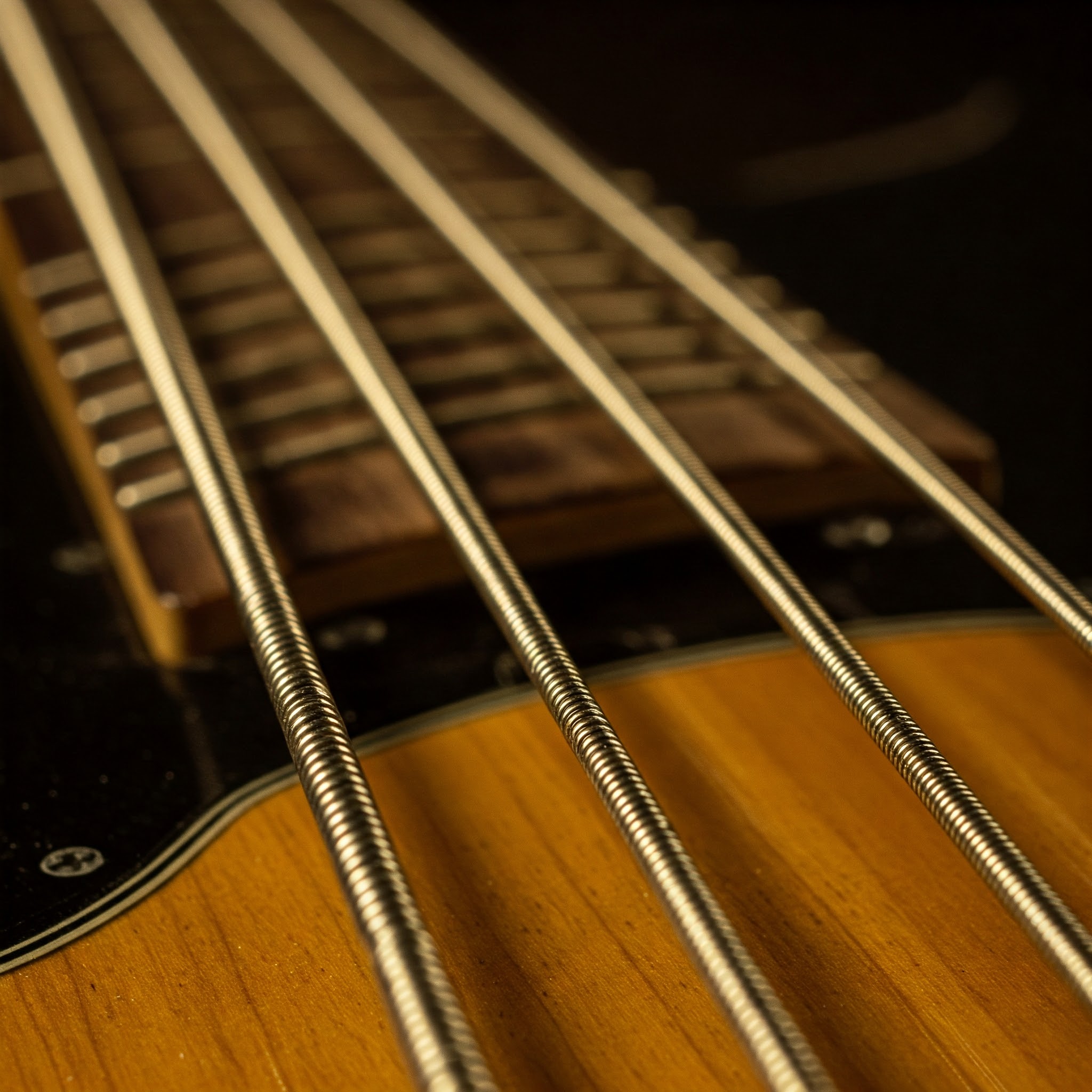
At their core, tape bass strings share a similar basic structure with other bass strings—a central wire core wrapped with outer material. However, what sets them apart is the specific materials used and the wrapping technique.
Core Material
Most tapewound strings feature either:
✅ A round steel core wire
✅ A hex-shaped steel core (in some modern versions)
This core provides the string’s strength and determines much of its tension and feel.
Wrapping Layers
The unique aspect of tapewound bass strings comes from their outer wrapping:
- First, many designs feature an inner wrapping of metal (often stainless steel or nickel)
- The final outer layer consists of nylon tape wrapped around the string
This nylon tape is what gives these strings their name and distinctive properties. The tape is typically black (creating the characteristic black appearance of most tapewound strings), though some manufacturers offer natural or colored options as well.
Manufacturing Process
The production of high-quality tape bass strings involves several precise steps:
- Core selection – Choosing the appropriate gauge and material for the core wire
- Initial wrapping – Applying the first layer of metal wrapping to the core (if applicable)
- Tape application – Carefully wrapping the nylon tape around the string in a precise pattern
- Securing endpoints – Ensuring the tape remains firmly attached during play
- Quality testing – Checking intonation, tension, and durability
This manufacturing process requires significant expertise, as the proper application of the tape layer is crucial for both tone and longevity. The tension must be consistent, and the tape must be secured properly to prevent unwinding during play.
Material Innovations
Over the decades, string manufacturers have experimented with variations in both the core and wrapping materials:
- Core variations: Steel alloys with different properties affecting tension and response
- Inner wrap options: Different metals providing varying degrees of brightness
- Tape improvements: Advanced nylon compounds offering better durability and consistent tone
These innovations have helped address some of the historical limitations of tapewound bass strings, such as intonation issues and durability concerns.

The Distinctive Sound and Feel of Tapewound Bass Strings
What makes tapewound bass strings truly special is their unique tonal character and playing feel. Let’s explore the distinctive sonic properties that draw bassists to these strings.
Sonic Characteristics
When you first install a set of tape bass strings on your instrument, you’ll immediately notice several key tonal qualities:
Deep Fundamental Focus
Tapewound strings emphasize the fundamental frequency of each note, with reduced upper harmonics compared to roundwound strings. This results in:
- A pronounced, powerful low end
- Less “zing” or brightness in the upper frequencies
- A focused tone that sits well in dense mixes
Warm, Mellow Character
The nylon wrapping naturally filters out certain high frequencies, creating:
- A warm, round tone reminiscent of an upright bass
- Smooth note transitions with less attack
- A vintage character that works beautifully for jazz, blues, and roots music
Reduced Sustain with Rich Decay
Unlike the long sustain of roundwound strings, tapewound bass strings typically offer:
- Moderate sustain with natural decay
- A more controlled note envelope
- Excellent note separation when playing fast passages
Playing Experience and Feel
Beyond their sound, the physical experience of playing tape bass strings differs significantly from other string types:
Smooth, Comfortable Touch
The nylon tape creates a uniquely smooth surface that:
- Feels gentler on fingertips than metal strings
- Reduces string noise and squeaking during position shifts
- Can be played for longer sessions with less finger fatigue
Different Response to Technique
Players will notice that these strings respond differently to various playing techniques:
- Fingerstyle playing produces a round, warm tone
- Pick playing results in a softer attack than with metal strings
- Slap technique yields a unique thump but with less pop than roundwounds
Tension and Playability
Tapewound strings typically feature:
- Medium to high tension depending on gauge
- A slightly stiffer feel than roundwound strings
- Less string-to-string tension variation
Breaking-In Period
One important characteristic of tapewound bass strings is their significant breaking-in period:
- New strings can sound somewhat stiff and bright initially
- Full tonal warmth develops after 10-20 hours of playing
- The strings remain at their tonal peak for an extended period once broken in
This long breaking-in and stability period makes them economical in the long run, despite their higher initial cost compared to some other string types.
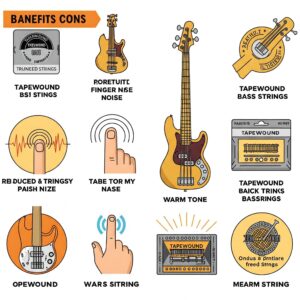
Benefits of Using Tapewound Bass Strings
For many bassists, switching to tapewound bass strings opens up new sonic possibilities and playing experiences. Let’s explore the key advantages these unique strings offer.
Tonal Advantages
Upright-Like Qualities on Electric Bass
One of the primary reasons bassists choose tape bass strings is to capture elements of an upright bass sound on their electric instrument:
- They produce deep, thumpy fundamentals similar to an upright
- The reduced high-end creates a more vintage, acoustic character
- They can help create a convincing upright simulation when paired with appropriate technique and amplification
Excellent Recording Characteristics
In studio settings, tapewound strings offer several advantages:
- They require less EQ adjustment to sit properly in a mix
- Their reduced finger noise means cleaner recordings
- The controlled sustain creates more defined note separation
Genre Versatility
While particularly well-suited to certain styles, quality tapewound bass strings work surprisingly well across genres:
- Perfect for jazz, blues, folk, and acoustic-oriented music
- Excellent for vintage rock, R&B, and soul
- Can provide unique textures in modern productions seeking contrast
Practical Benefits
Extended Lifespan
Tape bass strings typically last significantly longer than roundwound alternatives:
- The nylon wrapping resists corrosion and dirt accumulation
- They maintain their tonal character for 6-12 months of regular use
- The initial investment is offset by reduced replacement frequency
Physical Comfort
Many players with specific physical needs appreciate tapewound strings for:
- Reduced finger soreness during long playing sessions
- Less string noise when recording or performing
- Gentler feel for those with sensitive fingertips or skin conditions
Reduced Fret Wear
An often-overlooked advantage:
- The nylon wrap causes less friction and wear on frets
- This can extend the life of an instrument’s fretboard
- Particularly valuable for vintage or high-value instruments
Comparison: Benefits of Different String Types
| Benefit | Tapewound | Roundwound | Flatwound | Groundwound |
|---|---|---|---|---|
| Tone warmth | ★★★★★ | ★★ | ★★★★ | ★★★ |
| Brightness | ★ | ★★★★★ | ★★ | ★★★ |
| Finger comfort | ★★★★★ | ★★ | ★★★★ | ★★★ |
| String life | ★★★★ | ★★ | ★★★★★ | ★★★ |
| Fret wear | ★★★★★ | ★★ | ★★★★ | ★★★ |
| Versatility across genres | ★★★ | ★★★★★ | ★★★ | ★★★★ |
| Recording clarity | ★★★★ | ★★★ | ★★★★ | ★★★ |
| Value for money (long-term) | ★★★★ | ★★★ | ★★★★★ | ★★★★ |
Types and Variations of Tapewound Bass Strings
The world of tapewound bass strings is more diverse than many bassists realize. Various manufacturers have developed different approaches to these specialized strings, offering players multiple options to find their perfect sound.
By Core Design
Round Core Tapewound Strings
Traditional tape bass strings feature a round wire core:
- Offers more flexibility and a slightly softer feel
- Produces a rounder, more vintage tone
- Examples include La Bella 760T series and Thomastik-Infeld JF344
Hex Core Tapewound Strings
Modern innovations have introduced hex-shaped cores in some tapewound strings:
- Provides more stable intonation and tuning stability
- Creates a slightly more focused tone with better projection
- Examples include D’Addario ENR71 Half Rounds with tape wrapping
By Gauge Configuration
Like other bass strings, tapewound bass strings come in various gauge configurations to suit different playing styles and instruments:
Light Gauge (typically .040-.095)
- Easier playability with lower tension
- Slightly brighter tone with more flexibility
- Ideal for fretless basses or players seeking maximum comfort
Medium Gauge (typically .045-.105)
- Balanced tension and projection
- Standard choice for most applications
- Provides good compromise between playability and tone
Heavy Gauge (typically .050-.110 and up)
- Maximum volume and projection
- Deeper fundamental tones
- Better for dropped tunings or extended range instruments
By Specialized Design Features
Black Nylon Tape
The traditional and most common variety:
- Classic warm, dark tone
- Black appearance gives a distinctive look
- Examples include Rotosound RS200B and La Bella 760FMBL
White/Clear Nylon Tape
A less common variant offering a different aesthetic and slightly different tone:
- Slightly brighter sound than black nylon while retaining warmth
- Natural or white appearance
- Examples include La Bella 760N White Nylon Tape Wounds
Specialized Bass Applications
Some manufacturers create tapewound bass strings for specific instruments:
- 5-string bass sets (adding a low B string)
- Short-scale bass specific sets with adjusted tension profiles
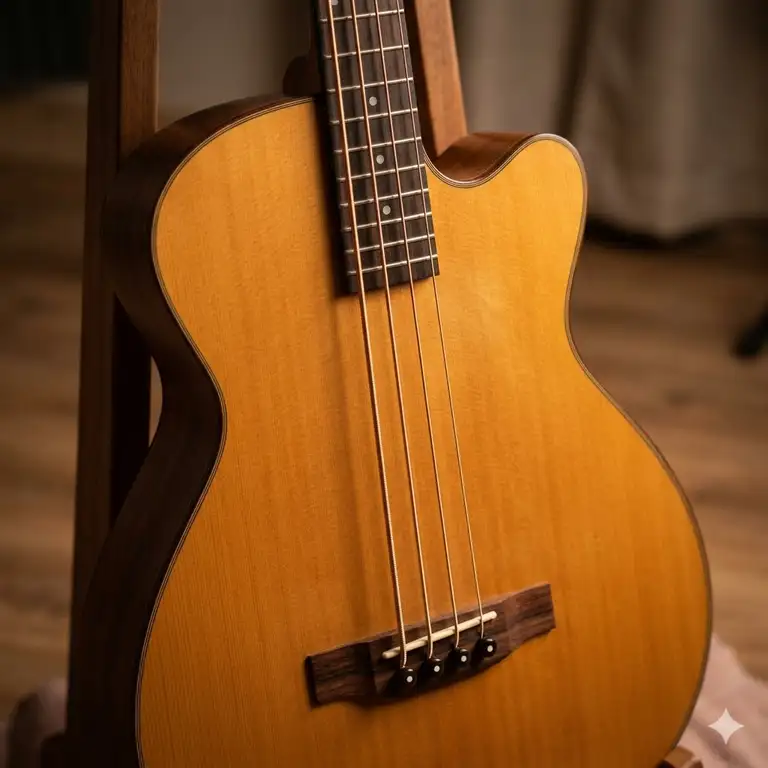
- Acoustic bass guitar sets optimized for those instruments
Comparison Table: Popular Tapewound String Variations
| String Type | Core Design | Tonal Character | Best For | Price Range |
|---|---|---|---|---|
| Black Nylon, Round Core | Round steel core | Warmest, most upright-like | Jazz, blues, vintage tones | $40-70 |
| Black Nylon, Hex Core | Hex steel core | Focused warmth, better intonation | Studio recording, modern applications | $45-75 |
| White Nylon | Varies by brand | Warmer than roundwound, brighter than black nylon | Versatile applications needing warmth with definition | $45-80 |
| Tapewound 5-String Sets | Typically hex core | Extended range with warmth | 5-string applications in jazz, fusion | $60-100 |
| Short-scale Tapewound | Round or hex core | Compressed tension, warm tone | 30″ scale basses, student models | $35-65 |
✨ Transform Your Bass Tone Today! 🎸
➡ Ready to experience the warm, rich tones that tapewound strings can provide? Click on any of our recommended products to find the perfect set for your instrument and playing style. Your fingers—and your ears—will thank you!

How to Choose the Right Tapewound Bass Strings
Selecting the perfect set of tapewound bass strings requires considering several factors that will impact your sound and playing experience. This section will guide you through the decision-making process.
Determining Your Tonal Goals
Before purchasing tape bass strings, consider what specific sound you’re hoping to achieve:
For Maximum Warmth and Vintage Character
If you’re seeking the most traditional upright-like tone:
- Choose black nylon tape over white/clear options
- Select strings with round cores rather than hex cores
- Consider slightly heavier gauges for maximum fundamental
For Balanced Warmth with Definition
If you want warmth but need more clarity for complex playing:
- Look for modern tapewound strings with hex cores
- Consider white/clear nylon options for additional brightness
- Stick with medium gauges for balanced response
For Recording vs. Live Performance
Different contexts may require different string choices:
- For studio recording, strings with maximum finger noise reduction excel
- For live performance, you might prefer options with slightly more projection
Considering Your Instrument
Your specific bass guitar will influence which tapewound bass strings work best:
Passive vs. Active Electronics
- Passive basses often benefit from the warmth of tapewound strings
- Active basses with significant EQ capabilities can shape the tone of any tapewound string
Scale Length Considerations
- Standard 34″ scale basses work with most tapewound options
- Short-scale basses (30-32″) require specifically designed sets for proper tension
- Extra-long scale basses may need custom solutions
Fretted vs. Fretless Applications
Tape bass strings work exceptionally well on fretless basses:
- They reduce finger noise during slides
- They minimize wear on expensive fingerboards
- They produce a singing, mwah-like tone when used on fretless instruments
Balancing Budget and Quality
Tapewound bass strings typically cost more than standard roundwound strings. Consider:
Investment vs. Longevity
- Higher-quality tapewound strings may cost $50-80 per set
- However, they typically last 3-4 times longer than roundwound strings
- This makes them economical in the long run despite higher initial costs
Brand Reputation
Some manufacturers have specialized in tapewound bass strings for decades:
- La Bella has been a pioneer in tapewound technology
- Rotosound offers well-regarded options
- D’Addario and GHS provide reliable alternatives at different price points
String Compatibility Charts
| Bass Type | Recommended Tapewound String Type | Notes |
|---|---|---|
| Fender Precision | Medium gauge black nylon | Classic combination for vintage tones |
| Fender Jazz | Medium gauge black or white nylon | Works well with Jazz Bass frequency response |
| Music Man StingRay | Medium-heavy gauge, hex core recommended | Complements the StingRay’s powerful preamp |
| Rickenbacker | Light-medium gauge | Works well with Rickenbacker’s naturally bright tone |
| 5-String Bass | Specialized 5-string sets only | Regular 4-string sets cannot be supplemented |
| Short-scale Bass | Short-scale specific sets | Regular sets will have excessive tension |
| Fretless Bass | Any tapewound, medium gauge preferred | Exceptional choice for fretless instruments |
| Acoustic Bass Guitar | Specialized acoustic bass tapewound sets | Regular electric bass sets may lack projection |
✨ Transform Your Bass Tone Today! 🎸
➡ Ready to experience the warm, rich tones that tapewound strings can provide? Click on any of our recommended products to find the perfect set for your instrument and playing style. Your fingers—and your ears—will thank you!
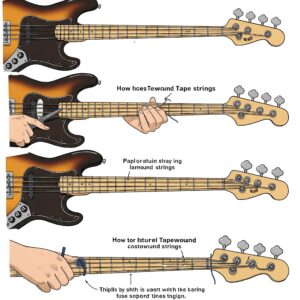
Installation and Maintenance of Tapewound Bass Strings
Proper installation and maintenance of your tapewound bass strings will ensure you get the best tone and longest life from your investment. Let’s explore the best practices for getting the most out of these specialty strings.
Proper Installation Techniques
Installing tape bass strings requires some special considerations compared to standard strings:
Preparation Steps
Before installing your new tapewound strings:
- Clean your bass thoroughly, including the fretboard and hardware
- Inspect the nut slots for any issues that might cause binding
- Have proper string winders and cutters ready for the job
Installation Process
Follow these steps for optimal results:
- Remove old strings one at a time, installing each new string before removing the next
- When threading tapewound strings through the bridge, be careful not to damage the nylon wrapping
- Create proper winds around the tuning posts (2-3 winds for bass strings)
- Stretch the strings gently after installation to help stabilize tuning
- Leave extra length on the strings initially until tuning stabilizes
Special Considerations for Tapewound Strings
Be aware of these unique aspects of tapewound bass strings:
✅ The nylon wrap can be more delicate than metal wrappings
✅ Initial tuning stability may take longer to achieve than with other string types
✅ The strings will typically need more stretching during the break-in period
Extending String Life
One of the benefits of tape bass strings is their longevity, which you can maximize with proper care:
Regular Maintenance
Implement these habits to keep your strings sounding their best:
- Wipe strings down with a clean, dry cloth after each playing session
- Avoid playing with dirty or greasy hands
- Consider using specialized bass string cleaners periodically
Environmental Factors
Protect your investment by being mindful of:
- Humidity levels (excessive humidity can affect nylon wrappings)
- Temperature fluctuations (can cause tuning instability)
- Exposure to UV light (can degrade nylon over very long periods)
Signs It’s Time for Replacement
Even with excellent care, eventually all strings need replacement. Look for these indicators:
- Noticeable loss of warmth in the tone
- Visible wear or unwinding of the tape wrapping
- Intonation issues that cannot be resolved through setup adjustments
- Discoloration or stiffness in the strings
Optimizing Tone Through Setup
To get the most from your tapewound bass strings, consider these setup adjustments:
Action Height
Tape bass strings often benefit from:
- Slightly higher action than roundwound strings
- This allows the strings to vibrate more freely and produces fuller tone
Pickup Height
For optimal sound:
- Experiment with slightly lower pickup height than you might use with roundwound strings
- This reduces the magnetic pull on the strings, allowing more natural vibration
EQ Adjustments
When using tapewound bass strings, try:
- Reducing bass amplifier treble settings slightly
- Adding a small mid-range boost if more definition is needed
- Using compression to enhance the natural sustain characteristics
✨ Transform Your Bass Tone Today! 🎸
➡ Ready to experience the warm, rich tones that tapewound strings can provide? Click on any of our recommended products to find the perfect set for your instrument and playing style. Your fingers—and your ears—will thank you!

Top Recommended Tapewound Bass Strings and Products
After extensive testing and research, I’ve compiled a selection of the finest tapewound bass strings available on the market today. These recommendations cover various price points and tonal characteristics to help you find the perfect match for your instrument and playing style.
Premium Tapewound Options
La Bella 760FS Deep Talkin’ Bass Strings
La Bella’s Deep Talkin’ Bass strings are widely regarded as the gold standard for tapewound bass strings. These black nylon-wrapped strings deliver exceptional warmth and an authentic upright-like quality that’s perfect for jazz and blues players.
Key features:
- Black nylon tape wrapping over silver-plated copper wire
- Flexible steel core for superior feel and response
- Available in multiple gauge configurations
- Handmade in the USA with traditional techniques
- Exceptional durability with proper maintenance
These premium strings offer the most authentic upright bass simulation possible on an electric instrument, with the deep, thumpy fundamental tones that tape bass strings are known for.
Rotosound RS200B Monel Flatwound Tape
Rotosound’s offering combines the best aspects of flatwound technology with nylon tape wrapping for a unique hybrid tone. These strings feature:
- Black nylon tape wrapping over monel flatwound strings
- British-made with exacting standards
- Slightly brighter than some other tapewound options
- Balanced tension for comfortable playability
- Long-lasting construction that maintains tone over time
The RS200B strings are particularly well-suited for versatile players who need the warmth of tapewound strings but with slightly more articulation for complex playing styles.
Mid-Range Options with Excellent Value
D’Addario ENR71 Half Rounds Black Nylon Tape
D’Addario combines their popular half-round technology with black nylon tape wrapping to create a wonderfully balanced string. These feature:
- Black nylon tape over half-round wound strings
- Hex core for improved intonation and stability
- Digital winding for consistent quality
- Available in multiple scales and configurations
- Excellent balance of warmth and definition
These strings are particularly well-suited for recording situations where you want the warm character of tapewound bass strings with the definition needed for complex parts to cut through a mix.
GHS Black Nylon Tapewound Bass Strings
GHS offers a more affordable entry point into the world of tape bass strings without sacrificing quality:
- Black nylon tape over round wound core
- Balanced tension across all strings
- Warm tone with good fundamental focus
- Available in standard and light gauges
- Made in the USA with quality materials
These strings represent an excellent value for bassists wanting to experiment with the tapewound sound without making a large initial investment.
Specialized Tapewound Options
Thomastik-Infeld JF344 Jazz Flats Tape Series
For the discerning jazz bassist, Thomastik-Infeld offers premium tapewound bass strings with unique characteristics:
- Black nylon tape wrapping over exceptional flatwound strings
- Slightly higher tension for maximum tone
- Unmatched craftsmanship from this Austrian string maker
- Exceptional note-to-note consistency
- Superior intonation across the entire fingerboard
While among the most expensive options available, these strings offer unparalleled quality for professional players and recording artists.
Comparison Table: Top Tapewound Bass String Sets
| String Set | Gauge (4-string) | Core Type | Best Feature | Ideal For | Price |
|---|---|---|---|---|---|
| La Bella 760FS | .050-.105 | Round | Most authentic upright sound | Jazz, blues, traditional styles | $55-65 |
| Rotosound RS200B | .045-.105 | Round | Balanced warmth and articulation | Versatile players, session work | $45-55 |
| D’Addario ENR71 | .045-.100 | Hex | Best intonation and stability | Studio recording, modern styles | $40-50 |
| GHS Black Nylon | .045-.105 | Round | Value for money | Beginners to tapewound strings | $35-45 |
| Thomastik-Infeld JF344 | .043-.107 | Round | Premium craftsmanship | Professional jazz players | $75-90 |
✨ Don’t Miss These Exclusive String Deals! 🎸
➡ Take your bass tone to the next level with these carefully selected tapewound string options. Click on any highlighted item to check current pricing and availability. These premium strings will help you create authentic upright-like tones your audiences will love!

Tapewound Strings for Different Playing Styles and Genres
Tapewound bass strings excel in certain musical contexts while presenting unique challenges in others. Understanding how these strings perform across different genres and playing techniques will help you determine if they’re right for your musical journey.
Jazz and Blues Applications
It’s no coincidence that tape bass strings are particularly popular among jazz and blues bassists:
Perfect for Walking Bass Lines
The warm tone and controlled sustain make them ideal for:
- Walking quarter-note bass lines with clear note definition
- Providing a solid harmonic foundation without muddiness
- Creating an authentic upright bass simulation for small jazz combos
Blues and Soul Applications
In blues and R&B contexts, tapewound strings offer:
- Warm, round tone that complements the emotional expressiveness of these genres
- Excellent response to dynamic playing, from soft to forceful
- A vintage character that suits traditional blues aesthetics
Rock and Alternative Applications
While less common in rock, tapewound bass strings can provide unique textures:
Classic Rock and Oldies
For vintage rock sounds, these strings deliver:
- The warm, thumpy character heard on many 1960s recordings
- Less finger noise when recording classic bass lines
- A different alternative to the flatwound strings often used in that era
Alternative and Experimental Music
In more avant-garde contexts, tape bass strings offer:
- Unique tonal contrasts when combined with effects
- Distinctive textural elements not easily achieved with other string types
- Creative possibilities for experimental players
Fingerstyle vs. Pick vs. Slap Techniques
Different playing techniques interact uniquely with tapewound bass strings:
Fingerstyle Playing
The most natural fit for these strings:
- Warm, full tone with minimal finger noise
- Comfortable playing experience for extended sessions
- Excellent dynamic response to finger attack variations
Pick Playing
Using a plectrum with tapewound strings:
- Produces a unique rounded attack unlike other string types
- Reduces the aggressive attack sometimes associated with picked bass
- Offers good tonal consistency across strings
Slap and Pop Technique
Perhaps the most challenging application:
- Thumbed notes produce a satisfying thump but with less attack
- Popped notes lack the brightness and snap of roundwound strings
- Creative players can develop modified techniques that work with these limitations
Adapting Your Technique for Tapewound Strings
To get the most from tape bass strings, consider these technique adjustments:
- Apply slightly more finger pressure for maximum fundamental tone
- Use a harder pick attack to compensate for the reduced brightness
- Position your plucking hand closer to the bridge for additional definition when needed
- Embrace the natural warmth rather than fighting against the string’s characteristics
How to Get the Most Out of Your Tapewound Bass Strings
To truly maximize the potential of your tapewound bass strings, consider these advanced tips for tone shaping, equipment pairing, and technical approaches. These insights will help you achieve the richest, most musical results from your investment.
Optimizing Your Signal Chain
The unique characteristics of tape bass strings interact differently with various equipment:
Amplification Considerations
For the most flattering reproduction of tapewound tone:
- Tube amplifiers often complement the warm characteristics beautifully
- Amps with strong mid-range presence controls help shape the tone
- Larger speakers (12″ or 15″) typically reproduce the fundamental frequencies better than smaller drivers
Effects That Enhance Tapewound Tone
Certain effects pedals work particularly well with these strings:
- Subtle compression can enhance sustain without sacrificing warmth
- Octave-down effects blend seamlessly with the fundamental-rich tone
- Chorus can add dimension while maintaining the string’s natural character
- Avoid excessive distortion, which can muddy the already warm tone
Optimizing EQ Settings
To get the most from tapewound bass strings through your amplifier:
- Start with a slight mid-range boost (around 800Hz) for definition
- Consider a subtle high-end lift above 2kHz if more articulation is needed
- Avoid excessive bass boosting, as the strings naturally emphasize low frequencies
Recording Techniques for Tapewound Strings
In the studio, tape bass strings offer unique advantages and considerations:
Microphone Techniques (for amplified bass)
When recording a bass amp with tapewound strings:
- Dynamic microphones like the Electro-Voice RE20 or Sennheiser MD421 capture the warmth beautifully
- Position microphones slightly off-center from the speaker for balanced tone
- Consider a blend of close and room mics to capture the full character
Direct Recording Approaches
For direct recording to the console or audio interface:
- Active DI boxes with tube stages complement tapewound warmth
- Consider interfaces with input transformers for added character
- Subtle analog tape emulation can enhance the vintage qualities
Post-Processing Considerations
When mixing bass recorded with tapewound bass strings:
- Use compression with slower attack settings to preserve the natural attack
- Be judicious with EQ – these strings often need less processing than roundwounds
- Consider parallel processing to maintain low-end integrity while adding definition
Longevity and Value: Maximizing Your Investment
Tapewound bass strings represent a significant investment, but with proper care, they offer excellent value:
Cost-Benefit Analysis
Although tapewound strings typically cost 1.5-2 times more than standard roundwound sets, their extended lifespan often makes them more economical over time:
- Standard roundwound set: $20-30, lasting 2-3 months = $8-15 per month
- Premium tapewound bass string set: $45-65, lasting 6-12 months = $5-11 per month
Rotation Strategy for Working Musicians
Professional players with multiple basses might consider:
- Maintaining one instrument with tapewound strings for appropriate gigs
- Rotating instruments to distribute wear across multiple string sets
- Using tapewound strings on recording basses for studio sessions
✨ Elevate Your Bass Tone Today! 🎵
➡ Discover the warmth and character that tapewound strings can bring to your playing. Whether you’re a jazz purist, a recording session player, or simply a bassist looking to expand your tonal palette, tapewound strings offer a unique voice that can transform your instrument. Click on any of our recommended products to find the perfect set for your bass!

Conclusion: Are Tapewound Bass Strings Right for You?
After exploring the world of tapewound bass strings in depth, it’s clear that these unique strings offer distinctive tonal characteristics and playing experiences that set them apart from other options. Whether they’re the right choice for you depends on your musical goals, playing style, and personal preferences.
Summarizing the Key Benefits
Tape bass strings provide several compelling advantages:
- Warm, deep tone with upright bass-like qualities
- Reduced finger noise and increased playing comfort
- Extended lifespan compared to roundwound strings
- Excellent recording characteristics with minimal processing needed
- Unique aesthetic with their distinctive black appearance
Considering the Limitations
However, these strings aren’t without their drawbacks:
- Less brightness and attack than roundwound strings
- Higher initial cost (though potentially better value long-term)
- Not ideal for slap techniques or styles requiring aggressive articulation
- Longer breaking-in period before reaching optimal tone
- May require setup adjustments for best results
Who Should Consider Tapewound Strings
Tapewound bass strings are particularly well-suited for:
✅ Jazz, blues, and folk bassists seeking warm, acoustic-like tones
✅ Recording musicians who value reduced finger noise
✅ Players with fretless basses looking for that singing, mwah quality
✅ Bassists who experience finger soreness with traditional strings
✅ Those seeking to expand their tonal palette with something different
Who Might Prefer Other String Types
Other string types might be preferable for:
❌ Players focused primarily on slap techniques
❌ Metal, hard rock, and funk bassists needing maximum brightness
❌ Those seeking the most economical short-term option
❌ Bassists who prefer immediate playability without breaking in
Final Thoughts
The world of bass strings offers many options, each with its own sonic fingerprint. Tapewound bass strings represent a unique corner of this landscape—one that offers rich rewards for the player willing to explore their distinctive characteristics. Whether as your primary string choice or as part of your tonal arsenal for specific musical contexts, tapewound strings deserve consideration from any serious bassist.
If you’ve never tried tape bass strings before, consider investing in a quality set for your bass. The unique playing experience and tonal possibilities might just open new creative doors in your musical journey. Remember that the initial adjustment period is normal, and the full character of these strings reveals itself over time as they break in and as you adapt your technique to their unique qualities.
Frequently Asked Questions About Tapewound Bass Strings
❓ How long do tapewound bass strings typically last compared to regular strings?
✅ Tapewound bass strings typically last 3-4 times longer than standard roundwound strings, with an average lifespan of 6-12 months for regular players. The nylon wrapping resists corrosion, dirt accumulation, and wear that typically degrades metal strings. Professional players report maintaining good tone for up to a year with proper care, making them economical despite higher initial costs...
❓ Can tapewound strings be used on any bass guitar?
✅ Tapewound strings can be used on most bass guitars, but work best with certain instruments. They're ideal for fretted and fretless electric basses with standard 34 inch scale lengths. Short-scale basses (30-32 inches) require specific tapewound sets designed for shorter scales. While compatible with active and passive electronics, they typically complement passive basses better due to their naturally warm tone...
❓ What's the best way to clean tapewound bass strings?
✅ The best way to clean tapewound bass strings is with a dry microfiber cloth after each playing session. Unlike metal strings, nylon-wrapped tapewound strings should NOT be cleaned with alcohol-based products or string cleaners containing solvents, as these can damage the nylon wrapping. For deeper cleaning, use only products specifically labeled safe for nylon-wrapped strings...
❓ Are tapewound strings good for slap bass techniques?
✅ Tapewound strings are generally not ideal for slap bass techniques as they lack the brightness and attack needed for traditional slapping. The nylon wrapping absorbs much of the percussive impact that makes slap techniques effective. While they produce a warm thump when slapped, they don't create the characteristic pop sound when pulled. Players focused primarily on slap techniques typically prefer roundwound strings for their brighter attack and sustain...
❓ What's the difference between tapewound and flatwound bass strings?
✅ The main difference between tapewound and flatwound bass strings is the outer wrapping material. Tapewound strings have a nylon tape outer layer wrapped around a metal core, creating an extremely smooth surface and warm, upright-like tone with minimal finger noise. Flatwound strings use flattened metal wire for their outer wrapping, offering a smoother feel than roundwounds but still maintaining more brightness and attack than tapewounds...
Recommended for You:
- 10 Best 5 String Bass Options That Will Transform Your Playing in 2025
- 10 Incredible 12 String Electric Bass Models That Will Revolutionize Your Sound in 2025
- 10 Best 8 String Electric Bass Options for Serious Musicians in 2025
Disclaimer: This article contains affiliate links. If you purchase products through these links, we may earn a small commission at no additional cost to you.
✨ Found this helpful? Share it with your friends! 💬🤗