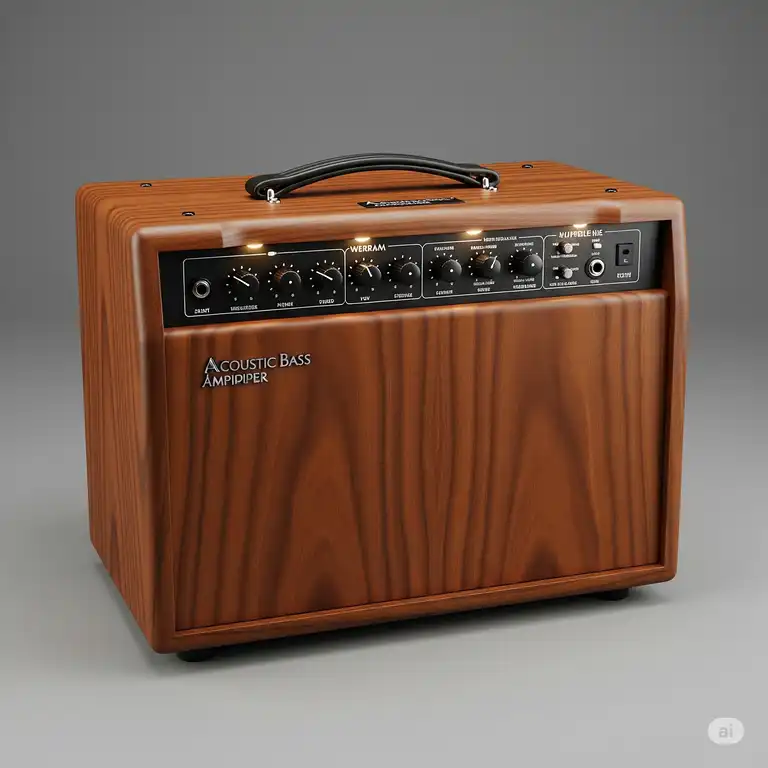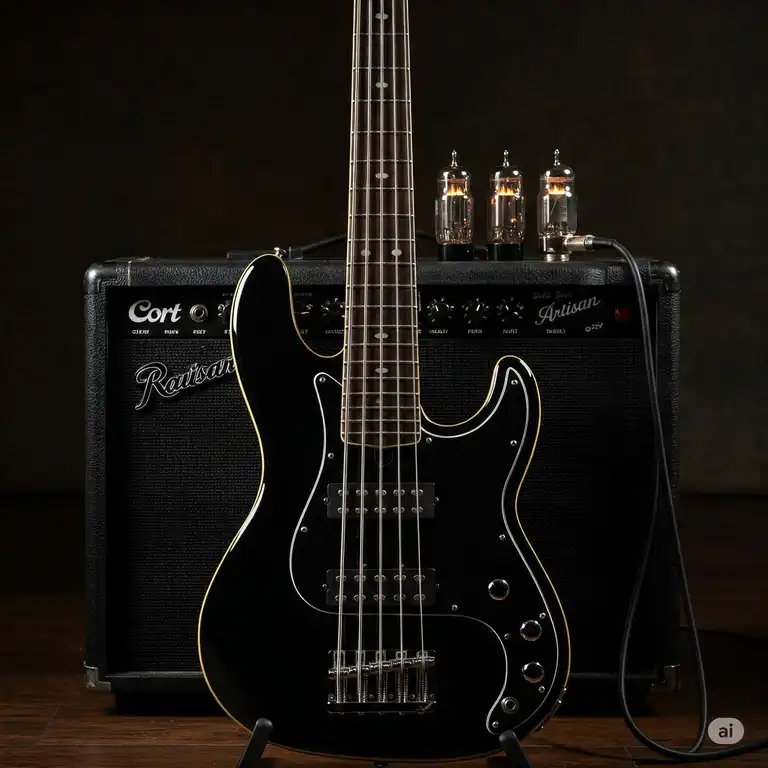
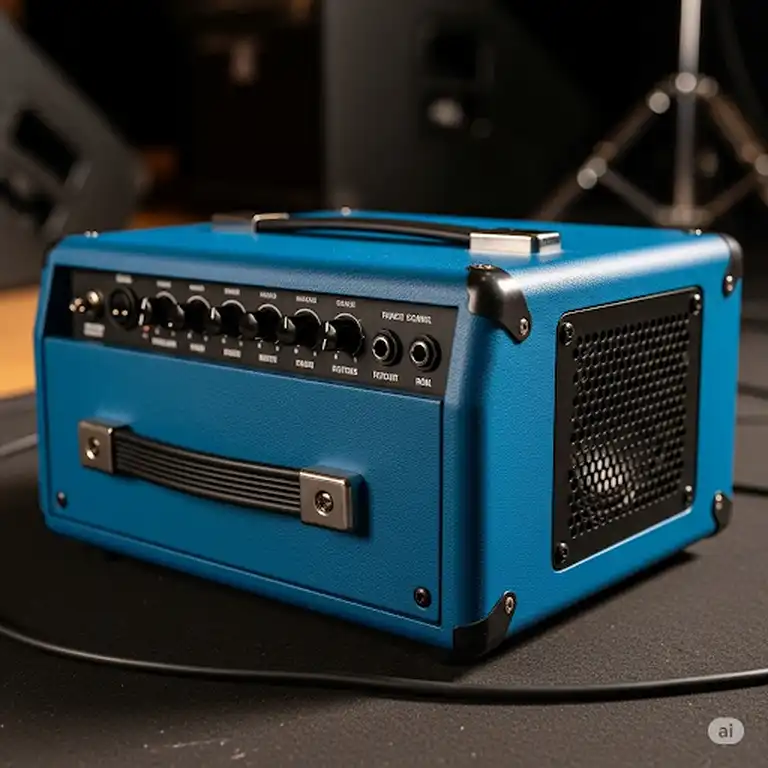
Are you a bassist searching for the perfect balance between power and portability? A small bass amp might be exactly what you need. These compact powerhouses have revolutionized how bassists practice, record, and even perform, offering incredible sound in surprisingly small packages.
✨Was this helpful? Spread the word! 🚀
In today’s world, where space comes at a premium and mobility matters more than ever, the small bass amp has emerged as an essential tool for bassists of all levels. Whether you’re a beginner looking for your first practice amp, a recording enthusiast seeking clean tones in your home studio, or a gigging musician tired of lugging around heavy equipment, there’s a small bass amp designed to meet your specific needs.
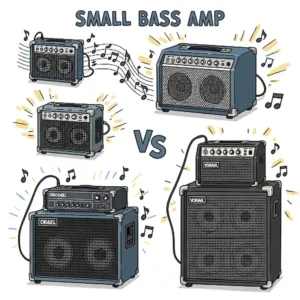
Small Bass Amp vs. Traditional Bass Amplifiers: How Do They Compare?
Before diving deeper, let’s compare small bass amps with their larger counterparts:
| Feature | Small Bass Amp | Traditional Bass Amp |
|---|---|---|
| Size | Compact, portable (typically under 20 inches tall) | Large, heavy (often 24+ inches tall) |
| Weight | Lightweight (5-25 pounds) | Heavy (30-100+ pounds) |
| Power | 15-300 watts | 300-1000+ watts |
| Venue Suitability | Practice, recording, small venues | Medium to large venues |
| Price Range | $80-$500 | $500-$3000+ |
| Portability | High | Low |
| Tone Quality | Good to excellent | Excellent to professional |

In this comprehensive guide, I’ll walk you through everything you need to know about small bass amps. From understanding what makes a great compact bass amplifier to selecting the perfect one for your specific needs, we’ll cover it all. I’ve spent years testing various models and have gathered insights from professional bassists to bring you the most accurate and helpful information possible.
Let’s dive in and discover the world of small bass amps together!
What Is a Small Bass Amp?
A small bass amp (also commonly referred to as a small bass guitar amp) is a compact amplifier specifically designed for bass guitars. Unlike their larger counterparts, these amps prioritize portability and space efficiency without sacrificing sound quality. The typical small bass amp weighs between 5 and 25 pounds and stands less than 20 inches tall, making it easy to transport and store.
Despite their compact size, today’s mini bass guitar amplifier options pack impressive technology into small packages. Modern small bass amps utilize advanced circuitry, efficient speaker designs, and smart power management to deliver substantial volume and tone quality that would have been impossible in such small formats just a decade ago.
Types of Small Bass Amps
Small bass amps come in several varieties, each with distinct advantages:
1. Practice Amps
These are the smallest of the small bass amps, typically ranging from 10-40 watts. They’re designed primarily for home practice and feature simple controls, headphone outputs, and sometimes auxiliary inputs for playing along with music. Perfect for apartments or quiet practice sessions, these compact units prioritize convenience over raw power.
2. Combo Amps
Small combo bass amps combine both the amplifier and speaker in one unit. These versatile options often range from 50-300 watts and can handle small gigs while remaining portable enough for easy transport. They typically feature more comprehensive EQ controls and may include effects like compression or chorus.
3. Micro Amps
The newest category of small bass amps, these ultra-compact options can fit in a gig bag pocket. Despite their tiny size (often smaller than a paperback book), they can produce surprisingly decent tone when connected to headphones or a PA system. They’re ideal for silent practice or as backup options.
4. Class D Mini Amps
These technological marvels use highly efficient Class D amplification to deliver substantial power from incredibly small packages. Often weighing less than 5 pounds, these amps can produce 300+ watts and are designed to connect to external speaker cabinets, offering a modular approach to small bass amplification.
Key Components of a Small Bass Amp
Understanding the essential components of a small bass amp can help you make better purchasing decisions:
Preamp Section
The preamp shapes your bass’s tone before it reaches the power amp stage. Even in small bass amps, a quality preamp is crucial for achieving the sound you want. Look for amps with flexible EQ options (at minimum, bass, middle, and treble controls) and possibly some built-in effects.
Power Amp
This section determines how loud your amp can get. Small bass amps typically range from 15 watts for practice amps to 300+ watts for gig-worthy models. Remember that bass frequencies require more power to reproduce at the same perceived volume as higher frequencies, so don’t underestimate your power needs.
Speaker
The size and quality of the speaker greatly impact your tone. Most small bass amps use 8-inch or 10-inch speakers, though some larger “small” models might use a 12-inch speaker. The speaker’s construction and design significantly affect how your bass will sound through the amp.
Cabinet Design
Even with small bass amps, cabinet design matters. Ported cabinets can enhance low-end response, while sealed cabinets often provide tighter bass. The materials used in construction also affect tone—plywood cabinets generally sound better than particle board ones.
Now that we understand what makes up a small bass amp, let’s look at the specific features that set the best models apart from the rest.
Essential Features of Small Bass Amp Models
When shopping for a small bass guitar amp, several key features can dramatically impact your playing experience. Understanding these features will help you identify which small bass amp will best suit your needs.
Power Output and Speaker Configuration
The power rating of a small bass amp typically ranges from 15 watts for practice amps to 300+ watts for performance-ready models. However, raw wattage numbers can be misleading—efficiency matters as much as power. A well-designed 100-watt amp might sound louder and clearer than a poorly designed 200-watt unit.
Speaker size and configuration also play crucial roles:
- 8-inch speakers: Common in the smallest practice amps, offering adequate tone for home use
- 10-inch speakers: The sweet spot for many small bass amps, balancing portability with decent low-end reproduction
- Multiple speakers: Some small bass amps use two 8-inch speakers instead of one larger speaker, providing a different tonal character
EQ and Tone Shaping Options
Even the most compact mini bass guitar amplifier should offer some tone-shaping capabilities. The best small bass amps provide:
- 3-band EQ (bass, mid, treble) at minimum
- Parametric mid controls on better models
- Bright/contour switches for quick tone adjustments
- Overdrive or gain controls for tonal variety
More advanced small bass amps might include graphic EQs or semi-parametric controls, giving you precise tonal control despite their compact size.
Connectivity Options
Modern small bass amps should offer various connectivity options:
✅ Headphone output for silent practice
✅ Auxiliary input for playing along with music
✅ Direct output (XLR or 1/4″) for recording or connecting to a PA
✅ Effects loop for integrating pedals
✅ Bluetooth connectivity (on newer models) for wireless audio streaming
These connection options extend the versatility of your small bass amp, allowing it to function as a practice tool, recording interface, and performance amplifier.
Portability Factors
Since portability is a primary reason for choosing a small bass amp, consider these factors:
- Weight: The lightest micro amps weigh under 2 pounds, while more powerful small bass amps might reach 25 pounds
- Handle design: Comfortable, sturdy handles make transportation easier
- Protective corners: Reinforced corners help prevent damage during transport
- Power requirements: Some ultra-portable bass amps can run on batteries or USB power
Additional Features Worth Considering
Modern small bass amps often include extra features that add significant value:
- Built-in tuner: Convenient for quick tuning checks
- Compressor: Helps even out your playing dynamics
- Multiple channels: Different tone presets for various playing styles
- USB connectivity: Direct recording to computers without additional interfaces
- Smartphone app control: Adjust settings and save presets from your phone
Now, let’s compare how different small bass amp models stack up against each other:
| Feature | Entry-Level Models | Mid-Range Models | Premium Small Bass Amps |
|---|---|---|---|
| Price Range | $80-$150 | $150-$300 | $300-$500+ |
| Power Output | 15-40 watts | 50-150 watts | 200-300+ watts |
| Speaker Size | 6-8 inches | 8-10 inches | 10-12 inches or multiple speakers |
| EQ Controls | Basic 2-3 band | 3-4 band with mid shaping | Semi-parametric or graphic EQ |
| Connectivity | Basic (headphone, aux in) | Moderate (+ direct out, effects loop) | Comprehensive (+ digital, wireless) |
| Extra Features | Minimal | Some effects, simple presets | Advanced effects, memory, app control |
| Weight | 5-10 pounds | 10-20 pounds | 15-25 pounds |
| Best For | Home practice | Small gigs, rehearsals | Versatile use, small-medium venues |
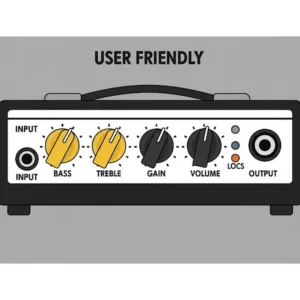
Benefits of Using a Small Bass Amp
The rising popularity of small bass amps isn’t just a trend—these compact powerhouses offer genuine advantages for many players. Understanding these benefits can help you determine if a small bass amp is right for your situation.
Practice Convenience
One of the most significant advantages of a small bass amp is the sheer convenience it offers for practice:
- Space efficiency: Takes up minimal room in apartments or bedrooms
- Neighbor-friendly: Lower maximum volume compared to larger amps
- Quick setup: Ready to play in seconds without extensive rigging
- Headphone compatibility: Practice silently at any hour
As a bassist who’s lived in small apartments, I can attest that a quality small bass amp makes regular practice much more feasible. The ability to get good tone at lower volumes means more consistent practice and faster improvement.
Recording Applications
Small bass amps have become increasingly popular in home recording setups:
- Controlled volume: Get great tone without overwhelming your microphones
- Direct outputs: Many small bass amps include quality DI outputs for clean recording
- Room-friendly: Create great bass tones without needing a dedicated amp room
- Consistent tone: Achieve the same sound at low volumes that would require pushing a larger amp too hard
Many professional recording engineers now keep small bass amps in their studios precisely because they can achieve excellent, recordable tones without the logistical challenges of miking larger rigs.
Portability for Gigging
For many working bassists, the portability of a small bass amp is a game-changer:
- One-trip setup: Carry your bass and amp in one trip from car to stage
- Travel-friendly: Some models are small enough for airplane overhead compartments
- Quick load-out: Finish the gig and be packed up in minutes
- Versatile placement: Position your amp optimally even on crowded stages
The days of needing massive rigs to be heard are largely over. With most venues miking bass amps or taking direct signals to the PA, a small bass amp can serve as both your monitor and a direct source for the house sound.
Tone Quality Improvements
Surprisingly, small bass amps often deliver superior tone at the volumes most players actually use:
- Appropriate headroom: Smaller amps reach their sweet spot at practical volumes
- Modern circuitry: Newer small amps use advanced technology to maximize tone
- Focused design: Many small bass amps come from companies that specialize in bass-specific equipment
- Speaker efficiency: Purpose-designed speakers optimize performance within size constraints
Cost Efficiency
Not only are small bass amps more practical, but they’re often more economical too:
- Lower initial investment: Quality small bass amps start around $100
- Reduced accessories: Less need for expensive power conditioners or transport cases
- Energy efficiency: Lower power consumption, especially with Class D models
- Extended lifespan: Less physical stress on components can mean greater longevity
Let’s compare the benefits of small bass amps to traditional alternatives:
| Benefit Category | Small Bass Amp | Traditional Bass Amp | Advantage |
|---|---|---|---|
| Practice Usability | Apartment-friendly, headphone outputs | Often too loud for home use | Small Bass Amp |
| Recording | Clean tones at low volumes, good DI options | May need to be played loud for best tone | Small Bass Amp |
| Gigging (Small Venues) | Adequate volume, easy transport | Overkill, difficult setup | Small Bass Amp |
| Gigging (Large Venues) | May need PA support | Self-sufficient volume | Traditional Amp |
| Tone at Low Volume | Often excellent | May sound thin until pushed | Small Bass Amp |
| Tone at High Volume | May compress or distort | Superior headroom | Traditional Amp |
| Cost | $80-$500 | $500-$3000+ | Small Bass Amp |
| Portability | Excellent | Poor | Small Bass Amp |
| Versatility | High with modern features | Specialized for loud performance | Small Bass Amp |
💬 Just one click – help others make better buying decisions too!😊

Top 10 Small Bass Amps Worth Considering
After testing dozens of models and consulting with professional bassists, I’ve compiled this list of the 10 best small bass amps currently available on Amazon. Each selection offers a unique combination of features, sound quality, and value.
1. Fender Rumble 25 V3
This 25-watt compact combo with an 8-inch speaker represents the perfect entry point into quality small bass amps. The Fender Rumble 25 V3 delivers Fender’s classic clean tone in a package weighing just 21 pounds.
Key Features:
- 25 watts with 8-inch Fender Special Design speaker
- Overdrive circuit with dedicated gain and level controls
- 3-band EQ with contour switch for tonal flexibility
- Auxiliary input and headphone output
- Classic Fender styling with silver grille cloth
Perfect for: Beginners, apartment practice, and recording bassists who appreciate classic Fender tone.
2. Ampeg BA-108 V2
The Ampeg BA-108 carries the legacy of one of bass amplification’s most storied brands in a convenient 8-inch, 20-watt package. This small bass amp delivers Ampeg’s renowned midrange growl despite its compact dimensions.
Key Features:
- 20 watts with 8-inch Ampeg custom speaker
- Legacy Ampeg preamp circuit for authentic tone
- Auxiliary input and headphone output
- Ultra-durable metal corners for protection
- Weighs just 23 pounds
Perfect for: Bassists who want classic Ampeg tone in a practice-friendly package.
3. Orange Crush Bass 25
The Orange Crush Bass 25 stands out both visually and sonically with its distinctive orange tolex and British-voiced circuitry. This 25-watt small bass amp delivers surprising low-end from its 8-inch speaker.
Key Features:
- 25 watts with custom 8-inch speaker
- Active 3-band EQ for precise tone shaping
- Parametric mid control for added flexibility
- Blend-able overdrive circuit
- Iconic Orange styling and durability
Perfect for: Rock and indie bassists seeking British character in a small bass amp format.
4. Hartke HD15 Bass Combo
Hartke brings their aluminum-cone speaker technology to the small bass amp category with the Hartke HD15. This 15-watt combo features Hartke’s signature punchy attack in an ultra-compact format.
Key Features:
- 15 watts with 6.5-inch HyDrive speaker (paper/aluminum hybrid)
- Shape control for quick EQ adjustment
- Auxiliary input and headphone output
- Lightweight at just 17 pounds
- Durable steel grille for protection
Perfect for: Slap bass players and those who prefer bright, articulate tone in a mini bass guitar amplifier.
5. Phil Jones Bass Double Four
The ultra-compact Phil Jones Bass Double Four redefines what’s possible in a micro bass amp. Despite measuring just 9.8 x 5.6 x 6.7 inches, this 70-watt powerhouse delivers audiophile-quality sound through dual 4-inch proprietary drivers.
Key Features:
- 70 watts with two 4-inch proprietary drivers
- Frequency response from 30Hz to 15kHz
- Passive radiator for enhanced bass response
- 3-band EQ with mid-shift button
- Weighs just 4.7 pounds
Perfect for: Traveling musicians, upright bassists, and audiophiles seeking premium tone in the smallest possible package.

6. Blackstar Fly 3 Bass
The Blackstar Fly 3 Bass might be the most portable option on our list. This battery-powered 3-watt mini bass guitar amplifier fits in any gig bag but delivers surprisingly robust tone for its tiny size.
Key Features:
- 3 watts with 3-inch speaker
- Battery or AC adapter powered
- Compression control for tonal shaping
- Sub control enhances low-end response
- Optional extension cabinet available
- Weighs less than 2 pounds
Perfect for: Silent practice, travel, or as an emergency backup amp.
7. Trace Elliot ELF 200
The innovative Trace Elliot ELF 200 separates itself as a micro head unit rather than a combo amp. This 200-watt powerhouse measures just 6.75 x 4.1 x 1.35 inches—smaller than many paperbacks—yet delivers gig-worthy power when connected to a suitable cabinet.
Key Features:
- 200 watts Class D amplification
- 3-band EQ with parametric mid control
- Ultra-compact size fits in gig bag pockets
- Output protection and thermal management
- Weighs only 1.6 pounds
Perfect for: Gigging bassists seeking maximum power in the smallest possible package.
8. TC Electronic BAM200
The TC Electronic BAM200 offers 200 watts of power in a micro head format. This small bass amp head measures just 7.4 x 6.1 x 1.8 inches but delivers clean, powerful tone with TC Electronic’s renowned sound quality.
Key Features:
- 200 watts Class D power
- Passive and active input options
- 3-band EQ with mid contour switch
- Built-in limiter to prevent clipping
- Weighs only 1.5 pounds
Perfect for: Bassists who want a versatile, powerful micro head to pair with different cabinets.
9. Peavey Max 100
The Peavey Max 100 represents a sweet spot between practice amps and gig-worthy combos. This 100-watt small bass amp features a 10-inch speaker and Peavey’s TransTube technology for authentic tube-like response.
Key Features:
- 100 watts with 10-inch Peavey speaker
- 3-band EQ with mid-shift button
- Contour control with dedicated gain
- Pre-shape EQ button for quick tone adjustments
- DDT speaker protection
- Weighs 26 pounds
Perfect for: Intermediate players who need a small bass amp for both practice and occasional small gigs.
10. Roland Micro Cube Bass RX
The Roland Micro Cube Bass RX combines versatility with ultra-portability. This 5-watt stereo mini bass guitar amplifier includes 8 amp models and 6 digital effects in a package small enough to carry with one hand.
Key Features:
- 5 watts with 4 x 4-inch speakers in stereo configuration
- 8 COSM amp models for tonal variety
- 6 digital effects including chorus and delay
- Phrase looper for practice
- Battery or AC adapter powered
- Weighs just 6.6 pounds
Perfect for: Experimental bassists who want a variety of tones in a super-portable package.
Small Bass Amp Comparison Table
| Model | Power | Speaker Size | Weight | Special Features | Price Range | Best For |
|---|---|---|---|---|---|---|
| Fender Rumble 25 V3 | 25W | 8-inch | 21 lbs | Contour switch, overdrive | $120-150 | Beginners, classic tone |
| Ampeg BA-108 V2 | 20W | 8-inch | 23 lbs | Legacy Ampeg preamp | $100-130 | Traditional tone seekers |
| Orange Crush Bass 25 | 25W | 8-inch | 25 lbs | Parametric mid, overdrive | $180-210 | Rock/indie bassists |
| Hartke HD15 | 15W | 6.5-inch HyDrive | 17 lbs | HyDrive speaker technology | $120-140 | Slap bass players |
| Phil Jones Double Four | 70W | Dual 4-inch | 4.7 lbs | Audiophile quality, tiny size | $350-380 | Premium micro amp users |
| Blackstar Fly 3 Bass | 3W | 3-inch | 2 lbs | Battery powered, sub control | $70-90 | Silent practice, travel |
| Trace Elliot ELF 200 | 200W | Head only | 1.6 lbs | Ultra-micro size, 200W power | $300-330 | Gigging with separate cab |
| TC Electronic BAM200 | 200W | Head only | 1.5 lbs | Clean power, passive/active inputs | $250-280 | Versatile micro head users |
| Peavey Max 100 | 100W | 10-inch | 26 lbs | TransTube tech, mid-shift | $200-230 | Practice and small gigs |
| Roland Micro Cube Bass RX | 5W | Dual 4-inch stereo | 6.6 lbs | 8 amp models, effects, battery power | $180-210 | Tone experimenters |
💬 Just one click – help others make better buying decisions too!😊
✨ Find Your Perfect Small Bass Amp Today! ✨
🔊 Ready to experience the convenience and quality of a modern small bass amp? These compact powerhouses offer incredible value for bassists at all levels. Click on any of the highlighted models above to check current pricing and availability on Amazon! 🎸

How to Choose the Right Small Bass Amp
Selecting the perfect small bass amp involves balancing several factors. This decision-making process should be guided by your specific needs, playing environment, and musical goals.
Understanding Your Primary Use Case
The first question to ask is: what will you primarily use this amp for? Different scenarios demand different features:
Practice and Home Use
If your small bass amp will mainly serve as a practice tool:
- Power: 15-40 watts is typically sufficient
- Features: Headphone output and auxiliary input are essential
- Size: Smaller is generally better for home use
- Tone: Clean sound with basic EQ controls is adequate
Recording Applications
For home recording with your small bass amp:
- Output options: Direct output (preferably XLR) with ground lift
- Tone quality: Clear, defined sound at low volumes
- Noise level: Low noise floor is crucial
- Features: EQ flexibility for different recording scenarios
Small Venue Performance
If you’ll use your mini bass guitar amplifier for gigs:
- Power: 100+ watts is recommended
- Speaker size: At least a 10-inch speaker (or multiple smaller speakers)
- Durability: Reinforced corners and sturdy construction
- Connectivity: Direct output for connecting to PA systems
Budget Considerations
Small bass amps span a wide price range, with models available for nearly any budget:
Budget-Friendly Options ($70-$150)
- Perfect for beginners or casual players
- Basic features with solid tone
- Examples: Fender Rumble 25, Ampeg BA-108
Mid-Range Models ($150-$300)
- Better construction quality
- More tonal options and features
- Examples: Orange Crush Bass 25, Peavey Max 100
Premium Small Bass Amps ($300-$500+)
- Professional-grade sound in compact formats
- Advanced features and connectivity
- Examples: Phil Jones Bass Double Four, Trace Elliot ELF 200
Size and Weight Limitations
Be realistic about your portability needs:
- Ultra-portable: If you travel frequently or have limited space, consider micro amps under 5 pounds
- Moderately portable: Standard small bass amps (15-25 pounds) strike a good balance between sound and portability
- Performance-focused: Larger “small” bass amps (25-35 pounds) offer better volume but are less convenient to transport
Power Requirements vs. Sound Quality
More power doesn’t always mean better sound. Consider:
- Speaker efficiency: Some small bass amps sound louder than their wattage suggests
- Power scaling: Amps that sound good at low volumes are ideal for home use
- Class D technology: Modern Class D amps offer excellent power-to-weight ratios
Matching Your Bass Guitar Type
Different bass types may pair better with certain small bass amps:
- Active basses: Look for amps with dedicated active/passive inputs
- Extended range basses (5+ strings): Choose amps with extended low-frequency response
- Acoustic bass guitars: Consider amps with flatter frequency response
Future Growth Potential
Consider whether your small bass amp can grow with you:
- Expansion options: Some micro heads can power larger cabinets later
- Effects loops: Allow integration with more complex pedal setups
- Recording interfaces: USB connectivity for direct recording capability
By carefully evaluating these factors, you can find a small bass amp that perfectly matches your current needs while providing room to grow as a musician.
✨ Ready To Upgrade Your Bass Playing Experience? ✨
🎸🔊 Don’t let bulky equipment hold you back! Today’s small bass amps offer incredible sound in travel-friendly packages. Click on any of the recommended models above to check current pricing and availability on Amazon. Your perfect tone awaits!🚀
Maintenance and Care Tips for Small Bass Amps
Proper maintenance of your small bass amp will ensure optimal performance and longevity. These compact units may be more durable than their larger counterparts, but they still require proper care.
Cleaning and Regular Maintenance
Keep your small bass amp in top condition with these practices:
External Cleaning
- Use a slightly damp cloth to remove dust from tolex covering
- Clean control knobs with a soft brush to remove accumulated grime
- Use compressed air (low pressure) to clean speaker grilles
- Wipe down connections with electronic contact cleaner occasionally
Internal Maintenance
- Have a technician check internal components every 1-2 years
- Keep ventilation areas clear of dust and obstructions
- Tighten any loose screws on cabinet and speaker mounting
- Check for and address early signs of speaker cone damage
Proper Transportation Techniques
Small bass amps are designed for portability, but proper transport techniques are still important:
- Always use the provided handle(s) for carrying
- Consider a padded case or bag for micro amps
- Avoid extreme temperature changes (like a cold car to a warm venue)
- Let the amp acclimate to room temperature before powering on
- Secure the amp in vehicles to prevent shifting during transport
Storage Best Practices
When not in use, proper storage will extend your small bass amp’s life:
- Store in dry conditions with moderate temperature
- Cover the amp to prevent dust accumulation
- Don’t stack heavy items on top of the amp
- For long-term storage, consider removing batteries if applicable
- Store cables disconnected and properly coiled
Troubleshooting Common Issues
Even the best small bass amp may occasionally develop issues. Here’s how to address common problems:
No Power
- Check power cable connection at both ends
- Verify outlet is functioning with another device
- Check fuse (if accessible)
- Ensure any power switches (including standby) are in correct position
Distorted Sound
- Reduce input gain if signal is clipping
- Check bass batteries if using active instruments
- Verify speaker isn’t damaged by gently pressing cone
- Ensure all cables are fully inserted and undamaged
Intermittent Sound
- Wiggle connections to identify loose inputs
- Try different cables to eliminate cable issues
- Check for loose internal components (professional repair may be needed)
- Test in different outlets to rule out power issues
Unwanted Noise
- Move amp away from potential interference sources
- Check grounding (try a different outlet)
- Ensure proper shielding on instrument cables
- Verify noise isn’t coming from effects or instrument
Extending the Life of Your Small Bass Amp
These practices will help maximize your investment:
- Allow proper warm-up time before playing at high volumes
- Keep volume reasonable to prevent speaker damage
- Use a surge protector to prevent power-related damage
- Consider a power conditioner for recording applications
- Follow manufacturer’s recommendations for speaker impedance
Must-Have Accessories for Small Bass Amps
The right accessories can significantly enhance your small bass amp experience:
Quality Cables
- Invest in well-shielded instrument cables to minimize noise
- Consider shorter cables (6-10 feet) to reduce signal loss
- Keep a backup cable in your gig bag
Power Solutions
- Surge protectors for home use
- Battery packs for battery-powered models
- Power conditioners for recording applications
Extension Cabinets
- Some small bass amps offer extension cabinet options
- Additional speakers can enhance low-end response
- External cabinets expand versatility for different venues
Direct Boxes (DI)
- High-quality DI boxes for connecting to PA systems
- Models with ground lift switches prevent hum issues
- Consider active DIs for better signal integrity
Carrying Solutions
- Padded bags designed for your specific small bass amp model
- Wheeled options for slightly larger models
- Waterproof covers for outdoor use
✨ Transform Your Bass Playing With The Right Gear! ✨
🎸 The accessories you pair with your small bass amp can make a tremendous difference in your overall sound and experience. Quality cables, power management, and proper transportation solutions all contribute to better tone and longer equipment life. Consider these accessory investments as important complements to your small bass amp purchase! 💪

Conclusion
The world of small bass amps has evolved dramatically in recent years, with manufacturers packing impressive technology into increasingly compact formats. Whether you’re a beginner seeking your first practice amp, a recording enthusiast looking for apartment-friendly tone, or a gigging bassist tired of heavy rigs, today’s small bass amps offer compelling solutions without major compromises.
The best small bass amp for you ultimately depends on your specific needs, environment, and musical goals. Consider factors like:
- Primary use case (practice, recording, gigging)
- Power requirements and speaker configuration
- Size and weight limitations
- Budget constraints
- Tonal preferences
From ultra-portable micro amps that fit in gig bags to powerful small combos capable of handling small venues, the diversity of options ensures there’s a perfect small bass amp waiting for you.
Remember that advances in speaker efficiency, Class D amplification, and digital modeling have transformed what’s possible in compact packages. Today’s mini bass guitar amplifier options deliver tone quality that would have required much larger units just a few years ago.
As you explore the options, I encourage you to test as many models as possible. The personal connection between bassist, instrument, and amplifier remains a crucial factor that specifications alone can’t capture.
More FAQs
❓ What's the best small bass amp for apartment practice?
✅ For apartment practice, the Fender Rumble 25 V3 and Blackstar Fly 3 Bass offer ideal solutions. The Rumble 25 provides classic Fender tone with headphone output and auxiliary input at apartment-friendly volumes, while weighing just 21 pounds. The ultra-portable Fly 3 Bass runs on batteries, weighs under 2 pounds, and excels at silent practice with headphones. Both feature compression controls to maintain tone quality at low volumes...
❓ How many watts do I need in a small bass amp for small gigs?
✅ For small gigs, look for small bass amps in the 100-200 watt range with at least a 10-inch speaker. The Peavey Max 100 (100W) works well for coffee shops and intimate venues, while micro heads like the Trace Elliot ELF 200 (200W) or TC Electronic BAM200 (200W) paired with a compact cabinet deliver enough power for bars and small clubs. Always consider venue size, PA support availability, and whether drums will be miked...
❓ Can small bass amps produce good low end for 5-string basses?
✅ Yes, many modern small bass amps can handle 5-string basses effectively. Look for models with extended low-frequency response like the Phil Jones Bass Double Four, which reproduces frequencies down to 30Hz despite its tiny size. The Orange Crush Bass 25 also performs surprisingly well with 5-strings thanks to its ported cabinet design. For optimal results with 5-strings, consider small bass amps with 10-inch speakers or bass-enhancing features like the sub control on the Blackstar Fly 3 Bass...
❓ Are micro bass amp heads worth buying over combo amps?
✅ Micro bass amp heads offer exceptional versatility for their size. Models like the Trace Elliot ELF 200 (1.6 pounds) and TC Electronic BAM200 (1.5 pounds) deliver 200 watts of power while fitting in gig bag pockets. They're ideal for bassists who already own cabinets or need flexibility across different venues. The main trade-off is needing a separate cabinet, though many venues provide house cabs or take direct signals. For ultimate portability with immediate playability, combos remain more convenient...
❓ What small bass amp features are essential for recording?
✅ For recording with a small bass amp, prioritize a high-quality DI output (preferably XLR with ground lift), low noise floor, and detailed EQ controls. The Phil Jones Bass Double Four excels with its audiophile-grade sound, while the Roland Micro Cube Bass RX offers versatile amp modeling. Features like USB connectivity (found on some models), effects loops for integrating pedals, and headphone outputs for silent monitoring are particularly valuable. Compression controls help manage dynamics without needing additional hardware...
Recommended for You:
- 10 Best Bass Knob for Amp Solutions to Unleash Amazing Sound Quality in 2025
- 10 Best Bass Amp Options For Incredible Sound Quality in 2025
- 10 Best Bass and Amp Combo Options for Beginners and Pros in 2025
Disclaimer: This article contains affiliate links. If you purchase products through these links, we may earn a small commission at no additional cost to you.
✨ Found this helpful? Share it with your friends! 💬🤗