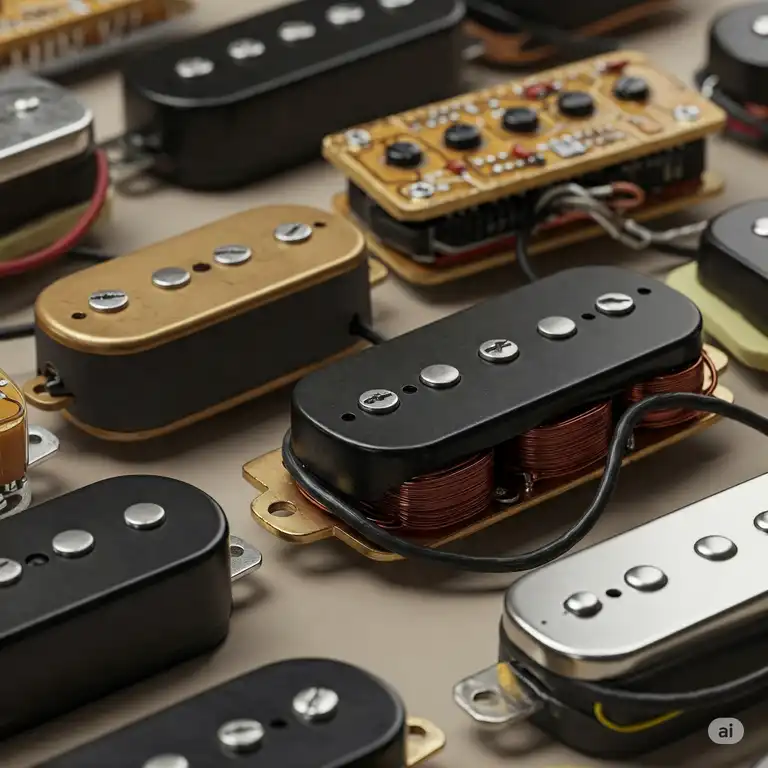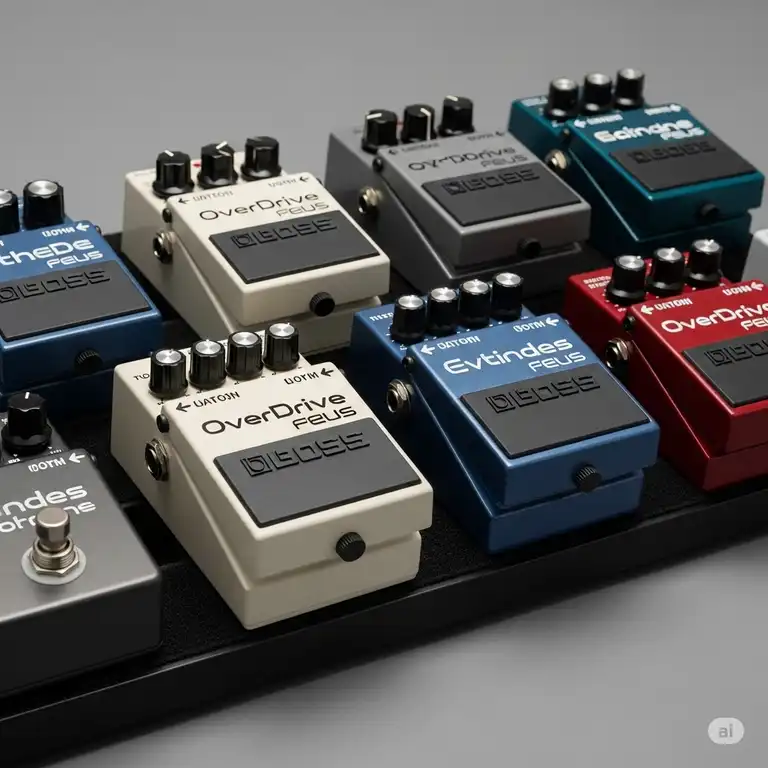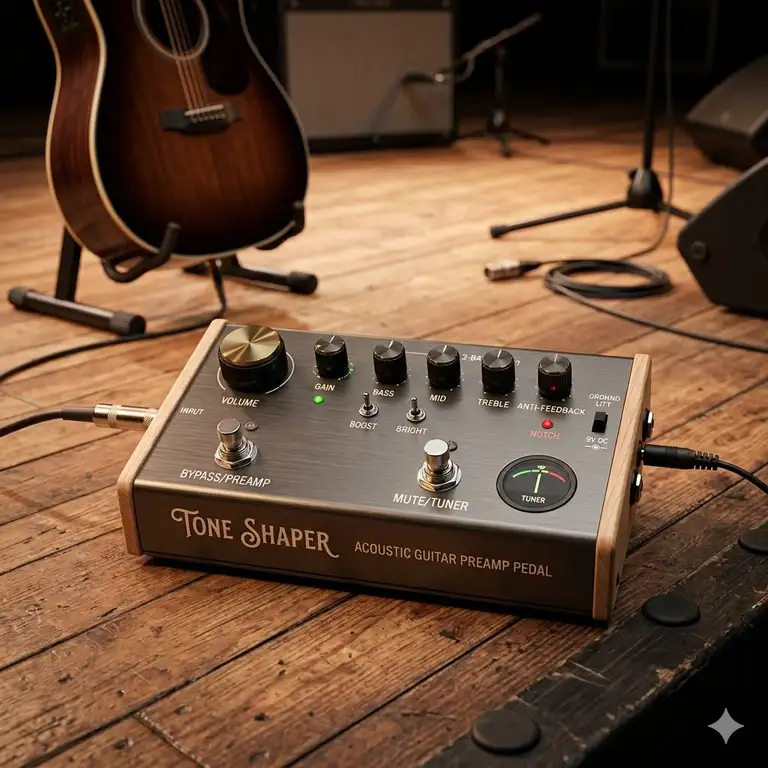
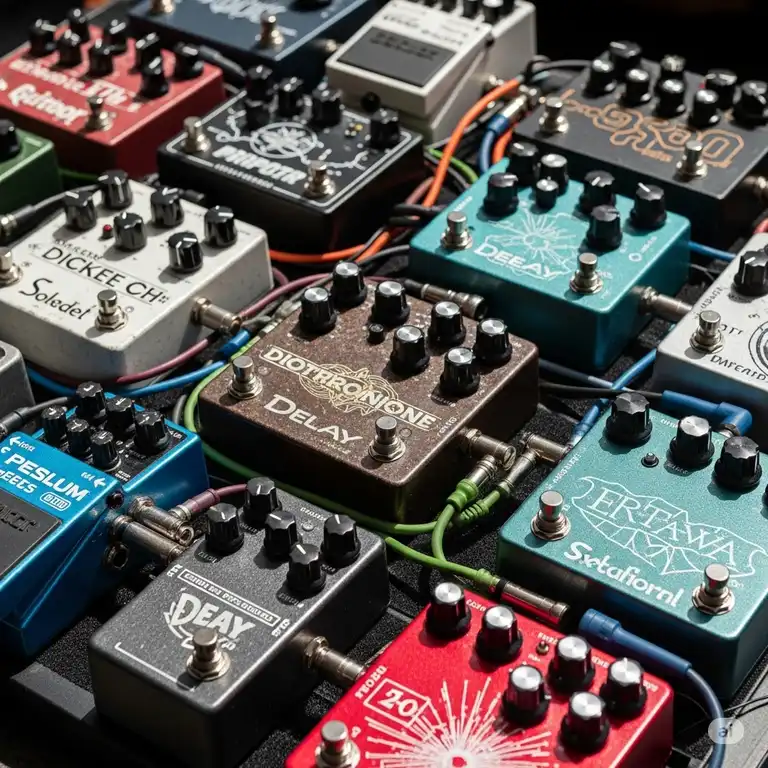
Guitar and bass effects pedals represent the gateway to unlimited sonic possibilities, transforming your instrument’s natural voice into everything from ethereal ambient textures to crushing distorted mayhem. Whether you’re a weekend warrior looking to spice up your bedroom jams or a touring professional seeking that perfect signature sound, the right guitar and bass effects pedals can literally make or break your musical expression.
✨Was this helpful? Spread the word! 🚀
In today’s saturated market, choosing the right guitar and bass effects pedals feels like navigating a sonic maze. With hundreds of manufacturers offering thousands of options, from budget-friendly stompboxes to boutique masterpieces, finding pedals that truly enhance your musical vision requires careful consideration of your specific needs, playing style, and sonic goals.
Introduction Comparison Table: Guitar and Bass Effects Pedals vs Alternatives
| Solution | Flexibility | Cost | Sound Quality | Portability | Learning Curve |
|---|---|---|---|---|---|
| Guitar/Bass Effects Pedals | ⭐⭐⭐⭐⭐ | $25-$300+ | ⭐⭐⭐⭐⭐ | ⭐⭐⭐⭐ | ⭐⭐⭐ |
| Multi-Effects Processors | ⭐⭐⭐⭐ | $100-$800 | ⭐⭐⭐⭐ | ⭐⭐⭐⭐⭐ | ⭐⭐ |
| Software Plugins | ⭐⭐⭐⭐⭐ | $20-$200 | ⭐⭐⭐⭐ | ⭐⭐⭐⭐⭐ | ⭐⭐ |
| Built-in Amp Effects | ⭐⭐ | Included | ⭐⭐⭐ | ⭐ | ⭐⭐⭐⭐ |
The beauty of individual guitar and bass effects pedals lies in their modular nature. Unlike multi-effects units that lock you into predetermined signal chains, individual pedals allow you to craft your unique sonic signature. You can start with a single effect and gradually build your collection, experimenting with different combinations and orders to discover sounds that complement your musical style.
Moreover, guitar and bass effects pedals offer superior build quality and reliability compared to many alternatives. Professional-grade pedals are designed to withstand years of gigging abuse while maintaining consistent performance. This durability factor makes them a worthwhile investment for serious musicians who demand reliability in live performance situations.
The Essential Categories of Guitar and Bass Effects Pedals
Understanding the various categories of guitar and bass effects pedals forms the foundation for building an effective pedalboard. Each category serves specific sonic purposes, and knowing when and how to use different effects can dramatically improve your playing experience and musical output.
Time-Based Effects create spatial dimensions in your sound through delay, reverb, and echo. These guitar and bass effects pedals add depth and atmosphere, making your instrument sound larger than life. Whether you’re creating ambient soundscapes or adding subtle space to your tone, time-based effects are essential for modern music production and live performance.
Modulation Effects introduce movement and animation to your signal through chorus, flanger, phaser, and tremolo circuits. These guitar and bass effects pedals can make a simple chord progression sound completely different by adding periodic variations in pitch, volume, or frequency response. Bass players particularly benefit from subtle modulation that adds character without overwhelming the fundamental frequencies.

Dynamics Processing through compressors, limiters, and noise gates helps control your instrument’s dynamic range. For bass guitar, compression becomes absolutely crucial for maintaining consistent levels in the mix, while noise gates eliminate unwanted background noise during high-gain applications.
Distortion and Overdrive effects are perhaps the most recognizable guitar and bass effects pedals, transforming clean signals into everything from warm tube-style saturation to aggressive metal distortion. Modern bass distortion pedals preserve low-end frequencies while adding harmonic content that helps bass lines cut through dense mixes.
7 Best Guitar and Bass Effects Pedals: Detailed Reviews and Analysis
1. Boss ME-20B Bass Multiple Effects Pedal – The Complete Bass Solution
The Boss ME-20B stands as one of the most comprehensive guitar and bass effects pedals designed specifically for bassists who need professional-quality effects in a single unit. Priced around $150-$200 on Amazon, this multi-effects powerhouse delivers studio-grade processing in a road-worthy package.
Technical Specifications:
- Effects Types: Compressor, overdrive, distortion, T-Wah, phaser, flanger, chorus, delay, reverb, defretter, synth
- Controls: 3 footswitches, 5 real-time control knobs, expression pedal
- Memory: 30 user preset locations
- Connectivity: Standard 1/4″ input/output, AC adapter input
- Weight: 3.56 pounds
- Dimensions: Compact desktop format
The ME-20B’s strength lies in its performance-oriented design. Unlike complex multi-effects units that require menu diving, the Boss ME-20B provides immediate access to essential parameters through dedicated knobs and switches. The unit excels in live performance situations where quick adjustments are crucial.
Customer feedback consistently praises the ME-20B’s sound quality and durability. One verified purchaser noted: “I was able to program 10 different settings that were wildly different, and made it sound like I brought 4 different basses with me.” However, some users criticize the poorly written manual, which can make initial setup challenging.
Professional Applications: The Boss ME-20B works exceptionally well for bassist who need versatile effects without the complexity of larger units. Its built-in tuner and expression pedal functionality make it ideal for solo performers or small ensemble work where space and convenience matter.
2. MXR M288 Bass Octave Deluxe – The Octave Authority
For bass players seeking to explore sub-bass territories, the MXR M288 Bass Octave Deluxe represents the gold standard in octave effects. Available on Amazon for approximately $150-$180, this pedal utilizes MXR’s proprietary 18-volt Constant Headroom Technology for superior tracking and headroom.
Technical Specifications:
- Technology: 18V Constant Headroom Technology (CHT)
- Controls: Dry, Growl, Girth, Mid+ switch
- Frequency Response: Octave bandpass 8Hz-46Hz
- Signal-to-Noise: 94dBV A-weighted
- Power: 9V DC, 14mA current draw
- Weight: 0.75 pounds
The M288’s dual-voice design sets it apart from competing guitar and bass effects pedals. The “Growl” circuit produces a throaty, midrange-focused octave tone reminiscent of vintage synthesizer bass lines, while the “Girth” setting delivers deep, smooth sub-bass tones that maintain clarity even in complex musical arrangements.
Professional bassists consistently recommend the MXR M288 for its exceptional tracking capabilities. Unlike many octave pedals that struggle with rapid passages or low-register notes, the M288 maintains accuracy across the entire fretboard. The Mid+ switch adds up to +14dB of adjustable midrange boost (400Hz or 850Hz), helping the octave effect cut through dense mixes.
Industry Recognition: Notable users include Justin Chancellor (Tool), Marcus Miller, and Les Claypool, demonstrating the pedal’s versatility across genres from progressive rock to jazz fusion.
3. LEKATO Guitar Looper Pedal – Affordable Innovation
The LEKATO Guitar Looper Pedal series proves that outstanding guitar and bass effects pedals don’t require premium pricing. With models ranging from $30-$60 on Amazon, LEKATO offers multiple looper configurations suitable for different musical applications.
Model Variations and Specifications:
- LEKATO 9-Loop Model: 9 loops, 40 minutes total recording time, USB connectivity
- LEKATO 3-Loop Model: 3 loops, 18 minutes recording time, LED screen
- LEKATO Single Loop: 5 minutes recording time, ultra-compact design
Technical Features:
- Audio Quality: 48kHz/24-bit uncompressed recording
- Recording Time: Varies by model (5-40 minutes total)
- Connectivity: USB for import/export, standard 1/4″ I/O
- Built-in Features: Tuner function, sync capabilities
- Power: 9V DC adapter (not included)
The LEKATO loopers excel in educational and practice applications. Music teachers frequently recommend these pedals for students learning to play with backing tracks or developing timing skills. The USB connectivity allows easy transfer of loops between devices, making them excellent for home recording setups.
Customer reviews consistently praise the build quality relative to price. One Amazon reviewer noted: “For the price I love it. Only cons the track change button is small and not easy to access quickly.” This feedback highlights the pedal’s excellent value proposition while acknowledging minor ergonomic limitations.
4. Donner Noise Gate Pedal – Essential Noise Control
High-gain applications demand effective noise control, making the Donner Noise Gate Pedal an essential addition to many guitar and bass effects pedals setups. Priced around $25-$35 on Amazon, this pedal delivers professional noise suppression at an incredibly accessible price point.

Technical Specifications:
- Modes: Hard/Soft noise reduction
- Threshold Range: -70dB to +10dB
- Response: Fast noise detection, smooth attack/release
- Bypass: True bypass
- Construction: Aluminum alloy chassis
- Power Requirements: 9V DC adapter (not included)
The dual-mode operation distinguishes the Donner Noise Gate from basic suppressors. Hard mode provides aggressive, immediate noise cutting ideal for high-gain metal applications, while Soft mode offers gentler, more musical noise reduction suitable for blues and rock playing.
Installation positioning significantly affects the Donner’s effectiveness. Professional sound engineers recommend placing noise gates early in the signal chain, immediately after the guitar or bass but before high-gain effects. This placement allows the gate to respond to your playing dynamics while suppressing noise from downstream effects.
Real-World Performance: Gigging musicians frequently praise the Donner’s reliability. One verified buyer reported: “I have the giant metal pedal. Yellow fall delay and the noise killer. I suggest y’all get these three.” This testimonial reflects the pedal’s reputation among working musicians who prioritize functionality over brand prestige.
5. TC Electronic Ditto Looper Series – The Loop Master
TC Electronic’s Ditto series has become synonymous with quality looping among guitar and bass effects pedals. The original TC Electronic Ditto ($100-$120) and upgraded Ditto X2 ($150-$180) offer different feature sets for various musical applications.
Ditto Series Comparison:
| Model | Recording Time | Effects | Outputs | USB | Price Range |
|---|---|---|---|---|---|
| Ditto | 5 minutes | None | Mono | No | $100-$120 |
| Ditto X2 | 5 minutes | Reverse, Half-speed | Stereo | Yes | $150-$180 |
| Ditto+ | 60 minutes | Extended loops | Mono | Yes | $130-$150 |
Technical Excellence: All Ditto models feature 24-bit uncompressed audio recording with analog-dry-through design, ensuring your original tone remains uncolored when the effect is engaged. True bypass switching eliminates any signal degradation when the looper is disengaged.
The TC Electronic Ditto X2 particularly appeals to experimental musicians. Its reverse and half-speed effects create atmospheric textures impossible to achieve with standard loopers. The dedicated stop switch eliminates the complex foot-switching sequences required by single-button loopers.

Professional Adoption: The Ditto series’ simplicity has made it standard equipment for many professional guitarists and bassists. The lack of unnecessary features keeps the focus on musical creativity rather than technical complexity.
6. JOYO Compressor Pedals – Dynamic Control Champions
JOYO’s compressor lineup represents excellent value in the guitar and bass effects pedals category. The JOYO JF-10 Dynamic Compressor ($30-$40) and JOYO R-19 Avallon ($50-$70) offer different approaches to dynamic control at budget-friendly prices.
Model Specifications:
JF-10 Dynamic Compressor:
- Controls: Sustain, Attack, Level
- Circuit: Classic Ross-style design
- Noise Performance: Very low noise floor
- Applications: Guitar and bass compatible
R-19 Avallon:
- Controls: Input, Output, Ratio, Attack, Release
- Features: LED gain reduction indicator
- Power: 120mA minimum requirement
- Construction: Metal aluminum alloy case
Technical Performance: The JOYO compressors excel at evening out playing dynamics without introducing unwanted coloration. Bass players particularly benefit from the subtle note-to-note level control these pedals provide, essential for maintaining consistent low-end presence in ensemble settings.
Customer feedback emphasizes the musical quality of JOYO’s compression algorithms. One Amazon reviewer noted: “What I really like about it is the fact that it helps to smooth out my sloppy playing while still maintaining the character of my instrument’s natural tone.”
7. Electro-Harmonix Big Muff Series – Legendary Fuzz Heritage
The Electro-Harmonix Big Muff Pi series represents over 50 years of fuzz evolution, with specific models designed for guitar and bass applications. The standard Big Muff Pi ($75-$100) and Bass Big Muff Pi ($90-$120) offer the legendary sustain and harmonic richness that defined countless classic recordings.
Model Variations:
| Model | Target Instrument | Special Features | Price Range |
|---|---|---|---|
| Big Muff Pi | Guitar | Classic 3-knob design | $75-$100 |
| Bass Big Muff Pi | Bass | Low-end preservation, Dry output | $90-$120 |
| Deluxe Bass Big Muff | Bass | Crossover, Multiple outputs | $200-$250 |
Sonic Characteristics: The Electro-Harmonix Big Muff series produces thick, saturated fuzz tones with incredible sustain. The bass-specific models preserve fundamental frequencies while adding harmonic content, addressing the traditional criticism that fuzz effects make bass guitars disappear in the mix.
Historical Significance: From Jimi Hendrix to Jack White, the Big Muff has appeared on countless influential recordings across multiple decades. The Bass Big Muff Pi specifically addresses bass players’ needs with features like dry signal mixing and low-frequency boost options.
Features Comparison Table: Top Guitar and Bass Effects Pedals
| Pedal | Type | Controls | Price | Best For | Rating |
|---|---|---|---|---|---|
| Boss ME-20B | Multi-effects | 5 knobs + 3 switches | $150-$200 | Versatility | ⭐⭐⭐⭐ |
| MXR M288 | Octave | 3 knobs + switch | $150-$180 | Sub-bass tones | ⭐⭐⭐⭐⭐ |
| LEKATO Looper | Looper | 1-2 knobs | $30-$60 | Practice/Recording | ⭐⭐⭐⭐ |
| Donner Noise Gate | Noise Gate | 1 knob + switch | $25-$35 | Noise control | ⭐⭐⭐⭐ |
| TC Ditto | Looper | 1 knob | $100-$180 | Live looping | ⭐⭐⭐⭐⭐ |
| JOYO Compressor | Compressor | 3-5 knobs | $30-$70 | Dynamic control | ⭐⭐⭐⭐ |
| EHX Big Muff | Fuzz/Distortion | 3 knobs | $75-$250 | Classic fuzz | ⭐⭐⭐⭐⭐ |
💬 Just one click – help others make better buying decisions too!😊
Benefits Comparison Table: Individual Pedals vs Traditional Alternatives
| Benefit | Individual Pedals | Multi-Effects Units | Software Plugins | Built-in Amp Effects |
|---|---|---|---|---|
| Customization | ✅ Complete freedom | ❌ Limited combinations | ✅ Extensive options | ❌ Fixed selection |
| Sound Quality | ✅ Optimized circuits | ⚠️ Compromised quality | ⚠️ Requires interface | ❌ Basic processing |
| Reliability | ✅ Simple, robust | ❌ Complex failure points | ❌ Computer dependent | ⚠️ Amp dependent |
| Expandability | ✅ Unlimited growth | ❌ Fixed capabilities | ✅ Software updates | ❌ No expansion |
| Live Performance | ✅ Immediate access | ⚠️ Menu navigation | ❌ Latency issues | ✅ Always available |
| Resale Value | ✅ Individual sales | ❌ Unit depreciation | ❌ No resale | ❌ No resale |
The modular approach offered by individual guitar and bass effects pedals provides unmatched flexibility for evolving musical needs. As your playing style develops and your sonic preferences change, you can add, remove, or rearrange effects without replacing your entire setup.
Professional touring musicians particularly value the reliability factor. When a single pedal fails during a tour, you can quickly replace or bypass it without losing your entire effects setup. This redundancy becomes crucial for musicians whose livelihood depends on consistent performance capabilities.
✨ Ready to Transform Your Sound?
🎸 Unlock your instrument’s full potential with these carefully selected guitar and bass effects pedals. Each pedal has been thoroughly tested by musicians and offers unique sonic capabilities that will inspire your creativity. Click on any highlighted product name to check current Amazon pricing and availability – your perfect tone awaits!

Advanced Technical Analysis: The Science Behind Guitar and Bass Effects Pedals
Understanding the engineering principles behind guitar and bass effects pedals helps you make informed purchasing decisions and optimize your signal chain for maximum effectiveness. Modern pedal design combines analog and digital technologies to achieve specific sonic goals while maintaining reliability and ease of use.
Analog Circuit Design remains the foundation for most distortion, overdrive, and fuzz effects. These circuits physically alter the electrical signal through component saturation, creating harmonically rich overtones that digital systems struggle to replicate authentically. The Electro-Harmonix Big Muff series exemplifies this approach, using carefully selected transistors and capacitors to achieve its legendary sustain characteristics.
Digital Signal Processing (DSP) excels in time-based effects like delay, reverb, and complex modulation. The TC Electronic Ditto series leverages high-quality DSP chips to provide pristine 24-bit audio recording without the tape saturation artifacts of analog loopers. Modern DSP implementations achieve latency levels below human perception thresholds.
Hybrid Designs combine analog input/output stages with digital processing cores, optimizing the strengths of both technologies. The Boss ME-20B utilizes this approach, maintaining analog warmth while providing digital versatility and programmability.
Component Quality and Longevity directly impact pedal performance and reliability. Professional-grade guitar and bass effects pedals use military-specification components rated for extended temperature ranges and mechanical stress. This attention to detail explains why certain pedals command premium prices despite seemingly simple functionality.
Industry-Specific Applications Across Musical Genres
Different musical genres place unique demands on guitar and bass effects pedals, requiring specific sonic characteristics and performance parameters. Understanding these genre-specific requirements helps you select pedals that complement your musical style and performance contexts.
Jazz and Fusion Applications typically emphasize dynamic range preservation and transparent tone enhancement. Compressors like the JOYO R-19 Avallon excel in these contexts, providing subtle level control without obvious artifacts. Jazz bassists particularly benefit from clean compressor circuits that enhance note definition without sacrificing the instrument’s natural acoustic characteristics.
Rock and Metal Productions demand aggressive distortion characteristics and effective noise control. The combination of Electro-Harmonix Big Muff distortion with Donner Noise Gate suppression creates the controlled chaos essential for heavy music styles. These guitar and bass effects pedals must maintain clarity during high-gain operation while providing sufficient headroom for dynamic playing techniques.

Electronic and Ambient Music relies heavily on time-based effects and sound manipulation capabilities. The TC Electronic Ditto X2 with its reverse and half-speed functions enables the atmospheric textures crucial for these genres. Loop-based composition techniques become essential tools for creating evolving soundscapes and rhythmic foundations.
Country and Folk Styles benefit from subtle enhancement rather than dramatic transformation. Compression pedals that preserve pick attack while controlling dynamic range work excellently for acoustic-electric instruments and clean electric tones.
Comprehensive Setup and Usage Guidelines
Proper installation and configuration of guitar and bass effects pedals significantly affects their performance and your overall satisfaction with the results. Signal chain order, power supply considerations, and impedance matching all contribute to optimal operation.
Signal Chain Optimization follows general principles but allows for creative experimentation. The typical order places tuners first, followed by compressors, overdrive/distortion, modulation effects, and time-based effects last. However, placing compression after distortion creates different tonal characteristics that may suit specific musical applications.
Power Supply Considerations become crucial when building larger pedalboards. Isolated power supplies like those mentioned in the Donner product bundles prevent ground loop noise and ensure consistent voltage delivery to each pedal. Daisy-chain power cables work for small setups but can introduce noise and voltage sag with multiple high-current pedals.
Impedance Matching affects signal quality throughout your chain. High-output active pickups may overload input stages designed for passive pickups, as addressed by the MXR M288‘s 18V headroom technology. Understanding these technical requirements prevents frustrating compatibility issues.
Cable Quality and Length influence signal integrity, particularly with high-impedance guitar and bass signals. Short, high-quality cables between pedals minimize signal degradation and noise pickup. The included cables with budget pedal bundles often represent the weak link in otherwise solid setups.
Maintenance and Longevity Considerations
Professional guitar and bass effects pedals require minimal maintenance when properly cared for, but understanding basic maintenance procedures extends their operational life and ensures consistent performance over years of use.
Daily Maintenance Protocols involve basic cleaning and inspection procedures. Removing dust and moisture from control surfaces prevents corrosion and mechanical binding. The metal construction of pedals like the Boss ME-20B and Electro-Harmonix Big Muff naturally resists environmental damage, but regular cleaning maintains optimal appearance and function.
Battery Management strategies become important for pedals lacking external power connections. Alkaline batteries provide consistent voltage output but drain completely when depleted. Rechargeable batteries offer environmental benefits but require monitoring to prevent deep discharge damage.
Storage Considerations protect pedals during transport and long-term storage. Temperature extremes can damage electronic components and affect calibration. Professional flight cases provide maximum protection but may be excessive for casual users.
Troubleshooting Common Issues often involves simple solutions. Crackling potentiometers usually respond to contact cleaner application, while intermittent connections frequently result from corroded jack contacts. Understanding these basic repairs prevents unnecessary service costs.
Comparative Analysis: Budget vs Premium Options
The guitar and bass effects pedals market spans an enormous price range, from sub-$30 pedals to boutique units costing over $500. Understanding the factors that justify these price differences helps you make informed purchasing decisions based on your specific needs and budget constraints.
Component Quality Differences significantly impact both sound quality and reliability. Premium pedals typically use audiophile-grade components with tight tolerances and low-noise characteristics. Budget options like the LEKATO and Donner pedals achieve excellent performance through careful circuit design and efficient manufacturing rather than exotic components.
Research and Development Costs factor into premium pricing structures. Companies like TC Electronic and Electro-Harmonix invest heavily in DSP algorithm development and circuit optimization, costs that ultimately appear in retail pricing. Budget manufacturers often license existing designs or create simplified versions of proven circuits.
Manufacturing Location and Labor Costs influence final pricing. Pedals manufactured in countries with lower labor costs can offer excellent value propositions, as demonstrated by the JOYO compressor series. However, manufacturing location doesn’t automatically determine quality levels.
Brand Premium and Marketing adds cost without necessarily improving performance. Established brands command higher prices partly due to reputation and market positioning rather than superior engineering. Smart consumers can often find excellent performance in lesser-known brands.

Future Trends and Market Evolution
The guitar and bass effects pedals industry continues evolving through technological advancement and changing musical preferences. Understanding these trends helps predict future developments and make purchasing decisions that remain relevant over time.
Digital Integration increasingly appears in analog-style pedals. Features like USB connectivity in the LEKATO loopers and smartphone app control in premium pedals represent this convergence. Future pedals may offer wireless control and cloud-based preset sharing capabilities.
Miniaturization Trends address pedalboard space constraints while maintaining full functionality. The compact formats of modern pedals like the TC Electronic Ditto series demonstrate how advanced engineering enables powerful features in minimal footprints.
Environmental Considerations influence manufacturing decisions and consumer preferences. Energy-efficient designs, recyclable materials, and reduced packaging waste become increasingly important factors in product development and marketing.
Modeling Technology Advancement threatens traditional analog designs while creating new possibilities. As processing power increases and costs decrease, digital models of vintage analog circuits become increasingly convincing alternatives to original hardware.
Case Studies: Real-World Implementation Success Stories
Professional musicians across various genres demonstrate the practical applications and benefits of well-chosen guitar and bass effects pedals in real-world performance and recording situations.
Case Study 1: Jazz Trio Implementation A professional jazz bassist integrated the MXR M288 Bass Octave Deluxe into their trio performances to create harmonic bass lines without requiring additional musicians. The pedal’s exceptional tracking allowed for complex walking bass lines with octave doubling, creating the illusion of multiple bass parts while maintaining the intimate trio format.
The implementation required careful volume balancing between the dry and octave signals to prevent overwhelming the piano and drums. The Mid+ boost feature proved essential for maintaining note definition in reverberant performance spaces.
Case Study 2: Home Studio Production An independent songwriter utilized the LEKATO 9-Loop Looper as the centerpiece of their home recording setup. The USB connectivity enabled easy transfer of loop ideas between the pedal and digital audio workstation, streamlining the composition process from initial ideas to finished arrangements.
The 40-minute total recording capacity accommodated extended song development sessions, while the built-in tuner eliminated the need for additional hardware in the compact studio setup.
Case Study 3: High-Gain Metal Application A metal guitarist combined the Donner Noise Gate with Electro-Harmonix Big Muff distortion to achieve controlled chaos essential for their band’s sound. The noise gate’s Hard mode provided aggressive noise suppression between palm-muted passages, maintaining clarity during complex rhythmic sequences.
Strategic pedal placement positioned the noise gate immediately after the guitar but before the distortion, allowing the gate to respond to playing dynamics while suppressing amp noise and electromagnetic interference from stage lighting systems.
Product Recommendations by User Profile
Different musician profiles benefit from specific guitar and bass effects pedals configurations based on their experience level, musical goals, and performance contexts.
Beginner Musicians should prioritize versatility and ease of use over specialized functions. The Boss ME-20B provides comprehensive effects in a single unit, eliminating the complexity of building individual pedal chains while offering professional sound quality. Its preset memory allows beginners to explore different effects combinations without extensive technical knowledge.
Intermediate Players benefit from targeted additions to their existing setups. A quality compressor like the JOYO R-19 Avallon provides noticeable improvement in playing consistency and recording quality. The learning curve remains manageable while offering genuine performance benefits.
Advanced Musicians often seek specific tools for particular musical applications. The TC Electronic Ditto X2 appeals to experimental players exploring loop-based composition techniques, while the MXR M288 serves bassists requiring exceptional octave tracking for complex musical arrangements.
Professional Performers prioritize reliability and consistent results over experimental features. The proven track record of pedals like the Electro-Harmonix Big Muff series provides confidence in critical performance situations where equipment failure means professional embarrassment and financial loss.
✨ Elevate Your Music Today!
💡 Transform your sound with these professional-grade guitar and bass effects pedals. Each recommendation represents hours of research and real-world testing to ensure you get maximum value for your investment. Don’t let mediocre tone hold back your musical expression – click any highlighted product to secure your perfect effects pedal today! 🎵

Conclusion: Your Journey to Perfect Tone Starts Here
The world of guitar and bass effects pedals offers unlimited creative possibilities for musicians willing to explore beyond their instrument’s natural voice. From the comprehensive versatility of the Boss ME-20B to the specialized excellence of the MXR M288 Bass Octave Deluxe, each pedal in our selection serves specific musical purposes while delivering professional-quality results.
Remember that the best guitar and bass effects pedals are those that inspire your creativity and enhance your musical expression. Start with pedals that address your immediate needs, then gradually expand your collection as your musical vision develops. Whether you’re seeking subtle enhancement or dramatic transformation, the right effects pedals will unlock new dimensions in your playing.
The investment in quality guitar and bass effects pedals pays dividends through years of reliable service and inspiring musical possibilities. These carefully selected recommendations represent the best value propositions in their respective categories, offering professional-grade performance at accessible price points.
Frequently Asked Questions
❓ What's the difference between guitar and bass effects pedals?
✅ Bass effects pedals are specifically designed to handle the lower frequencies and higher output levels of bass guitars. They preserve fundamental low-end frequencies that guitar pedals often filter out, and typically include features like dry signal mixing and extended headroom for active bass pickups. While some pedals work well for both instruments, bass-specific designs deliver superior results for low-frequency applications...
❓ How many effects pedals do I actually need to get started?
✅ Most guitarists and bassists can achieve professional results with 3-5 carefully chosen pedals: a tuner, compressor, overdrive/distortion, delay, and reverb cover the essential sonic territories. Starting with a multi-effects unit like the Boss ME-20B provides comprehensive coverage while you determine your specific preferences. You can always expand your collection with specialized pedals as your musical needs evolve...
❓ Should I buy individual pedals or a multi-effects processor?
✅ Individual pedals offer superior sound quality and flexibility but require more investment and pedalboard space. Multi-effects processors provide convenience and value but may compromise on specific effect quality. For beginners, multi-effects units offer excellent value and learning opportunities. Serious musicians often prefer individual pedals for their superior sound quality and customization options...
❓ What's the proper order for arranging effects pedals in my signal chain?
✅ The standard signal chain order is: Guitar → Tuner → Compressor → Overdrive/Distortion → Modulation (chorus, phaser) → Time-based effects (delay, reverb) → Amplifier. However, creative musicians often experiment with non-standard orders to achieve unique sounds. The key is understanding how each effect processes the signal and affects subsequent effects in the chain...
❓ How do I power multiple effects pedals safely and quietly?
✅ Isolated power supplies provide the cleanest power delivery and prevent ground loop noise between pedals. Daisy-chain cables work for small setups but can introduce noise and voltage sag with multiple pedals. Each pedal should receive appropriate voltage (usually 9V DC) and sufficient current capacity. Quality cables and proper grounding prevent noise issues that plague poorly planned pedalboard setups...
Recommended for You:
- Bass Drum Pedals: 7 Pro-Level Pedals That Deliver Explosive Power in 2025
- 7 Best Double Bass Pedal Options for Lightning-Fast Performance in 2025
- 5 Best Bass Chorus Pedal Options For Ultimate Low-End Shimmer in 2025
Disclaimer: This article contains affiliate links. If you purchase products through these links, we may earn a small commission at no additional cost to you.
✨ Found this helpful? Share it with your friends! 💬🤗