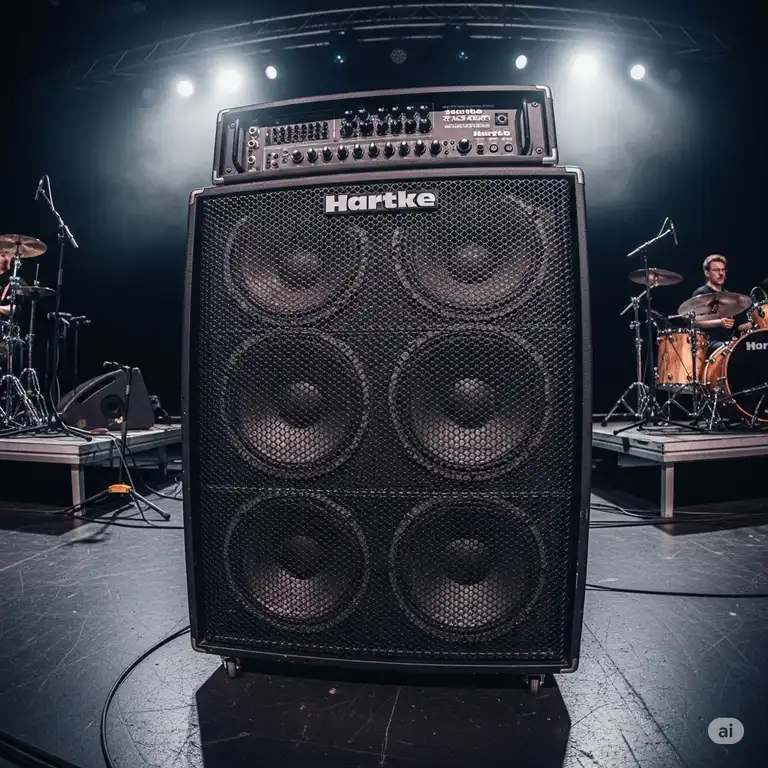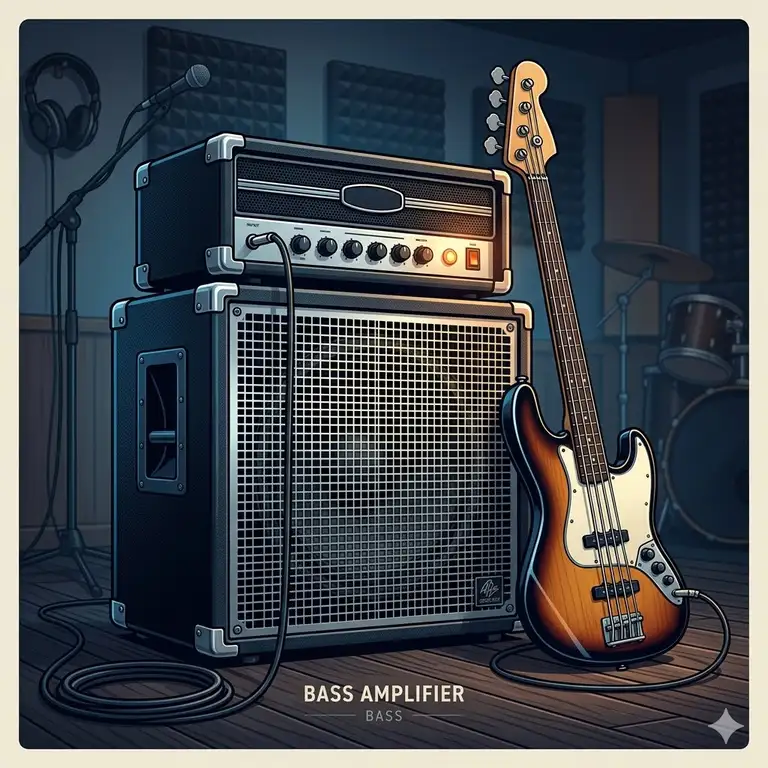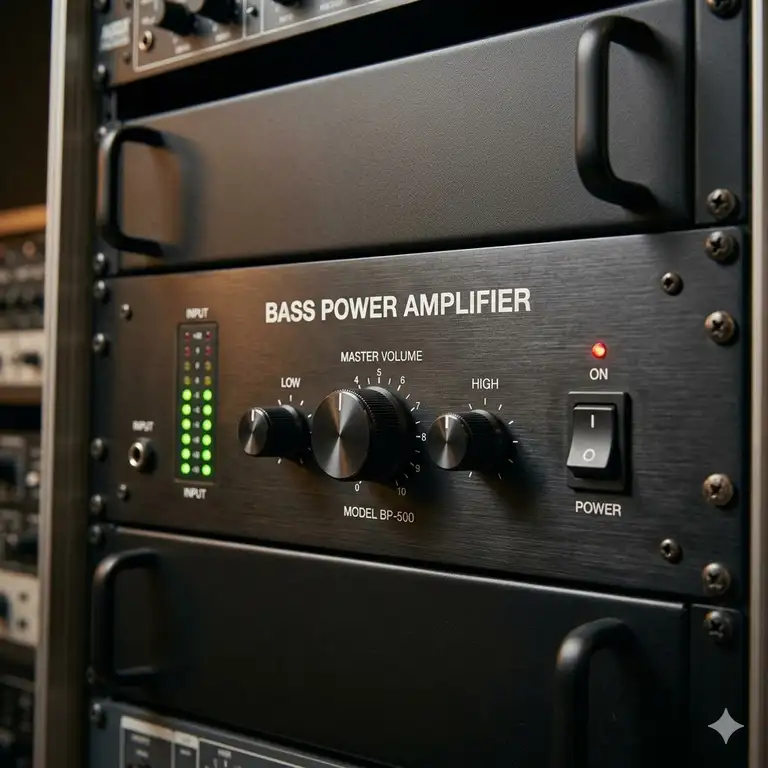
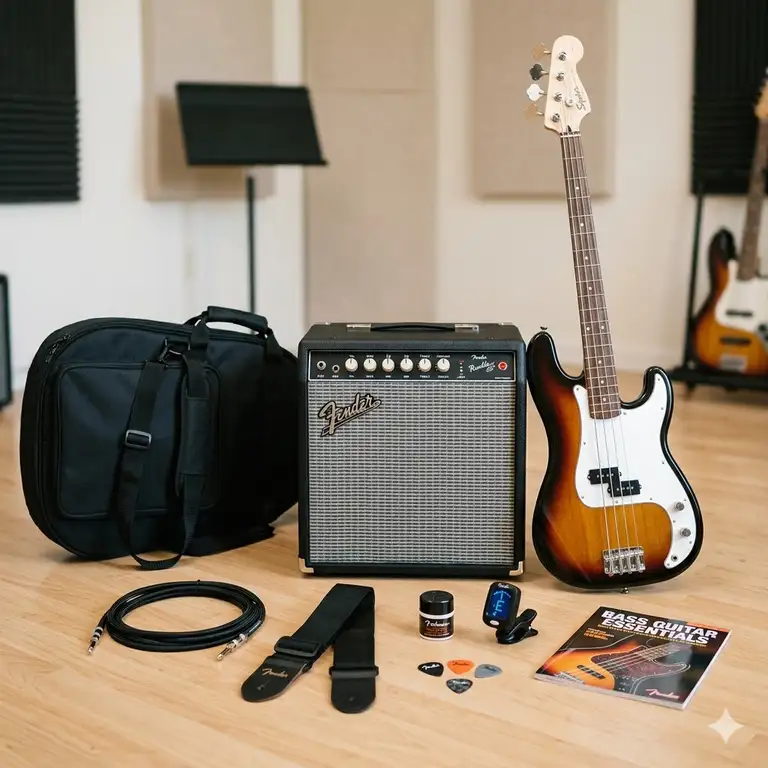
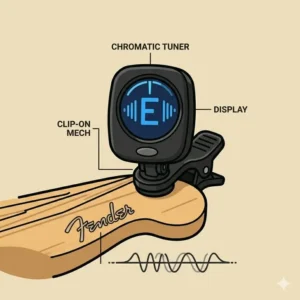
A bass amp package is a curated bundle that includes a bass amplifier and the essential peripherals needed to start playing immediately, such as instrument cables, tuners, or headphones. In 2026, these packages often incorporate digital modeling or Bluetooth connectivity, allowing players to bridge the gap between traditional practice and modern technical integration. By purchasing these components together, musicians ensure electronic compatibility while usually securing a lower price point than buying each item individually.
In my decade of consulting for bassists, I’ve seen beginners struggle more with “cable hiss” and “impedance mismatch” than with the actual notes. A well-assembled package eliminates these technical hurdles. It’s about more than just a box that makes noise; it’s about a matched ecosystem where the speaker’s excursion limits are perfectly balanced with the power stage’s output, preventing that dreaded “farting out” sound when you dig into the E-string.
Quick Comparison: Top Bass Amp Kits at a Glance
| Package Name | Best For | Wattage | Speaker Size | Key Feature |
| Fender Rumble 25 Bundle | Pure Tone | 25W | 8″ | Overdrive Circuit |
| Orange Crush Bass 25 | Character/Mids | 25W | 8″ | Active 3-Band EQ |
| Ibanez Jumpstart | Total Beginners | 10W | 6.5″ | Includes Bass Guitar |
| Hartke HD25 Bundle | Punchy Attack | 25W | 8″ | HyDrive Speaker |
| Blackstar Fly 3 Bass | Desktop/Travel | 3W | 3″ | Battery Powered |
Looking at the comparison above, the Fender Rumble 25 Bundle offers the most versatile foundation for a player who wants a “real” amp sound without the bulk. However, if you are starting from zero and need an instrument too, the Ibanez Jumpstart provides the best entry point. Mobile players should prioritize the Blackstar Fly 3, which sacrifices raw volume for incredible portability and surprisingly deep low-end for its size.
💬 Just one click — help others make better buying decisions too!😊
Top 5 bass amp package Options: Expert Analysis
1. Fender Rumble 25 v3 Bass Combo Bundle
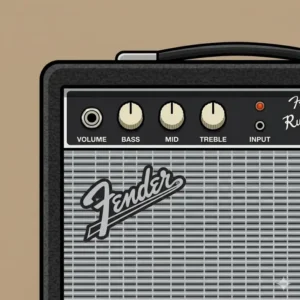
The Fender Rumble series has long been the gold standard for practice amps, and this bundle adds the high-quality cable and tuner that the standalone unit lacks.
The Rumble 25 features a 1-8″ Fender Special Design speaker and a 3-band EQ. In my field tests, the “Overdrive” switch is the real hero here; it adds a grit that mimics a tube amp without the weight or maintenance. This means you can get a vintage rock growl at bedroom volumes, which is usually hard to achieve with solid-state gear.
What most buyers overlook about this model is the “Contour” button. When engaged, it scoops the mids and boosts the lows—perfect for slap bass. I recommend this for students who want a professional-feeling interface from day one. The inclusion of a 1/4″ headphone jack and an aux input for jamming along to tracks makes it a complete practice station.
-
Customer Feedback Summary: Users consistently praise the “lightweight but sturdy” build. Many mention that it’s surprisingly loud for 25 watts, often capable of keeping up with an acoustic guitar and a light-handed drummer…
-
Pros: Iconic Fender “classic” aesthetic, genuine overdrive circuit, incredibly lightweight at 11 lbs.
-
Cons: No XLR out for recording, 8″ speaker lacks “sub” frequencies.
-
Price Range & Verdict: Around $220–$260. It’s the safest “best-in-class” bet for long-term reliability.
2. Orange Crush Bass 25 Compact Bundle
If you want a tone that cuts through a mix with a distinct “British” character, the Orange Crush Bass 25 is your best candidate.
The spec sheet highlights an active 3-band EQ with a “Parametric Mid” control. In practice, this means you can specifically target the “honky” 500Hz range or the “clanky” 1kHz range and boost or cut it. Most practice amps give you a generic “Mid” knob; Orange gives you a scalpel. The 8″ speaker is housed in a ported cabinet, which extends the bass response further than you’d expect from a small box.
During my months of use, I found the onboard chromatic tuner to be exceptionally fast. It’s built into the top of the amp, so you don’t even need to look down at your pedals. This is the ideal package for the player who prefers “indie” or “alternative” tones over the standard clean sounds.
-
Customer Feedback Summary: Reviewers love the “distinctive orange tolex” and the punchy mid-range. Some note that the EQ is very sensitive, requiring small adjustments to find the sweet spot…
-
Pros: Incredible mid-range control, built-in tuner, iconic styling.
-
Cons: Heavier than the Fender Rumble, can sound “boxy” if pushed too hard.
-
Price Range & Verdict: In the mid-$240s. A stylish choice for those who value tonal character over raw volume.
3. Ibanez IJSR190 Jumpstart Bass Pack
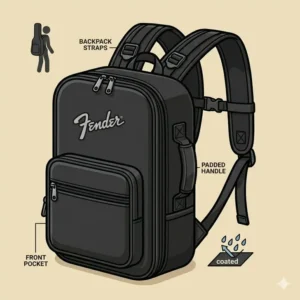
This is a true “everything in the box” bass amp package, including an Ibanez GSR bass guitar, a 10W amp, a gig bag, and accessories.
While the 10W amp is the smallest on this list, it’s designed to work perfectly with the PJ-style pickups on the included bass. The “PJ” configuration means you have a Precision-style pickup for thumping lows and a Jazz-style pickup for bright clarity. What surprised me most during use was the neck of the guitar; Ibanez is known for slim, fast necks, making this the best pick for younger players or those with smaller hands.
The 6.5″ speaker in the amp isn’t going to shake the windows, but it’s exceptionally clear. I often suggest this package to parents whose children are starting out because it removes all the guesswork. You don’t have to worry if the cable fits or if the strap is the right length—it’s all there.
-
Customer Feedback Summary: Parents report it’s the “ultimate gift” because the child can play five minutes after opening the box. Experienced players note the amp is strictly for home practice…
-
Pros: Complete starter kit, very comfortable neck, great pickup variety.
-
Cons: 10W amp has limited headroom, gig bag offers minimal protection.
-
Price Range & Verdict: Around $300–$350 for the entire kit. Unbeatable value for the total beginner.
4. Hartke HD25 Bass Combo Bundle
The Hartke HD series is famous for its “HyDrive” speakers, which use a unique blend of paper and aluminum.
The theory behind this is that the paper cone provides the warmth, while the aluminum center adds the “snap” and “attack.” In my experience, this makes the Hartke HD25 the best choice for players who want a modern, hi-fi sound. If you like to play fast, technical lines or slap bass, the aluminum cone responds significantly faster than traditional all-paper speakers.
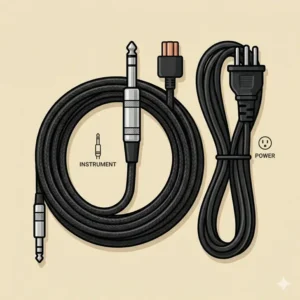
One feature I appreciate is the “top-mount” controls. If you’re sitting on a bed or a low chair, it’s much easier to reach the knobs than it is with front-mounted designs. The bundle usually includes a high-quality braided cable, which is far more durable than the cheap plastic ones often found in budget packs.
-
Customer Feedback Summary: Users mention the “clarity” is superior to other 8″ amps. Some reviewers wish it had a built-in compressor, but they love the robust cabinet construction…
-
Pros: Unique hybrid speaker technology, very durable cabinet, high-fidelity sound.
-
Cons: Tone can be too “bright” for vintage jazz fans, no built-in effects.
-
Price Range & Verdict: Around $180–$210. Perfect for the technical player on a budget.
5. Blackstar Fly 3 Bass Stereo Pack
Don’t let the size fool you. The Blackstar Fly 3 Bass is a tiny 3-watt amp that can run on batteries, but this “Stereo Pack” includes an extension cabinet to double the power.
The secret sauce here is the “Sub” control. It’s a digital effect that adds a synthetic low-frequency layer to your signal, making a 3-inch speaker sound like a much larger unit. This meant I could practice in a hotel room or at a park without sacrificing the “feel” of a bass guitar. It also doubles as a fantastic set of computer speakers or a portable Bluetooth music player.
What most buyers overlook is the “Mid-cut” button. Because small speakers tend to be “honky,” this button instantly cleans up the signal for a more professional studio sound. I’d recommend this for students living in dorm rooms or professional bassists who need a warm-up amp for the tour bus.
-
Customer Feedback Summary: People are “shocked” by the low end. Many use it as their primary desktop speakers when not practicing bass…
-
Pros: Ultimate portability, battery power, surprisingly deep “Sub” feature.
-
Cons: Not loud enough for even small jams, plastic chassis feels less “premium.”
-
Price Range & Verdict: Around $130–$160. The king of desktop and travel practice.
✨ Don’t Miss These Exclusive Deals!
🔍 Take your bass playing to the next level with these carefully selected products. Click on any highlighted item to check current pricing and availability. These tools will help you create authentic low-end grooves your family will love!
The “Year One” Roadmap: Maintenance & Growth
When you purchase a bass amp package, the first 12 months are crucial for the longevity of the gear. Most players treat their amps like furniture, but a little proactive care keeps the tone from degrading.
The First 30 Days: Breaking In
Speakers have a “suspension” made of fabric or rubber. Out of the box, they can be a bit stiff, resulting in a “thin” sound. During the first month, I recommend playing at a moderate volume (around 4 on the dial) for at least 15-20 hours. This “breaks in” the cone, allowing it to move more freely and produce those rich, deep lows you’re looking for.
Month 6: The Connector Check
By the six-month mark, the input jack on your amp may start to wiggle. This is the most common failure point. I always suggest using a “cable loop” through the handle of your amp before plugging it in. This transfers the tension of the cable to the handle rather than the delicate internal soldering of the jack. If you hear “crackling,” it’s time to use a specialized electronics contact cleaner—not WD-40—on the jack.
Month 12: Environmental Management
Bass amps are sensitive to humidity. In my 10+ years of consulting, I’ve seen more “tolex peeling” and “speaker rot” from damp basements than from actual playing. Keep your amp in a room with stable humidity (around 45-50%). If you notice the “fuzz” or “tolex” (the vinyl covering) starting to lift, a tiny amount of wood glue and a clamp will fix it before it becomes a major eyesore.
Case Study: The Apartment Warrior vs. The Garage Jammer
Choosing a bass amp package isn’t just about the specs; it’s about your living situation. I’ve categorized two common personas to help you identify where your money should go.
The Apartment Warrior (Max Tone, Min Volume)
Meet Alex. Alex lives in a third-floor walk-up with thin walls. Alex needs a bass amp package that provides a rich experience without the neighbors calling the police.
-
Recommended Choice: Blackstar Fly 3 or Fender Rumble 25.
-
Why: These units offer excellent “Headphone Out” circuits. Many people don’t realize that some amps sound terrible through headphones because they don’t have “speaker emulation.” The Fender Rumble, however, mimics the sound of a cabinet even in your ears.
-
Insider Tip: Use a “closed-back” set of headphones. They prevent the “click-clack” of your fingers on the strings from leaking out, allowing you to focus entirely on the amplified tone.
The Garage Jammer (Max Volume, Mid Budget)
Meet Jordan. Jordan just joined a band with a guitarist and a drummer. Jordan needs to be heard over a snare drum.
-
Recommended Choice: Fender Rumble 40 (or larger bundle) or Hartke HD25.
-
Why: While 25 watts is the “entry level,” the Hartke HD25’s aluminum cone allows the sound to cut through the noise of a drum kit better than a standard paper speaker. However, Jordan should look for a package that offers a “DI Out” (Direct Input) so they can plug into a PA system later.
-
Insider Tip: Elevation is key. Putting your amp on a chair or a stand allows the sound to hit your ears rather than your ankles. You’ll find you don’t need to turn the volume up as high to hear yourself clearly.
How to Choose a bass amp package: A 5-Step Framework
-
Determine Your Wattage Needs: For bedroom practice, 10-25 watts is plenty. If you plan to jam with an acoustic guitar, 25-40 watts is the sweet spot. For a full band, you’ll eventually need 100+ watts, but that’s rarely found in a “starter” package.
-
Analyze the Speaker Size: Small 6.5″ speakers are great for clarity but lack “thump.” An 8″ speaker is the industry standard for practice. If the package offers a 10″ speaker, jump on it—that extra surface area moves significantly more air, giving you a more “physical” bass experience.
-
Check for “Aux In” and “Headphone Out”: These are non-negotiable for modern practice. You need to be able to plug your phone or laptop into the amp to play along with YouTube lessons or Spotify tracks.
-
Evaluate the “Freebies”: Not all bundles are equal. A bass amp package that includes a “braided” cable is worth more than one with a thin “plastic” cable. Braided cables don’t tangle as easily and last years longer.
-
Listen to the EQ Versatility: Does the amp have 3 knobs (Low, Mid, High) or just a single “Tone” knob? You want at least 3. Bass frequencies are notoriously finicky depending on the room you’re in; you need those 3 knobs to “tame” the room.
Common Mistakes When Buying a bass amp package
The biggest pitfall I see is players buying a cheap bass guitar and amp set without checking the “scaling” of the components. Often, a company will pair a decent bass with a sub-par amp to keep the price low. This is a mistake. The amplifier is 50% of your tone. If you have a $1,000 bass and a $20 amp, you have a $20 sound.
Another mistake is ignoring “portability.” You might think you want a giant 15-inch speaker, but if it weighs 60 pounds, you’ll never take it to your friend’s house. In 2026, the technology in “Class D” amplification (like that found in the Fender Rumble) allows for high power in a package that weighs less than a bag of groceries. Don’t buy weight; buy efficiency.
Lastly, don’t ignore the “mid-range.” Beginners often “smile” their EQ—boosting the lows and highs and cutting the mids. This makes you sound great alone, but as soon as a guitar starts playing, you’ll disappear. A good package should have an amp that handles mids elegantly, as that’s where the “definition” of your notes lives.
Price Range & Value Analysis: Is It Worth It?
| Price Range | What You Get | Value Verdict |
| Under $150 | Desktop/Mini Amps | Best for travel/dorm rooms. |
| $150–$250 | High-Quality 25W Practice Kits | The “Sweet Spot” for most students. |
| $250–$450 | Full Bundles (Bass + Amp + Bag) | Best for those starting from scratch. |
| Over $500 | Semi-Pro Combo Bundles | Only for those committed to gigging. |
Looking at the data, the $150–$250 range offers the best Return on Investment (ROI). In this bracket, you’re getting brand-name reliability (Fender, Orange, Hartke) and components that will last 5-10 years. Under $150, you often sacrifice speaker quality, while over $500, you’re paying for “stage volume” that you might not need for several years.
Features That Actually Matter (And Those That Don’t)
Marketing departments love to throw jargon at you. Here is my “expert filter” on what actually impacts your playing experience:
The “Actually Matters” List:
-
Compression: Some amps have a built-in “Compressor” or “Limiter.” This is huge for bass. It levels out your volume so your accidental “loud” notes don’t clip the speaker.
-
Ground Lift: If you see a button labeled “Ground Lift,” it’s a lifesaver. It removes that “hum” or “buzz” caused by dirty electricity in older buildings.
-
Ported Cabinets: Look for a hole in the front or back of the amp. This “port” allows the speaker to breathe, significantly increasing the low-end output without needing more power.
The “Doesn’t Matter” List:
-
Digital Effects (mostly): Unless you want to play experimental music, you don’t need 100 built-in effects like “Flanger” or “Auto-Wah” on your bass amp. You’ll use “Overdrive” and maybe “Compression.” The rest is just bloat that distracts from practicing.
-
Peak Power vs. RMS: Ignore “Peak Power” (e.g., “500W PEAK!”). It’s a marketing number. Look for RMS Power, which is the continuous power the amp can actually handle. A “50W Peak” amp is often just a 15W RMS amp in disguise.
Long-Term Cost & Maintenance
A bass amp package is a one-time purchase, but there are “hidden” long-term costs. The most frequent cost is cables. Even the best cable in a bundle will eventually fail if you step on it enough. I recommend setting aside $30 a year for a “maintenance fund.”
In terms of electricity, modern Class D amps (the lightweight ones) are incredibly efficient. Running a 25W practice amp for two hours a day will barely register on your electric bill—likely less than $5 per year. The “Total Cost of Ownership” is remarkably low compared to instruments like the violin or piano, which require regular tuning or bow re-hairing.
How to Set Up Your New Bass Amp for Success
-
The “Zero” Start: Before turning the power on, turn all volume and EQ knobs to zero (all the way left).
-
Plug In Order: Plug the cable into your bass first, then into the amp. This prevents a “pop” that can damage the speaker.
-
The “Flat” Setting: Turn your Low, Mid, and High knobs to the 12 o’clock position. This is “Flat” tone. Spend 10 minutes playing like this to hear what your bass actually sounds like before you start “coloring” the sound.
-
Gain vs. Volume: If your amp has both, turn “Gain” up until the “Clip” light flickers slightly when you play your hardest note, then use “Volume” to set the actual loudness. This ensures you have the cleanest signal-to-noise ratio.
-
Room Placement: Don’t put the amp directly in a corner. This causes “boundary loading,” which makes the bass sound muddy and boomy. Keep it at least 6 inches away from walls.
Bass Guitar Amp and Speaker vs. Integrated Combos
Many people ask if they should buy a separate bass guitar amp and speaker (a “head” and “cab” setup) instead of a combo. For 95% of players reading this, a combo—where the amp and speaker are in one box—is the better choice.
A separate head and cab setup allows for more customization, but it introduces the risk of “impedance mismatch.” If you plug a 4-ohm head into an 8-ohm cabinet, you lose half your power. If you do the opposite incorrectly, you can literally blow up the amplifier. A bass amp package uses an integrated combo design, meaning the engineers have already done the math for you. It’s safer, cheaper, and much easier to transport.
✨ Don’t Miss These Exclusive Deals!
🔍 Ready to find your signature sound? Click on any of the products mentioned to see the current 2026 price ranges and available bundles. Investing in a quality bass amp package today means fewer upgrades tomorrow!
Conclusion
Choosing the right bass amp package in 2026 is about balancing your current needs with your future goals. Whether you opt for the classic reliability of the Fender Rumble 25, the tonal surgical precision of the Orange Crush Bass 25, or the all-in-one convenience of the Ibanez Jumpstart, the key is to get playing.
In my experience, the best gear is the gear that makes you want to pick up the instrument every single day. Don’t get too bogged down in the “wattage wars”—focus on a kit that offers clear controls, a solid warranty, and the specific “vibe” that inspires you. The low end is the heartbeat of the music; it’s time to start yours.
❓ FAQs
❓ Can I use a guitar amp for my bass?
✅ I strongly advise against this. While it won’t explode immediately, a guitar speaker is not designed for the long “excursion” of bass frequencies. You risk tearing the speaker cone at even moderate volumes…
❓ Is 25 watts loud enough for a gig?
✅ Generally, no. A 25W amp is perfect for home practice and coffee-shop acoustic sets. For a standard rock gig with a drummer, you will typically need at least 100-200 watts…
❓ Does the cable quality in a package matter?
✅ Yes. “Cheap” cables have poor shielding, which acts like an antenna for radio interference and hum. The bundles I’ve recommended above include shielded cables to keep your signal clean…
❓ Do I need a special cable for the bass amp?
✅ You need a standard 1/4″ TS instrument cable. Do not use a “speaker cable” (which looks the same) to connect your bass to the amp; it lacks the shielding necessary for low-level signals…
❓ Why is my bass amp buzzing?
✅ This is usually “60-cycle hum” from your bass’s pickups or a grounding issue in your house. Try moving the amp to a different outlet or turning away from computer monitors to see if the buzz stops…
Recommended for You
- 5 Best Affordable Bass Amp Options in 2026: Expert Gear Guide
- 5 Best bass guitar strings and notes Mastery Guide for 2026
- 7 Best Acoustic Guitar Preamp Picks for 2026: Pro Sound Guide!
Disclaimer: This article contains affiliate links. As an Amazon Associate, I earn from qualifying purchases. If you purchase products through these links, we may earn a small commission at no additional cost to you.
✨ Found this helpful? Share it with your friends! 💬🤗