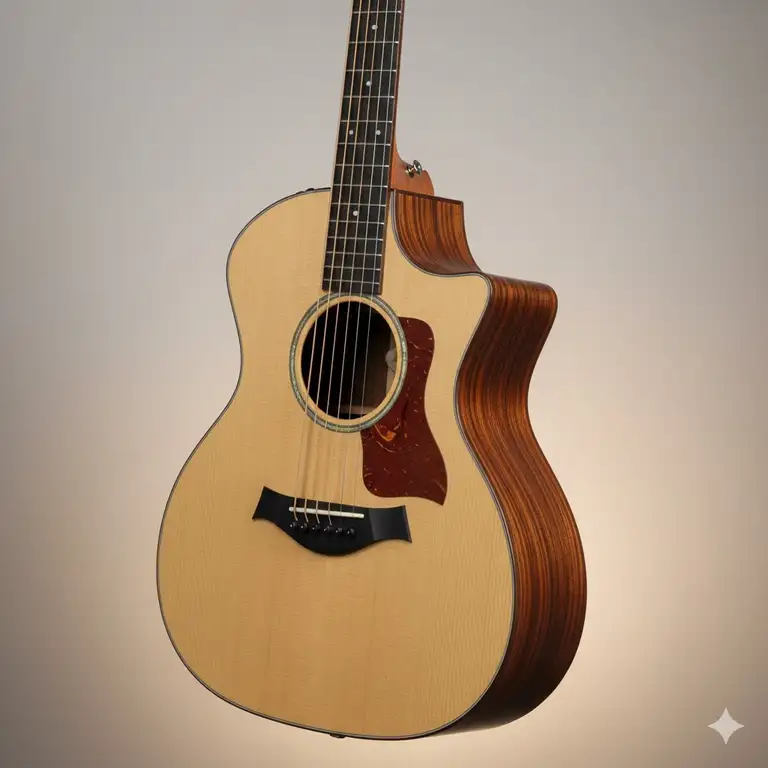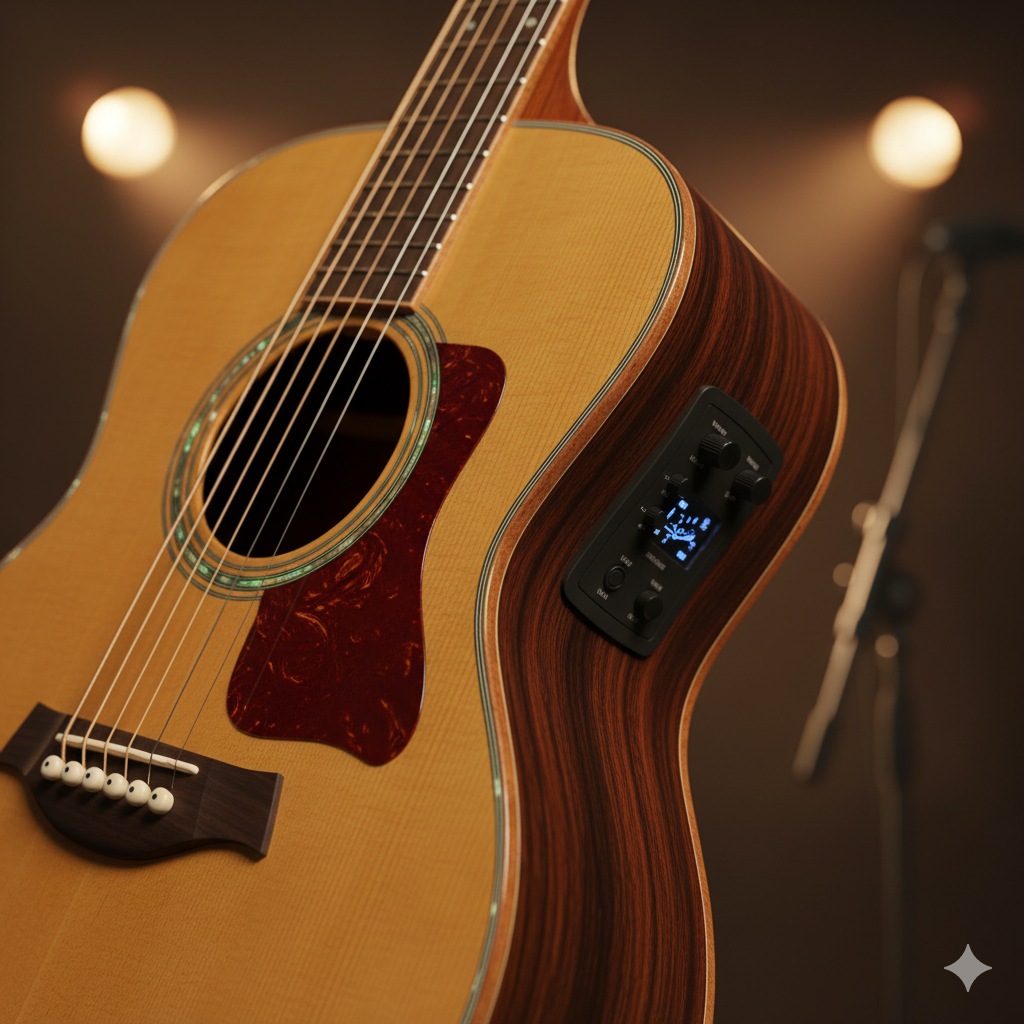
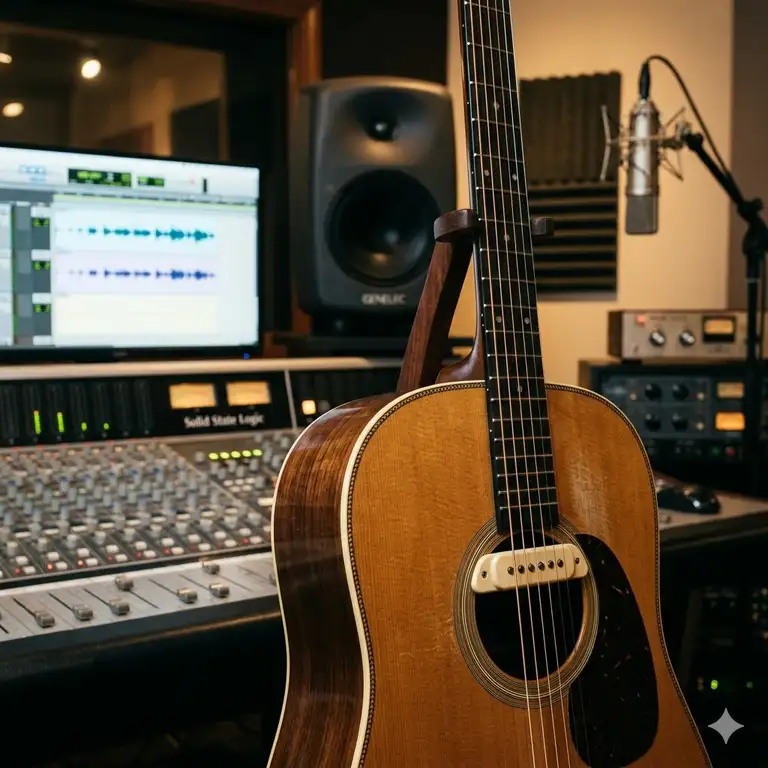
I have spent years in cramped booths trying to capture the “perfect” acoustic guitar tone. If you have ever tried to mic a dreadnought in a room with bad acoustics, you know the struggle is real. Sometimes, even the most expensive condenser mic catches too much room bleed or floor rumble. This is where the best sound hole pickups for recording studio environments come into play. They offer a clean, direct, and isolated signal that can be the “secret sauce” in your mix.
✨Was this helpful? Spread the word! 🚀
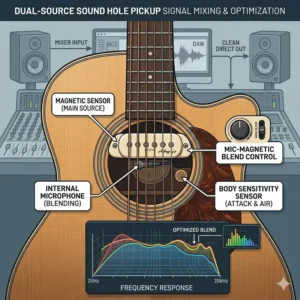
In 2026, the technology has leaped forward. We aren’t just talking about “electric-sounding” magnets anymore. Today’s pickups use body-sensing tech and built-in microphones to keep things airy. Choosing a good soundhole pickup means balancing the warmth of the wood with the precision of a direct line. I have tested dozens, and I can tell you that the right choice depends entirely on your specific recording goals.
Why Use a Soundhole Pickup Over a Microphones?
Before we dive into the gear, let’s look at how these pickups stack up against other common studio methods. While a dedicated studio mic is traditional, a soundhole acoustic pickup offers distinct advantages for modern producers.
| Feature | Soundhole Pickup | Studio Condenser Mic | Undersaddle Piezo |
| Feedback Resistance | High ✅ | Low ❌ | Very High ✅ |
| Isolation (Bleed) | Excellent | Poor (picks up room) | Excellent |
| Ease of Setup | Instant | Requires positioning | Permanent install |
| Natural Airiness | Moderate | High | Low (can be “quacky”) |
| Portability | High | Low | Built-in |
Quick Comparison: Top Picks for 2026
If you are in a rush to get your session started, here is a quick glance at the top contenders for the best sound hole pickups for recording studio setups.
| Product Name | Best For… | Type | Main Benefit |
| L.R. Baggs M1 Active | Body Percussion | Active Magnetic | Tracks top vibrations |
| Fishman Rare Earth Mic Blend | Realism | Dual Source | Built-in Goose-neck Mic |
| Seymour Duncan Woody | Budget Studios | Passive Magnetic | Plug-and-play simplicity |
| Mojotone NC-1 | Natural Wood Tone | Active Noiseless | Incredible string balance |
| Sunrise S-1 | Professional Reliability | Magnetic | Industry standard for 40 years |
| Schertler AG6 | Versatility | Modular | Add-on mic capability |
| Skysonic Pro-1 | Complex Textures | 3-Way System | Magnetic + Mic + Piezo |

Top 7 Best Sound Hole Pickups for Recording Studio: Expert Analysis
1. L.R. Baggs M1 Active
The L.R. Baggs M1 Active is often the first choice for engineers who want more than just string sound. Unlike standard magnetic pickups, the L.R. Baggs M1 Active features a “floating” second coil that acts like a 3D sensor. This means when you tap the guitar body, the pickup actually hears it.
-
Detailed Specifications:
-
Type: Active Magnetic (Stacked Coil)
-
Battery Life: 1,000+ hours (CR2032)
-
Adjustable Pole Pieces: Yes (for string balance)
-
Output: 1/4 inch Jack
-
-
Customer Review Analysis: Users frequently praise its “plug-and-play” nature. However, some mention that it can be sensitive to “sleeve noise” if your shirt rubs against the guitar top. In a recording studio 14 feet away from the console, this pickup remains dead quiet.
-
Warranty: 1-year limited warranty.
-
Professional Applications: Ideal for percussive fingerstyle players (like those influenced by Andy McKee) who need the body hits to translate through the DAW.
-
Pros: High feedback resistance; captures “wood” sound; incredible battery life.
-
Cons: Slightly bulky; requires careful pole-piece adjustment for bronze strings.
2. Fishman Rare Earth Mic Blend
If you are looking for the absolute best soundhole pickups for acoustic guitar recording, the Fishman Rare Earth Mic Blend is a heavy hitter. It combines a warm-sounding humbucking pickup with a high-quality cardioid microphone on a flexible neck.
-
Detailed Specifications:
-
Components: Neodymium Magnets + Cardioid Mic
-
Controls: Mic/Pickup blend slider
-
Power: Two 1.5V Silver Oxide batteries or one 3V Lithium
-
Frequency Response: 20Hz – 20kHz
-
-
Customer Review Analysis: Many “prosumer” home studio owners call this a life-saver. The ability to blend in just 20% of the mic signal adds a shimmer that a magnetic pickup alone lacks.
-
Warranty: 1-year limited warranty.
-
Professional Applications: Perfect for folk and indie-rock sessions where a “natural” but controlled acoustic presence is required.
-
Pros: Studio-grade mic included; very low noise floor; easy to move between guitars.
-
Cons: Expensive; the microphone can still catch some heavy breathing if not positioned correctly.

3. Seymour Duncan SA-3SC Woody Single Coil
For those on a budget, the Seymour Duncan SA-3SC Woody Single Coil is a classic. It’s a passive good soundhole pickup that doesn’t require batteries. It’s finished in a beautiful maple housing that looks great on any spruce top.
-
Detailed Specifications:
-
Type: Passive Single Coil
-
Cable: 14-foot studio-quality cable included
-
Housing: Maple Wood
-
Mounting: Foam-lined brackets
-
-
Customer Review Analysis: Reviewers love the warmth but note that since it is a single coil, it can be susceptible to 60-cycle hum if you are near large computer monitors or neon signs. It’s a great sound hole pickup for recording studio work on a tight budget.
-
Warranty: 1-year limited warranty.
-
Professional Applications: Best for “lo-fi” acoustic tracks or for players who want a vintage, slightly electric-leaning acoustic tone.
-
Pros: Very affordable; no batteries to die mid-take; beautiful aesthetic.
-
Cons: Potential for interference (hum); fixed cable can be annoying.
4. Mojotone Quiet Coil NC-1
The Mojotone Quiet Coil NC-1 is a newer favorite in the 2026 market. It was designed to provide the sound of a microphone without the feedback issues. The Mojotone Quiet Coil NC-1 is incredibly lightweight and doesn’t dampen the guitar’s natural acoustic volume.
-
Detailed Specifications:
-
Type: Active Noiseless Magnetic
-
Battery: CR2032
-
Preamp: Low-profile Class A discrete
-
Finish: Matte Black
-
-
Customer Review Analysis: Users are shocked at how “invisible” the pickup feels. It doesn’t have the heavy magnetic pull that can reduce your guitar’s sustain.
-
Warranty: 1-year limited warranty.
-
Professional Applications: Excellent for high-end boutique guitars where you don’t want to mar the finish or add heavy hardware.
-
Pros: Ultra-light; very natural frequency response; “noiseless” design is true to its name.
-
Cons: No onboard volume control (must adjust at the interface).
5. Sunrise S-1 Magnetic Soundhole Pickup
Ask any veteran engineer about the best sound hole pickups for recording studio use, and they will mention the Sunrise S-1 Magnetic Soundhole Pickup. It is a legendary, hand-built unit used by artists like Jackson Browne and Bonnie Raitt.
-
Detailed Specifications:
-
Type: Passive Humbucking
-
Shielding: 100% (virtually no hum)
-
Build: Heavy-duty cast housing
-
Matching: Often paired with a Sunrise Buffer Box
-
-
Customer Review Analysis: It’s often called the “Steinway” of pickups. It’s heavy and expensive, but the low-end clarity is unmatched.
-
Warranty: Limited lifetime warranty (to original owner).
-
Professional Applications: Serious studio environments where the acoustic guitar is the lead instrument.
-
Pros: Incredible bass definition; built like a tank; massive resale value.
-
Cons: Very heavy (can affect top vibration); requires a high-quality preamp to shine.

6. Schertler AG6 with S-Mic M
The Schertler AG6 with S-Mic M represents Swiss engineering at its best. The Schertler AG6 is a high-end magnetic pickup that features an input for an optional internal microphone (the S-Mic M).
-
Detailed Specifications:
-
Type: Active Magnetic + Optional Mic
-
Power: 9V internal or external via jack
-
Controls: Separate volume controls for pickup and mic
-
Color Options: Black, Wood finish
-
-
Customer Review Analysis: Professionals love the “hi-fi” sound. It feels more like a studio preamp than just a pickup.
-
Warranty: 2-year warranty.
-
Professional Applications: Jazz and classical crossover recordings where clarity is paramount.
-
Pros: Modular system; extremely high headroom; transparent sound.
-
Cons: Complex setup; can be hard to find in some US retail stores.
7. Skysonic Pro-1 (3-way system)
For the ultimate “all-in-one” solution, the Skysonic Pro-1 (3-way system) is a beast. It combines a magnetic pickup, an internal mic, and a bridge plate piezo. This gives you three different “flavors” to mix in your recording.
-
Detailed Specifications:
-
Components: Humbucker, Condenser Mic, Piezo sensor
-
Output: Mono or Stereo (via split cable)
-
Battery: Rechargeable via USB
-
Controls: Individual blend knobs
-
-
Customer Review Analysis: Users love the versatility. You can send the magnetic signal to a “crunchy” amp and the mic signal to a clean channel in your DAW.
-
Warranty: 1-year warranty.
-
Professional Applications: Sound design and experimental acoustic music.
-
Pros: Ultimate tonal control; rechargeable; stereo output options.
-
Cons: A lot of wires inside the guitar; can be overwhelming to dial in.
✨ Don’t Miss These Exclusive Deals!
Take your studio recordings to the next level with these carefully selected pickups. Click on any highlighted item to check current pricing and availability. These tools will help you capture the authentic acoustic tone you’ve been dreaming of! 🎸⚡
💬 Just one click – help others make better buying decisions too!😊
Technical Specifications Matrix (Spec Matrix)
To help you decide which of these best soundhole pickups for recording studio use fits your workflow, I have mapped out their technical specs.
| Model | Power Source | Weight | Best Feature | Output Impedance |
| L.R. Baggs M1 Active | CR2032 Battery | 3.5 oz | Body Sensitivity | Low |
| Fishman Rare Earth | Silver Oxide | 4.2 oz | Dual Source Mic | Low |
| Seymour Duncan Woody | Passive | 2.8 oz | No Batteries | High |
| Mojotone NC-1 | CR2032 Battery | 2.1 oz | Noiseless Tech | Low |
| Sunrise S-1 | Passive | 5.0 oz | Low-End Clarity | High |
| Schertler AG6 | 9V / Phantom | 3.2 oz | Modular Mic | Low |
| Skysonic Pro-1 | USB Rechargeable | 4.5 oz | 3-Way System | Low |
Deep Dive: What Makes a Good Soundhole Pickup?
When you are looking for a soundhole acoustic pickup, you aren’t just buying a magnet; you are buying a transducer. The way it interacts with your strings and your guitar’s top is pure physics. Most soundhole pickups are magnetic—they work just like an electric guitar pickup but are voiced for acoustic strings (which have a different core-to-wrap ratio).
However, the best acoustic guitar pickups for studio use often incorporate other technologies. For instance, active pickups have a built-in preamp. This is crucial for recording because it boosts the signal before it travels through 20 feet of cable to your audio interface. This prevents the “tone suck” (loss of high frequencies) that often happens with passive pickups.
Moreover, consider the “string balance.” Acoustic guitars have a wide range of string tensions. If you use a soundhole pick up for recording that doesn’t have adjustable pole pieces, your “B” string might be much louder than your “G” string. This is a nightmare to fix in the mix. Pickups like the L.R. Baggs M1 Active allow you to screw each pole piece up or down to ensure every string hits your DAW at the same level.
Budget vs. Premium Comparison (The Value Factor)
I know not everyone has a “Capitol Records” budget. Sometimes you just need something that works for a quick demo.
| Category | Typical Price Range | Best For… | Recommendation |
| Budget | $50 – $100 | Demos, Lo-fi, Beginners | Seymour Duncan Woody |
| Mid-Range | $150 – $250 | Home Studio, Gigs | L.R. Baggs M1 Active |
| Premium | $300 – $500+ | Professional Albums | Sunrise S-1 or Fishman Rare Earth |

Performance Metrics: How They Handle the Studio Environment
Recording is different from playing live. On stage, you worry about feedback. In the studio, you worry about signal-to-noise ratio. A best sound hole pickups for recording studios (plural, because every room is different!) must be quiet.
If you are using a single-coil pickup, you might find that your computer’s CPU fan noise or the lights in your room create a “bzzzz” in your track. This is why many pros prefer humbucking (stacked coil) designs like the Mojotone NC-1.
| Pickup Type | Hum Resistance | Dynamic Range | Frequency Width |
| Single Coil | Low ❌ | High ✅ | Bright/Articulate |
| Humbucker | High ✅ | Medium | Warm/Mids-focused |
| Dual Source | Medium | Very High ✅ | Full Spectrum |
| Body-Sensing | High ✅ | High ✅ | Percussive/Woody |
Recording Techniques: How to Blend for Success
I rarely use a soundhole pickup by itself in a professional recording. The “pro trick” is to use a good soundhole pickup as a “center” for your sound.
-
The 3-Track Method: Place a condenser mic at the 12th fret, a large-diaphragm mic near the bridge, and take a direct out from your best sound hole pickups for recording studio.
-
Phase Alignment: When you mix these, ensure the waveforms are aligned. If they are out of phase, your guitar will sound thin and “hollow.”
-
EQ Carving: Use the pickup for the “meat” of the sound (200Hz – 800Hz) and use the microphones for the “air” (above 5kHz).
Benefits Quantification: Why It’s Worth the Investment
You might be thinking, “I already have a $200 mic, why do I need a pickup?” Let’s look at the numbers.
| Benefit | Quantitative Impact |
| Setup Time | Reduces setup from 15 minutes to 30 seconds. |
| Isolation | 100% isolation from other instruments in the room. |
| Track Density | Allows for “Stereo” imaging by using the pickup and a mic. |
| Safety Net | If the mic moves or the player bumps it, the pickup track is still perfect. |
Understanding the Variations: Acoustic Guitar Pickups
When searching for the best soundhole pickups for acoustic guitar recording, you will see many terms thrown around. It’s important to understand what people actually mean:
-
14 feet cable vs 14 foot cable: Many passive pickups like the Seymour Duncan Woody come with a built-in 14 feet cable. This is long enough to reach your interface, but remember that longer cables can lose high-end signal on passive units.
-
Sound hole vs Soundhole: Whether you type it as two words or one, the search results are the same. In the industry, we often say soundhole acoustic pickup as one word.
-
Acoustic Guitar Pick-up (common typo): Some people search for “pick-up,” but the technical term is “pickup.” Regardless, look for the same specs.
User Compatibility and Installation
Not every pickup fits every guitar. If you have a vintage parlor guitar with a tiny soundhole, a Sunrise S-1 simply won’t fit.
| Pickup Model | Min Soundhole Diameter | Installation Type | Permanent Mod Required? |
| L.R. Baggs M1 | 3.5 inches | Clip-on | No (unless tail-pin used) |
| Fishman Rare Earth | 3.625 inches | Clip-on | No |
| Sunrise S-1 | 4 inches | Screw-clamp | Optional |
| Mojotone NC-1 | 3.5 inches | Clip-on | No |
| Skysonic Pro-1 | 3.5 inches | Multi-clamp | Yes (for Piezo) |
✨ Ready to transform your recordings?
Don’t let a bad room ruin your acoustic tracks. Click on the product links above to find the perfect soundhole pickup for your studio setup and start capturing professional-grade audio today! 🎤🤘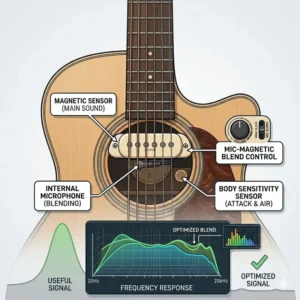
Conclusion: Finding Your Perfect Studio Tone
Choosing the best sound hole pickups for recording studio applications isn’t about finding the “best” overall—it’s about finding the best for your guitar and your music. If you want pure, vintage warmth, the Sunrise S-1 is king. If you need the airiness of a microphone without the hassle of stands, the Fishman Rare Earth Mic Blend is your best friend. For those who move fast and want something that just works, the L.R. Baggs M1 Active is a modern classic.
I have found that having at least one of these in your studio drawer can save a session. When the client is struggling with a mic-shy performance, or the room is just too noisy, a good soundhole pickup provides a clean, professional alternative. Don’t be afraid to experiment with blending these signals with your favorite mics. The results might just be the best acoustic sound you have ever tracked.
FAQs
✅ You can, but these pickups are voiced for bronze strings. Since bronze is non-magnetic, the pickups are calibrated to compensate. If you use nickel-wound electric strings, the output might be unbalanced and overly loud...
✅ Yes, usually. Piezo pickups often have a 'quacky' high-end that sounds artificial. Soundhole pickups capture more of the string's natural vibration and provide a warmer, more 'electric-acoustic' tone that sits better in a dense mix...
❓ Do soundhole pickups damage the finish of my guitar?
❓ Can I use electric guitar strings with these pickups?
❓ What is the difference between active and passive soundhole pickups?
❓ Is a soundhole pickup better than a piezo for recording?
❓ Can I record in stereo using just a soundhole pickup?
Recommended for You:
- 7 Best Sound Hole Pickup Models to Master Your Acoustic Tone in 2026
- 7 Best Acoustic Guitar Pickup Mic Systems in 2026: Pro Review
- 7 Best Acoustic Bass Pickup Systems for Thumping Tone in 2026
Disclaimer: This article contains affiliate links. If you purchase products through these links, we may earn a small commission at no additional cost to you.
✨ Found this helpful? Share it with your friends! 💬🤗