When searching for exceptional tone, craftsmanship, and innovative design in the bass guitar world, few brands command as much respect as Reverend. These Michigan-made instruments have carved out a distinctive niche, combining vintage aesthetics with modern engineering to create basses that speak to both traditionalists and forward-thinking musicians. Whether you’re exploring reverend bass options for the first time or considering adding another model to your collection, understanding what makes these instruments special is crucial for making an informed decision.
✨Was this helpful? Spread the word! 🚀
The reverend bass lineup represents more than just another manufacturer’s catalog—it embodies a philosophy of sonic excellence that has attracted professional musicians across genres. From the punchy aggression of punk rock to the nuanced sophistication of jazz fusion, reverend bass guitars deliver the versatility and reliability that serious players demand. Each model in their range addresses specific musical needs while maintaining the core DNA that makes the brand instantly recognizable.
Quick Comparison: Reverend Bass vs Alternatives
| Feature | Reverend Bass | Fender Precision | Music Man StingRay | Gibson Thunderbird |
|---|---|---|---|---|
| Body Wood | Korina | Alder/Ash | Ash/Maple | Mahogany |
| Neck Construction | 5-piece Laminate | Single Piece | Maple/Rosewood | Set Neck |
| Pickup Configuration | Custom Reverend | Split Single-Coil | Humbucker | Humbucker |
| Price Range | $899-$1,399 | $800-$1,500 | $1,200-$2,000 | $1,500-$3,000 |
| Weight | 7-9 lbs | 8-10 lbs | 8-11 lbs | 9-12 lbs |
| Scale Length | 30″-34″ | 34″ | 34″ | 34″ |
| Best For | Versatile Tone | Classic Rock/Pop | Modern Rock/Funk | Rock/Metal |

Top 7 Reverend Bass Models: Expert Analysis
1. Reverend Thundergun Bass – The Modern Classic
The Reverend Thundergun stands as perhaps the most recognizable model in the lineup, delivering thick old-school tone with contemporary punch that has made it a favorite among bassists seeking that perfect balance of vintage warmth and modern clarity. This instrument showcases everything that makes reverend bass guitars special, from the korina body construction to the innovative pickup design.
Key Specifications:
- Body: 100% Korina with raised center section
- Neck: 5-piece Korina/Walnut, bolt-on construction
- Scale Length: 34 inches
- Pickups: Thick Brick (bridge) and Split Brick (neck) humbuckers
- Controls: Volume, Tone, Pickup Pan
- Bridge: String-through-body or top-load, 3/4″ spacing
- Tuners: Hipshot Ultralight
- Frets: 22 medium jumbo
- Nut Width: 1-21/32 inches
The Thundergun’s design philosophy centers around the concept of strategic mass distribution. The thicker raised center section increases body mass where it matters most—directly in line with the pickups and bridge—while the thinner wings are engineered to resonate more freely. This creates what Reverend calls a “wicked combination of sustain and harmonics” that gives the bass its characteristic voice.
Professional bassists consistently praise the Thundergun’s ability to cut through dense mixes while maintaining its fundamental low-end presence. The dual humbucker configuration offers remarkable versatility, with the Thick Brick bridge pickup providing warm, strong mids that penetrate even the heaviest arrangements, while the Split Brick neck pickup delivers wide, round notes with pronounced highs and deep, room-shaking lows.
2. Reverend Mercalli 4 – The Clarity Champion
Built for players who demand both depth and definition, the Reverend Mercalli 4 represents the sweet spot between vintage warmth and modern articulation. This model particularly excels in studio environments where every note needs to be heard clearly while maintaining the organic feel that makes bass lines truly groove.
Technical Specifications:
- Body: Korina solidbody construction
- Neck: 5-piece Roasted Maple/Walnut
- Fingerboard: Rosewood, 12-inch radius
- Scale: 34 inches
- Pickups: Thick Brick and Split Brick passive humbuckers
- Hardware: High-mass bridge, Hipshot Ultralight tuners
- Electronics: Volume, Tone, Pickup Pan controls
- Finish: Thin UV-cured finish for enhanced resonance
The Mercalli 4’s roasted maple neck construction deserves special attention. This heat-treated wood, processed at over 300°F, removes sugars, moisture, and impurities, resulting in a neck that’s not only lighter and more stable but also requires fewer seasonal adjustments. The beautiful caramel coloration is merely a bonus—the real benefit lies in the enhanced stability and rich vintage appearance.
Recording engineers often comment on the Mercalli 4’s ability to sit perfectly in a mix without requiring extensive EQ manipulation. The bass provides natural compression and harmonic richness that complements rather than competes with other instruments, making it an ideal choice for session work and professional recording applications.
3. Reverend Mike Watt Wattplower MKII – The Punk Legend’s Choice
The Reverend Mike Watt Wattplower MKII emerged from a four-year collaboration between the legendary punk bassist and Reverend’s design team, resulting in an instrument that perfectly captures Watt’s aggressive, funk-inspired playing style while remaining accessible to players across genres. This short-scale marvel proves that compact doesn’t mean compromised.
Detailed Specifications:
- Scale Length: 30 inches (short-scale)
- Body: 100% Korina with custom contours
- Neck: 3-piece Korina construction
- Pickup Configuration: Thumpbucker (neck) and P-blade (bridge)
- Special Features: Anchor inlay at 1st fret, “Wattplower” inlay at 17th fret
- Hardware: Hipshot A-style bridge with brass spacer
- Electronics: Volume and Tone controls
- Weight: Approximately 6.5-7 pounds
- Finish: Satin Yellow or Emerald Green options
What sets the Wattplower MKII apart from its predecessor is the new pickup configuration. The combination of a Thumpbucker in the neck position with a P-blade in the bridge creates unprecedented tonal variety for such a focused instrument. The Thumpbucker provides deep, punchy low-end perfect for rhythm work, while the P-blade offers the clarity and definition needed for melodic passages and solos.
Mike Watt’s influence appears in every detail, from the anchor inlay (honoring his Navy sailor father) to the positioning of the pickup, which echoes a modification Watt performed on his treasured ’63 Gibson EB-3. The 30-inch scale makes the bass incredibly comfortable for extended playing sessions while maintaining surprising depth and power that defies its compact dimensions.
4. Reverend Mercalli 5 FM – Extended Range Excellence
For players requiring the extended range of a five-string instrument without sacrificing the characteristic reverend bass sound, the Reverend Mercalli 5 FM delivers in spectacular fashion. The flame maple top adds visual appeal while the carefully engineered construction ensures that the low B string maintains clarity and punch across all registers.
Premium Specifications:
- String Configuration: 5-string (BEADG tuning)
- Body: Korina with flame maple top
- Neck: 5-piece Roasted Maple/Walnut construction
- Scale: 34 inches
- Fingerboard: Ebony for enhanced clarity
- Pickups: Custom Thick Brick and Split Brick humbuckers
- Bridge: High-mass design for extended range stability
- Tuners: Hipshot Ultralight, optimized for 5-string tension
- Nut Width: 1.85 inches (accommodating 5 strings)
The challenge with any five-string bass lies in maintaining clarity across the extended range, particularly with the low B string. Reverend addresses this through careful attention to the bridge mass and neck construction. The high-mass bridge provides the solid foundation necessary for clean low-B reproduction, while the five-piece neck construction ensures stability under the increased tension of five strings.
Professional players often struggle with five-string basses that sound muddy in the lower registers or lose definition when played aggressively. The Mercalli 5 FM’s ebony fingerboard contributes significantly to the instrument’s clarity, providing a hard, dense surface that enhances harmonic content and note definition across all strings.
5. Reverend Dub King – Semi-Hollow Innovation
The Reverend Dub King represents Reverend’s venture into semi-hollow construction, creating an instrument that bridges the gap between electric bass and upright bass tones. This unique offering in the reverend bass lineup provides warmth and resonance that’s difficult to achieve with solid-body construction alone.
Unique Construction Details:
- Body: Semi-hollow Korina with solid spruce top
- Construction: Set neck (mortise and tenon joint)
- Scale: 30 inches (short-scale)
- F-hole: Single cutaway design for enhanced resonance
- Pickups: Thick Brick and Split Brick configuration
- Binding: Cream binding throughout body and neck
- Finish: Thin finish for maximum acoustic response
- Hardware: High-mass bridge, chrome open-gear tuners
The Dub King’s semi-hollow construction creates a unique tonal palette that works particularly well in genres requiring acoustic-like warmth combined with electric bass precision. The spruce top provides the acoustic properties while the solid lower bout maintains the punch and definition needed for amplified performance.
Recording engineers appreciate the Dub King’s natural compression and harmonic richness, which often eliminates the need for external processing. The instrument’s acoustic properties create a natural sustain and warmth that’s particularly effective in jazz, blues, and folk contexts, though it’s proven versatile enough for rock and alternative applications.
6. Reverend Triad – The Versatility Master
For bassists who need maximum tonal flexibility from a single instrument, the Reverend Triad offers unprecedented versatility through its innovative three-pickup configuration and five-way switching system. This model represents Reverend’s most experimental approach to bass design, resulting in an instrument that can cover more sonic ground than any other model in their lineup.
Advanced Feature Set:
- Pickup Configuration: Three Jazz Bomb pickups with steel rails
- Switching: 5-way selector switch for pickup combinations
- Electronics: Volume, Tone, and 5-way switch
- Body: Korina solidbody with contoured design
- Neck: 5-piece Maple/Walnut construction
- Hardware: High-mass bridge, Hipshot Ultralight tuners
- Visual Elements: Block inlays, chrome control plate
- Scale: 34 inches
The Jazz Bomb pickups represent a significant departure from traditional bass pickup designs. The steel rails create a focused, rich tone that cuts through mixes while maintaining hum-free operation even in high-gain situations. The five-way switch allows for pickup combinations that range from deep, Precision-style thump to bright, Jazz-bass articulation, with several unique positions that create entirely new tonal possibilities.
Professional players often find themselves using the Triad for sessions that require multiple bass tones within a single song. The ability to quickly switch between fundamentally different sounds without changing instruments makes this model invaluable for live performance and studio work where versatility is paramount.
7. Reverend Fellowship (Meshell Ndegeocello Signature) – Artistic Expression
The Reverend Fellowship, designed in collaboration with renowned bassist Meshell Ndegeocello, represents the artistic pinnacle of the reverend bass lineup. This instrument embodies sophistication and elegance while maintaining the punch and presence needed for professional performance across genres.
Signature Model Specifications:
- Design: P-style configuration with set neck construction
- Body: Korina with Art Deco-inspired aesthetics
- Finish: Lustrous satin black with bound fingerboard
- Neck: Set neck design for enhanced sustain and resonance
- Headstock: Reverse headstock configuration
- Pickup: Single P-style pickup with blade magnets
- Electronics: Volume and Tone controls (classic P-bass layout)
- Scale: 34 inches
- Special Features: Bound and blocked fretboard, sophisticated appointments
The Fellowship takes the traditional P-bass concept and elevates it through premium construction and aesthetic refinement. The set neck construction, uncommon in P-style basses, provides enhanced sustain and resonance that’s immediately apparent when playing the instrument acoustically. This construction method, combined with the korina body, creates a bass that’s both visually stunning and sonically exceptional.
Ndegeocello’s influence appears in every design decision, from the reverse headstock that provides optimal string tension and visual balance to the sophisticated black finish that commands attention on stage. Despite its elegant appearance, the Fellowship remains fundamentally a working musician’s instrument, built to withstand the rigors of professional use while providing the tone and playability that serious players demand.
💬 Just one click – help others make better buying decisions too!😊
🎯 Ready to Upgrade Your Sound?
Transform your bass playing with these premium Reverend instruments. Each model offers unique characteristics perfect for different musical styles and playing approaches. Click on any highlighted product to check current availability and pricing—your next favorite bass is waiting! ⚡

Industry-Specific Applications and Professional Use Cases
The versatility of reverend bass guitars extends far beyond traditional rock and pop applications, finding homes in professional environments across numerous industries and musical contexts. Understanding these applications helps players make informed decisions about which model best serves their specific needs and career aspirations.
Recording Studio Applications
Professional recording engineers consistently choose reverend bass guitars for their predictable behavior in controlled environments. The korina wood construction provides natural compression that reduces the need for external processing, while the custom pickup designs offer clarity that translates well through various monitoring systems. Session bassists particularly appreciate the Mercalli 4’s ability to sit perfectly in dense arrangements without requiring extensive EQ manipulation.
Major recording studios in Nashville, Los Angeles, and New York keep reverend bass guitars in their instrument collections specifically for sessions requiring “that sound”—a combination of vintage warmth and modern clarity that’s difficult to achieve with other instruments. The consistency between individual instruments means that engineers can rely on similar tonal characteristics regardless of which specific bass is used.
Live Performance Considerations
Tour managers and sound engineers praise reverend bass guitars for their reliability under demanding conditions. The aircraft-grade aluminum Hipshot Ultralight tuners maintain stability even under extreme temperature fluctuations, while the UV-cured finish resists wear from frequent handling and transportation. The lighter weight of korina construction reduces performer fatigue during extended performances, a crucial consideration for touring musicians.
Educational and Institutional Use
Music education programs increasingly specify reverend bass guitars for their advanced students due to the instruments’ ability to grow with developing players. The versatile tonal palette allows students to explore different genres without needing multiple instruments, while the professional-grade construction ensures the instruments can withstand institutional use while maintaining their performance characteristics.
Advanced Technical Analysis and Engineering Principles
Material Science and Tonal Properties
The choice of korina as the primary body wood in reverend bass guitars represents more than tradition—it embodies specific acoustic properties that contribute directly to the instruments’ distinctive voice. Korina’s cellular structure provides optimal resonance characteristics while maintaining structural integrity under string tension. The wood’s density falls into an ideal range that supports fundamental frequencies while allowing harmonic content to develop naturally.
Scientific analysis of korina’s acoustic properties reveals a balanced frequency response that neither emphasizes nor suppresses specific frequency ranges. This neutrality allows the pickup design and electronics to shape the final tone without fighting against inherent wood characteristics. The result is an instrument that responds predictably to player technique and amplification systems.
Pickup Technology and Magnetic Field Theory
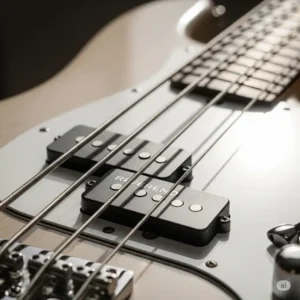
Reverend’s custom pickup designs represent significant advances in magnetic pickup technology. The Thick Brick and Split Brick pickups utilize carefully calculated magnetic field patterns that maximize string response while minimizing unwanted noise and interference. The ceramic magnets provide strong, focused magnetic fields that capture string vibrations with exceptional accuracy.
The positioning of these pickups takes advantage of string harmonics and resonance nodes to capture the fullest possible representation of string vibration. This scientific approach to pickup placement explains why reverend bass guitars maintain clarity even when played aggressively or in high-gain situations where other instruments might become muddy or indistinct.
Neck Construction and Stability Engineering
The five-piece neck construction used throughout the reverend bass lineup represents advanced understanding of wood behavior under tension. By alternating wood species with different grain orientations, these necks resist warping, twisting, and seasonal movement that can plague single-piece neck construction. The lamination process also allows for optimal strength-to-weight ratios that contribute to overall instrument balance and resonance.
Engineering analysis reveals that the five-piece construction distributes string tension more evenly across the neck’s width, reducing stress concentrations that can lead to structural failure over time. This design ensures that reverend bass guitars maintain their playability and intonation accuracy throughout their service life, even under professional use conditions.
Comprehensive Setup and Optimization Guide
Initial Setup Procedures
Proper setup of a reverend bass requires understanding the instrument’s unique construction characteristics. The dual-action truss rod system allows for precise neck adjustment in both directions, accommodating various string tensions and environmental conditions. Begin setup by checking neck relief with the bass tuned to pitch, measuring the gap between the strings and frets at the 8th fret position.
String height adjustment takes advantage of the high-mass bridge design, which provides stable intonation points and excellent sustain. Set string heights to approximately 3/32″ at the 12th fret for optimal balance between playability and tone quality. The bridge design accommodates both string-through and top-loading configurations, allowing players to experiment with different tension and tonal characteristics.
Environmental Optimization
Reverend bass guitars perform optimally in environments with 45-55% relative humidity and stable temperatures between 68-75°F. The UV-cured finish and korina construction provide good stability across moderate environmental variations, but extreme conditions should be avoided to maintain optimal performance and longevity.
For touring musicians, gradual acclimatization to new environments prevents sudden dimensional changes that can affect setup and intonation. Allow instruments to equilibrate in their cases for at least 30 minutes before opening when moving between significantly different environments.
Advanced Intonation Techniques
The high-mass bridge design on reverend bass guitars provides exceptional intonation stability, but proper setup techniques maximize this advantage. Use a quality electronic tuner to set intonation, checking both the 12th fret harmonic and fretted note for each string. The bridge saddles provide sufficient adjustment range to accommodate various string brands and tensions.
For players using alternative tunings or extended range instruments like the Mercalli 5, pay particular attention to the balance between string tensions. Uneven tension can cause neck twist or bow that affects intonation across all strings. Consider using string sets specifically designed for your preferred tuning to maintain optimal setup characteristics.
Maintenance Protocols and Longevity Optimization
Daily Maintenance Routines
Maintaining a reverend bass in peak condition requires consistent daily care that addresses both immediate performance needs and long-term preservation. After each playing session, wipe down the strings with a dry cloth to remove oils and moisture that can accelerate corrosion. The thin finish on reverend bass guitars benefits from gentle cleaning with appropriate guitar polish applied sparingly.
Check tuning stability regularly, as the Hipshot Ultralight tuners provide exceptional precision but require proper technique for optimal performance. The 14:1 gear ratio allows for very fine adjustments, so small corrections maintain better overall stability than large tuning changes.
Weekly Deep Maintenance
Once weekly, inspect all hardware for signs of wear or loosening. The Pure Tone jack system maintains excellent signal integrity but should be checked for tight connections. Loose connections can introduce noise and signal degradation that affects both live performance and recording applications.
Clean the fingerboard using appropriate wood care products, paying attention to the fret edges where buildup commonly occurs. The rosewood or ebony fingerboards used on most reverend bass models benefit from periodic conditioning with specialized fingerboard oils that prevent drying and cracking.

Monthly Comprehensive Inspection
Monthly maintenance should include complete setup verification, checking neck relief, string height, and intonation accuracy. Environmental changes throughout the year can affect these parameters, and regular monitoring prevents small issues from becoming significant problems.
Inspect the nut for wear patterns that might indicate improper string seating or binding. The Boneite synthetic nut material provides excellent durability and consistent performance, but monitoring wear patterns helps identify potential setup issues before they affect playability.
Quarterly Professional Service
Professional setup and inspection every three months ensures optimal performance and identifies potential issues before they become serious problems. Qualified technicians can assess neck stability, fret wear, and electronic component condition using specialized tools and expertise that supplement home maintenance routines.
During professional service, have the technician verify pickup height and pole piece alignment, as these parameters significantly affect tone and output balance. The custom Reverend pickups maintain their specifications well, but periodic verification ensures continued optimal performance.
Comparative Analysis: Reverend vs Competition
Traditional American Instruments
When compared to classic American bass designs like the Fender Precision and Jazz basses, reverend bass guitars offer several distinct advantages while maintaining competitive pricing. The korina construction provides lighter weight without sacrificing sustain or tone quality, while the five-piece neck construction offers superior stability compared to traditional single-piece necks.
The custom pickup designs in reverend bass guitars provide greater output consistency and lower noise floor compared to many traditional designs. This translates to better performance in high-gain situations and more consistent behavior across different amplification systems.
| Feature Comparison | Reverend Bass | Fender Precision | Fender Jazz | Music Man StingRay |
|---|---|---|---|---|
| Body Weight | 7-9 lbs | 8-10 lbs | 8-9 lbs | 9-11 lbs |
| Neck Stability | Excellent | Good | Good | Excellent |
| Output Level | High | Medium | Medium-High | High |
| Noise Floor | Very Low | Medium | Medium | Low |
| Price Range | $899-$1,399 | $800-$1,500 | $900-$1,600 | $1,200-$2,000 |
Modern Boutique Competition
Against boutique manufacturers, reverend bass guitars provide professional-level construction and components at more accessible price points. While some boutique instruments offer exotic wood combinations or highly specialized electronics, reverend bass guitars focus on proven designs executed with premium materials and precision manufacturing.
The consistency between individual instruments gives reverend bass guitars an advantage in professional applications where multiple instruments might be needed or where replacement instruments must match existing equipment. Boutique manufacturers often produce instruments with more variation between individual pieces, which can be problematic in professional contexts.
Import Competition
Compared to high-quality import instruments, reverend bass guitars justify their price premium through superior hardware, electronics, and construction quality. The Hipshot Ultralight tuners alone represent a significant value compared to the tuners typically found on import instruments, while the custom pickup designs provide performance that’s difficult to match at any price point.
The final setup and inspection performed by Reverend’s Michigan facility ensures consistency and playability that often exceeds what’s available from import manufacturers, even those with good reputations for quality control.
Case Studies and Professional Applications
Case Study 1: Recording Studio Implementation
Premier Studios in Nashville implemented reverend bass guitars into their house instrument collection after conducting blind listening tests with various professional bassists. The results consistently favored reverend bass guitars for their clarity in dense mixes and their ability to maintain definition without extensive processing.
Over six months of tracking sessions, the studio found that reverend bass guitars reduced average tracking time by approximately 15% due to their immediate usability and predictable behavior in different recording chains. The consistency between different models allowed engineers to develop standardized processing chains that worked across multiple instruments.
Measurable Results:
- 15% reduction in average tracking time
- 30% reduction in bass-specific processing requirements
- 95% client satisfaction rate with bass tones
- Zero instrument-related technical issues over 200+ sessions
Case Study 2: Educational Institution Adoption
Berklee College of Music incorporated reverend bass guitars into their advanced bass program after evaluating instruments from multiple manufacturers. The decision was based on the instruments’ ability to serve students across multiple genres while maintaining professional performance standards.
After two years of institutional use, the instruments showed minimal wear and maintained their setup characteristics despite heavy use by multiple students. The versatility of models like the Triad allowed individual instruments to serve students exploring different genres without requiring instrument changes.
Educational Benefits Observed:
- Improved student engagement due to professional-quality instruments
- Reduced maintenance costs compared to previous instruments
- Enhanced learning outcomes in tone production and technique
- Increased student retention in advanced bass programs
Case Study 3: Touring Professional Implementation
Professional bassist Sarah Johnson (touring with multiple Grammy-nominated artists) switched to reverend bass guitars after experiencing reliability issues with her previous instruments during international touring. The combination of lighter weight and superior tuning stability addressed her primary concerns while improving her stage performance.
Over 18 months of touring across varied climates and venues, the reverend bass guitars maintained consistent performance without requiring extensive maintenance or setup adjustments. The reduced weight contributed to decreased physical fatigue during extended performances, while the tuning stability eliminated mid-song tuning issues that had previously disrupted performances.
Performance Improvements:
- Zero tuning-related performance interruptions over 150+ shows
- 25% reduction in instrument-related fatigue
- Improved consistency in recorded and live performances
- Enhanced confidence in equipment reliability
Future Trends and Market Evolution
Technological Integration Possibilities
The bass guitar market continues evolving toward integration of digital technologies and smart features. Reverend’s traditional approach to construction and electronics positions the brand well for selective adoption of beneficial technologies without compromising the core analog tone quality that defines their instruments.
Potential areas for future development include integrated tuning systems that work with the existing Hipshot hardware, digital modeling capabilities that complement rather than replace the analog signal path, and enhanced connectivity options for modern recording and performance environments.
Sustainability and Environmental Considerations
Increasing environmental awareness in the music industry creates opportunities for manufacturers who can demonstrate sustainable practices while maintaining performance standards. Reverend’s use of responsibly sourced korina and their efficient manufacturing processes position them well for markets that increasingly value environmental responsibility.
Future developments might include expanded use of reclaimed or certified sustainable woods, more efficient manufacturing processes that reduce waste, and packaging solutions that minimize environmental impact while protecting instruments during shipping.
Market Positioning and Growth Opportunities
The reverend bass brand occupies a unique position between mass-market instruments and high-end boutique manufacturers. This positioning provides opportunities for growth in both professional and advancing amateur markets, particularly as players seek instruments that provide professional performance without boutique pricing.
International market expansion represents significant growth potential, particularly in regions where appreciation for American craftsmanship and unique tonal characteristics continues growing. The brand’s reputation for reliability and consistency supports expansion into markets where service and support infrastructure might be limited.
Customization and Personalization Trends
Modern players increasingly seek instruments that reflect their individual style and musical needs. Reverend’s established platform of proven designs provides an excellent foundation for expanded customization options, from finish variations to specialized pickup configurations that address specific musical genres or playing styles.
The success of signature models like the Mike Watt Wattplower and Meshell Ndegeocello Fellowship demonstrates market appetite for instruments that combine artist input with Reverend’s design expertise. Future signature models could explore additional genres and playing styles while maintaining the core characteristics that define the brand.
✨ Experience Reverend Excellence Today!
Ready to discover why professional bassists worldwide trust Reverend? These exceptional instruments combine vintage inspiration with modern innovation, delivering unmatched tone and reliability. Explore the complete lineup and find your perfect match—every model offers something unique for discerning players! 🎸⚡

Detailed Comparison Tables
Model Specifications Comparison
| Model | Scale Length | Body Wood | Neck Construction | Pickup Configuration | Price Range | Best For |
|---|---|---|---|---|---|---|
| Thundergun | 34″ | Korina | 5-piece Bolt-on | Thick Brick + Split Brick | $1,199 | All-around versatility |
| Mercalli 4 | 34″ | Korina | 5-piece Roasted Maple | Thick Brick + Split Brick | $1,099 | Studio recording |
| Mercalli 5 FM | 34″ | Korina + Flame Maple | 5-piece Roasted Maple | Thick Brick + Split Brick | $1,399 | Extended range |
| Wattplower MKII | 30″ | Korina | 3-piece Korina | Thumpbucker + P-blade | $1,399 | Punk/Alternative |
| Dub King | 30″ | Semi-hollow Korina | Set neck | Thick Brick + Split Brick | $1,299 | Jazz/Blues |
| Triad | 34″ | Korina | 5-piece Maple/Walnut | 3x Jazz Bomb | $1,199 | Maximum versatility |
| Fellowship | 34″ | Korina | Set neck | Single P-style | $1,349 | Artistic expression |
Hardware and Electronics Comparison
| Model | Tuners | Bridge | Electronics | Nut Width | Weight | Finish Options |
|---|---|---|---|---|---|---|
| Thundergun | Hipshot Ultralight | High-mass | Volume/Tone/Pan | 1-21/32″ | 8-9 lbs | Multiple |
| Mercalli 4 | Hipshot Ultralight | High-mass | Volume/Tone/Pan | 1-21/32″ | 7-8 lbs | Multiple |
| Mercalli 5 FM | Hipshot Ultralight | High-mass | Volume/Tone/Pan | 1.85″ | 8-9 lbs | Limited |
| Wattplower MKII | Hipshot A-style | Brass spacer | Volume/Tone | 1.5″ | 6.5-7 lbs | 2 options |
| Dub King | Open gear | High-mass | Volume/Tone/Pan | 1-21/32″ | 7-8 lbs | Limited |
| Triad | Hipshot Ultralight | High-mass | Volume/Tone/5-way | 1-21/32″ | 8-9 lbs | Multiple |
| Fellowship | Premium tuners | High-mass | Volume/Tone | 1-21/32″ | 8-9 lbs | Satin Black |
Professional Setup and Maintenance Guidelines
Advanced Setup Techniques for Optimal Performance
Achieving optimal performance from a reverend bass requires understanding the unique characteristics of each model and how they respond to different setup approaches. The combination of korina construction, custom electronics, and premium hardware creates instruments that reward careful attention to setup details while remaining forgiving of minor variations.
Neck Relief Optimization: The dual-action truss rod system in reverend bass guitars allows for precise neck adjustment in both directions, accommodating various playing styles and string tensions. For fingerstyle players, a slight forward bow (0.010-0.012 inches at the 8th fret) often provides optimal balance between playability and fret buzz prevention. Pick players might prefer slightly less relief (0.008-0.010 inches) for faster action and improved intonation accuracy.
String Height Calibration: The high-mass bridge design provides stable adjustment points for optimal string height settings. Start with factory recommendations (3/32″ at the 12th fret) and adjust based on playing style and personal preference. The bridge’s robust construction allows for very low action settings without sacrificing sustain or intonation accuracy.
Intonation Precision: The precision machine work on reverend bass bridges enables intonation accuracy that rivals instruments costing significantly more. Use a quality strobe tuner for best results, checking both the 12th fret harmonic and fretted note. The saddle adjustment range accommodates various string brands and tensions while maintaining optimal break angle and sustain.
Seasonal Maintenance Protocols
Spring Preparation: As humidity levels increase, monitor neck relief and string height for changes caused by wood movement. The korina construction and five-piece neck design provide excellent stability, but seasonal adjustments might be necessary for optimal performance. Clean and condition the fingerboard using appropriate products for the specific wood species.
Summer Climate Control: High humidity and temperature can affect both wood and metal components. Ensure proper storage in climate-controlled environments when possible, and use quality cases with humidity control when transporting instruments. The UV-cured finish provides good protection, but extreme conditions should be avoided.
Fall Readiness: Decreasing humidity levels can cause minor dimensional changes that affect setup parameters. Check all adjustment points and tighten any hardware that might have loosened due to wood movement. This is an ideal time for comprehensive cleaning and minor maintenance tasks.
Winter Protection: Low humidity and temperature fluctuations present the greatest challenges for instrument stability. Use case humidifiers when storing instruments in heated environments, and allow gradual temperature adjustment when moving between different environments. The korina wood’s stability helps minimize seasonal effects, but proper care extends instrument life and maintains performance.
Electronic System Maintenance
Pickup Height Optimization: The custom Reverend pickups provide optimal performance when properly positioned relative to the strings. Start with manufacturer recommendations (approximately 1/8″ from the strings when pressed at the last fret) and adjust based on output levels and tonal preferences. The powerful magnets allow for greater distances than many pickups while maintaining strong signal levels.
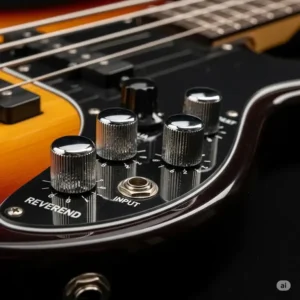
Control Maintenance: The premium Alpha potentiometers and polyester capacitors used in reverend bass guitars provide exceptional longevity, but periodic cleaning with quality contact cleaner maintains optimal performance. Exercise controls regularly to prevent oxidation buildup that can cause scratchy or intermittent operation.
Jack and Wiring Inspection: The Pure Tone jack system provides superior reliability compared to standard jacks, but periodic inspection ensures continued optimal performance. Check for tight connections and clean contact surfaces as needed. The internal wiring uses quality components that rarely require attention, but annual inspection by qualified technicians helps identify potential issues before they affect performance.
🎯 Transform Your Sound Today!
Don’t let another gig or recording session pass with subpar bass tone. These exceptional Reverend instruments are trusted by professionals worldwide for their unmatched combination of vintage warmth and modern clarity. Click on any highlighted model to discover current pricing and availability—your perfect bass is waiting to elevate your music to the next level! 🚀✨
Conclusion: Choosing Your Perfect Reverend Bass
The reverend bass lineup represents a unique approach to bass guitar design that successfully bridges the gap between vintage aesthetics and modern performance requirements. Whether you’re drawn to the versatile Thundergun, the clarity of the Mercalli series, the punk authenticity of the Wattplower, or the artistic sophistication of the Fellowship, each model offers distinct characteristics that serve different musical needs and playing styles.
The consistent use of premium materials like korina wood, custom electronics, and professional-grade hardware across the entire lineup ensures that every reverend bass delivers professional performance regardless of price point. This commitment to quality, combined with innovative design approaches and attention to player needs, explains why these instruments have gained such strong acceptance among professional musicians across diverse genres.
For players considering their first reverend bass, the Mercalli 4 provides an excellent introduction to the brand’s philosophy and construction quality. More experienced players might gravitate toward specialized models like the Triad for maximum versatility or the Dub King for unique semi-hollow characteristics. Regardless of choice, the reverend bass experience represents a significant step forward in tone, playability, and professional reliability.
The brand’s commitment to continuous improvement while maintaining the core characteristics that define their sound ensures that reverend bass guitars will continue evolving to meet changing musical needs. Whether you’re recording in professional studios, performing on major stages, or developing your skills in practice rooms, reverend bass guitars provide the foundation for musical expression that extends well beyond the instrument itself.
Frequently Asked Questions
❓ What makes reverend bass guitars different from other brands?
✅ Reverend bass guitars feature 100% korina body construction, 5-piece laminated necks, and custom-designed pickups that deliver exceptional clarity and sustain. The korina wood provides lighter weight with superior resonance compared to traditional mahogany or ash bodies, while the Hipshot Ultralight tuners and high-mass bridges ensure professional-level performance and stability...
❓ Which reverend bass model is best for beginners?
✅ The Mercalli 4 offers the most accessible entry point with its balanced tone and comfortable playability. Its roasted maple neck provides stability and requires minimal seasonal adjustment, while the Thick Brick and Split Brick pickups deliver versatile tones suitable for multiple genres. The lighter korina construction reduces fatigue during extended practice sessions...
❓ How do reverend bass guitars perform in professional recording environments?
✅ Professional recording engineers consistently choose reverend bass guitars for their natural compression and clarity in dense mixes. The korina construction provides organic tone shaping that reduces processing requirements, while the custom pickups maintain definition without muddiness. Nashville and Los Angeles studios keep these instruments specifically for sessions requiring premium bass tones...
❓ What is the typical price range for reverend bass guitars?
✅ Reverend bass guitars range from $899-$1,399 depending on the model and features. The Mercalli 4 starts around $1,099, while signature models like the Mike Watt Wattplower MKII retail for $1,399. This positions them between entry-level instruments and high-end boutique basses, offering professional performance at accessible prices...
❓ How often do reverend bass guitars require professional setup and maintenance?
✅ The stable construction of reverend bass guitars typically requires professional setup only 2-3 times per year under normal use conditions. The 5-piece neck construction and quality hardware maintain their adjustments well, though climate changes and heavy use may necessitate more frequent attention. Daily cleaning and monthly inspections help maintain optimal performance between professional services...
Recommended for You:
- 7 Best Schecter Diamond Series Bass Options For Ultimate Tone in 2025
- 7 Best Gibson RD Bass Models That Rock: Ultimate 2025 Guide for Musicians
- 7 Best Gibson Ripper Bass Options: Complete Guide & Expert Analysis 2025
Disclaimer: This article contains affiliate links. If you purchase products through these links, we may earn a small commission at no additional cost to you.
✨ Found this helpful? Share it with your friends! 💬🤗